Angels Christian: Belief, Roles, and Biblical Insights
Angels Christian: Belief, Roles, and Biblical Insights
In Christian belief, the term angel denotes a spiritual being created by God, distinct from humans, and often described as a messenger or agent of the divine will. The subject of angels in Christianity spans Scriptural accounts, theological reflection, devotional practice, and church tradition. This article surveys Christian understandings of angels, their roles, and the key biblical insights that have shaped how believers view these celestial beings today. It explores the spectrum of ideas within various Christian communities while underscoring the core motifs that unite most strands of the faith: reverence for God, service to creation, and the orientation of all beings toward divine glory.
Understanding the Concept: What Are Angels in Christian Thought?
The angels Christian readers encounter are not merely symbolic figures but are described in concrete terms within the Bible and later theological writings. In broad terms, angelic beings in this tradition are commonly understood as beings who stand in righteousness before God, equipped with power to carry out divine purposes. They are not deities, but they are more than human; their existence testifies to the spiritual dimension of reality that Christians affirm.
Origins and ontology
The biblical witness presents angelic beings as created by God prior to human beings and as part of the heavenly host. They are typically described as immortal, intelligent, and capable of communicating with people. The Christian view stresses that angels serve God and carry out tasks that reveal God’s plan in history. They are commonly portrayed as messengers who announce God’s will, provide guidance, and administer protection, sometimes appearing in human form to interact with people without evoking fear.
Names and classifications
Across the biblical record, several named or categorized angels appear with distinct functions. In the Christian tradition, common categories include:
Archangels—often presented as chief messengers or leaders among the angelic host (the term appears in Christian sources though the biblical uses of "archangel" are limited).
Seraphim—described in prophetic visions as beings who worship before God and declare His holiness.
Cherubim—portrayed as guardians of sacred spaces and as the ones who attend to God’s throne and knowledge.
Principalities, powers, rulers of darkness, and heavenly hosts—categories cited in the New Testament (notably in Paul’s letters) that denote different orders or spheres of angelic activity in relation to the cosmos and human history.
It is important to recognize that the exact hierarchy and titles used in various Christian traditions can differ. The biblical evidence emphasizes roles and reverence rather than a fixed, codified ranking system. Still, readers will encounter a recurring pattern: angelic beings exist to fulfill God’s purposes, often acting as heralds, protectors, and agents of divine sovereignty.
Scriptural Foundations: Old and New Testament Perspectives
Angels Christian belief is rooted in Scripture. The Old Testament provides countless glimpses of heavenly messengers who intervene in human affairs, while the New Testament centers on the Incarnate Word and the ongoing ministry of angels in the life of Jesus, the Church, and the cosmic struggle between good and evil.
In the Hebrew Bible, angelic messengers appear to deliver messages, provide guidance, and execute God’s judgments or blessings. Notable examples include the appearance of angels to Abraham, Jacob, and Daniel, among others. These figures remind readers that the God of Israel is not distant but actively involved in world history, often using angelic agents to accomplish what humans cannot do alone.
New Testament revelations and fulfillment
The gospels introduce the most famous announcements by angels: the birth of Jesus is heralded by a chorus of angels to shepherds, signaling the arrival of the long-awaited Savior. In the epistles, angels are described as ministering spirits who aid the faithful and assist God’s purposes in the church. The revelation to John also features dramatic celestial scenes in which angels pour out divine judgments and proclaim the final victory of God.
Names, Roles, and Classifications: How Angels Are Portrayed
The Christian narrative employs several recurring roles and functions for angelic beings, often summarized as messengers, guardians, and ministers of God's purposes. Beyond this, certain terms signal more specialized duties that readers may encounter in theological discussions.
Messengers of God
The primary function of many angelic messengers is communication. They inform people of God’s will, warn of danger, and call for repentance or faith. The most famous example is the angel Gabriel, who announces to Mary that she will conceive Jesus by the Holy Spirit. This moment sits at the center of Christian understanding of the Incarnation and the salvific work of Christ.
Protectors and guides
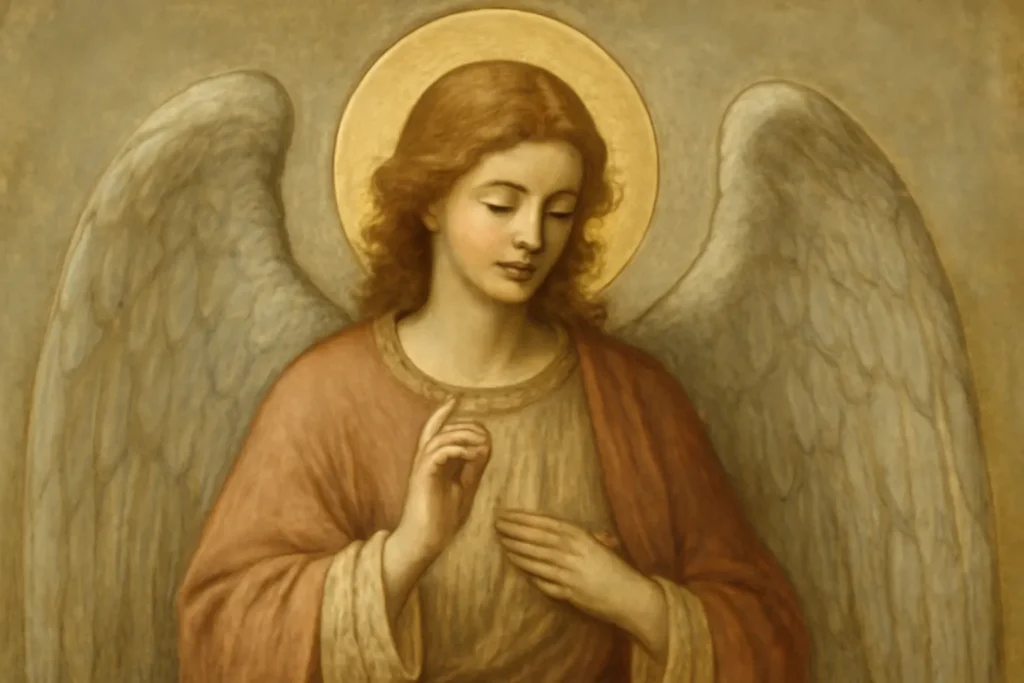
Guardian angels are frequently cited in Christian tradition as protective presences over individuals, families, or communities. While the extent and nature of guardian angel ministry differ among denominations, the conviction that God may assign supernatural guardians is widespread in Christian piety.
Worship and service within the heavenly realm
Angels participate in ongoing divine worship and service before the throne of God. In biblical visions, they are often engaged in the act of praising God, carrying out decrees, and assisting in worship that centers on Christ. This continuing activity reflects a larger truth: angelic beings exist to honor and enact God’s glory in creation.
Agents of mercy, justice, and revelation
Angels are depicted as instruments of God’s mercy and justice. They may deliver judgments or provide intervention that reveals God’s sovereign will. In the Christian imagination, this role is balanced by a broader theological emphasis on human agency and responsibility in cooperation with divine grace.
Roles in Christian Life: How the Faith Understands Angelic Activity Today
The roles described above translate into practical understandings about how Christians relate to the idea of angels in daily life—without reducing angelic ministry to superstition or myth. In contemporary Christian life, discussions about angelic presence typically emphasize reverence for God, discernment, and discerned alignment with Scripture.
Worship and devotion
Across many Christian communities, angelic imagery serves to deepen reverence for God. While the practice of praying to angels or requesting their intercession is approached with caution in many traditions, believers often use angelic imagery to focus their attention on God’s transcendence and mercy.
In some strands of Christian practice, the concept of spiritual warfare includes the recognition of a cosmic struggle between God and the powers of darkness, with angels described as aiding God’s people. This language is not about fear but about awareness of the spiritual dimension that Christians believe surrounds and sustains life in Christ.
Patience, hope, and comfort
Stories of angels in Scripture frequently provide consolation in times of trouble or uncertainty. The presence of a heavenly messenger can offer hope, guidance, and reassurance that God’s plan remains at work, even when human circumstances appear perilous.
Angels in Church Tradition: What Different Traditions Teach
Across Christian traditions—Catholic, Orthodox, Protestant, and evangelical circles—the portrayal of angels shares a core set of beliefs but also reflects distinctive emphases. Reading Christian angelology in context shows both unity and diversity within the broader faith.
The Catholic and Orthodox perspectives
In Catholic and Orthodox Christianity, angels are frequently venerated in the sense of honoring their role and seeking their intercession under the sovereignty of Christ. These traditions maintain that the venerable beings can intercede before God on behalf of humans, while always pointing toward the one mediator, Jesus Christ. This posture is a matter of devotion and theological nuance rather than a claim of divinity for angels.
Protestant and evangelical views
Protestant and evangelical bodies often emphasize the sufficiency of Scripture, with cautious language about angelic devotion. Angels are recognized as real beings who attend to God’s purposes, but the focus remains on Christ, Scripture, and the empowerment of the Holy Spirit. The distinction is frequently drawn between honoring God’s messengers and worshipping them; the latter is rejected in favor of worship that is due to God alone.
Fallen angels and the problem of evil
A central aspect of Christian teaching about angelic beings concerns the presence of fallen angels—those who rebelled against God and became demons. This narrative is most fully developed in later Christian tradition and literature, where Satan is described as the most prominent fallen angel. The existence of evil coexisting with good in creation is a mystery that theologians have addressed through the lenses of free will, grace, and divine sovereignty.
Key Biblical Passages: Moments That Shaped Belief
Several passages have become touchstones for Christian belief about angels. They provide a foundation for understanding how angels relate to God’s redemptive plan, how they interact with humans, and how believers read these encounters within the larger arc of salvation history.
Luke 1—Gabriel’s announcements to Zechariah and Mary: divine revelation through a messenger announcing the coming of John the Baptist and the birth of Jesus, highlighting the role of angels in announcing salvation history.
Luke 2—The birth of Jesus and the choir of angels who sing to shepherds, signaling the moment when God draws near in the Incarnation.
Matthew 1–2—Angelic guidance in dreams, including Joseph’s dream directing the safeguarding of the Messiah.
Hebrews 1—Angels as ministering spirits sent to serve those who inherit salvation, underscoring their supportive role in the life of the church.
Ephesians 6—The armor of God and the reality of spiritual warfare, with angels conceptualized as part of the unseen realm that believers are prepared to confront through divine strength.
Revelation 12—A cosmic drama featuring the war in heaven and the ultimate triumph of divine sovereignty, illustrating the grandeur of the angelic realm in eschatology.
Jude 1—Michael’s contest with the devil over the body of Moses, a brief but notable example of archangelic authority and humility before God.
These passages, among others, have shaped a consistent sense that angels Christian life is connected to God’s ongoing activity in history. They remind believers that the spiritual realm is real, that God governs all, and that the divine plan often moves forward through beings beyond human sight.
As with any ancient and widely interpreted topic, there are common myths about angels that deserve careful correction. A few examples:
Angels are not interchangeable with God or with human beings; they are spiritual servants who glorify God and fulfill His purposes.
Angels are not inherently “more powerful” than God’s human agents; their authority is always derived from and subordinate to the Creator.
Praying to angels or seeking their intercession is a debated practice among Christians. Most traditions encourage praying directly to God through Jesus Christ, while some forms of devotion respect angelic guardianship without attributing divine authority to angels.
Angels do not replace Jesus or the Holy Spirit in the life of the believer; rather, they function in service to Christ and His redemptive work.
How Christians Should Read and Respond to Angelic Imagery
For readers exploring angelology in Christian practice, several guiding principles can help keep interpretation balanced and faithful to Scripture:
Scripture-centric reading: Let the biblical text set the framework for understanding angelic beings, rather than relying on popular folklore or sensational media.
Christ-centered emphasis: See angels as subordinate to Christ and his redemptive work; the ultimate focus of worship and devotion remains God the Father, through the Son, in the Spirit.
Historic tradition: Acknowledge the voice of the historic church—necromantic practices or sensationalized depictions should be weighed against the consensus of the tradition and the authority of Scripture.
Pastoral sensitivity: In counseling or spiritual direction, approach claims of visions or encounters with angels with discernment, humility, and care for the discernment of the community.
Angels, Prayer, and liturgical Life: Practical Considerations
Christian worship and prayer life are shaped by a distinction between honoring God and venerating or venerating angelic beings. In most traditions, prayer is directed to God through Jesus Christ, with the Holy Spirit enabling spiritual communication. However, in many churches angelic imagery (such as depictions of angels in art and hymns about heavenly hosts) helps believers imagine the grandeur of God’s kingdom and the reality of the unseen world.
The liturgical calendar and artistic traditions sometimes feature angelic choirs and angelic symbolism as a way to remind worshipers of the heavenly dimension of faith. This use is typically devotional, not doctrinal, and centers on drawing near to God in worship by contemplating His glory and mercy.
Conclusion: Angels Christian Belief, Roles, and Biblical Insights
The question of angels in Christian faith invites readers into a conversation about the nature of reality, the scope of God’s sovereignty, and the way divine messengers participate in human salvation history. Across Christian angelology, a few enduring motifs stand out:
Angels as messengers: The primary function is to declare God’s will and to bring divine revelation at critical moments in salvation history.
Angels as guardians: In various strands of belief, angelic protectors accompany individuals, families, churches, and nations, reflecting God’s care for creation.
Angels as servants: They assist in the cosmic and earthly realms in alignment with God’s purposes, participating in worship and the consummation of all things.
Angels within a Christ-centered framework: The focus remains on Jesus Christ, the central figure of Christian faith, with angels acting under divine authority rather than in opposition to God’s redemptive plan.
By placing angels within the larger story of God’s salvation plan, Christians can appreciate the biblical evidence, respect the historical tradition, and avoid misinterpretation. The biblical insights about angelic beings remind believers that God is at work in unseen ways, often through beings beyond ordinary human perception. Whether readers inhabit Catholic, Orthodox, Protestant, or evangelical communities, the essential takeaway is consistent: angels in the Christian worldview point to God’s greatness, serve His purposes, and invite people to trust in Him more deeply.
In sum, the conversation about angels in Christianity is not primarily about curiosity regarding otherworldly figures, but about recognizing God’s sovereignty, the contingency of human history, and the extraordinary ways He mobilizes beings to accomplish His will. The study of angelic life, in its biblical roots and its contemporary expressions, offers a window into how Christians understand spiritual reality, divine revelation, and the ongoing drama of redemption that centers on Christ.





Leave a Reply