Are God and Jesus One? A Comprehensive Guide to Christian Doctrine
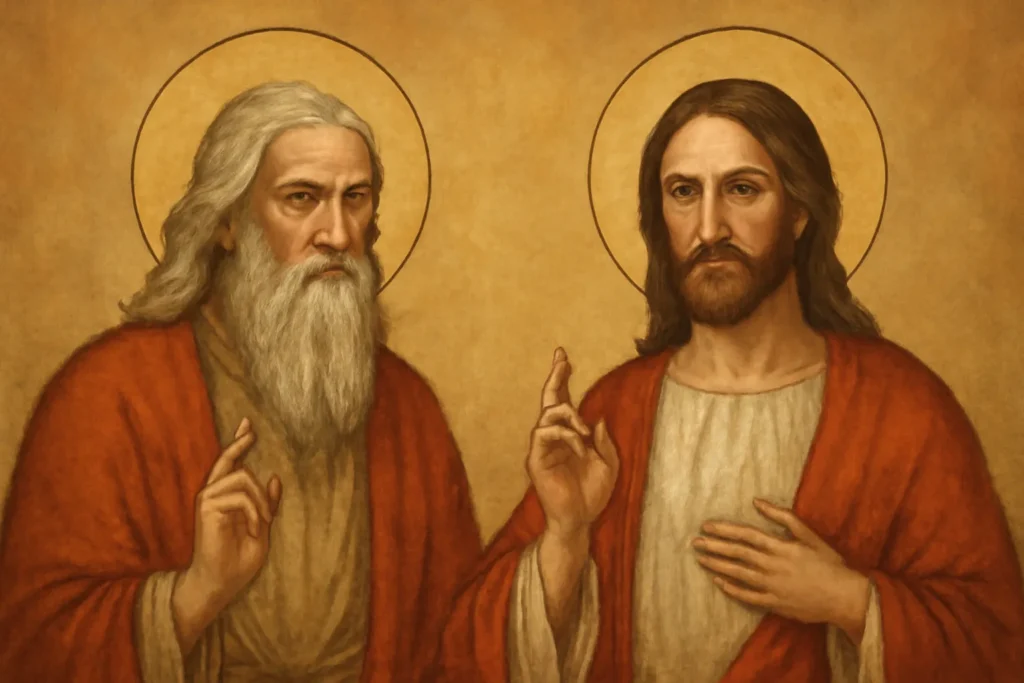
Across two millennia of church history, theologians, pastors, scholars, and laypeople have wrestled with a central question: Are God and Jesus one? The answer depends on how one reads Scripture, how one understands the nature of God, and how one articulates the mystery of the Incarnation. The short answer in mainstream Christian theology is nuanced: Christians affirm the unity of God in essence while recognizing a distinction of persons within the Godhead. In other words, they affirm that the Father and the Son are not two separate gods, but that Jesus is truly God and truly man, inseparably united in one divine reality. This article surveys the doctrine from multiple angles, tracing biblical foundations, historical developments, and contemporary diversity of belief, while offering clear explanations of key terms and concepts.
Foundations of the Question: How the Bible Shapes the Idea of Unity
From the outset, the question about whether God and Jesus are one is anchored in biblical language and the experience of early Christians who worshiped Jesus as the Lord. Two broad lines of evidence are often discussed in Bible study and theology:
Divine equality and divinity of Jesus: Passages that attribute creation, preexistence, and exaltation to Jesus, and that present Him as “the Word” who is with God and is God.
Relational distinction within the Godhead: Passages that emphasize the Father’s distinct person while also ascribing to Jesus and to the Spirit roles that imply unity of purpose and essence.
In biblical terms, the question is frequently phrased in several ways, each highlighting a facet of Christian belief. Variations include: Are God and Jesus one in being? Are the Father and the Son one in essence? Is Jesus God, or only a divine emissary? How do we hold together Jesus’ humanity and His divine status? What do the Scriptures say about the Spirit’s relationship to both Father and Son?
Readers who study the New Testament notices that Jesus often speaks in ways that imply a unique oneness with the Father, and yet He also acknowledges submission and distinct personhood. For example, Christians point to verses in which Jesus speaks of doing the Father’s will, receiving worship, and claiming sameness of essence with God. They also point to verses that show Jesus praying to the Father and speaking of the Spirit proceeding from the Father. Theologically, these patterns invite a careful articulation rather than a simplistic formula.
Key Doctrinal Concepts: How the Church Has Read the Question
Over centuries, the church formulated terms and definitions to describe the mystery in a robust, careful way. Five concepts are particularly central to the conversation about whether God and Jesus are one:
Homoousios (of the same substance): This term became decisive in the early creeds to express that the Son shares the same divine essence as the Father, not merely a similar nature.
Hypostasis (distinct personal reality): While the essence is one, the Father, Son, and Spirit are understood as three distinct persons or hypostases within the Godhead.
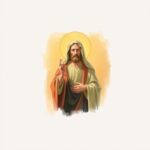
Incarnation (the enfleshment of the Word): The claim that the eternal Word becomes flesh in Jesus Christ, uniting divine nature with a truly human nature in one person.
Monotheism vs. Triune manifestation: The doctrine seeks to preserve monotheism (one God) while teaching that God exists as three persons who are eternally related in love and action.
Christology (the study of Christ’s person and work): A field that analyzes how Jesus can be fully God and fully man, and how His work relates to human salvation.
In practice, this theological vocabulary is used to describe a core conviction: the Father and the Son are one in essence (one divine being), while remaining distinct persons. This is not a simple identity claim but a nuanced position about the inner life of God and how God reveals Himself in Jesus and the Spirit. The next sections explore how this has been expressed in major historical moments and how it looks in various Christian traditions.
Historical Foundations: From the New Testament to the Creeds
New Testament Foundations
The New Testament contains passages that Christians read as pointing toward the unity of Jesus with God, as well as passages that emphasize the distinct roles within the Godhead. Some key themes include:
Divine preexistence of the Word, who is with God and is God (as in John 1:1-3).
Creation through the Word—the Word through whom all things were made (John 1:3).
Worship of Jesus—Jesus receives worship from others, a prerogative associated with divinity (e.g., Matthew 14:33; John 20:28).
Authority of Jesus—Jesus claims and exercises divine prerogatives, such as forgiveness of sins and seating at the right hand of God (Mark 2:5-12; John 5:21-23).
Incarnation—the Word becomes flesh, implying the taking on of human nature by the eternal Logos (John 1:14).
From these strands, theologians argue that the biblical data favors a high Christology: Jesus is not merely a remarkable human being or a created being; He is the eternal God who took on human nature to accomplish salvation. Yet the same New Testament frequently presents Jesus as distinct from the Father in relation, role, and prayer, which invites a careful account of two essential questions: How can Jesus be God and distinct from the Father? and how is the one God known through the Father, Son, and Spirit?
Creedal Declarations and Councils
As early Christians sought to clarify their faith in a hostile environment and in dialogue with diverse religious ideas, they produced concise summaries of belief that would guide baptism, worship, and teaching. The most salient milestones include:
Nicene Creed (325 AD) — Affirms the Son as begotten, not made, of the same essence as the Father (homoousios). This was a decisive response to the Arian challenge that denied full divinity to the Son.
Constantinople Creed (381 AD) — Expanded the language about the Holy Spirit and reaffirmed the Trinity as one God in three persons, co-eternal and co-equal.
Chalcedonian Definition (451 AD) — Clarified Christology by declaring that Jesus is one person in two distinct natures, fully God and fully man, without mixture or confusion.
These creedal statements do not intend to settle every doctrinal ambiguity, but they express a shared theological conviction: the Father and the Son are one in essence, and Jesus is the eternal second Person of the Triune God, who became incarnate for the redemption of humanity. The Spirit, while distinct, is also identified as fully God, proceeding from the Father and the Son in various doctrinal formulations, to maintain a coherent Trinitarian framework.
Different Perspectives: How Christian Traditions Answer the Question
Throughout church history and in contemporary times, Christians have expressed a range of understandings about the relationship between God and Jesus. The main strands can be categorized as follows:
Trinitarian Orthodoxy
In classic Trinitarian theology, the Father, Son, and Spirit are all fully God, sharing the same divine essence, yet existing as three persons. The core claims include:
One essence, three persons—God is one, yet not solitary; there are three coequal Persons: Father, Son, and Holy Spirit.
Jesus as the eternal Son—The Son is eternally begotten of the Father, not created, and shares the divine nature.
Incarnation and salvation—God became man in Jesus to redeem humanity, without surrendering divinity.
Within this framework, it is grammatically accurate to say Are God and Jesus one in essence? The answer is yes, in the sense that Jesus and the Father share the same divine nature, though they remain distinct persons in their relational properties and actions. This is the foundational stance for most mainstream Christian traditions, including Roman Catholic, Orthodox, and many Protestant churches.
Modalism (Sabellianism) and Early Opposition
Modalism offered an alternative way of understanding God’s unity by suggesting that God reveals Himself in three modes or manifestations rather than in three distinct persons. From the perspective of historic orthodoxy, modalism risks collapsing the distinction of persons into a single person, potentially undermining the real personal relationship between Father and Son. The church rejected this view as inadequately accounting for Jesus’ prayer, baptismal formulas, and the apostles’ worship of Father, Son, and Spirit.
Arianism and Subordinationism
In the Hellenistic world, some held that the Son was a created being who becomes divine by merit or adoption, thus denying full divinity to Jesus. This stance raised a fundamental question: Is Jesus God or a highly exalted creature? The church rejected this by affirming that the Son is consubstantial with the Father (sharing the same essence). Subordinationism, which sometimes characterized later Christologies ascribing a lesser status to the Son or Spirit, faced similar critiques and was redirected toward full equality within the Trinity.
Some modern movements reject the doctrine of the Trinity entirely or modify it significantly. Notable examples include:
Unitarianism — Emphasizes the oneness of God and often views Jesus as a significant teacher or prophet, but not God in the same sense as the Father.
Mormon (LDS) teaching — Describes the Godhead as three distinct beings who are united in purpose but not in substance, a view that differs from classical Trinitarianism.
Oneness Pentecostalism — Emphasizes the oneness of God by denying the personal distinction among Father, Son, and Spirit, typically viewing Jesus as the manifestation of the one God in different modes rather than as distinct persons.
Each of these perspectives attempts to preserve the central claim that Jesus is related to God in a way that honors His divinity, while also preserving human experience of Jesus as a real historical person. However, mainstream Christian theology tends to prioritize the language of the Nicene and Chalcedonian traditions, which articulate a robust sense of both unity and distinction in the Godhead.
The Christological Question: How Jesus Relates to God the Father
A central dimension of the discussion is the person of Jesus Christ and how He can be both fully God and fully human. This dual nature is sometimes summarized as a paradox—one person with two natures. Several key components help in understanding this:
Preexistence — The belief that the Word (Logos) existed with God before creation and that the Word was God (John 1:1-3).
Incarnation — The Word becomes flesh (John 1:14); this is not merely a divine avatar but the actual union of divine and human natures in one person.
Hypostatic union — The theological term that captures the union of divine and human natures in the one Person, Jesus Christ.
Occupation of the cross and resurrection — Jesus’ work of atonement is understood as accomplished by God Himself entering humanity to redeem it, culminating in the resurrection and exaltation.
From a devotional and pastoral standpoint, the question How are God and Jesus one in this sense? invites reflection on Jesus’ authority, His prayers, His obedience, and His reception of worship. The theological answer is that the unity of essence does not erase personal distinction, and the unity in essence grounds the real worship that Christians offer to Jesus as God incarnate.
Practical Implications: Worship, Prayer, and Christian Life
The doctrine of the unity of God and Jesus has practical consequences for worship, prayer, and daily life. Here are some of the key implications that many Christians consider essential:
Worship of Christ — In many traditions, Jesus is worshiped as God, reflecting His divine status and the belief that to worship Jesus is to worship the one true God.
Prayer — Believers may pray to the Father, to Jesus, or to the Spirit, depending on the tradition, yet all are encouraged to address God in Spirit and truth, recognizing Jesus’ mediatorial role.
Mediation and salvation — Christians traditionally teach that salvation comes through Jesus, who mediates between God and humanity, a function rooted in His identity as both God and human.
Ethical and relational implications — The unity of the Godhead is often linked to unity within the church, inviting a life of love, service, humility, and obedience modeled after Christ.
Different communities may emphasize distinct examples: some highlight the sovereignty and glory of the Father; others emphasize the accessible love of the Son who dwells among people; still others focus on the Spirit who guides and empowers the church. Taken together, these triune realities shape a coherent pattern for Christian faith and practice: the one God has revealed Himself as Father, Son, and Spirit, and Jesus is the incarnate revelation of the Father.
Common Questions and Clarifications
Are there biblical passages that seem to contradict the unity of Jesus with God?
Yes, some passages raise questions, such as Jesus’ own statements about the Father’s primacy or His prayer to the Father. The standard approach among Trinitarian theologians is to interpret such passages in light of the larger biblical framework. They argue that:
Jesus often speaks from within the relational life of the Trinity, not as though He is merely a subordinate being, but as the eternal Son who acts in concert with the Father and the Spirit.
Prayer and obedience express personal relationship and submission, not subordination in essence. Subordinationism is rejected as a view that would undermine full divinity or the equality of the Persons.
The unity of essence means that divine nature is not divided; the distinctions concern personal relations and roles, not ontological hierarchy at the level of essence.
How do different churches handle Christological language today?
Many churches maintain a high Christology aligned with historic creeds, while recognizing a spectrum of nuance in contemporary language. Some trends include:
Reaffirmation of the Nicene Creed as a foundational statement in many churches’ worship and teaching.
Broad engagement with biblical languages (Greek terms like homoousios, hypostasis) to comprehend the nuance in Scripture and tradition.
Pastoral approaches to the mystery of the Incarnation that aim to help believers relate to Jesus as their Savior, Lord, and Friend.
What about nontrinitarian groups?
Nontrinitarian communities often approach the question differently. They may emphasize the oneness of God in a way that emphasizes Father as the sole divine person, or they may view Jesus as a highly exalted agent of God rather than God Himself. While respectful dialogue is essential, the mainstream historical position of the church is Trinitarian: one God in three persons, with Jesus both divine and incarnate.
How to Read the Bible on the Topic: A Practical Guide
When readers approach the Bible with a question about the unity of God and Jesus, several practical steps can help create a balanced understanding:
Survey key passages that speak about Jesus’ divinity, preexistence, and worship, alongside passages that emphasize the Father’s distinctive role and Jesus’ own statements about Him.
Consider the historical context in which early Christians wrestled with language about God, Jesus, and the Spirit, including encounters with competing religious ideas.
Compare New Testament revelation with early creed statements, noting how the church sought to preserve both unity and distinction without reducing one to the other.
Respect the mystery—recognize that some aspects of the Godhead remain beyond full human comprehension, and faith often rests on trust in the testimony of Scripture and the witness of the church.
Summary: Why the Question Matters for Faith and Life
The question Are God and Jesus one? is not just a theological puzzle; it is about the very nature of salvation, worship, and relationship with the Creator. The enduring Christian answer is nuanced and intentionally measured: God is one in essence, and Jesus is both fully God and fully human, the incarnate Son who reveals the Father and saves humanity.
In practice, this means that Christians worship Jesus as Lord, trust Him as Savior, and seek to live in the power of the Spirit, all the while acknowledging the Father as the One from whom all things come and to whom all glory belongs. The unity of God and Jesus—balanced with the distinction of persons—provides a framework for understanding God’s self-revelation, the meaning of redemption, and the shape of Christian life in a world that longs for both truth and grace.
Further Exploration: Suggested Paths for Study and Reflection
For readers who want to dive deeper, the following directions can be fruitful paths for study and reflection:
Read primary sources — New Testament passages about Jesus’ divinity and incarnation, and historical creeds such as the Nicene and Chalcedonian formulations.
Explore systematic theology — Texts that explain the Trinity, Christology, and pneumatology in a disciplined way, helping to connect biblical data to doctrinal formulations.
Engage historical theology — Learn about the early church councils, the debates that led to the creeds, and how the church wrestled with the language of God’s unity and yet Jesus’ divinity.
Attend a diverse Christian tradition — If possible, study how different communities teach and worship in light of this question, recognizing both common ground and legitimate differences.
Closing Thoughts
The question Are God and Jesus one? invites a journey rather than a quick answer. It invites believers into a deeper appreciation of the mystery of the Christian faith: that the one God has chosen to reveal Himself in the person of Jesus Christ, the eternal Word who became flesh, and that the Holy Spirit continues to make that revelation real in the life of believers. The historic doctrine of the Trinity provides a framework in which God’s unity and Jesus’ divinity are affirmed together, while also preserving the real personhood of the Father, the Son, and the Spirit. For pastors, teachers, and lay readers alike, the aim is to marvel at the wonder of a God who is at once beyond complete human description and personally present in the life of the world through Jesus Christ.
Whether you are approaching this topic from a place of faith, curiosity, or critique, the conversation remains central to Christian identity. The phrase Are God and Jesus one? points to a truth that has shaped worship, preaching, and practice across generations: God has made Himself known in the person of Jesus, yet remains the One in whom all things hold together. This paradox—unity in essence with distinct personal identities—produces a rich heritage of confession, worship, and ongoing study that continues to guide Christian faith today.
If you’d like, I can tailor this article to specific denominations or contexts (Catholic, Orthodox, Protestant, evangelical, or nontrinitarian groups) and incorporate more quotations, diagrams, or study questions to help with group discussion or personal reflection.




Leave a Reply