Introduction: Understanding the Concept of Spiritual Armor
Across communities of faith, the phrase Armor Bible Verse evokes a vivid image: believers standing firm, clothed with divine protection that equips them to live with integrity, courage, and steadfast faith. The idea is not a literal suit of steel but a framework of truth, character, and reliance on God that helps a person withstand spiritual opposition. In this article, we explore 7 essential scriptures for spiritual armor, each offering a distinct facet of preparation, protection, and purpose. These verses span both the Old and New Testaments, revealing a cohesive vision: spiritual armor is about mindset, choices, and daily disciplines as much as it is about theological truth.
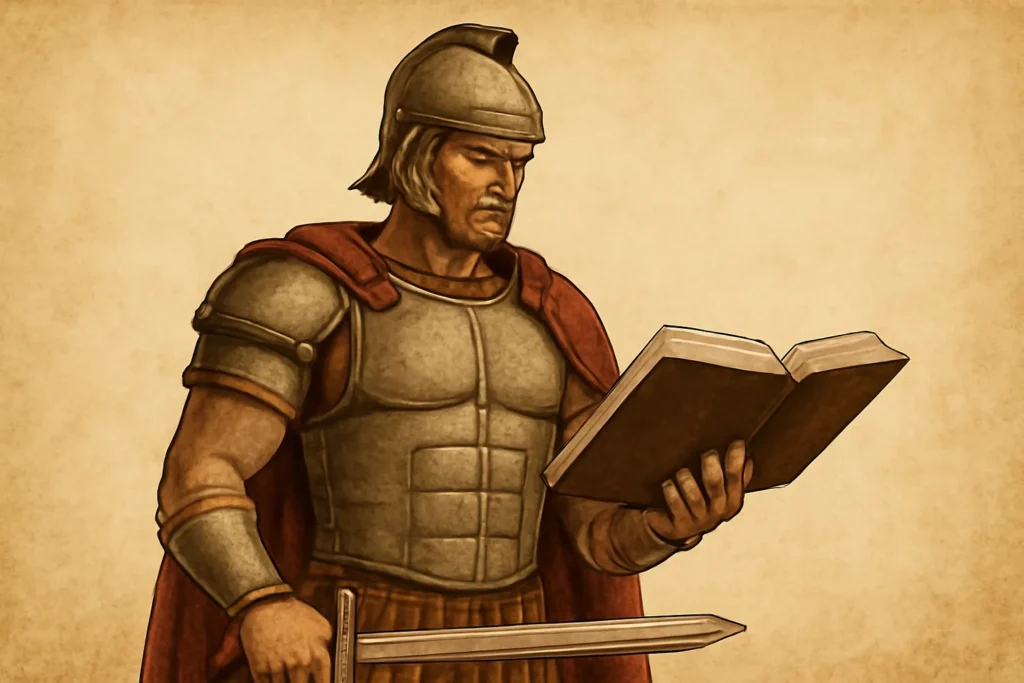
The cornerstone of armor in the Bible is found in Ephesians 6:10-18, where the apostle Paul famously exhorts believers to “put on the whole armor of God.” This passage lists six pieces of armor that cover the most important domains of life: truth, righteousness, readiness to share the gospel, faith, salvation, and God’s word as a weapon.
In practical terms, the section urges a holistic posture:
Belt of truth — honesty with God, others, and oneself; foundations built on reality and integrity.
Breastplate of righteousness — living in a way that reflects God’s justice and character.
Shoes of the gospel of peace — readiness to bring good news and to stand firm in peace amidst conflict.
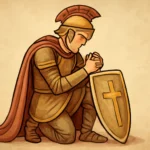
Shield of faith — trusting God’s promises when doubts threaten to overwhelm.
Helmet of salvation — confidence in God’s saving work protecting the mind and choices.
Sword of the Spirit — the living, active word of God used in discernment, prayer, and proclamation.
Key phrases and implications
Put on implies a deliberate, ongoing choice rather than a one-time event.
The focus is holistic: you need both protection (defense) and a usable blade (offense) in the spiritual life.
Prayer, alignment with God’s will, and Scripture study accompany every piece of armor, turning knowledge into living faith.
Practical applications
Begin each day with a brief inventory of the armor: Are you aligned with truth? Are you ready to share peace? Are you trusting God for protection?
Memorize core verses that reinforce the six pieces, so you can recall them in moments of trial.
Use Scripture as both shield and sword in moments of temptation or confusion—let the Word shape your response.
Verse 2: Isaiah 59:17 — A Helmet of Salvation and a Breastplate of Righteousness
In the prophetic voice of Isaiah, the imagery of armor is extended into a vivid portrait of divine protection and moral steadfastness. Isaiah 59:17 speaks of God’s action: wearing a helmet of salvation on the head and garments of righteousness as a breastplate. This pairing connects salvation—our security in God—with the moral posture that should accompany that security.
Helmet of salvation — thoughts, decisions, and life under the assurance of God’s saving work.
Breastplate of righteousness — a life marked by justice, uprightness, and fidelity to God’s character.
Foregrounding the idea that protection begins in the mind and heart, translating into daily conduct.
Historical and personal perspectives
For many readers, this verse links the anticipatory faith of the Old Testament with the realized reality of the New Testament. It suggests that the divine armor is not only for times of battle but also for ordinary days when conscience and character face scrutiny. In personal life, this may translate into guarding the heart against cynicism, choosing integrity under pressure, and embracing the hope embedded in salvation.
Practical applications
Practice mindful optimism grounded in salvation—let your thoughts be shaped by God’s promises rather than fear.
Let righteousness guide decisions at work, school, or home, especially when it’s not the easy path.
Pair daily reflection with a moment of prayer, inviting God to shield your thoughts and empower righteous living.
Verse 3: Romans 13:12 — The Armor of Light
The Apostle Paul continues the theme of protective living in Romans 13:12, urging believers to cast off deeds of darkness and to put on the “armor of light.” This image emphasizes moral clarity and public fruitfulness: living in a way that exposes the truth and defends the vulnerable.
Armor of light conveys both protection and visibility. It guards the heart against darkness while illuminating a path of life that honors God.
Key phrases
Armor of light — a metaphor for living transparently, ethically, and courageously in a world that often hides the truth.
Combines ethical discernment with a public witness that resists sin and promotes justice.
Practical applications
Consciously choose transparency in conduct, speech, and motives, especially in stressful situations.
Evaluate actions in light of what brings peace to others and integrity to your faith community.
Engage in gentle, truthful dialogue when confronted with darkness or deception.
Verse 4: 1 Thessalonians 5:8 — The Breastplate of Faith and Love, and the Helmet of Hope
The New Testament adds a concrete expression of armor imagery in 1 Thessalonians 5:8, urging believers to wear the breastplate of faith and love and, in addition, the helmet of the hope of salvation. This verse situates spiritual armor within the daily discipline of living as people of light, connected to both trust in God and care for others.
Key phrases:
Faith and love as a breastplate — courageous trust in God and compassion for neighbors.
Hope of salvation as a helmet — confident anticipation of God’s saving work that guards the mind against despair.
Practical applications
Let faith fuel actions that nurture relationships, integrity, and resilience under pressure.
Cultivate hopeful thinking that rests in God’s promises, especially when outcomes are uncertain.
Practice protective habits: quiet time, scriptural reflection, and accountability with trusted friends or mentors.
Verse 5: 2 Corinthians 6:7 — The Armor of Righteousness
In 2 Corinthians 6:7, Paul speaks of carrying “weapons of righteousness on the right hand and on the left.” This expression broadens the understanding that integrity, faithfulness, and ethical conduct can be weapons that deflect attack and advance good purposes in God’s name.
Armor of righteousness here is less about a specific piece of equipment and more about a life posture—consistent with God’s character in speech, choice, and motive.
Key phrases
Weapons of righteousness — actions aligned with God’s purposes wielded in both defensive and offensive spiritual moments.
Reminds believers that the moral realm operates with real power against deceit, fear, and corruption.
Practical applications
Assess daily routines for patterns that reflect integrity even when no one is watching.
Engage in acts of service and truth-telling that protect the weak and uphold justice.
Seek counsel when facing ethical gray areas, ensuring your approach matches God’s standard of righteousness.
Verse 6: Psalm 28:7 — The Lord as Strength and Shield
The Psalms offer intimate, experiential expressions of protection. In Psalm 28:7, the psalmist declares, The Lord is my strength and my shield. This verse emphasizes trust in God as the ultimate defender and source of courage, a theme that resonates as a companion to the “armor” imagery in the epistles.
In a spiritual sense, the shield guards the heart, and the sense of strength anchors the soul when fear or pressure is real.
Key phrases
Strength and shield as the two essential resources God provides for courage and protection.
Implicit invitation to rely on God’s power rather than personal force alone.
Turn to prayer when anxiety rises, asking for God’s strength to persevere and His shield to guard your heart.
Record testimonies of times when God protected you or others from harm—let those memories reinforce faith.
Share encouragement with others who are facing pressure, reinforcing a community of support around the shelter of God’s presence.
Verse 7: Psalm 18:35 — The Shield of Your Salvation
In Psalm 18:35, the psalmist expresses that God has given the shield of your salvation and supports the believer with divine strength. This verse echoes the theme that salvation itself is a protective mechanism—an enduring safeguard that shapes both identity and courage.
The image of a shield tied to salvation highlights a core principle: security in God permits bold, faithful living in the face of danger, temptation, or uncertainty.
Key phrases
Shield of salvation — security grounded in God’s saving work, not merely personal resolve.
Right hand sustains me — God’s active support in times of trial.
Practical applications
Embrace the identity that comes from salvation, allowing it to color how you handle conflict, fear, and disappointment.
Invite God’s sustaining power into difficult conversations, decisions, and moments when you feel overwhelmed.
Practice gratitude for past protectives moments as a way to reinforce trust for future challenges.
Bringing It All Together: Practical Pathways for Daily Life
The seven scriptures presented above form a tapestry of spiritual protection and empowerment. To move from theory to practice, consider these cohesive pathways:
Daily rhythm: Begin with a short routine that includes a verse reflection, a prayer for grace to live out the armor, and a moment to check motives.
Scripture memorization: Commit core phrases to memory so they become automatic responses in stress, temptation, or confusion.
Community sharpening: Share insights with trusted friends or mentors who can encourage accountability and spiritual growth.
Application in conflict: When conflict arises, identify which piece of armor is most needed and respond in a way that aligns with that armor (truth, righteousness, faith, etc.).
Mindset shift: Let the metaphor of armor reframe struggles as opportunities to demonstrate steadfast faith, not as signals of defeat.
Frequently Asked Questions about Spiritual Armor
Is spiritual armor only for times of crisis?
No. While armor provides protection in trials, it is also a framework for daily living that honors God and serves others. Armor is about consistency, not only emergency defense.
Why are there different pieces of armor in the Bible?
Each piece represents a dimension of spiritual character—truth, righteousness, peace, faith, salvation, and the Word. Together they form a holistic protection that covers thinking, will, heart, and action.
How do I practice applying these verses in modern life?
Start with small, intentional steps: study the verses, memorize key phrases, incorporate prayer, and apply the concepts in everyday decisions—work ethics, relationships, and personal integrity.
Closing Thoughts: The Power of a Ready Spirit
The idea of Armor Bible Verse invites readers to cultivate a prepared, resilient faith that does not collapse under pressure. Each of the seven scriptures presented here highlights a distinct facet of that preparedness: epistemic integrity (truth), moral posture (righteousness and faith), hopeful trust (salvation and light), and the active Word of God (the sword). The imagery of armor is a compelling reminder that the Christian life involves intentional discipline and communal support, not solitary bravado.
If you are beginning your journey with these verses or revisiting them for renewed strength, let the process be recursive: return to the passages, reflect on how their pieces fit your life situation, and practice the disciplines that cultivate a robust, protective faith. In all things, the goal is clear: to walk in truth, to act in love, and to stand firm with the confidence that comes from God’s saving power.






Leave a Reply