Bible Verse About Putting on the Armor of God: Ephesians 6 Explained
Understanding the biblical call to put on the armor of God opens a window into a worldview where faith shapes daily living. This article explores Ephesians 6, offering a practical, thoroughly explained guide to the pieces of the armor, what they signify, and how readers today can apply the imagery to personal faith, family life, and community witness. Rather than treating the passage as a distant doctrinal statement, we will connect its language to real-world spiritual formation, prayer, and perseverance.
Context and worldview: why Paul writes about armor
In the New Testament letter to the Ephesians, the apostle Paul grounds spiritual struggle in a theological framework that blends cosmic realities with personal discipleship. The imagery of armor does not promote aggression; it emphasizes steadfastness, integrity, and readiness in the face of difficulties. The exhortation to put on the whole armor of God frames Christian life as a journey of alignment—shielding, strengthening, and equipping believers for a mission that is as much interior as it is outward.
To grasp the message, it helps to recognize a few key ideas that recur in the text:
Weariness and warfare are not merely external struggles; they involve spiritual dynamics that require divine protection and human responsibility.
Truth and righteousness are not abstract virtues; they become practical tools that guide decisions, relationships, and character.
Faith as shield is a living posture—trust in God's promises that actively deflect fear, error, and despair.
Prayer is not ancillary; it is the living channel through which all other pieces of the armor remain effective.
The armor pieces: a guided tour
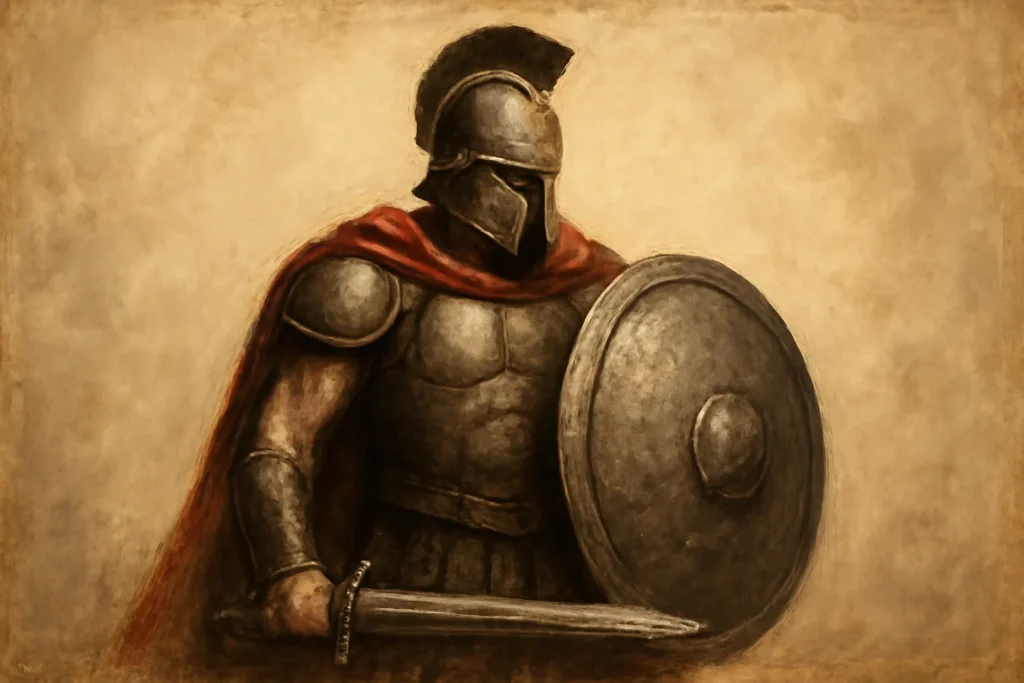
Paul enumerates six pieces of equipment, plus two supporting practices, to illustrate comprehensive readiness. Each component carries a history in Jewish and Greco-Roman thought and translates into tangible, everyday disciplines for Christians.
The Belt of Truth
The belt of truth is not merely mental accuracy; it anchors the other pieces. In an era when honorable speech and reliable commitments defined one’s character, a belt holding the armor together symbolized integrity. For modern readers, the belt invites a practice of truth-telling—honest self-assessment, transparent relationships, and a fidelity to God’s promises. When truth holds fast, the whole suit becomes coherent rather than loose or exposed to shifting winds.
Practical applications include:
Regular confession and accountability with trusted friends or mentors.
A habit of truthful communication in family life, work, and church communities.
The discipline of studying scripture with the aim of aligning beliefs with God’s revealed truth.
The Breastplate of Righteousness
The breastplate of righteousness guards the heart. It represents ethical living, integrity in motive, and the pursuit of justice that honors God. In the ancient world, this piece protected vital organs; in the Christian life, it guards the inner life against deceit, bitterness, and moral compromise. Righteousness here is both imputed and practiced: trust in Christ’s perfect life and the obedient life that follows as a response to grace.
Consider these dimensions of practical righteousness:
Choosing integrity even when it costs you socially or financially.
Seeking reconciliation and forgiveness when relationships are fractured.
Living with compassion for the vulnerable and the marginalized.
Feet Fitted with the Readiness of the Gospel of Peace
Footwear in ancient armor prepared a warrior for travel and battle. In Pauline language, shod with readiness means being prepared to advance the gospel, to stand firm in difficult terrain, and to help others do the same. It is not merely personal spiritual comfort; it is a posture of mission—wherever life leads, the believer is able to move toward others with the message of peace that comes from God.
Ways to cultivate readiness include:
Developing a habit of listening for opportunities to share faith with gentleness and respect.
Engaging in service that embodies the gospel’s peaceable nature—reconciliation, peacemaking, and justice works.
Praying for courage to cross social boundaries in love, humility, and wisdom.
The Shield of Faith
The shield of faith is perhaps the most vivid symbol for many readers: a defensive barrier that intercepts attacks of doubt, fear, and temptation. In biblical metaphor, faith trusts in God’s character and promises, turning anxiety into prayer and surrender into confident trust. The shield deflects flaming arrows—images of trials, temptations, and spiritual opposition—by maintaining an unshaken posture toward God.
Practical expressions of faith as a shield include:
Raising repeated prayers in times of testing, fear, or confusion.
Remembering stories of God’s faithfulness in prior seasons to sustain hope for today.
Engaging in spiritual disciplines that strengthen confidence in God’s goodness and power.
The Helmet of Salvation
The helmet of salvation protects the mind, where beliefs, fears, and plans take shape. Salvation here encompasses a confident identity as God’s beloved and the assurance of eternal life. A helmet guards against despair, cynicism, and misdirection, reminding believers that their mind is renewed by God’s truth and guided by his saving work.
To embody this protection in daily life, readers might:
Practice contemplative prayer and scriptural reflection that center identity in God’s saving grace.
Guard thoughts by replacing anxious or defeatist stories with Scriptural truths and promises.
Teach children and peers about the certainty of salvation and the security of God’s plan.
Unique among the armor pieces, the sword of the Spirit is both a defensive and offensive tool—a word that is living and active. In Pauline thought, the Word of God is a weapon used in prayer and proclamation. It is not a technical formula but a living engagement with God’s truth that cuts through confusion, exposes error, and guides righteous action.
Beyond the six pieces, Paul emphasizes two indispensable practices that sustain the armor: persistent prayer and watchfulness. The phrase praying at all times in the Spirit captures a rhythm of ongoing dialogue with God that energizes every other element of the armor. Prayer is the nerve center of spiritual sustenance; it aligns the believer with God’s will, enables discernment, and fuels courage.
Prayers for strength and endurance when spiritual battles intensify.
Intercessions for others who face trials, temptations, or spiritual oppression.
Vigils that remain alert to spiritual and moral dangers in one’s surroundings.
Putting on the armor: practice and daily life
So what does it look like to put on the armor of God in ordinary days? The language invites a daily rhythm rather than a one-time ritual. It is about aligning habits, choices, and thoughts with God’s purposes and equipping oneself with divine resources to navigate life’s challenges. Here are practical paths to living in the armor day by day:
Begin with a grounding truth: set daily anchors in Scripture and prayer that declare who God is and who you are in Him.
Assess and align your life with the belt of truth: examine motives, practice honesty, and pursue integrity in words and actions.
Choose righteous responses as a matter of heart posture: respond with grace, pursue justice, and seek reconciliation when conflict arises.
Move with gospel readiness: look for opportunities to serve others, share hope, and model peace in your communities.
Strengthen faith as a shield: cultivate gratitude, remember God’s faithfulness, and lean into community for encouragement.
Tend your mind with the helmet of salvation: renew your mind through Scripture, resist despair, and anchor identity in God’s saving work.
Wield the Word: memorize, meditate, and apply Scripture in discernment, teaching, and encouragement.
Make prayer foundational: establish a routine of prayer that includes both private devotion and corporate intercession.
Variations of the verse and paraphrastic breadth
Scholars and readers often encounter various translations and paraphrases that illuminate the same core idea: spiritual preparedness through God’s provision. The core concept—putting on the whole armor of God—appears in multiple paraphrastic forms across translations and devotional writings. While some versions use the more formal phrase “put on the whole armor of God”, others express the same sentiment with variations that highlight readiness, protection, and divine empowerment. These variations help readers grasp the breadth of meaning without losing the essential image.
Representative paraphrases and related formulations you might encounter include:
Donning the full panoply of God or don the armor that God provides, emphasizing God’s generous provision.
Clothing oneself with spiritual armor, highlighting the personal act of choosing alignment with divine aims.
Taking up the shield of faith and the sword of the Spirit, focusing on specific tools for defense and offense.
Equipping yourself with God’s gear for daily life, including relationships, work, and ministry.
In practice, paraphrase helps readers explore nuance: the armor is not purely about defense but about a holistic way of living in alignment with God’s purposes. It invites believers to embody truth, righteousness, gospel readiness, faith, salvation, and the Word in a unified, dynamic posture toward life’s challenges and opportunities. When teaching or preaching on this passage, paraphrase can illuminate how these pieces interact—the belt holding truth in place, the breastplate protecting righteousness, the shield shaping response to trials, and the Word guiding every step.
Applications across life domains
The imagery of the armor translates across several life domains, including personal spiritual growth, family dynamics, relationships in the church, and service to the broader community:
Personal spiritual formation
Inner growth centers on integrity, trust, and a mature understanding of salvation. Individuals can cultivate a daily routine that weaves these elements into practice:
Daily scripture intake paired with reflective journaling that tracks how truth shapes decisions.
Practice of gratitude and testimony to reinforce the shield of faith against fear.
Mindful repetition of key phrases or verses to anchor identity and purpose.
Teach children parts of the armor through age-appropriate activities, prayers, and memory verses.
Model honest communication (belt of truth) and forgiving hearts (breastplate of righteousness).
Hold regular times of prayer and gratitude as a shared habit that unites the family in faith.
Church life and community impact
Church communities can interpret the armor as a call to collective resilience and mission. Elements of doctrine become programs of care, witness, and justice. Practical steps include:
Raising awareness of spiritual warfare while emphasizing God’s sovereignty and grace.
Equipping members through teaching, mentorship, and accountability groups that reinforce the armor pieces.
Engaging in mission partnerships that demonstrate the gospel’s peace and power in the public square.
Common questions and clarifications
Readers often wonder about how this metaphor translates across different times and contexts. Here are a few common questions with brief clarifications:
Is this about literal warfare? No. The armor of God addresses spiritual warfare—temptation, deception, and moral compromise—and equips believers to live faithfully in a hostile world.
Can one piece be neglected? Paul’s exhortation to put on the whole armor suggests that each component supports the others. Neglecting one area can weaken the whole defense.
How does prayer relate to action? Prayer sustains the believer’s dependence on God while empowering practical obedience; it is the means by which the armor remains operational in life’s daily challenges.
Historical and theological notes
Scholars note that the armor imagery resonates with both Jewish and Greco-Rreek military symbolism, yet Paul recasts it within a distinctly Christian framework. The armor is not about self-reliance; it emphasizes reliance on God’s power, wisdom, and grace. The sequence—truth, righteousness, peace, faith, salvation, and the Word—maps onto a holistic vision of sanctification and mission. The emphasis on putting on implies an intentional act of discipleship: choosing a life oriented toward God and sustained by divine grace.
Conclusion: living under divine protection and purpose
To live as a follower of Christ in the 21st century is to recognize that life involves ongoing challenges, temptations, and opportunities for witness. The armor of God offers a robust framework for navigating these realities with faith, courage, and integrity. By understanding each piece—the belt of truth, the breastplate of righteousness, the footwear of readiness, the shield of faith, the helmet of salvation, and the sword of the Spirit—readers can cultivate a practical, resilient faith that manifests through daily disciplines and generous service. Prayer remains the vital conduit that keeps all elements connected to God's ongoing work in the world.
In short, to put on the armor of God is to embrace a holistic, gospel-centered life. It is an invitation to be formed by truth, protected by righteousness, prepared for mission, strengthened by faith, assured by salvation, and empowered by God’s Word—daily, communally, and in every season of life.









Leave a Reply