Before I Sleep Prayer: Nighttime Prayer for Peaceful Sleep
Before I Sleep Prayer: Nighttime Prayer for Peaceful Sleep
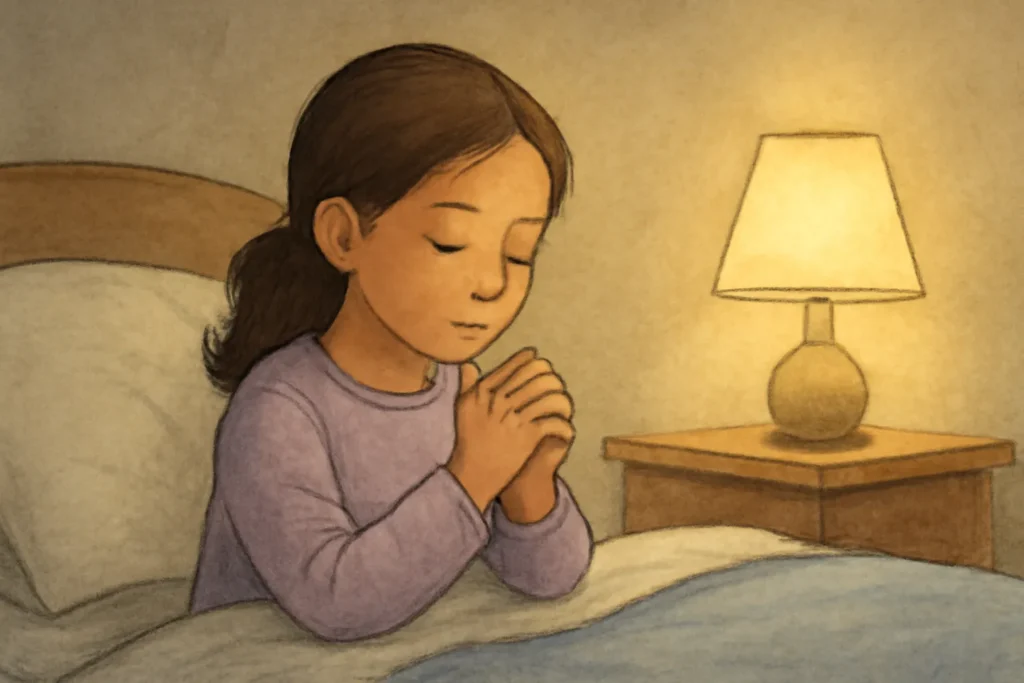
Across many cultures and traditions, the practice of a Before I Sleep Prayer—often referred to as a bedtime prayer or nighttime prayer—is a powerful ritual designed to transition from the busyness of the day to the stillness of night. This article explores the tranquil and practical sides of praying before sleep, offering guidance, variations, and ready-to-use examples. Whether you seek spiritual connection, mental calm, or simply a moment of gratitude before closing your eyes, a thoughtful pre-sleep prayer can become a reliable anchor for peaceful sleep and a hopeful tomorrow.
A Before I Sleep Prayer is a short routine of prayer or contemplation conducted at the end of the day, before going to bed. It may include expressions of gratitude, requests for protection and rest, confession or forgiveness, and prayers for loved ones. The essence of a bedtime prayer is not the length of the words but the quality of presence—being fully present with one’s breath, thoughts, and feelings as the day closes. In some traditions, this ritual is prescribed by religious texts; in others, it is a personal practice grounded in mindfulness and intention. The common thread is a deliberate shift from external concerns to inner peace, creating a peaceful sleep state that supports recovery and regeneration.
Why People Turn to a Nighttime Prayer
Many people describe a night prayer as a necessary cue for winding down. Here are several reasons why a prayer before bed can be meaningful and beneficial:
Mental decluttering: A short routine helps you release worries and set a finite boundary around the day, reducing rumination at night.
Emotional regulation: Expressing gratitude, seeking forgiveness, and acknowledging small wins can recalibrate emotions before sleep.
Spiritual connection: For believers, the act of praying before sleep can reaffirm faith, trust, and dependence on a higher power.
Sense of safety and protection: Many bedtime prayers include requests for protection during the night, contributing to restfulness.
Consistency and routine: A regular ritual signals the brain that it is time to transition to rest, which can improve sleep onset.
Mindful breath and body awareness: The prayer often involves slow breathing and a posture that promotes relaxation.
Variations Across Traditions
A before-sleep prayer can take many forms. Below are some common paths, each with its own flavor and focus. The goal in every case is not to convert the other person, but to present options and invite reflection on what resonates.
Christian bedtime prayers
In Christian contexts, the preamble to sleep might include acknowledging God’s care, seeking forgiveness, and entrusting tomorrow to divine guidance. A typical Christian night prayer emphasizes gratitude for protection through the night, and a plea for strength to live faithfully the next day. Some families recite the Lord’s Prayer or a short personal confession, followed by a personal note of thanks.
Muslim du'a before sleep
In Islam, a common practice is to recite specific du'a before sleep, along with verses from the Qur’an and remembrance of God (dhikr). A popular sequence includes asking for protection from the evils of the night and for a sound sleep, with gratitude for the day’s blessings. The intention is to align the heart with submission to God at the end of the day and to rely on God’s mercy for rest and renewal.
Judaism: Bedtime prayers
Judaism offers prayers at day’s end that express gratitude, requests for peaceful sleep, and reflections on daily deeds. The sentiment centers on returning to the Source of life, seeking protection through the night, and evaluating how one has lived the day in accordance with Jewish values. The bedtime prayers often accompany the recitation of Shema and other nightly psalms in traditional practice.
Hindu and other spiritual practices
In Hindu and other Eastern spiritual traditions, the bedtime rite may involve grounding breathwork, a short invocation or mantra, and reflection on virtuous acts performed during the day. The focus tends to be on harmony, inner balance, and restoring the body’s natural rhythms as sleep approaches. Many practitioners incorporate a brief meditation, a visualization of calm, or a gentle bless of the sleeping space.
Not everyone uses a religious text for their night routine. A secular bedtime reflection or mindfulness-based sleep prayer centers on breath, gratitude, and intention without theological content. These practices can be deeply similar to sacred forms, emphasizing awareness, nonjudgmental acceptance, and a positive intention for rest and restoration.
Benefits of a Sleep-Prayer Routine
A well-structured nighttime prayer routine yields a range of benefits that support overall well-being. These advantages extend beyond spiritual life and touch mental health, emotional resilience, and sleep quality.
Improved sleep onset: Gentle breathing, reduced cognitive load, and a quiet mind can help you fall asleep faster.
Enhanced sleep quality: Regular pre-sleep rituals can stabilize autonomic functions, promoting deeper, more restorative rest.
Emotion regulation: The practice fosters a sense of closure and gratitude, reducing anxiety and promoting calmer moods.
Stronger coping resources: By naming worries and seeking guidance or protection, you build psychological resilience.
Spiritual grounding: For believers, the bedtime routine reinforces faith, trust, and a sense of belonging to something larger than oneself.
Relationship healing and memory: When shared with a partner or family, a bedtime prayer can strengthen bonds and create a shared sense of purpose.
Gratitude and perspective: Ending the day with gratitude shifts focus from scarcity or frustration to abundance and possibility.
How to Create Your Own Bedtime Prayer Routine
Designing a before-sleep prayer routine that fits your life involves a few simple decisions. Tailor it to your beliefs, temperament, and schedule so it becomes a sustainable habit rather than a distant ideal.
Choose a time window: Decide on a specific window—e.g., 5–10 minutes before lights out. Consistency matters more than duration.
Set a calm environment: Dim the lights, turn off screens, and create a quiet space. A dedicated space can enhance the ritual’s effectiveness.
Choose your focus: Gratitude, forgiveness, protection, rest, or a combination. You can rotate focuses or keep a core structure.
Incorporate breathing: Start with a few minutes of slow, diaphragmatic breaths to signal the body that it is safe to rest.
Respect personal beliefs: Use language that feels authentic. It can be a traditional prayer, a personal confession, or a mix.
Close with a sleep cue: A clear closing line—“May I rest in peace tonight and wake with energy for tomorrow”—can serve as a cognitive cue for sleep.
Below is a practical outline you can adapt. The goal is to create a personalized nightly prayer routine that meets your needs and honors your beliefs.
A Simple Routine for a Peaceful Night
Here is a step-by-step framework many people find helpful. You can copy, adapt, or expand this outline to fit your tradition or preference:
Prepare: Sit or lie in a comfortable position. Close your eyes if that feels supportive. Take a few slow, deep breaths to settle the body.
Center: Name three things you are grateful for from the day. They can be small or significant—gratitude is a powerful precursor to restful sleep.
Release: Acknowledge any worries, but place them in a gentle container. You might say, “I release today’s concerns into Your care” or simply note them and return to the breath.
Request: Ask for what you need for a peaceful night—safety, rest, healing, or clarity for tomorrow. If you prefer, present it as a request to your higher power, your inner wisdom, or to your own best self.
Reflect: Briefly review your intentions for living tomorrow. How can you act with kindness, courage, or integrity? Visualize yourself approaching the next day with calm presence.
Close: Finish with a short closing line. Examples: “Amen,” “So be it,” or a personal vow to carry the night’s peace into tomorrow.
Sample Prayers for Before I Sleep
Below are short, respectful samples that you can use as-is or adapt. They reflect several traditions while remaining approachable for someone seeking a simple, nightly practice. You may find that a combination of these resonates more than any single version.
Christian bedtime prayer (short)
Dear God, thank You for the blessings of today. Please forgive my mistakes and guide me with Your peace through the night. Watch over my loved ones and grant me a restful sleep so I may rise renewed to serve You tomorrow. In Your holy name, Amen.
O Allah, I seek refuge in You from the whispers of the devils, and I seek refuge in You, Lord of the heavens and the earth, from their presence. O Most Gracious, grant me a restful night and preserve my health and faith. You are the best Guardian and the most Merciful of protectors. Peace be upon You, and may You bless my sleep. Ameen.
Judaism: bedtime blessing
Blessed are You, O Lord our God, Ruler of the Universe, who gives sleep to Your beloved ones. May it be Your will to grant me peaceful rest and a wakeful morning to greet Your world with gratitude and heart-felt intention. Amen.
Letting go of the day, I invite calm into my body. I release what I cannot control and rest in the awareness that this night is a witness to my resilience. May my dreams restore my energy, and may I wake with a clear mind and a compassionate heart. Thank you, and good night.
A universal, inclusive bedtime refrain
May this night hold me in safety, may I sleep with ease, and may I wake ready to bring my best self to tomorrow. May I find rest, warmth, and renewal in every breath. So be it.
Common Themes and Language for a Before I Sleep Prayer
Regardless of tradition, most before-sleep prayers share a set of core themes. You can weave these into your own practice to craft a language that feels authentic and spiritually meaningful to you.
Gratitude for the day’s moments, small and large—curiosity over complaint, noticing grace in ordinary experiences.
Forgiveness and release for yourself and others, letting go of guilt or resentment that can disrupt sleep.
Protection and safety for the night, your home, and your loved ones, often framed as trust in a higher power or the resilience of your own mind-body system.
Rest and renewal intention—affirming the body’s need for sleep as a sacred process of restoration.
Hope and intention for tomorrow—a gentle commitment to show up with kindness, integrity, and presence.
Feel free to adapt these elements to reflect your beliefs. The exact words matter less than the practiced rhythm and the invitation to be present with one’s inner life before sleep.
Using Technology and Environment to Support a Powerful Nighttime Prayer
In the modern home, the environment can either support or hinder a peaceful bedtime ritual. Consider these practical adjustments to enhance a nightly prayer routine and improve sleep quality:
Dim lighting or use a warm-lights setting to cue winding down.
Limit screens at least 30–60 minutes before bed, reducing blue light and cognitive stimulation.
Quiet space with minimal distractions to foster focus during your pre-sleep moment.
Pleasant ambient sound—soft music, nature sounds, or complete silence can deepen your sense of calm.
Bedding and temperature: Comfortable sheets and a cool, stable room temperature support the body’s natural sleep processes, complementing the mental calm you cultivate through prayer.
As you cultivate a pre-sleep intention, you may notice a feedback loop: a calmer mind supports deeper sleep, and deeper sleep nurtures a steadier approach to morning prayers or reflections. The ritual becomes a foundation for daily life, not merely a nightly formality.
Overcoming Challenges: When Sleep is Hard or the Mind is Restless
Even the most devoted practitioners struggle with insomnia, racing thoughts, or fatigue. A before-sleep prayer can be adapted to address these challenges without judgment or self-criticism.
Racing thoughts: Use a gentle “naming” practice. Acknowledge each thought and imagine placing it on a leaf that floats away. Then return your focus to the breath and your chosen prayer or intention.
Physical tension: Pair your prayer with progressive muscle relaxation. Inhale and tense a muscle group for a count of five, then exhale and release, moving through the body from feet to head.
Spiritual doubt or dryness: Allow room for doubt within your practice. You can recite a neutral line such as, “I am here, I am open,” and simply listen to your own heartbeat and breath.
Time constraints: Even a two-minute version of a bedtime prayer can be powerful. Focus on one intention (gratitude, forgiveness, or rest) and end with a clear closing line.
Disrupted routines: If you miss a night, simply begin again the next evening. Consistency matters more than perfection.
Integrating a Bedtime Prayer with Sleep Hygiene
A healthy sleep routine blends spirituality, mindfulness, and practical sleep hygiene. A bedtime prayer can be a central piece of this integration, reinforcing better sleep habits without feeling like a chore. Consider these complementary practices:
Regular sleep schedule: Going to bed and waking up at roughly the same times daily reinforces your body’s circadian rhythm.
Limit caffeine late in the day: Reducing stimulants helps calm the mind and body for the pre-sleep ritual.
Evening light exposure: Natural light exposure during the day and dim lighting at night support melatonin production for better sleep.
Short wind-down activities: A warm bath, light stretching, or reading a gentle book can accompany your prayer for a more complete transition to sleep.
Journal or reflect: Keeping a simple sleep journal can enhance your awareness of what helps or hinders your rest.
Variations for Different Weeks, Seasons, and Needs
Life changes, and so can your Before I Sleep Prayer. You may alter the focus according to the season, emotional needs, or family dynamics. Here are some adaptable ideas:
Seasonal gratitude: Acknowledge seasonal shifts, harvests, or nature’s rhythms as part of your nightly reflection.
Family prayers: If you have children, involve them by choosing a shared theme for the night—e.g., kindness, courage, or generosity—and invite each person to contribute a line to the family prayer.
Healing and self-care: On days of illness or fatigue, center the prayer on healing, rest, and compassionate care for the self.
Confession and growth: If your tradition includes confession, you can keep it brief and compassionate, focusing on growth rather than harsh self-judgment.
A universal feature of the Before I Sleep Prayer is respect for diversity. If you share a living space with people of different faiths or beliefs, you can design a hybrid routine that honors each tradition while avoiding pressure to conform. Some practical options include:
Creating a non-denominational closing line that emphasizes peace, rest, and renewal for all.
Rotating among family members’ preferred prayers or reflections to honor each person’s beliefs.
Using a secular mindfulness practice occasionally and saving religious prayers for days when you feel drawn to them.
Conclusion: A Peaceful Night Begins with a Simple Yes to Quiet
In the end, a Before I Sleep Prayer is not about superstition or ritualism alone. It is a deliberate choice to make space for peaceful sleep in a busy life. It is an invitation to pause, breathe, and reconnect with what truly matters—health, connection, gratitude, and hope. Whether you practice a traditional bedtime prayer, a modern night prayer, or a personal form of mindful reflection, you are cultivating a habit that can transform your relationship with nighttime, rest, and tomorrow.
As you embark on or continue this journey, remember these guiding ideas:
Consistency matters far more than length. A brief, sincere moment each night compounds into a powerful routine.
Authenticity is crucial. Use language that resonates with you, your beliefs, and your lived experience.
Flexibility is essential. Allow your practice to evolve with seasons of life, emotion, and spiritual exploration.
Gentleness toward yourself. If you miss a night, simply begin again with kindness rather than self-criticism.
Whether you call it a Before I Sleep Prayer, a bedtime meditation, or a nighttime supplication, the core aim remains the same: to enter sleep with a calm mind, a grateful heart, and a sense of divine or inner support. May your night prayer bring you rest, healing, and renewed energy for the day ahead.









Leave a Reply