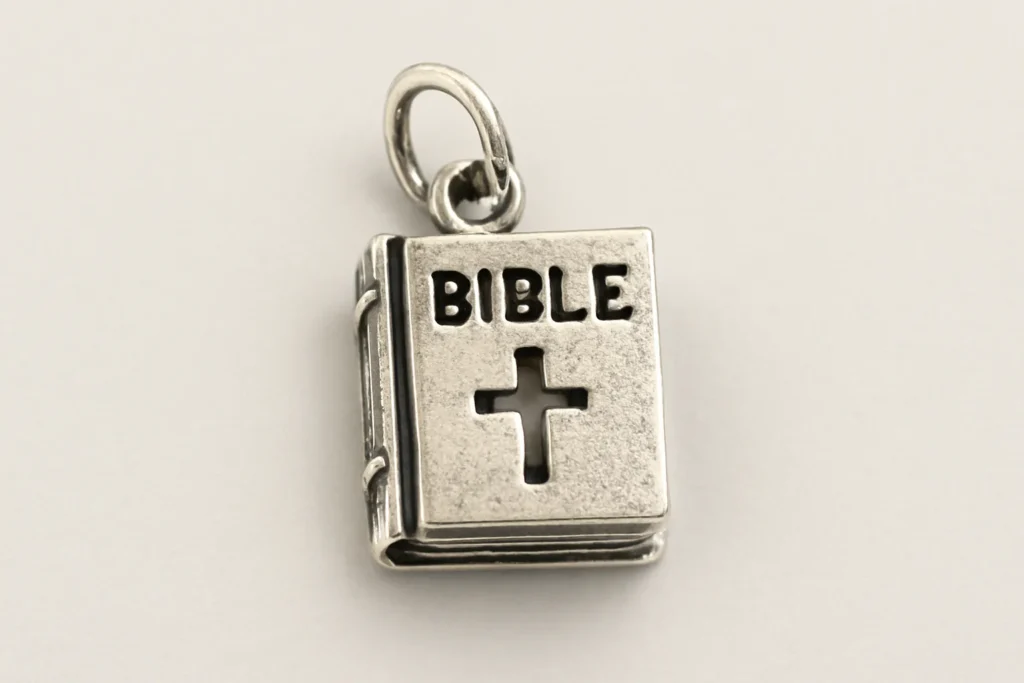
A Bible charm, sometimes called a scripture charm, a biblical talisman, or a holy‑word token, is a small object designed to keep a piece of sacred text close to the bearer’s life. In many traditions, this kind of spiritual token serves as a reminder of faith, a source of comfort during hardship, and a tangible way to carry the words that inspire guidance, courage, or peace. The basic idea behind the Bible verse charm is simple: select a meaningful passage, inscribe or imprint it on a compact form, and then carry, wear, or place the charm in a location that invites reflection and prayer.
The purpose of a verses-on-a-charms approach is not to replace communal worship, sacred study, or prayer but to augment personal devotion. In many contexts, the scripture-based charm functions as a private cue—the text becomes a mental doorway back to prayer, meditation, or moral resolve. For some, the charm embodies a personal covenant with God; for others, it is a reminder of virtue, gratitude, or hope. Regardless of the specific belief system, the common thread is that the Word of God is made accessible in everyday life through a portable, tangible form.
Definitions and Distinctions
To understand how a bible charm fits within religious practice, it helps to distinguish it from related ideas. Below are concise definitions that highlight their differences, while noting how they relate conceptually.
Bible charm or scripture charm: a small object carrying a short text, verse, or prayer selected for personal meaning and worn or carried for focus and encouragement.
Biblical talisman: a broader term that can imply a protective or luck-bringing power, depending on tradition; many practitioners prefer to emphasize spiritual companionship over superstition.
Amulet: historically, an object believed to guard a person from harm; in modern contexts, a Bible-inspired amulet may function more as a symbol of faith and inner strength than a magical shield.
Religious keepsake: a non-magical memento that preserves sacred text, often used in rituals or as a memory anchor rather than a portable device for daily spiritual practice.
The key distinction often lies in intent and mindset. A scripture charm is typically designed to foster contemplation and spiritual discipline, whereas some interpretations of an amulet historically emphasize protection or luck. Another important nuance is the difference between a holy-word token and a mere decorative item: the former is chosen for its devotional resonance and is treated with a sense of reverence and intention.
Forms of Bible Charm
The idea of a Bible charm is adaptable to many forms. Below are several prevalent manifestations, each with its own practical uses and aesthetic appeal. Across these forms, the central feature remains the presence of sacred text in a portable, personal format.
Bible Verse Charms
A Bible verse charm typically contains a short, carefully chosen passage—often one or two lines or a single verse. The text may be engraved on metal, printed on a small card, or woven into fabric. Common formats include:
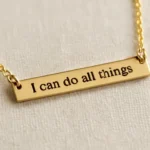
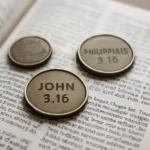
Small metal plates or pendants engraved with a verse such as Psalm 23:1–3 or Philippians 4:13.
Compact paper or laminated cards bearing a single verse or a few lines, designed as a pocket card.
Textured charms that include a short inscription on leather, wood, or stone.
The advantage of the verse charm is its compactness and durability. It can be attached to a chain, placed inside a pocket, tucked into a wallet, or carried in a prayer roll. The text itself functions as a focus for prayer or meditation, inviting daily reflection.
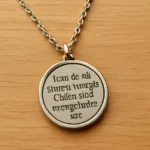
A scripture pendant often hangs from a necklace or chain and carries a slightly longer inscription, or features the verse carved around a symbol or along the edge of a small plate. Some pendants pair a verse with a symbolic motif—such as a dove, a cross, or a heart—to reinforce the meaning of the text.
Metal pendants with etched verses
Wooden or clay pendants inscribed with a single verse
Glass or resin charms that encase a verse card for protection and longevity
For many, a pendant of scripture becomes a personal badge of faith, something worn daily to invite grace, courage, or patience during work, travel, or trials.
Gifted Cards and Bookmarks
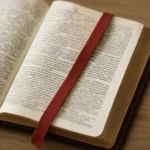
A practical form of the Bible charm is a scripture bookmark or a small card that can slide into a Bible or devotional book. A bookmark with a meaningful verse can function as a constant reminder as you move through scripture study or quiet time.
Flat cards with a single verse, laminated for durability
Bookmarks imprinted with two or three lines of text and a decorative border
Bookmarks that double as small keepsakes, perhaps with a tiny tassel or charm attachment
Bracelets, Beads, and Small Accessories
The Bible charm bracelet and bead charms bring sacred text into everyday wear. A string of beads may bear different verses on each bead, or a central bead may feature a full inscription. Bracelets can be designed for personal symbolism—closing with a final verse that serves as a guiding phrase.
Bead strands with engraved or printed verses
Stackable bracelets that carry alternating words of comfort and strength
Keychain charms that offer portability for keys and daily access to prayerful reflection
Historical Perspective
The idea of carrying sacred words or symbols on the person has a long and varied history, stretching across many cultures and eras. While modern bible charms are often created for personal devotion, earlier traditions reflect a broader spectrum of practice, from protective talismans to devotional artifacts.
In ancient and medieval times, people frequently used symbols and inscriptions as spiritual aids. While not all of these were strictly scriptural, many communities adopted talismanic practices that involved holy texts or religious symbols. Carved amulets, inscribed scrolls, and talismanic rings sometimes carried short invocations or prayers intended to safeguard travelers or bless households.
In Christian contexts, verses and prayers began appearing in portable forms such as scrolls tucked into garments, small metal plates carried in pouches, or pendants bearing short prayers. The intention behind these objects was often to serve as a visible reminder of faith and a source of comfort during uncertain times.
Renaissance and Early Modern Contexts
During the Renaissance and in early modern Europe, devotional objects gained new forms. The idea of a compact, portable text was harmonious with increasing literacy and private religious practice. verse-based tokens and pocket prayer cards became common among laypeople and religious communities alike.
The transition from purely ceremonial objects to personal, portable aids is a hallmark of the evolution toward personalized Bible charms. People began to customize these tokens with favorite verses, names, or dates that carried sentimental or spiritual significance.
Modern Use and Practices
In contemporary life, the practice of using a Bible charm blends personal devotion with craft, mindfulness, and a touch of symbolism. Modern practitioners may create their own scripture charms or purchase ready-made pieces from artisans who specialize in religious keepsakes. Whether worn as a necklace, tucked into a pocket, or placed on an altar, these tokens serve as a practical reminder of faith.
Identify the purpose: Do you seek courage, comfort, guidance, or gratitude? Pick a verse that aligns with that intention.
Choose the form: Decide whether you want a pendant, card, bookmark, or bracelet. The form should suit your daily routine and comfort level.
Decide on the text length: Short verses are easy to carry; longer passages may require a thicker pendant or a laminated card.
Consider materials and symbolism: Metals, wood, or fabric can carry symbolic resonance (for example, wood for grounding, metal for endurance).
Design the inscription: Transcribe the chosen text carefully. If engraving, ensure legibility; if printing, select a durable method.
Personalize with a symbol: Add a small motif (cross, dove, olive branch, heart) that complements the verse’s message.
Charge with intent: Spend a moment in prayer or quiet reflection to dedicate the charm to your purpose.
Care and use: Wear or carry the charm consistently, especially during challenging times or while seeking focus.
Personalization is a hallmark of the modern scripture charm. Some people blend a verse with a date (such as a baptism or recovery anniversary), a name, or a location that marks a spiritual milestone. Others pair a verse with a short prayer or blessing that resonates with their personal journey.
Personal vows inscribed alongside the verse
Dual-sided charms featuring different verses on each side
Combination pieces that incorporate a small crucifix, an emblem of faith, or a nature symbol
Care, Blessings, and Respect
As with any sacred object, care and reverence are central to the practice of using a bible charm. Maintenance varies by material but generally includes gentle cleaning and mindful handling. If you choose to engrave or laminate text, select durable methods to preserve readability over time.
Regular gentle cleaning to remove oils or dirt, depending on material
Avoiding harsh chemicals that might degrade the engraving or card
Storing the charm in a respectful place when not in use, such as a devotional space or a dedicated keepsake box
Revisiting the verse periodically to renew its meaning and connection to one’s life circumstances
Ethical and Cultural Considerations
The use of a bible charm intersects with personal belief, cultural context, and community norms. People from various traditions may view sacred texts and artifacts differently. When discussing or sharing about such tokens, it’s helpful to be respectful of diverse beliefs and avoid asserting universal claims about spiritual power. The value of a holy-word token is often best understood as the personal, lived experience of faith—an intimate practice rather than a universal guarantee.
For those who explore interfaith or ecumenical contexts, a verses charm can serve as a bridge for dialogue, because it emphasizes common themes such as courage, hope, mercy, and love found across many sacred scriptures.
Common Myths and Misconceptions
As with many devotional objects, several myths circulate about bible charms. Here are some commonly encountered ideas, along with clarifications grounded in thoughtful practice.
Myth: A Bible charm guarantees protection or material success. Reality: Most practitioners view the charm as a spiritual reminder and source of inner strength, not a magical shield or fortune magnet.
Myth: Any verse can be used for a charm without care. Reality: The meaning of the chosen verse matters; many people choose passages that truthfully reflect their needs and values.
Myth: Charms replace prayer, Bible study, or community worship. Reality: A charm is typically a complement to, not a substitute for, regular spiritual practices.
Myth: Only specific religious traditions allow scripture-based tokens. Reality: While the form and language may differ, many traditions honor the value of sacred words carried in daily life.
Frequently Asked Questions
What is the difference between a Bible charm and a prayer card?
The prayer card focuses on a particular prayer or prayer sequence, whereas a Bible charm centers on a verse or short text drawn from scripture. Cards are often designed for reading aloud or private recitation, while a charm is designed for daily carrying and silent reflection.
Can I create my own Bible charm at home?
Yes. Many people enjoy making personal scripture charms using simple materials like metal, wood, leather, or paper. The process may include choosing a verse, selecting a material, engraving or printing the text, and adding symbolic elements. Always approach this practice with reverence and care for the text you choose.
Is it appropriate to gift a Bible charm to someone who is not Christian?
Gift-giving should be considerate of the recipient’s beliefs. A scripture-based token can be a thoughtful gift if it respects their faith tradition and is offered with sensitivity and understanding.
How should I care for a Bible charm that includes ink or laminate?
Follow the material’s care instructions. Generally, keep it away from harsh chemicals and moisture, and handle with clean hands. For cards or laminated pieces, avoid bending and store flat when possible.
Practical Guidance for Using a Bible Charm in Daily Life
If you’re curious about incorporating a scripture charm into daily routines, consider these practical approaches. They emphasize mindfulness, personal meaning, and the alignment of the token with daily activities.
Morning ritual: Place the charm near your bedside or on a morning altar to greet the day with a verse that anchors your intentions.
Work or travel companion: Keep a compact verse card in your wallet or bag to recall a guiding text during busy or stressful hours.
Prayer and meditation: Use the verse on the charm as a focus for breath prayers or quiet contemplation, repeating phrases that resonate with you.
Affirmation and action: After reflecting on the verse, choose a concrete action—kindness, patience, courage—that aligns with the message and commit to it for the day.
Evening reflection: Revisit the verse before sleep to close the day with gratitude or repentance, depending on your practice.
Integration with Other Spiritual Practices
A bible charm is often most meaningful when integrated with broader spiritual practices. Some people combine their token with daily scripture reading, journaling, or communal worship. Others may pair the charm with acts of service, charity, or personal commitments that reflect the verse’s themes.
Link the chosen verse to a weekly devotional plan or study guide
Attach the charm to a prayer journal entry that records reflections, insights, and answered prayers
Use the charm as a visual cue during meditation or contemplation sessions
Share the verse with a friend or family member as a source of encouragement
Ethical Considerations in Storytelling and Education
When writing about or teaching others about bible charms, it’s wise to emphasize personal interpretation and responsibility. Encourage readers to consider the origin of the text, the cultural context, and the intended meaning behind a verse. Honest educational discussions might include:
Discussing how different communities view sacred text and the use of objects in devotion
Exploring how symbolism can support or distract from spiritual growth
Encouraging thoughtful, non-coercive sharing about personal experiences with faith-based tokens
Conclusion: The Value of a Bible Charm in Personal Devotion
A Bible charm or scripture token represents more than a decorative piece. It embodies a tangible relationship with sacred words and a personal commitment to live by their guidance. Whether you call it a biblical talisman, a holy-word token, or simply a bible charm, the essential idea remains the same: a small object that helps you remember, reflect, and refocus on faith amidst the complexities of life.







Leave a Reply