Introduction: Bible Jewelry as a Quiet Expression of Faith
Bible jewelry is more than decorative accessories; it is a portable reminder of faith, values, and spiritual identity. Whether worn daily or saved for special occasions, these pieces blend art, symbolism, and devotion. They can carry biblical themes in a tangible form—from a simple cross pendant that signals a public confession of faith to intricate verse charms that invite reflection on a chosen verse. For many people, scripture jewelry serves as a personal covenant, a way to carry the gospel into daily life, and a thoughtful gift that speaks to the heart.
In this article, you will discover the meaning behind various forms of bible jewelry, explore historical roots and symbolic motifs, learn how to choose pieces for different occasions, and find guidance on care, customization, and ethical considerations. The goal is to help you understand how these faith-based accessories can be meaningful without being overpowering, and how to select pieces that align with your beliefs and lifestyle.
Historical and cultural roots of scripture-inspired adornment
Jewelry has appeared in many cultures throughout history, and biblical and Christian contexts have a long association with symbolic adornment. In the ancient world, jewelry often served as a marker of status, protection, or spiritual protection. In biblical narratives, adornment sometimes carried symbolic weight—ranging from the breastplate of the high priest to seals and rings that indicated authority and covenant.
As Christian communities emerged, believers began using symbols that pointed to core beliefs—often with a level of discretion suitable for times of persecution or personal reflection. Over centuries, certain motifs gained universal recognition: the cross, the ichthys (fish), the dove, and other emblematic signs that could be worn as jewelry. The material choices—gold, silver, bronze, and increasingly diverse gemstones—also reflected evolving trade networks, craftsmanship, and the desire to express reverence in a visible, wearable form.
Today, Christian jewelry encompasses a broad spectrum—from classic, timeless pieces to modern interpretations that integrate scripture in new fonts and designs. The result is a living tradition: a way for people to carry their beliefs with elegance, authenticity, and personal meaning.
Ancient motifs and early symbols
In the earliest Christian communities, symbols were often used as discreet signs of faith. The ichthys (Greek for “fish”) became a rapid identifier for believers during periods of persecution. Its appearance on jewelry could be a quiet confession of faith. The dove has long symbolized the Holy Spirit and peace, while a small lamb can signify Jesus as the Lamb of God. Other motifs include stars representing divine guidance, keys symbolizing access to heaven, and vines or branches illustrating growth in faith.
Across history, artisans translated these symbols into wearable art. The adoption of scriptural phrases and blessings on pendants, rings, and bracelets allowed individuals to carry sacred texts close at hand. This blend of faith, craft, and culture laid the groundwork for the diverse forms of gospel jewelry we see today.
Common motifs and their meanings
The language of bible jewelry is symbolic rather than ornamental alone. Understanding the meanings behind popular motifs helps you choose pieces that truly resonate with your faith journey.
Cross and cruciform symbols
The cross remains the most recognizable symbol of Christianity, representing sacrifice, redemption, and the promise of eternal life. Cross-shaped pendants, bracelets with cross charms, or rings bearing a cross can serve as daily reminders of the central narrative of the gospel. Some designers incorporate the cross in abstract or geometric forms, offering a modern take that suits contemporary wardrobes while preserving meaning.
Ichthys and fish symbols
The ichthys (fish) motif evokes early Christian identity and the message of Jesus. Jewelry bearing the fish—whether as a pendant, pendant-accent, or charm—speaks of fellowship and faith in Christ’s message. It is often chosen by those who favor a subtler emblem that still carries a powerful reminder of biblical origins.
Dove, olive branch, and peace motifs
A dove or an olive branch can symbolize the Holy Spirit, peace, and reconciliation. Jewelry featuring a dove motif can be worn as a gentle sign of inner peace or as a symbol of spiritual renewal during times of change or challenge.
Verse inscriptions and scripture jewelry
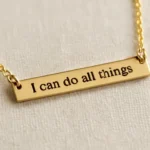
One of the most direct ways to express a biblical message is through verse jewelry—pieces engraved with a beloved Bible verse, a short blessing, or a personal promise. Verses on pendants, rings, or bracelets can become a source of inspiration and a talking point for sharing faith with others.
The symbolism of a lamb represents Christ’s sacrifice, while a crown can signify glory, victory in faith, or eternal reward. Redemptive themes—such as redemption through grace—are often expressed through jewelry that blends traditional iconography with contemporary design.
Materials, craftsmanship, and symbolism in Bible jewelry
The physical form of bible jewelry matters as much as the symbolic meaning. Choices about materials, stone symbolism, and craftsmanship influence not only aesthetics but also durability and suitability for different settings.
Metals and finishes
Common metals include gold, silver, and bronze, each carrying its own tone and legacy. Gold is often associated with value, glory, and divine light; silver can symbolize purity and clarity; bronze offers a vintage or rustic appeal. Some pieces pair metals in mixed settings to highlight contrasts or to honor specific biblical themes (for example, two-tone designs that evoke covenant imagery or the interplay of old and new).
Gemstones and ornamentation
Gemstones are frequently chosen for their symbolic meanings and historical associations. For instance, amethyst is linked to spiritual healing and discernment, emerald to renewal and growth, and pearl to purity and grace. Gemstone accents can enhance a piece’s message without overwhelming the design.
Engraving and personalization
Many wearers appreciate the ability to customize scripture jewelry. Engraving a favorite verse, a name, or a date can transform a ready-made piece into a personal, heirloom-quality item. Engravings may appear on a pendant back, inside a ring band, or along the edge of a bracelet—always chosen with care to ensure legibility and durability.
Verse jewelry: carrying scripture close to the heart
The practice of wearing a verse pendant or scripture bracelet is a way to anchor daily life in spiritual memory. When you choose a particular verse, you select a line that speaks to your journey—a phrase that can offer courage, gratitude, or direction during a difficult season.
Many believers select verses about courage (for example, Joshua 1:9 or Psalm 27:14), verses about love (1 Corinthians 13), or promises of God (Jeremiah 29:11). The form of the piece matters: a delicate verse necklace might be worn to workplaces and social settings, while a bolder, statement banner pendant can be reserved for Sunday worship or special events.
Choosing the right verse jewelry for personal meaning
Personal resonance: Choose a verse that has shaped your faith journey or a promise you hold dear.
Context and readability: Consider whether you prefer a short, easily readable line or a longer inscription.
Durability and wearability: If you plan to wear the piece daily, select materials and finishes that resist tarnish and look good with a wide range of outfits.
Visibility and discretion: Some verses are subtle and intimate, while others invite conversation. Decide if you want your jewelry to be a quiet symbol or a conversation starter.
Choosing Bible jewelry for different occasions
The context in which you wear bible jewelry can guide your selection. There are pieces designed for daily wear, as well as designs tailored for worship services, landmark life events, or gifts that mark milestones.
Everyday faith wear
For daily wear, you might prefer subtle scripture jewelry—a small cross pendant, a delicate verse bracelet, or a ring with a short inscription. These pieces blend with casual and professional attire while still serving as a personal reminder of faith.
Worship and church settings
In a church context, some prefer more refined or coordinated pieces that complement formal attire. A well-crafted cross necklace or a silversmith crafted dove pendant can convey reverence without overwhelming the overall look. For those who wear clergy collars or liturgical vestments, simpler line work and understated details can be most appropriate.
Gifts for sacraments and milestones
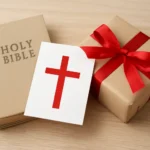
Bible-inspired gifts are popular for baptisms, confirmations, weddings, and anniversaries. Verse rings engraved with a meaningful passage or a prayer bead bracelet can become cherished keepsakes. When giving such a gift, consider the recipient’s taste, lifestyle, and the occasion’s significance, as these pieces often gain a lifetime of sentimental value.
Forms of Bible jewelry: types and variations
There is a broad array of shapes, sizes, and styles within the umbrella of scripture jewelry. Here are common categories you may encounter.
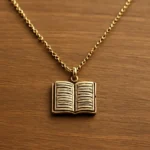
The necklace is perhaps the most versatile form of biblical adornment. A cross necklace remains a staple, while verse pendants offer a direct scriptural message. Some designs incorporate scripture into the engraving along the back or side of the pendant for a discreet reveal. Modern designers also experiment with abstract biblical motifs that are interpretive yet meaningful.
A bracelet with scripture charms can be layered with other bracelets or worn alone. Charms may include crosses, doves, fish, or small scripture references. Adjustable link bracelets or beaded designs allow for a comfortable fit and a sense of personal symbolism with every movement.
Rings and signet styles
Rings with inscriptions or engraved signs offer a compact and intimate way to carry a verse or blessing. Signet rings, in particular, have a long history and can be personalized with initials alongside a short verse or symbol. Comfort fit bands are popular for daily wear, while more ornate rings may be reserved for special occasions.
Earrings and small motifs
For those who prefer subtle statements, scripture earrings—whether small crosses, fish motifs, or tiny engraved letters—provide a light touch of faith-adornment. These are often chosen for professional settings or for those who enjoy minimalistic designs.
Rosaries, beads, and devotional sets
In Catholic and certain Christian traditions, rosaries or devotional beads may be worn or carried as jewelry. While primarily used for prayer, the beads themselves can be aesthetically beautiful, and the centerpiece often carries a symbolic image or scripture. For non-Catholic believers, bead bracelets or necklaces with devotional banners can serve a similar devotional function without the full rosary structure.
Care and maintenance of Bible jewelry
To keep bible jewelry looking its best and preserving its meaning for years, proper care is essential. Cleanliness, storage, and mindful wearing habits all contribute to longevity and beauty.
Metal pieces may tarnish or dull over time. For silver jewelry, use a soft polishing cloth and mild silver cleaner, following labeled instructions. Gold pieces can usually be cleaned with warm water and a gentle soap, then dried thoroughly. Be mindful of treatments such as plating; some pieces may wear or peel if exposed to harsh cleaners or abrasive materials. If your piece features delicate engravings or inlays, consider professional cleaning periodically.
Storage and handling
Store jewelry in a cool, dry place, ideally in a lined box or pouch to prevent scratches and tangling. Separate pieces to avoid metal-on-metal contact that can cause wear. Protect engraved verses from rubbing against other metals, which can fade inscriptions over time.
Wear considerations
When wearing bible jewelry during activities such as swimming, sweating, or heavy work, consider how the environment may affect the piece. Water, chlorine, and salt can affect certain metals and finishes. Removing jewelry during activities that might subject it to impact or moisture can help preserve its appearance and legibility of inscriptions.
Ethics, authenticity, and community considerations
Jewelry that carries religious meaning can connect deeply with individuals and communities. When shopping for bible jewelry, consider ethical sourcing, authenticity, and cultural sensitivity.
Ethical sourcing and responsible craftsmanship
Look for pieces made with responsibly sourced metals and stones. Transparent brands often provide information about suppliers, labor practices, and environmental impact. Supporting craftspeople and small studios can align with values of stewardship and care for creation.
Respect for diverse expressions of faith
The spectrum of Christian belief spans many traditions and cultural expressions. Bible jewelry should be inclusive in its appeal and respectful of different practices—whether a necklace with a cross, a bracelet engraved with a verse, or a bead set used in contemplative prayer. When gifting, consider the recipient’s denomination, preferences, and comfort with public display.
How to create a meaningful piece: customization and blessing
Customization allows you to make a piece truly yours. A custom design can incorporate a favorite verse, a meaningful date, or a symbol that holds special significance. Working with a jeweler to choose materials, fonts, and layout helps ensure the final piece speaks to your faith journey.
Some people choose to have their bible jewelry blessed by a church leader or prayed over before presenting or wearing it as a personal dedication. A blessing can add a layer of intention and spiritual significance, turning a beautiful object into a memory or milestone marker.
Define your message: Decide which verse, word, or symbolism you want to convey.
Choose the motif: Cross, dove, fish, or a custom emblem that resonates with you.
Select materials: Metal, finish, and stones that align with your preferences and budget.
Discuss font and placement: If inscribing text, select a font that balances readability with aesthetic appeal.
Agree on size and weight: Ensure the piece will be comfortable for daily wear or for the intended occasion.
Review a prototype: A mock-up or small sample can help confirm the design before production.
Practical guidance for collectors and new seekers
For those starting a collection of bible jewelry, a balanced approach helps avoid redundancy and ensures spiritual richness. Here are practical guidelines to consider as you build your set.
Purpose first: Clarify why you want a piece—personal devotion, gifting, or a public affirmation of faith.
Versatility: Choose pieces that fit your lifestyle and wardrobe. Start with versatile designs like a simple cross pendant or a short verse bracelet that can pair with most outfits.
Story behind the piece: Seek jewelry that has a story—whether it is inspired by a particular verse, a biblical event, or a tradition that matters to you.
Quality and care: Invest in quality pieces that will endure daily wear and hold their meaning over time.
Creative trends and contemporary expressions
The market for bible jewelry continues to evolve with designers who blend faith with fashion. Contemporary interpretations include minimalistic crosses in geometric shapes, verse engravings in modern typography, and symbolic combinations that weave multiple motifs into one piece. Some designers explore interfaith-friendly symbolism—noting that the desire for beauty and meaning can transcend boundaries while still honoring lived beliefs.
If you enjoy storytelling through design, you might gravitate toward custom verse pendants that feature a few lines from your favorite passage in a decorative font, accompanied by a small symbol like a seed of life or a Celtic knot to signify growth and eternity. For those who appreciate heirloom quality, handcrafted pieces with vintage patina or artisanal textures can evoke a sense of tradition and continuity with past generations of faith.
Cultural sensitivity and inclusivity
Bible jewelry appears in a wide array of Christian traditions and denominational expressions. Practitioners and observers alike appreciate jewelry that is respectful of diverse practices, such as differences between Protestant, Catholic, Orthodox, and evangelical expressions. When selecting or gifting scripture-themed pieces, consider whether the symbolism aligns with the recipient’s tradition and taste. The goal is to honor beliefs without assuming a single uniform experience of faith.
Bible jewelry offers a tangible way to carry spiritual memory, hope, and guidance into everyday life. Whether you choose a classic cross pendant, a subtle verse bracelet, or an heirloom-quality ring engraved with a favorite verse, the purpose remains the same: to express your faith, to remind you of the promises within Scripture, and to invite others into moments of reflection.
The most meaningful pieces are not simply beautiful objects but faith expressions that align with your beliefs, your values, and your daily rhythm. By considering the historical roots, symbolic meanings, craftsmanship, and personal resonance of each piece, you can build a thoughtful collection of bible jewelry that speaks honestly and beautifully to who you are—and who you aspire to become in your journey of faith.
In choosing or creating Bible-inspired adornments, remember that the beauty of these pieces lies not only in their design but in the purpose they serve: to elevate moments of prayer, to celebrate God’s promises, and to remind you daily of your identity in Christ. May your journey with sacred jewelry be rich with meaning, intentionality, and grace.






Leave a Reply