Beast of Revelation — Biblical Significance and End Times Prophecy
Beast of Revelation — Biblical Significance and End Times Prophecy
Bible Dictionary · escatología
Beast of Revelation — Biblical Significance and End Times Prophecy
escatología Beast of Revelation
The Beast of Revelation is a symbolic figure described in the final book of the Bible, representing a powerful and malevolent force opposing God's kingdom. It is associated with the Antichrist and embodies evil, deception, and persecution of saints during the End Times. The Beast is depicted as receiving authority from Satan and executing God's judgment in a corrupted world. Its appearance signals a period of tribulation and the ultimate confrontation between good and evil before Christ's return.
The term 'Beast' originates from the Greek word 'Thēríon,' derived from 'ther,' meaning 'wild animal.' In biblical Greek, it conveys a sense of a fierce, untamed creature symbolizing chaos and evil. Over time, the term evolved to represent not just literal animals but also symbolic figures of destruction and opposition in apocalyptic literature, especially in Revelation, emphasizing its role as a symbol of malevolent authority.
Key Bible Verses
Revelation 13:1
The Beast rises from the sea, having seven heads and ten horns, symbolizing power and authority in opposition to God's kingdom.
This verse introduces the Beast as a central figure in apocalyptic prophecy, highlighting its intimidating and complex symbolism.
Revelation 13:4
People worship the Beast because it was granted authority by Satan, and they are amazed by its power.
This verse underscores the Beast’s role in deceiving and drawing worship away from God, emphasizing its blasphemous nature.
Revelation 13:18
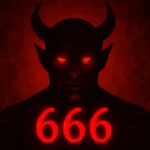
The number 666 is associated with the Beast, signifying imperfection and evil, inviting discernment and warning.
This verse highlights the prophetic marker of the Beast and its connection to deception and idolatry in the end times.
Theological Significance
Theologically, the Beast of Revelation symbolizes the ultimate manifestation of evil and rebellious power against God. Its roots can be traced to Old Testament imagery of those who oppose divine authority, such as Nebuchadnezzar or Pharaoh, representing worldly political and spiritual opposition. In the New Testament, especially through the figure of the Antichrist, it signifies the influence of Satan's final attempt to deceive and deceive humanity before Christ’s Second Coming. The Beast's presence in Revelation underscores the ongoing spiritual battle between good and evil, highlighting God's sovereignty and the assurance of Christ’s victory over evil in salvation history.
Across Christian Traditions
Catholic tradition interprets the Beast of Revelation as both a political power and a symbol of evil that influences worldly kingdoms, emphasizing its connection to the Antichrist. Protestant views often see the Beast as a representation of ongoing spiritual and political opposition, with some emphasizing its future fulfillment in the person of the Antichrist. Orthodox theology tends to view it as a symbol of chaotic evil and institutional corruption, aligning with their eschatological perspectives. Evangelicals generally interpret the Beast more literally as a future antichrist figure who will deceive many during the end times, emphasizing imminent fulfillment of prophecy.
Application in Christian Life
Christians are called to remain vigilant against deception and moral compromise, recognizing the influence of evil in society. In daily life, believers can strengthen their faith through prayer, biblical discernment, and fellowship to resist spiritual deception associated with the Beast’s symbolism. It reminds Christians to prioritize worship of Christ alone and to stay steadfast in their faith amid trials and persecution. Practical application includes promoting justice, truth, and righteousness in personal and community life, standing firm against spiritual and worldly corruptions.
The number 666, associated with the Beast, has been linked historically to imperfection and evil, with many believing it encodes a reference to specific historical figures or symbolic numbers. Interestingly, early manuscripts vary, and some scholars suggest the number might have multiple layers of meaning, reflecting the complexity of biblical symbolism and linguistic codes used by ancient writers.
Frequently Asked Questions
What does the Beast of Revelation represent?
It symbolizes evil, deception, and opposition to God's kingdom, often representing the Antichrist and forces of chaos in the end times (Revelation 13).
Is the Beast a literal creature or a symbol?
Most scholars agree it is a symbolic figure representing corrupt political and spiritual powers, not a literal animal (Revelation 13).
How can believers identify the Beast?
The Bible warns to discern false teachings and deceptive figures aligned with evil, especially during prophetic end-times scenarios, with scriptures like 1 John 4:3 providing guidance.