Second Coming of Christ — Biblical Meaning and Significance
Second Coming of Christ — Biblical Meaning and Significance
Bible Dictionary · escatología
Second Coming of Christ — Biblical Meaning and Significance
escatología Second Coming of Christ
The Second Coming of Christ refers to the future event when Jesus Christ will return to Earth in glory and power as foretold in the New Testament. It is a central eschatological doctrine signifying the fulfillment of God's promises for judgment, salvation, and the establishment of God's eternal kingdom. This event is anticipated by Christians as the ultimate hope and culmination of history. Biblical passages describe it as visible, personal, and glorious, marking the end of age and beginning of eternal life for believers.
The term originates from the Greek word 'Parousia,' meaning 'presence' or 'arrival,' especially in the context of a king’s visit. The Greek 'Parousia' was used in ancient texts to denote the coming of a ruler, which the early Christians adapted to refer to Christ’s anticipated return. Over centuries, 'Second Coming' has come to specifically signify Christ’s return in the theological tradition, emphasizing the event as a culmination of prophetic expectation rooted in both Old and New Testament scriptures.
Key Bible Verses
Matthew 24:30
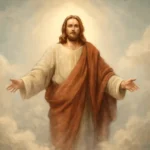
Jesus describes His return as a visible sign, seen by all, with Him coming in the clouds to gather His people.
This verse highlights the physical and observable nature of Christ’s return, emphasizing its universal recognition and divine power.
Acts 1:11
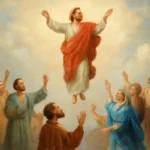
The angels assure the apostles that Jesus will come back in the same way He ascended into heaven.
This verse reinforces the certainty and literalness of Christ’s return, linking it to His ascension and emphasizing its promised, future reality.
Revelation 22:12
Jesus declares He is coming soon, bringing His reward with Him to give to everyone according to their deeds.
This verse underscores the imminence and justice involved in the Second Coming, integral to Christian hope and accountability.
Theological Significance
Theologically, the Second Coming of Christ is the climax of God's redemptive plan, fulfilling Old Testament prophecies and Jesus’ own promises in the New Testament. It signifies the fulfillment of divine justice, the resurrection of the dead, and the establishment of God's eternal kingdom. Throughout Scripture, it connects to themes of judgment, hope, and the ultimate victory over evil. Early Christian writings emphasized its importance as a core element of salvation history, encouraging believers to remain faithful in anticipation of Christ’s return. It represents both a source of comfort for believers and a sober call to moral readiness.
Across Christian Traditions
Catholic doctrine teaches the Second Coming as a defined future event that will involve the final judgment, with an emphasis on the resurrection of the dead. Protestant traditions generally affirm its literal occurrence, often highlighting the rapture and subsequent events, with some variations in interpretation. Eastern Orthodoxy also affirms the future return of Christ as part of the culmination of divine plan, emphasizing the continuity with the Pentecostal experience. Evangelicals often stress the immediacy and personal significance of Christ’s return, promoting readiness and active expectation. Despite differences, all traditions regard it as a fundamental doctrine central to Christian hope and eschatology.
Application in Christian Life
Christians are encouraged to live in constant readiness and moral vigilance, knowing that Christ’s return could happen at any moment. Practical application includes sharing the gospel, practicing love and justice, and maintaining faithfulness in daily life. It also inspires hope during trials, reminding believers that God's kingdom is assured and justice will prevail. Personal reflections might involve prayerful expectation, living ethically, and fostering a sense of urgency to spread hope and righteousness.
The term 'Parousia' was originally used in ancient Greece to describe the official visit of a ruler, which early Christians adopted to describe Christ’s anticipated return. Archeologists have found references to 'Parousia' in classical texts dating back to the 4th century BC, illustrating its long-standing connotations of arrival and presence across cultures.
Frequently Asked Questions
What is the biblical basis for the Second Coming of Christ?
Scriptures like Matthew 24:30-31 and Acts 1:11 clearly affirm Jesus’ promise to return visibly and personally, fulfilling Old Testament prophecies (cf. Daniel 7:13-14).
Will the Second Coming involve a transformation of the earth?
Yes, Revelation 21:1 describes a new heaven and new earth, indicating a radical transformation as part of Christ’s return.
Is the Second Coming imminent?
Many Christians believe it could happen at any moment (1 Thessalonians 5:2), urging believers to live prepared and vigilant.