Introduction: Exploring the Idea of Jesus Coming Bible Verse
The phrase “Jesus Coming Bible Verse” is commonly used to describe passages in the New Testament that anticipate Christ’s return, often called the Second Coming or the Parousia. Across Christian traditions, these verses are not just about future events; they are invitations to live with hope, readiness, and trust in God’s plan. While the exact wording may vary from one translation to another, the underlying message remains strikingly consistent: Jesus will return, glory will fill the skies, and God’s people will be gathered, judged, and renewed. This article surveys the meaning, significance, and locations of these verses, and it offers guidance on how to read them in their biblical and historical contexts.
In discussing the coming of Jesus, teachers and readers often speak about several associated terms that widen the semantic breadth of the topic. You may encounter phrases like the coming of the Lord, the advent of Christ, the appearing of Jesus, and the Day of the Lord. Each of these expressions highlights a different shade of the same fundamental belief: Jesus is not merely a historical figure; he is a living, returning Messiah who will bring culmination to God’s redemptive work. The goal of this article is to help you recognize these variations, understand what they mean for faith and practice, and locate them accurately within the scriptural record.
The Core Idea: Why the Coming of Jesus Is a Central Biblical Theme
At its core, the New Testament presents the coming of Jesus as both a future event and a present reality: believers live in the light of a promised fulfillment while seeking to honor Christ in daily life. This double dimension—future expectation and present observance—defines what many scholars call eschatology, the study of last things. The biblical writers insist that the return of Jesus will reveal God’s purposes in history, vindicate the righteous, defeat evil, and establish a new creation where God dwells with humanity.
Key ideas to carry into your reading
Watchfulness and readiness: many passages urge believers to stay awake and prepared because the exact time is known only to God.
Hope in the face of trial: the promise of Jesus’s return dignifies suffering and sustains faith through hardship.
Judgment and renewal: the coming of Christ includes both accountability for sin and the establishment of justice and peace.
Glory and kingship: the second appearing is described with language of triumph and authority.
Key Passages About Jesus’s Coming: Where to Find It in the Bible
Across the four Gospels, the Epistles, and the prophetic book of Revelation, you can find multiple witnesses to the theme of Jesus’s return. Below is a curated set of passages commonly cited in discussions about the Second Coming and related expectations. This section uses the phrase “Jesus coming Bible verse” as a reference point for the verses that explicitly discuss his return, as well as verses that frame the coming in a broader eschatological narrative.
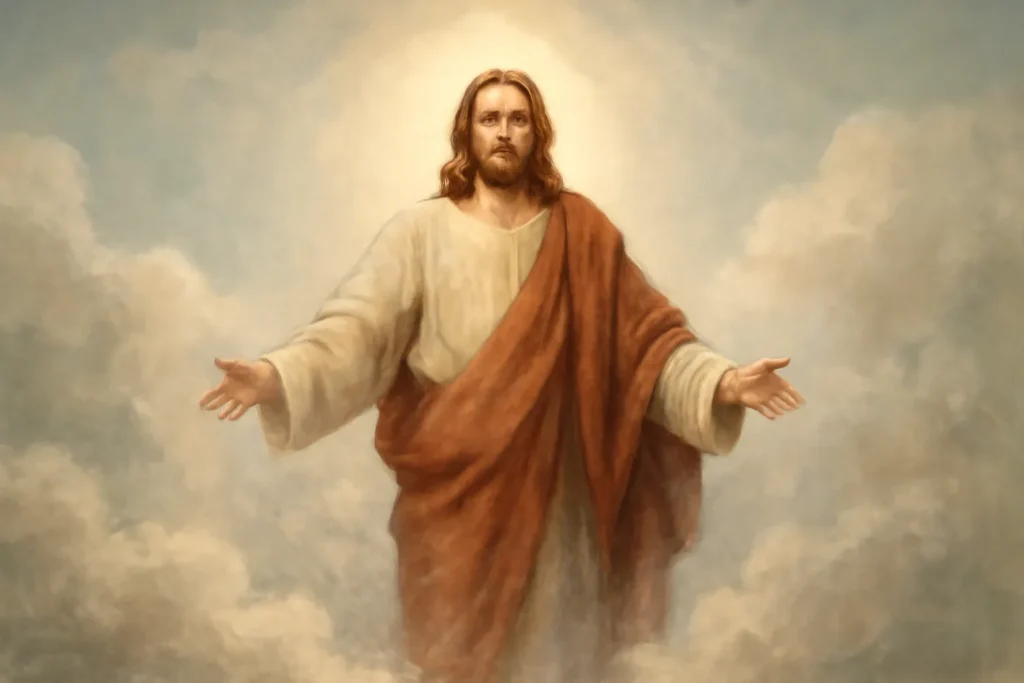
Matthew 24:30-31 — In this Gospel, Jesus speaks about signs of the end and his coming in glory: “And then shall appear the sign of the Son of man in heaven: and then shall all the tribes of the earth mourn, and they shall see the Son of man coming in the clouds of heaven with power and great glory.” The language here emphasizes visibility, cosmic drama, and the gathering of God’s people by angels.
Mark 13:26-27 — A parallel account to Matthew’s eschatological discourse, highlighting the visible appearance of the Son of Man and the gathering of the elect from all corners of the earth.
Luke 21:25-28 — Luke frames the event in terms of signs in the heavens, human distress, and the exhortation to “look up” when these things begin to occur, because redemption is drawing near.
Acts 1:11 — After the Ascension, angels assure the disciples: “This same Jesus, which is taken up from you into heaven, shall so come in like manner as ye have seen him go into heaven.” This sets a pattern for the coming in a recognizable, bodily form.
1 Thessalonians 4:16-17 — A cornerstone text for the classic sense of the coming of the Lord: “For the Lord himself shall descend from heaven with a shout, with the voice of the archangel, and with the trump of God: and the dead in Christ shall rise first: Then we which are alive and remain shall be caught up together with them in the clouds, to meet the Lord in the air: and so shall we ever be with the Lord.”
2 Thessalonians 2:1-3 — Paul speaks of the coming of our Lord Jesus Christ and our gathering to him, addressing misunderstandings about timing and the need for steadfast faith.
1 Corinthians 15:51-52 — A transformational motif: “Behold, I shew you a mystery; We shall not all sleep, but we shall all be changed, in a moment, in the twinkling of an eye, at the last trump.” This passage connects the return with the resurrection and transformation of believers.
2 Peter 3:10-13 — The Day of the Lord will come like a thief in the night, calling readers to live holy and godly lives in light of the coming fulfillment of God’s promises.
Revelation 19:11-16 — A vivid visionary portrayal of Christ’s return as a victorious rider who conquers and rules with justice, a scene that anchors Christian anticipation in cosmic triumph.
Matthew 25:31-46 (the Parable of the Sheep and the Nations) — Although not a single verse about the moment of coming, this passage presents the eschatological judgment that accompanies Christ’s return.
Variations in Wording: How Different Terms Shape the Concept
Across biblical translations, readers may encounter several distinct phrases that describe Jesus’s return. Each term carries its own nuance, and together they offer a fuller picture of the event. Understanding these variations can deepen the way you interpret the scriptures and apply them to life today.
Second Coming — A common Christian label that emphasizes a future, climactic arrival and the completion of God’s redemptive plan.
Parousia — A classical term borrowed from Greek that means presence or arrival with emphasis on the dignified, public appearance of a king or important person.
Coming of the Lord — A broad phrase used to highlight the Lord’s appearance in judgment, glory, and salvation.
Advent of Christ — Focuses on the anticipated approach and the dawning of God’s kingdom through Jesus.
Appearing of Jesus — A slightly more intimate phrasing that stresses the visible manifestation of Christ to creation and to his people.
Day of the Lord — A broader eschatological term that includes judgment, renewal, and the reign of God at the end of history.
These labels are not merely theological jargon; they reflect different biblical emphases, such as immediacy, cosmic scale, moral accountability, or the fulfillment of promises. For readers, recognizing these variations helps connect verses found in the Gospels, the Epistles, and Revelation into a coherent whole rather than treating them as isolated statements.
What the Coming of Jesus Means: Theological and Practical Significance
To grasp the meaning of the coming of Jesus, it helps to separate two interrelated questions: What will happen? and How should people live now? The biblical witness addresses both questions in different genres—narrative, teaching, exhortation, prophecy, and poetry. Here are several dimensions that scholars and readers often highlight.
Theological significance
Vindication of the righteous: The coming of Christ will reveal the truth of God’s faithfulness and bring justice to light.
Final defeat of evil: Christ’s return marks the decisive triumph over sin, death, and the powers of darkness.
Creation renewal: The coming signals the dawn of the new creation, where God dwells with his people in peace and holiness.
Ethical and spiritual significance
Watchfulness and readiness: Believers are called to live with a disciplined faith, doing justice, loving mercy, and walking humbly with God.
Hope amid hardship: The promise of Christ’s return sustains endurance in persecution, illness, and loss.
Mission and witness: The expectation of Christ’s return motivates mission, evangelism, and faithful stewardship of time and gifts.
Historical Context: How the Early Church Read the Coming of Christ
In the New Testament era, early Christians lived with a palpable sense that God was acting decisively in Jesus and that the full consummation would come with his return. The writings address misunderstandings about timing, they encourage ethical living in light of anticipation, and they interpret events—persecution, suffering, and the spread of the gospel—within the framework of an imminent yet undisclosed hour. Different communities interpreted waiting and watchfulness in ways appropriate to their circumstances, but all shared a common hope: the coming of Christ would validate God’s promises and inaugurate a new era of peace, justice, and divine presence.
Practical Guidance for Reading and Studying the Coming of Christ
To read these passages with clarity and humility, consider a few practical tips that can enrich study and worship. Reading methodology matters as much as the content itself, especially for topics that involve mystery and future events.
Context matters: Read surrounding passages to grasp whether a text speaks of immediate events, a future eschatological moment, or a present spiritual reality.
Compare translations: Different Bible versions—such as the King James Version, the New International Version, and contemporary translations—offer varied wording that can illuminate nuance.
Note the genres: Narrative gospel accounts describe events; epistles interpret them; apocalyptic literature (like Revelation) communicates through symbols and visions.
Track the keywords: Focus on terms like coming, appearance, parousia, redemption, and gathering to identify central themes.
Balance expectation with exhortation: The texts invite both awe at God’s plan and ethical action in daily life.
Where to Find the Verses: A Simple Guide to the Biblical Locations
If you want to study the “Jesus coming Bible verse” in a systematic way, here is a practical map to the most influential passages that speak explicitly or implicitly about his return. The list below shows the book and chapter references so you can locate the texts quickly in your Bible or digital study tool.
Note that the exact phrasing “Jesus is coming” is not always found in every translation, but the central idea—Jesus’s return in glory and judgment—is consistently represented across these locations. A helpful approach is to read a few of these passages side by side to observe how each author emphasizes different aspects of the coming, such as cosmic signs, heavenly gathering, or moral exhortation.
Common Questions About the Coming of Christ
Readers often have questions about timing, sequence, and implications of the Jesus coming Bible verses. Below are concise answers to some frequently asked questions, framed to be faithful to the biblical narrative while accessible for readers new to the topic.
When will Jesus return? — The Bible presents the timing as known only to God. Believers are urged to be ready at all times, living in faithful anticipation rather than attempting to designate a specific date.
What will happen at his return? — Common themes include the resurrection of the dead, the transformation of the living, the final judgment, and the establishment of God's eternal kingdom.
Is there a single end-time sequence or multiple events? — Different biblical strands describe a sequence of signs, the return of Christ, the judgment, and the creation of new heaven and new earth. While some parts emphasize immediate events and others emphasize long-range fulfillment, most Christians recognize these as parts of a unified eschatological narrative.
How should this belief affect daily life? — The coming of Christ is often seen as a moral and spiritual impetus: live with integrity, maintain hope amid turmoil, and prioritize love, mercy, and justice in the present age.
How to Read and Apply the Coming Teachings in Everyday Faith
Reading the “Jesus coming Bible verse” material is not primarily about predicting the future. It is about shaping character, worship, and mission. Here are some practical applications that can emerge from engaging with these passages in a thoughtful way.
Worship with expectancy: Allow the hope of Christ’s return to fuel regular worship that centers on God’s sovereignty and grace.
Hope in suffering: Let the promise of redemption sustain you during trials, reminding you that God’s plan is bigger than present pain.
Ethical living: Use the call to readiness as motivation to live justly, show mercy, and pursue peace in your community.
Vivid expectancy: Engage with apocalyptic imagery in a way that increases trust in God, rather than sensationalism, recognizing its use as spiritual pedagogy.
Intergenerational faith: Teach younger generations about hope in a way that is honest about mystery and focused on God’s faithfulness.
Common Misunderstandings and Clarifications
As with any major biblical theme, there are misunderstandings that deserve careful attention. Here are a few of the more common ones, along with respectful clarifications drawn from biblical study and traditional Christian teaching.
Misunderstanding: The return will happen exactly as modern headlines predict. Clarification: The Bible speaks about signs and readiness, not a precise timetable; many passages emphasize watchfulness and faithfulness more than date-setting.
Misunderstanding: The coming of Christ is primarily about fear or panic. Clarification: While judgment is part of the eschatological picture, the dominant biblical tone is one of hope, vindication, and the renewal of creation for those who trust in God.
Misunderstanding: Only a few select people will “get it right.” Clarification: Scripture invites all believers to heed the message, live in wisdom, and participate in God’s mission, not to claim exclusive knowledge.
Conclusion: Embracing the Message of Jesus’s Coming
The topic often labeled as the Jesus coming Bible verse is, at its heart, a story of hope anchored in history and fulfilled in God’s future. Across the Gospels, the Letters, and the Revelation, the coming of Christ is described with a breadth of imagery—clouds and trumpets, gathering from the winds, the defeat of evil, and the dawning of a new creation. Whether you read these passages as predictive prophecy, theological reflection, or pastoral exhortation, they invite you to align your life with the values of God’s kingdom: faith, hope, and love.
If you are new to this topic, consider starting with a focused study of a few representative passages in parallel. For example, juxtapose Matthew 24:30-31 with 1 Thessalonians 4:16-17 and Revelation 19:11-16 to see how the same event is described with different emphases. For seasoned readers, tracing the concept through 1 Corinthians 15, 2 Thessalonians, and 2 Peter can deepen understanding of the sequence and its ethical implications. Above all, allow the text to shape your daily life: watchfulness, hope, and love—the enduring marks of a faith that remains steadfast as it awaits the coming of Jesus.








Leave a Reply