Rapture — Biblical Meaning and Definition of the Christian Event
escatología Rapture
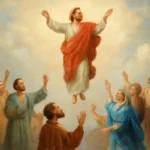
The Rapture is a future event in Christian eschatology where believers in Christ will be suddenly caught up from the earth to meet Jesus in the air. It is rooted in Scripture passages that describe the swift and divine nature of this gathering, often associated with Christ's second coming. The event symbolizes the divine rescue of the faithful from God's judgment and the final establishment of God's kingdom. The concept emphasizes hope and readiness for Christ’s return, impacting Christian theology and life practices.
The term 'Rapture' comes from the Latin word 'raptus,' meaning 'caught up' or 'taken away.' It is derived from the Greek word 'harpazo,' found in 1 Thessalonians 4:17, which also means 'to seize' or 'to snatch away.' Over time, this term has been used in English to specifically denote the sudden, divine event of believers being transported to meet Christ, highlighting the element of divine intervention andunexpectedness in biblical prophecy.
Key Bible Verses
1 Thessalonians 4:16-17
For the Lord himself will descend from heaven, and there will be a loud command, the voice of the archangel, and the trumpet call of God. The dead in Christ will rise first; then we who are still alive and are left will be caught up together with them in the clouds to meet the Lord in the air.
This passage explicitly describes the Rapture as the moment believers will be caught up to meet Christ, making it foundational for understanding the event's biblical basis.
1 Corinthians 15:52
In a flash, at the last trumpet, for the trumpet will sound, the dead will be raised imperishable, and we will be changed.
Highlights the transformation and suddenness of believers' change during the Rapture, emphasizing its connection to the last trumpet and resurrection.
John 14:2-3
My Father’s house has many rooms; if it were not so, I would have told you. I am going there to prepare a place for you. And if I go and prepare a place for you, I will come back and take you to be with me.
Although not explicitly about the Rapture, this verse reflects Christ's promise to return and gather believers, underlying the hope of that event.
Theological Significance
Theologically, the Rapture signifies God's plan of salvation culminating in Christ’s return to establish His eternal kingdom. In the Old Testament, concepts of divine deliverance foreshadow the event, such as God's rescue of Noah or Lot. The New Testament develops this idea with explicit references to believers being caught up to meet Christ in the air. The event underscores God's sovereignty and the hope of eternal life, serving as a pivotal moment in salvation history that motivates moral readiness and faithfulness among Christians. It also connects with themes of judgment, resurrection, and the ultimate victory of Christ over evil.
Across Christian Traditions
Catholic teaching generally does not emphasize a separate Rapture event but views it as part of Christ’s Second Coming, integrated with the Final Judgment. Protestant dispensationalists strongly promote a distinct Rapture occurring before the tribulation, emphasizing a literal interpretation of Scripture. Orthodox Christianity focuses less on the Rapture concept, emphasizing Christ’s return without detailed separation of events. Evangelicals often teach a pre-tribulation Rapture, highlighting the hope of believers being spared from God's wrath, while other groups may see it as a symbol of divine rescue and victory, not a separate event from Christ’s return.
Application in Christian Life
Christians are encouraged to live in anticipation of Christ’s return through daily faithfulness, moral integrity, and active evangelism. The hope of the Rapture motivates believers to persevere through trials, knowing they will be united with Christ. Practically, this means maintaining a prayerful life, sharing the Gospel, and fostering readiness and purity. It also inspires a sense of urgency to help others find salvation and to live out Christian values, reflecting eternal hope in everyday actions.
The concept of the Rapture gained widespread popularity in the 19th century through the teachings of John Darby and the rise of dispensationalism. Interestingly, the term itself was not commonly used in early Christian writings but became prominent through modern theological debates and popular books like the 'Left Behind' series.
Frequently Asked Questions
What is the biblical basis for the Rapture?
The primary scriptures are 1 Thessalonians 4:16-17 and 1 Corinthians 15:52, which describe believers being caught up to meet Christ in the air.
When will the Rapture happen?
The exact timing is unknown; the Bible teaches it will occur unexpectedly, urging believers to remain watchful (Matthew 24:44).
Is the Rapture the same as the Second Coming of Christ?
No, many interpret the Rapture as a distinct event initiating Christ's final return, though views vary among Christian traditions.

 Por Laura Jara