Vine and Branches — Biblical Meaning and Significance Explained
Vine and Branches — Biblical Meaning and Significance Explained
Bible Dictionary · metáforas
Vine and Branches — Biblical Meaning and Significance Explained
metáforas Vine and Branches
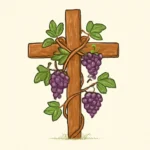
The metaphor of the vine and branches is a powerful biblical illustration used by Jesus to describe the relationship between Him and His followers. It emphasizes the importance of remaining connected to Christ to bear spiritual fruit. The vine symbolizes Jesus Himself, while the branches represent believers who depend on Him for sustenance and growth. This metaphor underscores themes of unity, dependence, and divine nourishment essential for spiritual life and productivity.
The term originates from the Greek word 'alē expō,' meaning 'vine,' which is used in the Gospel of John. The Hebrew equivalent is 'gephen,' also meaning 'vine,' often symbolizing Israel in the Old Testament. Over time, the imagery of the vine evolved from symbolizing the nation of Israel to representing individual believers' connection to Christ, highlighting dependence and spiritual vitality. This development reflects a shift from collective to personal understanding of spiritual relationship in biblical thought.
Key Bible Verses
John 15:5
Jesus states that He is the true vine and His followers are the branches, emphasizing that apart from Him they can do nothing.
This verse is central as it explicitly establishes the metaphor of the vine and branches, revealing the essential unity between Christ and believers for spiritual life.
John 15:1
Jesus describes Himself as the true vine and the Father as the gardener who prunes the branches to promote fruitful growth.
This verse introduces the metaphor, highlighting the divine role in nurturing and maintaining spiritual vitality through pruning and care.
Romans 11:17-24
Paul compares Gentile believers to branches grafted into the cultivated olive tree, illustrating inclusion in God's people through faith.
This passage expands the metaphor to include the concept of spiritual grafting and divine intervention beyond Israel, emphasizing unity and dependence on divine satisfaction.
Theological Significance
The vine and branches metaphor reveals core theological themes of union with Christ, dependence on divine grace, and the necessity of spiritual nourishment. In the Old Testament, Israel is often depicted as a vine that failed to produce fruit, symbolizing their covenant relationship with God (e.g., Psalm 80:8-16). In the New Testament, Jesus redefines this imagery, positioning Himself as the true source of life, and believers as attached to Him. This metaphor underscores the importance of ongoing reliance on Christ for salvation, sanctification, and fruitful living, connecting the narrative of God's covenant with His people throughout Scripture. It highlights the transformative power of divine nurture and the vital importance of remaining in Christ for eternal life.
Across Christian Traditions
Catholic tradition emphasizes the sacramental connection with Christ as the true vine, highlighting the importance of grace and church unity. Protestant views often focus on personal faith and spiritual union with Christ, emphasizing individual relationship and obedience. Orthodox Christianity sees this metaphor as reflecting the mystical unity of the Church with Christ, stressing tradition and sacramental life. Evangelicals particularly underscore the necessity of genuine personal faith and lasting attachment to Christ for authentic spiritual growth and fruitfulness.
Application in Christian Life
Christians are encouraged to cultivate their relationship with Jesus through prayer, Bible study, and obedience to His commands. Practically, staying connected might mean regular worship and fellowship with other believers, actively pruning sin from their lives, and bearing good fruit through acts of love and service. It involves trusting in Christ’s strength rather than relying solely on personal effort. Remembering that spiritual vitality depends on dependence on Christ helps believers navigate challenges and remain fruitful in their daily walk.
The imagery of vines and branches was highly familiar in ancient agriculture, especially in Israel, where vineyards were common and symbolized prosperity and God's covenant. This cultural familiarity made the metaphor both accessible and deep-rooted in the people's daily life and spiritual understanding.
Frequently Asked Questions
What does it mean to be 'connected' to the vine?
Being connected to the vine means maintaining a close relationship with Jesus through faith, prayer, and obedience, which allows spiritual growth and fruitfulness (John 15:4-5).
Can a branch remain on the vine and still not bear fruit?
Yes, but Jesus emphasizes that true branches will bear fruit; unfruitful branches are often pruned or cut away to promote better growth (John 15:2).
How does this metaphor relate to salvation?
Remaining in Christ as the true vine signifies lifelong dependence on His grace and signifies active trust and faith, which are essential for salvation and spiritual vitality (John 15:6).