Bible Verse Abide in Me: Meaning, Context & Practical Application
The phrase “abide in me” is one of the most recognizable commands in the New Testament. It evokes a sense of intimate relationship, dependence, and continual connection. In many Christian traditions, the idea of abiding in Christ is not merely a theological concept but a daily practice that shapes prayer, decision-making, and character. This article explores the meaning, historical and literary context, and practical ways to live out the call to abide in Jesus—including variations on the language that convey the same idea: remaining in the Lord, dwelling with Christ, and staying connected to the true vine. We will focus especially on the classic biblical passage that anchors the imagery: Jesus’ teaching in John 15.
What does it mean to abide in Christ?
The Greek background: minō and its shades of meaning
The verb often translated as abide in English comes from the Greek meno (often rendered minō). This word communicates more than a momentary stay. It carries the sense of endurance, permanence, and faithful dwelling. To abide is to remain in a relationship that is life-sustaining and formative. It is not a passive hovering; it is active trust and dependence that bear fruit over time. When a New Testament writer calls a believer to remain in Christ, the larger implication is that life, purpose, and direction flow from that union.
Abiding as relationship, not ritual
To abide in me is primarily about relationship—the relationship a believer has with Jesus. The calling is not merely to perform religious duties or to adopt a certain set of behaviors, but to cultivate ongoing, loving attachment to the living Christ. In practical terms, this means honoring Jesus in all spheres of life: in work, family, conflict, rest, and worship. When we speak of abiding in the Lord, we are describing a posture of trust, dependence, and receptivity to the Spirit’s work in us.
Scriptural Context: The Vine and the Branches
John 15:1–8: the vine metaphor
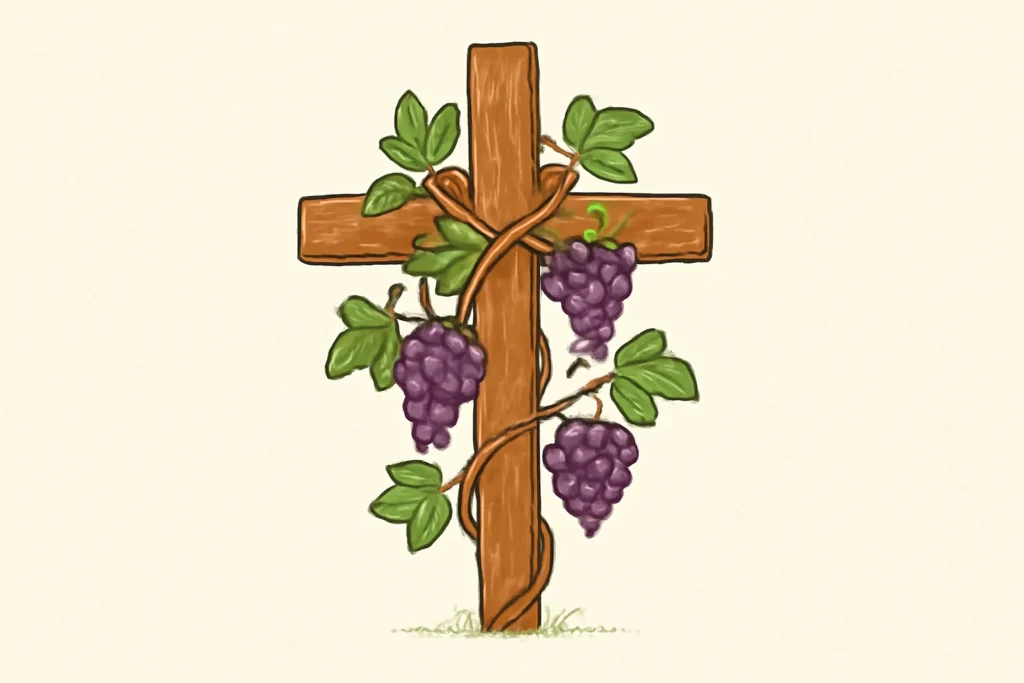
The image Jesus uses in the Gospel of John is straightforward and provocative. He presents himself as the true vine and his followers as the branches. The Father is the vinedresser, who prunes and tends the plant that it may bear fruit. In this context, to abide in me means to stay connected to the vine so that life and vitality flow through the branches. The core verses include:
“I am the vine, you are the branches.” (John 15:5, emphasis added)
“Abide in me, and I in you.” (John 15:4, emphasis added)
“Apart from me you can do nothing.” (John 15:5, emphasis added)
In this imagery, fruitfulness is the natural outgrowth of living in intimate union with Christ. The branches do not generate life on their own; they receive sap, nourishment, and direction from the vine. Likewise, believers bear spiritual fruit—love, joy, peace, patience, kindness, goodness, faithfulness, gentleness, and self-control—not by self-effort alone but by dependence on Jesus.
The role of the Father in the process
John 15 frames the Father as the one who cultivates the plant. He prunes the branches so that they may bear more fruit. This pruning is not punitive but purifying; it often involves experiences that shape our character and align us more closely with Christ’s purposes. In terms of abiding, the Father’s workflow underscores that our vitality and fruitful living depend on our relationship with Christ, not merely on our adherence to a set of rules.
Theological significance: union with Christ and the Spirit’s work
Union with Christ
Abiding in Christ is a language of union. In biblical terms, faith unites a person to Christ, and abiding describes the ongoing, daily experience of living in that union. The apostle Paul speaks of being “in Christ” and of believers who have received life through him. This union is not merely forensic or positional; it has a practical, dynamic aspect: Jesus’ life lives in us through faith, and our lives are reoriented toward his purposes.
Abiding is not a solo venture; it is empowered by the Holy Spirit. The Spirit enables believers to hear the Father’s voice, align their desires with Christ’s will, and bear fruit as evidence of true life in him. In John 15, while the immediate focus is on the Father’s pruning and the Son’s enabling, the Spirit’s presence is implicitly involved: a living, abiding relationship with Christ is sustained through God’s Spirit who dwells in the believer.
Fruit as the visible sign of abiding
Fruit is the natural outcome of a vine’s life moving through its branches. The Johannine context emphasizes that genuine abiding correlates with fruitfulness—not in a legalistic sense, but as a sign that the life of Christ is thriving in the believer. This fruit includes ethical virtues, relational health, and a mission-oriented living that reflects Jesus to the world.
Practical application: how to abide in a busy, modern life
Daily rhythms that foster abiding
Abiding is best lived out through sustainable daily rhythms rather than a few heroic moments. Consider these practical practices that help you stay connected to Jesus:
Start with presence, not performance. Begin the day by simply being with God—short moments of reflection, gratitude, and surrender before planning the day.
Scripture as nourishment. Read small portions of the gospel, especially John 15, and let the words shape your affections and actions.
Prayer as dialogue. Move beyond requests to listening: ask the Spirit to illuminate truth and align your desires with Christ’s.
Mindful repetition. Rehearse core truths such as “abide in me”, “I in you”, and “apart from me you can do nothing” as a meditative routine to anchor your day.
Practical exercises for everyday abiding
Breath and blessing: pause several times a day to inhale deeply and exhale, offering a quick blessing or request for guidance to Christ.
One-verse practice: choose a single verse (for example, John 15:4) and dwell on its meaning for five minutes, journaling any insights that arise.
Productive pruning: identify one area of life where God may be pruning you (a relationship, a habit, a fear) and invite the Spirit to shape it with love and mercy.
Worshipful work: integrate worship into tasks—work, chores, commuting—by turning attention to Christ and offering the day’s labor to him.
Abiding through relationships and community
Abiding is not privatized. It flourishes in community where friends encourage one another toward Christ. The church, family, and small groups can help believers:
Provide accountability that keeps love and truth in balance
Offer mutual encouragement when doubts or disappointments arise
Celebrate the Spirit’s fruit in diverse gifts and ways
Life in trial: abiding when it’s hard
Trials test and often deepen our abiding. The question in hardship is not “What do I do to overcome this?” alone, but “Whom do I remain with in this moment?” The answer is fundamentally Christ-centered: you remain in him by clinging to his promises, asking for grace to trust, and choosing to act in ways that reflect his love even under pressure. This is abiding in adversity as much as in days of ease.
Practical categories of abiding: love, obedience, and dependence
Abiding in love
Jesus’ teaching in John 15 emphasizes abiding in my love as the basis for fruitful living. When believers live in the intimate embrace of Christ’s love, their choices begin to be motivated by grace rather than fear or obligation. The pastoral aim is to cultivate a rhythm where love for Jesus transforms love for neighbor, yielding a community marked by generosity, mercy, and steadfastness.
Abiding in obedience
To stay connected to Christ is to align one’s life with his commands. This does not mean mere rule-keeping; it means allowing the risen Christ to shape impulses, priorities, and actions. The second part of the vine metaphor highlights that branches bearing fruit do so because they remain plugged into the source of life. The practical corollary is: obedience grows out of dependence and trust in Jesus, not out of fear of punishment.
Abiding in dependence
Dependence is not weakness; it is recognition of one’s limits and receptivity to divine grace. In a culture that prizes self-reliance, choosing to abide in Christ is a countercultural stance that acknowledges human limitation and God’s sufficiency. This dependence is reinforced by prayer, Scripture, and the community of faith that supports and corrects as needed.
One common danger is treating abiding as if it were disengaged passivity. The Bible presents abiding as active trust—an ongoing, responsive relationship with Christ that leads to fruit-bearing. It is not about avoiding action; it is about letting Christ’s life drive and empower every action.
Abiding as merit-based performance
Another pitfall is turning abiding into a checklist: read the Bible, pray for a set minutes, attend church, and you’re abiding. Real abiding is not the product of mere routine; it is a trust-filled, Spirit-enabled relationship that reshapes desires and yields ethical living rooted in love for God and others.
Confusion with “perseverance” alone
Keeping faith steady is important, but the biblical concept of abiding in me emphasizes the source of life—Christ himself. Perseverance apart from union with Christ can be hollow; abiding in Christ supplies the vitality and integrity needed for faithful endurance.
Translations and semantic breadth: variations on a single theme
How different English translations phrase the call to stay connected
Across English Bibles, the core idea is preserved, but wording shifts nuance:
Abide in me (John 15:4, 15:7) – emphasizes ongoing dwelling and relationship.
Remain in me – a slightly more formal tone, highlighting continuity over time.
Live in me – focuses on the living, life-sustaining union.
Abide in Christ or remain in Christ – foregrounds identity in Jesus and the believer’s tied-in status with him.
Stay plugged into the vine – a contemporary paraphrase that captures the agricultural imagery of John 15.
Dwell in Jesus or dwell in the Lord – sensory language of presence and closeness.
These variations preserve the same theological heartbeat: life, vitality, and fruitfulness flow from a living, ongoing relationship with Jesus. The terminology may differ, but the invitation remains constant: stay connected to Christ, so that his life circulates through you and shapes all you do.
abide in Christ this week
Morning posture: begin with a two-minute moment of stillness, whispering, “Abide in me, Lord.” Invite the Spirit to lead the day.
Scripture focus: read John 15:4–5 and 15:9–11; write one insight and one action step that flows from the text.
Prayer pattern: adopt a simple prayer pattern—Adoration, Confession, Thanksgiving, Supplication (ACTS)—centered on Christ and his promises.
Accountability partner: connect with a friend or mentor to discuss how abiding is shaping choices, especially in moments of stress or conflict.
Evening reflection: review the day, noting evidence of Christ’s life at work in you and any pruning that might be needed for tomorrow.
While personal devotion is essential, abiding is reinforced within the community of faith. Corporate worship, shared meals, teaching, and mutual care create an environment where believers remind one another of their dependence on Christ and encourage ongoing trust in God’s promises.
Sacraments and memory: reminders of abiding
Across traditions, sacraments such as baptism and the Lord’s Supper function as tangible reminders of the believer’s union with Christ. In participating in these rites, believers rehearse the truth that they are connected to the true vine and show forth the life of Christ in their lives. These rituals are not magical in themselves, but they anchor the heart in the reality that abiding in Christ is the source of life that overflows in love and service.
The invitation to abide in me is a lifelong invitation to a vibrant, life-giving relationship with Jesus. It is a call to recognize our dependence on him, to trust his leadership, and to yield to the Spirit’s work in shaping our desires toward his. In the context of the vine and branches, abiding is the means by which we participate in life that God intends for his people: a life marked by love, a life that bears fruit, and a life that remains resilient even when pruning is required. Whether you speak of remaining, dwelling, or staying connected to the true vine, the practical impact remains the same: Jesus is the source, we are the branches, and the Father is the gardener who prunes with grace to ensure enduring fruitfulness.
By embracing a holistic understanding of abiding in Christ, you invite a transformative rhythm into daily life—one that aligns your heart with God’s heart, reshapes your choices, and reframes your sense of purpose around the person and work of Jesus. For some, this means beginning with a simple two-minute rhythm; for others, it becomes a lifelong culture of trust and surrender. In every case, the outcome remains constant: a life that stays connected to the living Christ will bear the fruit that God desires—fruit that endures and blesses the world around you.










Leave a Reply