Bible Divorce Reasons: What the Bible Says About Divorce
Bible Divorce Reasons: What the Bible Says About Divorce
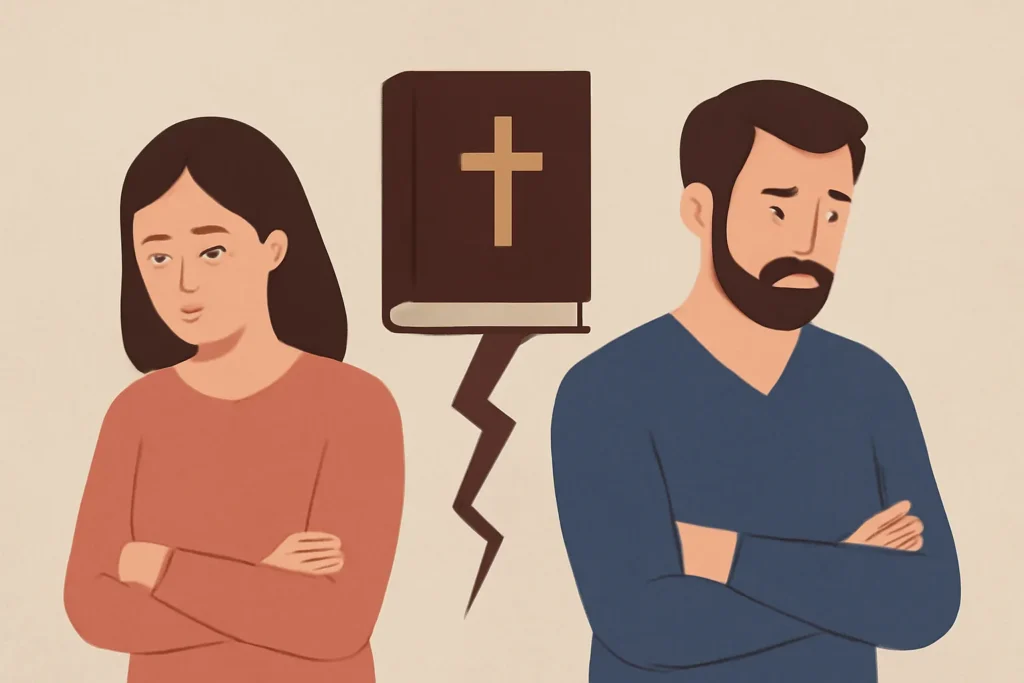
Marriage is described in the Bible as a sacred covenant and a relationship designed to reflect fidelity, love, and mutual blessing. When the subject of divorce arises, the conversation can become complicated because Scripture presents a nuanced view that spans generations, cultures, and covenants. This article surveys what the Bible says about divorce, including the biblical grounds that are discussed, how these grounds are interpreted across different Christian traditions, and the practical implications for believers today. It emphasizes the goal of reconciliation and care for all parties while acknowledging that in some circumstances, difficult decisions must be made.
Overview: marriage, covenant, and the gravity of divorce
In both the Old and New Testaments, marriage is portrayed as a covenant between a man and a woman, established by God and intended to endure. The Bible repeatedly affirms the beauty and seriousness of that bond, while also recognizing human frailty and brokenness. Two themes recur across passages about divorce: first, God’s deep care for the vulnerability of spouses (especially women in ancient societies), and second, the biblical call to faithfulness and peacemaking. The language of covenant fidelity undergirds discussions of divorce, and Malachi 2:16, which says, “I hate divorce, says the LORD,” is often cited to emphasize God’s intention for marriage to be lasting and honorable. Yet the biblical text also describes circumstances in which the covenant is strained or severed, particularly when one party is unfaithful or abandons the marriage.
Key biblical grounds often discussed in Scripture
Scholars and pastors often summarize the main biblical considerations under a few headings. It is important to note that the text does not present divorce as a preferred outcome; rather, it addresses real human pain and provides boundaries, protection, and pathways toward healing where possible. Below are the most commonly discussed grounds and related themes, with attention to the Greek terms, Hebrew backgrounds, and the broader biblical context.
Adultery and sexual immorality
The clearest and most consistently cited biblical ground for divorce is sexual immorality within the marriage. In Greek, the word often translated as porneia refers to sexual conduct outside the marriage, and in several New Testament passages it is linked to the legitimacy of divorce or remarriage under certain conditions. Jesus raises this ground in his teaching, underscoring the seriousness of unfaithfulness and its impact on the marital bond. For example, in the Sermon on the Mount and in Jesus’ discussions about divorce, the exception clause is commonly interpreted as allowing remarriage after sexual immorality has occurred.
Matthew 5:31-32 — “It was said, Whoever divorces his wife, let him give her a certificate of divorce; but I say to you, that whoever divorces his wife, except for porneia, makes her commit adultery; and whoever marries a divorced woman commits adultery.”
Matthew 19:3-9 — When pressed, Jesus cites the exception for sexual immorality as the grounds that may permit divorce, while reaffirming the original intention of lifelong faithfulness in creation.
Mark 10:2-12 and Luke 16:18 — Parallel accounts that reiterate the seriousness of divorce and the link between remarriage and adultery when a divorce occurs on grounds other than sexual immorality.
In these passages, the emphasis is not merely on breaking a contract but on the transgression against a covenant partner. The Bible treats adultery as a grave offense that can undermine the integrity of the marriage relationship. While these passages are often cited as the standard biblical ground for divorce, many Christian traditions stress that the path of reconciliation remains the ideal, and divorce is permitted in order to avoid ongoing harm or to pursue safety and justice in cases of sexual sin.
Abandonment or desertion by an unbelieving spouse
A second widely discussed biblical ground is desertion or abandonment by an unbelieving spouse, as described in 1 Corinthians 7:12-15. The Apostle Paul addresses situations where a Christian is married to an unbeliever; if the unbeliever is willing to live with the believer, they should remain in the marriage. If the unbelieving spouse leaves, however, Paul writes that the believer is not bound in such circumstances. This has been interpreted by many traditions as a legitimate cause for divorce in the sense that the covenant is breached by the departing spouse, not by the believer who remains faithful to Scripture.
1 Corinthians 7:12-15 — “To the rest I say (not I, but the Lord) ... If any brother has a wife who is an unbeliever, and she agrees to live with him, he should not divorce her. If the unbelieving partner leaves, let it be so.”
In this view, unbelief or the choice to abandon the marriage by the nonbeliever can create an untenable situation. The passage emphasizes peace and spiritual integrity for the believer, recognizing that unity with an unrepentant partner may not be possible without ongoing conflict or harm. Different Christian traditions handle the application of this ground differently, but the underlying principle is clear: the bond of marriage can be dissolved when the other party removes themselves from the covenant.
Other forms of ongoing violation of covenant
Beyond sexual immorality and abandonment, some biblical interpretations discuss continued patterns of serious harm or repeated violations of the marriage covenant. While the text does not always spell out every scenario, the broader biblical ethic speaks to protecting the vulnerable, pursuing justice, and fostering safety within households. In modern pastoral contexts, this can include situations of persistent coercive control, chronic abuse, or ongoing patterns that severely damage trust and well-being. While not always labeled as a specific “ground” in a verse, such patterns are commonly discussed as legitimate concerns that may lead to separation for safety and healing, with the reader understanding that reconciliation requires genuine repentance, accountability, and substantial change.
Remaining faithful under the Old Testament principles
The Old Testament presents a complex narrative about divorce, sometimes showing the practice and often advocating for mercy, restoration, and protection of vulnerable women. The law in Deuteronomy 24:1-4 discusses how a husband may give his wife a certificate of divorce and send her away if there is “some indecency” in her. This text has been debated for its cultural context and its impact on subsequent Jewish and Christian understandings of divorce. Some scholars argue that the certificate of divorce served to protect the wife in a culture where a woman had few legal protections; others read it as a concession to human hardness. The important takeaway is that the Old Testament presents divorce within a framework of covenantal consequence and social dynamics, not as an unqualified endorsement of divorce as a remedy for every marital problem.
Remarriage after divorce: what the Bible says
The question of whether remarriage is permissible after divorce is central to how believers apply biblical passages today. The answers differ among traditions, but a common thread is that remarriage is not treated as a casual option. The key verses tie remarriage to the nature of the divorce and the grounds on which it occurred, particularly sexual immorality, or the separation caused by the abandonment of an unbelieving spouse. In the case of remarriage after divorce, several factors are typically considered:
Remarriage following sexual immorality — Many interpret the instruction in Matthew 5:32 and 19:9 as permitting remarriage after the injured spouse has experienced sexual unfaithfulness. The implication is that the faithless partner’s breach of the covenant creates a new relational trajectory for the faithful partner.
Remarriage after abandonment by an unbelieving spouse — If a spouse leaves and ends the marriage, some traditions allow remarriage, provided the person is free to marry and the prior bond has effectively been broken by the other party’s action (1 Corinthians 7:15).
Cases where the original divorce was not grounded in biblical grounds — In some Christian communities, remarriage after divorce not grounded in biblical exceptions may be discouraged or interpreted as subject to moral and pastoral considerations, including repentance, accountability, and the spiritual welfare of children and family members.
Death of a spouse — The Bible explicitly allows remarriage after the death of a spouse (see 1 Corinthians 7:39), which is a distinct matter from divorce and is generally treated as a separate path to remarrying within biblical ethics.
Across traditions, the emphasis remains on the seriousness of remarriage after divorce and the need for careful discernment, pastoral guidance, and alignment with Scripture. The goal in most churches is to promote healing, accountability, and the flourishing of all involved, especially children who may be affected by parental divorce.
Old Testament context, New Testament clarity, and the balance between mercy and fidelity
To understand how the Bible guides divorce, it helps to consider the continuity and development across the Old and New Testaments. In the Old Testament, divorce appears in a broader social and legal framework that includes protection for women who might otherwise be left destitute or stigmatized. The law’s intent was not to encourage widespread divorce, but to regulate it and to safeguard vulnerable people within the community. The prophets often called the people back to covenant faithfulness, urging fidelity to God and to one another.
In the New Testament, Jesus reasserts the high standard of lifelong marriage and grounds divorce in severe cases of unfaithfulness, a stance that requires careful discernment in contemporary settings. Paul, addressing marital life in the early church, emphasizes that in situations where one party is a believer and the other is not, the gospel’s mission and the believer’s peace may necessitate boundaries that permit separation under certain conditions. Together, these strands form a robust but nuanced teaching that recognizes both the sanctity of marriage and the reality of human brokenness.
Practical pastoral considerations for churches and families
Besides the biblical texts themselves, how pastors, counselors, and churches respond to divorce matters deeply for individuals and families. A few practical principles frequently appear in pastoral guidance:
Pastoral discernment — Each case is unique, and Scripture does not provide a one-size-fits-all algorithm. Leaders should listen, seek wisdom from Scripture, and consider the welfare of spouses and children, while prioritizing safety and reconciliation where possible.
Safety and protection — In situations of abuse or danger, separation may be necessary for protection. The Bible does not require someone to stay in a violent or unsafe marriage; rather, safety is a primary concern for those in harm’s way.
Compassion and support for the injured party — Those who have endured betrayal or abandonment deserve care, accountability, and healthy community to heal. Churches often offer counseling, accountability groups, and resources to help individuals rebuild their lives in ways that honor God.
Commitment to biblical truth — While offering grace, churches also teach about the high ideal of lifelong faithfulness and the reasons behind biblical restrictions, helping individuals understand the spirit of the law and not just the letter.
Remarriage guidance — When remarriage is considered, churches encourage careful discernment, accountability, and counseling to ensure that any new relationship aligns with biblical teaching and the safety and well-being of all involved, including children.
Theological themes that shape biblical conclusions about divorce
Several overarching themes inform how Christians interpret and apply biblical passages about divorce:
Covenant faithfulness — Marriage is a covenant reflecting God’s faithfulness, and preserving covenant fidelity is a guiding value even when difficult circumstances exist.
Hardness of heart — The New Testament often frames divorce as a concession tied to human stubbornness; Jesus indicates that Moses permitted divorce because of hardness of heart, highlighting God’s preference for healing and reconciliation when possible.
Care for the vulnerable — The biblical ethic emphasizes protecting those who are most vulnerable within a marriage, such as wives in ancient contexts and children, and it supports biblical pathways toward safety, justice, and peace.
Hope for restoration — In many Christian communities, even when divorce occurs, there is a strong emphasis on restoration—spiritual, emotional, and relational—in ongoing discipleship and community life.
Frequently asked questions and nuanced responses
Is divorce ever required or morally obligatory in the Bible?
The Bible does not present divorce as a universal command or as something to be sought eagerly. It does, however, provide grounds and allowances in order to preserve safety, justice, and faithfulness to God in a broken world. The focus is on mercy, truth, and ongoing fidelity to God’s purposes for marriage.
Interpretations vary. Some traditions hold that divorce for non-biblical reasons is not permitted, while other Christian groups recognize additional compassionate grounds in situations of persistent harm or conflict that cannot be resolved. Ultimately, the conversation often centers on the aims of forgiveness, reconciliation where possible, and the safety and well-being of all involved.
What about remarriage after divorce when one partner did not commit sexual immorality?
The question of remarriage depends on the grounds of the prior divorce and the church’s interpretation of Scripture. If the divorce was for a Biblical ground (such as sexual immorality or abandonment by an unbeliever), many traditions allow remarriage under the right circumstances. If the divorce occurred for reasons outside biblical grounds, communities may counsel deeply, recognizing the pastoral complexities involved.
For individuals facing divorce or explaining it to others, here are practical steps informed by biblical principles:
Seek wise counsel — Engage pastors, mature believers, or Christian counselors who can help interpret Scripture well and assess the circumstances with integrity.
Pray for guidance — Bring the situation before God, seeking wisdom, peace, and the best path forward for healing and righteousness.
Consider safety first — If there is any risk of harm, prioritize safety and access resources that protect you and your dependents.
Be honest about motives and consequences — Understand the biblical reason for divorce and the potential impact on family, community, and faith, avoiding self-deception or rationalizing hurtful behavior.
Engage in reconciliatory processes when possible — In appropriate cases, pursue restorative conversations, accountability, and community support to heal relationships and communities, even if divorce is eventual.
Conclusion: walking through divorce with faith, truth, and care
The biblical conversation about divorce is not a simple ledger of permitted or forbidden actions. It is a pastoral, theological, and ethical reflection on how to honor God, protect the vulnerable, and pursue reconciliation in a world where marriages inevitably face strain. The Bible’s steady message is that God loves mercy, desires justice, and values faithful, life-giving relationships. In Scripture, divorce is always treated with gravity, and the overarching aim is to promote integrity, safety, and healing for all involved. Christians are invited to study these passages humbly, to seek wise counsel, and to live out a covenantal ethic that honors God in both times of stability and seasons of trial.
Key takeaways:
- The Bible treats marriage as a sacred covenant and regards divorce as a serious matter with specific biblical grounds.
- The most clearly stated grounds are sexual immorality and abandonment by an unbelieving spouse, with other considerations arising from the broader covenantal ethics.
- The goal is faithful living, safety, and healing, with mercy and restoration where possible, while acknowledging the painful realities many families face.
- Remarriage is discussed in light of the grounds for divorce and the broader teachings about fidelity and covenant faithfulness.










Leave a Reply