Overview of the Bible Verse About Fruits of the Spirit: Galatians 5:22-23 Explained
Galatians 5:22-23 sits at a pivotal point in the letter Paul wrote to the churches in Galatia. It marks a turning from a focus on external rules to an inside-out display of character that comes from the Holy Spirit at work in the believer. In many translations you will encounter the phrase the fruits of the Spirit, a compact way of describing the visible virtues that surface when a person is truly yielding to God. In the King James Version, the text uses the singular fruit of the Spirit, while most modern translations render it as plural fruits. Both reflect the same idea: a single, Spirit-endowed life that ripens into multiple observable qualities. This article explains what these fruits are, why they matter, how they function in daily life, and how readers can cultivate them in practical ways.
“But the fruit of the Spirit is love, joy, peace, longsuffering, gentleness, goodness, faith, meekness, temperance.” — Galatians 5:22 (KJV)
In the wider context of Galatians 5, Paul contrasts the fruit of the Spirit with the works of the flesh, highlighting a dramatic shift from life shaped by the sinful nature to life shaped by surrender to Christ. The message resonates across generations: when a person is led by the Spirit, a discernible pattern of character emerges—one that blesses both the individual and the community around them.
What the text says and how to read it across translations
Different Bible translations offer slightly different verbal flavors, but the essence remains consistent: a Spirit-empowered life produces virtuous traits. Here are a few ways readers encounter the passage in common English renditions:
KJV (King James Version): uses the phrase fruit (singular) and lists nine virtues as a single fruit with many components.
ESV and NIV: typically render it as fruit of the Spirit (plural fruits in many versions), emphasizing multiple distinct attributes that grow together.
NLT and NASB: often balance readability with precision, presenting the same sequence of virtues but with slightly different nuance in wording.
Two important notes about translation and interpretation:
Plural vs singular: The idea of a single fruit and the appearance of many facets can be understood as either a unified result of the Spirit’s work or as a compound set of virtues that emerge together. The difference is mostly stylistic; functionally, both readings highlight the same truth: a life shaped by the Spirit bears many fruits.
Scope: The list is generally viewed as a snapshot of Christian virtues that should characterize all believers, not an exhaustive catalog of every possible Christian virtue. It invites readers to pursue a life marked by these traits as evidence of spiritual growth and obedience.
Beyond the immediate verse, readers often connect the themes here with other Scriptural calls to live by the Spirit, to love one another, and to practice mercy and grace toward neighbors. In this broader biblical arc, the Spirit’s work is less about human effort and more about receptivity—developing an inner posture that reorients life outward toward God and others.
The nine fruits: a pathway to character transformation
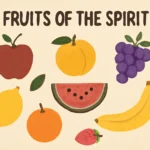
In Galatians 5:22-23, the nine fruits are commonly listed as a package that grows together in the life of a believer. Each fruit represents a moral and relational virtue that becomes more evident as the Spirit guides, matures, and corrects the believer. The following subsections offer a concise look at each fruit, its biblical anchors, and practical ways it can be lived out.
Love
Love is foundational to Christian ethics. It is not merely a sentiment but a choosing, a disposition that seeks the good of others—even when costly. In Scripture, agape love is often described as patient, kind, and enduring, mirroring the self-giving love God has shown toward humanity. Practically, love under the Spirit’s leadership translates into acts of service, forgiveness, and hospitality that reflect the heart of Christ.
Joy
Joy in the biblical sense runs deeper than temporary happiness. It is a sense of gladness rooted in God’s faithfulness and the salvation secured in Christ. Joy sustains believers through trials because it places confidence in God’s promises rather than in shifting circumstances. The Spirit’s work fosters an inner delight that can persist even amid difficulty.
Peace involves harmony with God, self, and others. It is a peace that comes from trusting God’s sovereignty and goodness. In daily life, it translates into calm, patient responses to conflict, and a willingness to pursue reconciliation rather than escalation.
Longsuffering (Patience)
Longsuffering describes endurance under pressure without retaliation. It is patience that stands firm in the face of provocation, delay, or hardship. This fruit invites believers to respond with steadfastness, grace, and restraint, trusting that God’s timing is perfect.
Gentleness
Gentleness is strength under control. It involves considerate, tender, and respectful treatment of others, especially the vulnerable. Gentleness does not equate to weakness; rather, it embodies a confident, humble approach that seeks to build up rather than tear down.
Goodness
Goodness describes moral integrity and a rhythm of right action. It encompasses an ethical posture—doing what is right and choosing the welfare of others, often in everyday decisions, even when no one is watching.
Faith
Faith in the context of the fruits refers to trust, fidelity, and reliability grounded in relationship with God. It is not only belief but steadfast allegiance—consistency in living out trust in Christ, especially in uncertain times.
Meekness (Meekness and Humility)
Meekness is not weakness but teachable strength. It includes humility before God, a readiness to listen, and a willingness to submit to God’s purposes rather than asserting one’s own rights. In community, meekness fosters unity and mutual consideration.
Temperance, often rendered as self-control, is the discipline to regulate desires, actions, and speech. It enables believers to resist destructive impulses and to cultivate habits that honor God, protect others, and promote long-term well-being.
These nine fruits together form a holistic portrait of a life shaped by the Spirit. They are not isolated virtues but interdependent qualities that reinforce one another. As believers mature, each fruit strengthens the others, creating a cohesive character that reflects the life of Christ in present-day experiences.
Cultivating the fruits: how to live by the Spirit day by day
Growing the fruits is not about moral self-improvement alone; it is about surrendering to the Spirit and adopting practices that align daily life with God’s design. The following practical spheres can help believers cultivate the fruits in concrete ways:
Abide in Christ: Spend time in Scripture, prayer, and worship. The goal is a deep relational connection with Jesus, through which the Spirit can shape character.
Practice spiritual disciplines: Regular engagement with prayer, fasting, meditation on God’s Word, and times of quiet may open space for the Spirit to work within.
Engage in community: Fellowship with other believers, accountability, and mutual edification provide a context in which the fruits can be learned and demonstrated in daily life.
Choose love in action: Look for ways to serve, forgive, and give generously. Love becomes visible through concrete acts of mercy and kindness.
Handle conflict biblically: Embrace gentleness, patience, and peacemaking in disagreements; pursue reconciliation rather than victory.
Guard your heart and tongue: Practice self-control in words and desires, choosing restraint when tempted to harm others or yourself.
Serve with humility: Seek opportunities to put others first, sharing credit and recognizing God at work in colleagues and neighbors.
These practices are not a checklist to earn God’s favor; rather, they are ways to cooperate with the Spirit’s work in a life that has already been claimed by grace. When believers lean into God’s promises and rely on the Spirit’s power, the fruits begin to appear more consistently in everyday settings—at home, at work, and in the public square.
Connections to other Scripture: a map of related teaching
The theme of living by the Spirit and bearing fruit recurs throughout the New Testament. Seeing the broader biblical context can deepen understanding of what Galatians 5:22-23 invites believers to become. Here are several related passages and how they contribute to a fuller picture:
John 15:1-8 (the vine and branches): Jesus invites believers to abide in Him so that fruit will come naturally as life flows from Him.
Romans 12:9-21 (marks of a transformed life): Paul describes love in action and humility within the Christian community as evidence of a Spirit-led life.
1 Corinthians 13:4-7 (the fruit of love in action): Though not listed as a separate Spirit-fruit, love is presented as the greatest, embodying patience, kindness, and perseverance that align with the other fruits.
Colossians 3:12-14 (putting on virtues): Believers are urged to clothe themselves with compassion, kindness, humility, meekness, and patience, which echo the Spirit-empowered life.
Galatians 5:16-25 (the Spirit vs. the flesh): A broader discussion of walking by the Spirit and the contrast with living according to the flesh, culminating in the fruit of the Spirit as evidence of life in the Spirit.
Ephesians 4:1-3 (live worthy of the calling): Humility, gentleness, patience, and bearing with one another reflect how the Spirit reshapes community life.
Together, these cross-references show that the fruits of the Spirit are not isolated moral traits but expressions of a relationship with God through Jesus Christ, lived out in community and mission.
Common questions and clarifications about the fruits of the Spirit
Readers often come to Galatians 5:22-23 with questions about how the fruits function in real life. Here are some common questions, along with thoughtful brief answers that reflect biblical teaching and pastoral wisdom:
Are these fruits mandatory for all believers? Yes. They describe the expected character of those who live under the Spirit’s guidance. They are not optional decorations but living evidence of a Spirit-enabled life.
Can a Christian lack some fruits at times? Yes, in practice a believer may struggle with one or more fruits during seasons of testing or sin. The trajectory should be toward growth, repentance, and renewed reliance on the Spirit. Community support helps accelerate maturity.
Do these fruits come from human effort? They are the fruit of the Spirit, not the result of human self-improvement. Personal discipline and spiritual disciplines cooperate with the Spirit, but ultimate transformation comes through divine work within a surrendered life.
How do these fruits relate to spiritual gifts? Fruits describe character and relational virtue; gifts describe particular abilities for ministry. Both come from the Spirit, but they serve different purposes—character formation vs. enabling service in the body of Christ.
What does it mean that there are nine fruits? The number nine is not definitive in itself; it signals a broad, balanced spectrum of virtues that are to be cultivated together, not in isolation.
In addressing questions like these, it can be helpful to remember that the fruits are best understood as the visible outcome of a life yielded to Christ, a life nourished by Scripture, prayer, and communal accountability.
Specific case studies: applying the fruits in everyday life
Real-world scenarios illustrate how the fruits of the Spirit manifest in daily decisions. Below are a few illustrative settings with practical applications:
At work: A colleague makes a mistake. Instead of harsh judgment (retaliation or sarcasm), a Spirit-led response embodies gentleness and patience, offering support and constructive feedback with love.
In family life: When disputes arise, peace and meekness guide conversations that heal rather than widen rifts, keeping long-term relationships intact even when opinions differ.
In service: Serving the vulnerable reflects goodness and kindness, especially when personal time is scarce but others’ needs are urgent.
In personal growth: Pursuing self-control helps regulate impulses, fostering healthier habits and more deliberate choices that honor God and bless others.
In conflict resolution: Love and joy anchor your posture toward reconciliation, prioritizing relationships over being right and seeking mutually beneficial outcomes.
Each scenario demonstrates that the fruits are not abstract virtues; they are practical tools for ethical living, a way of embodying the message of the Gospel in concrete settings.
Theological reflections: what the fruits reveal about the Spirit’s work
The presence and growth of the fruits of the Spirit reveal several key theological themes that scholars and pastors frequently highlight:
Grace and transformation: The fruits are evidence that God’s grace is actively at work, renewing minds and reorienting desires toward God and neighbor.
Grace-filled living within community: Fruit-bearing occurs within relationships. The Spirit reforms how believers relate to one another, not just how they feel or think.
Hope for a broken world: The fruits offer a compelling counter-narrative to the driven, self-focused culture around us. They model a different way of being in the world—one that seeks the good of others as a sign of God’s reign.
In this light, the fruits of the Spirit are not moral achievements but gifts received and cultivated through a living relationship with Christ. They are both a sign and a means of God’s ongoing work in a Christian’s life.
A closer look at language and the larger biblical story
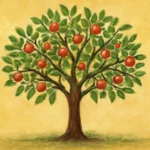
Word choices in the biblical text can illuminate how readers think about virtue. The term fruit in the singular can be understood as a cohesive result—like a single fruit with many edible aspects—while fruits in the plural emphasizes distinct facets that grow in concert. The Bible often uses natural imagery from agriculture to describe spiritual realities, reminding readers that God tends the soil of the heart, provides sunlight and rain in due season, and helps the plant to bear fruit at the right time.
Within the broader Biblical narrative, the Holy Spirit is portrayed as the divine agent who makes this cultivation possible. By trusting Christ and walking in the Spirit, believers become participants in God’s ongoing redemptive work. The fruits then function as a form of spiritual weather report: they indicate the health of one’s relationship with God and the degree to which that relationship shapes behavior toward others.
Conclusion: embracing a Spirit-led life that bears fruit
Galatians 5:22-23 invites readers into a fruitful life—one where character is formed by divine initiative and human cooperation. The nine fruits—love, joy, peace, longsuffering, gentleness, goodness, faith, meekness, and temperance—offer a robust framework for measuring spiritual maturity and for guiding daily decisions. While no believer perfectly embodies every fruit at all times, the trajectory of a life yielded to the Spirit points toward continual growth and transformative impact on family, church, and community.
As you study and reflect on these verses, consider how your daily routines, your relationships, and your service reflect the Spirit's work. Are you seeing evidence of the fruit of the Spirit in a way that blesses others and leads you closer to Christ? If not, you can begin or renew a season of prayer, Scripture meditation, and community support that invites the Spirit to cultivate these virtues anew in your life.










Leave a Reply