Fruits of th Spirit: What They Are and How to Grow Them
Fruits of th Spirit: What They Are and How to Grow Them
Fruits of the Spirit are not simply nice ideas or ethical guidelines; they are the authentic, transformative qualities that emerge when a person lives in continual relationship with God through the Holy Spirit. In this article, we explore what these spiritual fruits are, how they function in real life, and practical ways to cultivate them day by day. Whether you call them fruit of the Spirit, fruits of the Spirit, or spiritual fruits, they share a common aim: to reflect God’s character in ordinary moments and extraordinary trials alike.
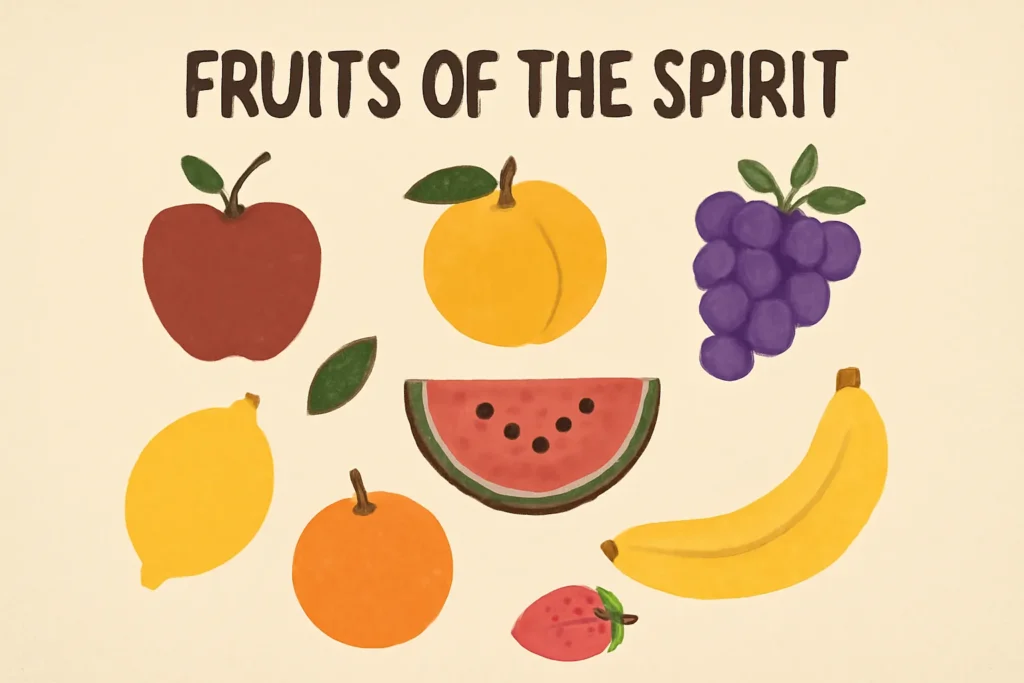
The phrase Fruits of the Spirit comes from a biblical passage found in Galatians 5:22–23. The apostle Paul describes a list of nine virtues that appear as a natural result of living under the influence of the Spirit. These aren’t achievements earned by human effort alone; they are the byproduct of a life yielded to God. In biblical terms, these are the healthy character fruits that grow when the Spirit takes root in a person’s heart and mind.
In many Christian traditions, these nine virtues are understood as a cohesive whole. They are not meant to be isolated traits but a holistic picture of a life increasingly conformed to love, truth, and community. While the exact wording may vary in translations, the core concept remains the same: love that compels action, a cheerful and resilient joy, a deep peace that endures, patient endurance, practical kindness, moral goodness, steadfast faithfulness, gentle gentleness, and measured self-control.
The Nine Fruits, in Context
For clarity and reference, here is the standard list of the nine spiritual fruits, presented with their traditional emphases. In a broader sense, you may encounter phrases like the fruit of the Spirit as a singular idea or the fruits of the Spirit as a collection. Either way, they point to a life that bears visible signs of God at work in a person’s choices and relationships.
Love — a self-giving, others-centered orientation that seeks the good of others, even when it costs.
Joy — a deep gladness rooted in God’s presence, not dependent on circumstances.
Peace — inner harmony and a sense of wholeness that flows into relationships and decisions.
Patience — calm endurance when faced with delays, provocation, or heavy burdens.
Kindness — acts of generosity and consideration toward others, especially those in need.
Goodness — moral integrity expressed through righteous conduct and a life that seeks the welfare of others.
Faithfulness — reliability, trustworthiness, and steadfastness in commitments and in God’s promises.
Gentleness — strength under control, expressed with humility and respect in how we treat others.
Self-control — mastery over desires and impulses, enabling wise choices even when they are hard.
Each of these nine virtues is valuable on its own, but their power becomes evident when they function together. For example, love informs how we exercise gentleness, while self-control protects the integrity of peace and patience in challenging moments. Think of them as a suite of complementary traits that, when cultivated, create a resilient and attractive life that mirrors the character of God.
Why These Fruits Matter in Everyday Life
In a world that often measures success by speed, efficiency, or status, the fruits of the Spirit invite a countercultural approach to living well. These virtues are not merely private pieties; they have tangible social dimensions. When love becomes practical, it expresses itself as hospitality, generosity, and care for the vulnerable. When joy is real, grief can be carried without despair, and gratitude can anchor one’s outlook even in loss. When peace reigns, relationships improve, workplaces become healthier, and communities become safer for truth-telling and reconciliation.
Another reason these spiritual fruits matter is their dynamic relationship with growth. Some people expect rapid personal transformation, but the growth of the spiritual fruits often unfolds gradually. This is not a failure of effort but a reminder that character formation is a life-long journey. The Spirit’s work in a believer’s life is longitudinal, moving through seasons of testing, blessing, learning, and service. As relationships deepen and daily routines become more oriented toward others, the fruit of the Spirit tends to become more evident in speech, decisions, and actions.
Growing the Fruits: A Practical Guide
Growth in the nine spiritual fruits is best pursued through a combination of daily disciplines, communal life, and practical experiments in relational living. Below you’ll find a practical framework for cultivating each virtue, followed by grounded steps you can apply in the coming week. Remember: this is not about achieving perfection but about inviting the Spirit to shape your character over time.
Love — Cultivating a life of self-giving affection
Growing love begins with seeing others as real and valuable. It moves from feelings to actions that seek another person’s good, even when it’s inconvenient or costly. In daily life, love is expressed through hospitality, mercy, and patient listening. It can be practiced in small rituals—opening your home to a neighbor, choosing to listen without interrupting, or choosing to serve rather than be served.
Find one person each day to bless without seeking something in return.
Meditate on 1 Corinthians 13 and let its descriptions guide your choices.
When have I acted out of convenience rather than love, and how can I repair that today?
Joy — Rejoicing in God beyond circumstances
Joy is not the same as happiness tied to external events. It is a confident, resilient gladness rooted in God’s presence and promises. To grow joy, cultivate gratitude, mindfully noting blessings even in difficult seasons, and rehearse songs, prayers, or stories of hope that remind you of goodness amid hardship.
Keep a gratitude journal and write three blessings each day.
Reflect on Philippians 4:4–7 and practice a posture of thankfulness.
How does gratitude shift my perspective in stressful situations?
Peace — Inner harmony in the midst of chaos
True peace grows as we surrender control to God and pursue wholeness in our relationships. It involves boundaries that protect our souls and practices that quiet the noise of life. Peace is not passivity; it is a steady presence that invites reconciliation, rest, and trust in a larger story.
Create a daily rhythm that includes rest, reflection, and predictable routines.
Practice the peace of Christ by carrying a posture of calm speech in tense conversations.
Where am I overreacting, and how can I respond with gentleness instead?
Patience — Long-suffering endurance in trials
Patience grows as we learn to wait well—whether waiting for God’s timing, for others to change, or for healing to come. It includes persevering under pressure with hope and without harshness. You can practice patience by shortening the levers you pull in conflict and gifting others time to mature at their own pace.
Pause before responding when you’re irritated; count to ten or breathe deeply.
Meditate on James 1:2–4 about steadfastness in trials.
What triggers my impatience, and what is a healthier response?
Kindness — Gentle acts of care toward others
Displayed as thoughtful generosity, kindness is practical mercy. It looks like offering a meal to a neighbor, choosing to mentor someone, or simply choosing to listen with true attention. Kindness is contagious; it invites others to consider the welfare of others and creates a culture where people feel seen.
Do one intentional act of kindness for someone you would not normally notice.
Reflect on Ephesians 4:32 about kindness and forgiveness.
How can I create a ripple of kindness in my workplace or school?
Goodness — Integrity in action and moral courage
Goodness ties moral clarity to courageous acts. It is not merely following rules but pursuing what is right for the welfare of others, especially the vulnerable. Goodness expresses itself in honest speech, ethical choices, and a readiness to do what is right even when it is costly.
Make a decision this week that aligns with integrity, even if it costs you personally.
Consider Proverbs 11:3 and the value of integrity in daily life.
Where do I compromise, and what small step can restore integrity?
Faithfulness — Reliability and steadfast trustworthiness
To grow faithfulness is to become someone others can rely on—whether in commitments, responsibilities, or promises to God. It includes steadfast trust in God’s faithfulness and a history of following through with commitments made to others and to God.
Make and keep a small commitment each day—prayer, study, or a professional task—and reflect on what helped you follow through.
Read Romans 12:9–12 about fervent, faithful service.
What promises have I broken, and how can I restore trust going forward?
Gentleness — Strength under control in how we relate
Gentleness (often translated as meekness) is not weakness; it is the disciplined use of strength. It treats others with dignity, avoids coercive force, and seeks to honor God in how we speak and respond in conflict.
In a tense discussion, choose words that clarify rather than escalate emotion.
Meditate on Matthew 11:29 about learning the gentleness of Christ.
How can I demonstrate strength without domination in my relationships?
Self-control — Mastery over desires and impulses
The final virtue, self-control, governs how we manage appetites, time, speech, and impulses. It enables healthy boundaries and long-term flourishing. Self-control is often tested in moments of temptation, fatigue, or pressure; practicing it consistently trains the will toward what is good and wise.
Set a small, concrete boundary (screen time, snacking, spending) and adhere to it for a week.
Reflect on 2 Peter 1:5–7 and the growth in self-control as part of virtue.
What impulse most often derails me, and what strategy can help me pause before acting?
How These Virtues Interact: A Holistic View
While each of the fruit of the Spirit has its own flavor, their true power emerges when they interlock. Consider how love fuels kindness and gentleness, how peace supports patience, or how self-control protects the integrity of faithfulness during tests. In a healthy community, these virtues are not isolated achievements but a shared culture—neighbors encouraging one another toward growth, families practicing forgiveness, churches nurturing accountability, and workplaces cultivating trust.
It is also helpful to distinguish these spiritual fruits from other concepts people sometimes confuse with virtue, such as talent, skill, or personality. The fruits of the Spirit grow not primarily from effort alone but from surrender—an ongoing dependence on the Spirit’s work—while still embracing practical disciplines, relationships, and accountability. That dynamic is essential for sustainable growth and for the fruits to endure through changing life seasons.
Common Obstacles and How to Overcome Them
Growth in spiritual fruits can stall for a variety of reasons. Here are common barriers and simple strategies to move past them:
Burnout or spiritual dryness
Return to rhythms of rest, regenerate your love for God, and invite trusted friends into your journey for accountability.
Self-protective pride
Practice confession and humility; seek reconciliation rather than victory in conflict.
Cynicism or doubt
Read Scripture with community, ask honest questions, and observe God at work in everyday life.
Fragmented ministry or inconsistent consistency
Establish predictable practices that reinforce character, such as regular prayer, Scripture, and acts of service.
Living the Fruits in Community
Christian formation is rarely a solo enterprise. The fruits of the Spirit grow most robustly in the context of community. When we open our lives to trusted peers—family, friends, mentors, and church or faith-community partners—we gain perspective, encouragement, and accountability. Community provides opportunities to practice love through hospitality, to practice kindness through generosity, and to practice gentleness in conflict resolution. It also offers a testing ground for self-control, as we navigate shared spaces, resources, and timelines.
Create a small group or accountability partnership focused on a rotating practice: a weekly gratitude conversation, a monthly service project, and a quarterly faithfulness check-in.
You’ll observe how these virtues mature not just in private but in public life as you interact with others who model, challenge, and encourage you.
Measuring spiritual growth is less about scoring points and more about noticing the trajectory of change. Practical measures include shifts in speech, behavior, and relationships, as well as a deeper sense of purpose and resilience in hardship. Here are some questions to gauge ongoing progress:
Do I find myself acting more for others’ good than for my own comfort?
Am I increasingly quick to forgive, slow to anger, and faithful to commitments?
Are I’m my conversations characterized by gentleness and clarity rather than reactivity?
Do I experience a growing sense of peace and hope that doesn’t depend on favorable circumstances?
Practical Practices for Everyday Growth
In addition to specific fruit-focused exercises, here are general spiritual practices that support the cultivation of the full set of spiritual fruits:
Begin and end each day with a simple prayer that asks for God to bear these virtues in you and through you.
Read passages that speak to character, such as the Sermon on the Mount, Proverbs on wisdom, and Pauline exhortations about virtue.
Serve with intention, looking for opportunities to meet needs without expecting recognition.
Partner with someone you trust to give honest feedback about how you speak, act, and relate to others.
Keep a personal journal noting moments when these fruits appear and when they falter, with plans to adjust.
Here are common questions people ask about the fruits of the Spirit and concise answers to guide your understanding and practice:
Are the fruits a guarantee for every believer? They are a prospect of growing character for those living in alignment with the Spirit, but their appearance can vary by season and circumstance. The goal is a life increasingly conformed to love, truth, and justice.
Do the fruits come all at once? No. Growth is often gradual, with different fruits maturing at different rates. The Spirit works in a patient, long-term way as you remain open to formation.
Can a person fake fruitfulness? External appearances can be misleading. True fruitfulness shows in consistent actions, humility, and a sustainable pattern of love and service over time.
What is the difference between gifts and fruits? Gifts are abilities given for service and edification, while fruits describe character traits that form as we walk with God. Both are important and often complementary.
Conclusion: The Journey of Growth
The journey toward the fruits of the Spirit—the virtuous quality in which a life increasingly reflects God’s character—is not about chasing perfection but about embracing a sustainable rhythm of trust, practice, and community. It invites a daily reorientation: away from self-reliance and toward reliance on the Spirit; away from solitary ambition and toward shared love; away from hurried outcomes and toward patient, hopeful formation. In this sense, the nine spiritual fruits become not a checklist to fulfill but a way of life to inhabit.
As you continue this journey, remember that growth is often incremental and cumulative. A small, consistent practice in love, joy, peace, patience, kindness, goodness, faithfulness, gentleness, and self-control can, over time, create a character that shines in ordinary moments and shines even brighter in moments of challenge. This is the beauty of the fruits of the Spirit: they do not merely make us nicer; they make us more like Christ, day after day, season after season.











Leave a Reply