Bible Verse About Planting a Seed: Faith, Growth, and Harvest
Bible Verse About Planting a Seed: Faith, Growth, and Harvest
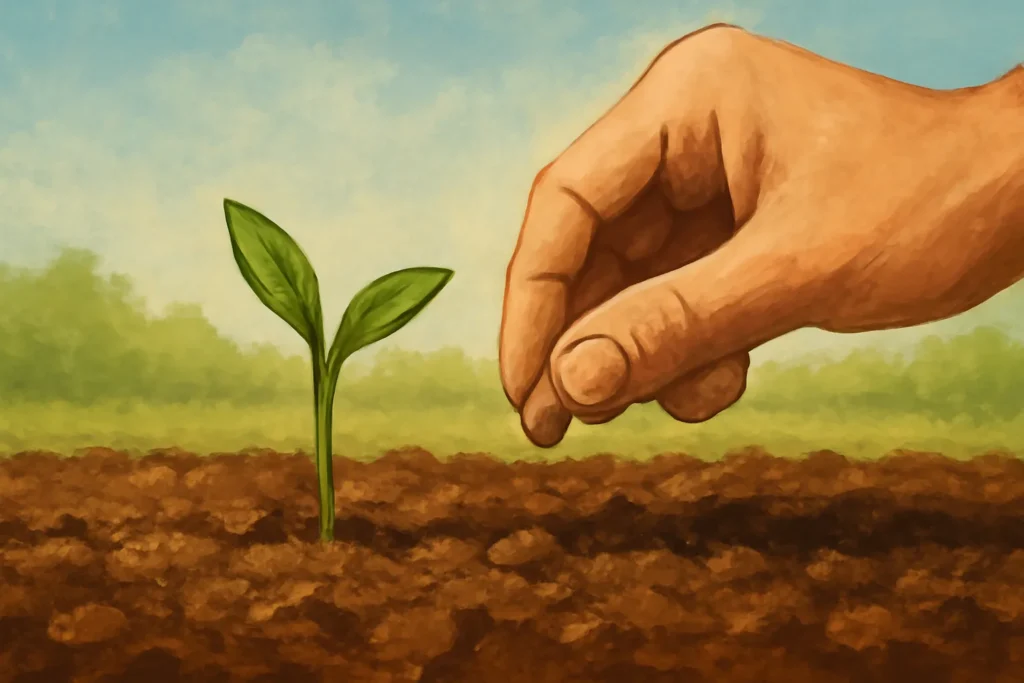
Throughout Scripture, the imagery of planting a seed is a simple yet profound way to describe faith, growth, and harvest in the life of a believer. This article surveys a wide range of Bible verses that use planting, sowing, and seed metaphors to illuminate how God works in the human heart, how faith begins, and how maturity culminates in a fruitful season. By looking at parables, teachings, and apostolic reflections, we gain a richer sense of how a small seed can become a great blessing — not only for the planter but for the wider community of faith.
Understanding the Seed: Seed as Faith, Message, and Promise
In biblical imagery, a seed is not merely a biological unit; it is a symbol of potential. When the seed is sown with expectation, it points to a divine initiative that grows beyond human control. Faith often begins as a seed of trust in God’s character, a seed that, when nurtured by the Holy Spirit and the Word, expands into life-giving fruit. Some passages emphasize that the size of the seed matters less than the condition of the soil — the heart prepared to receive and nurture what God provides.
Mustard Seed Faith: The Power of Small Beginnings
The mustard seed is the quintessential example of how something tiny can yield something remarkably expansive. Jesus uses this image to teach about the nature of the Kingdom of God: a seemingly insignificant start can become a mighty reality.
Matthew 13:31-32 — The Kingdom of Heaven begins as a small seed that grows into a tree large enough for birds to perch in its branches. This parable invites readers to consider how faith and obedience, though modest at first, can produce shelter, community, and vitality in unexpected ways.
Mark 4:30-32 — The parable of the mustard seed emphasizes that something ordinary becomes extraordinary when the divine work takes root. Like a tiny seed, faith can take root in the heart and spread beyond one’s expectations.
Luke 13:18-19 — A variant of the same image shows the seed growing quietly into a tree where many find refuge. The emphasis is on growth that becomes a source of rest and provision for others, a sign of the benevolent work of God.
These passages together demonstrate a crucial truth: small seeds of faith placed in receptive soil yield exuberant growth. They also remind us that God’s kingdom often operates on a logic of growth that is cumulative, patient, and collaborative with human partners who tend the soil of lives and communities.
The Seed as the Word of God: Planting and Growing Through God’s Message
Another rich layer of biblical seed imagery centers on the Word of God as a seed that takes root in the human heart. When the Word is sown, it has the potential to produce lasting, transformative life. Several passages link hearing, receiving, and growing with the metaphor of seed.
James 1:21 — The Word implanted in believers is like a seed that, if received with meekness, can produce lasting fruit. This verse urges readers to humbly welcome the message that has been planted within them and to nurture it so that full maturity follows.
Luke 8:11 — Jesus explains the parable of the sower: the seed is the word of God. The soil represents the human heart’s condition, which determines the fruitfulness of the seed’s growth.
1 Peter 1:23 — Believers are born again through the living and enduring Word of God, which is described as a seed that brings about new life. The image connects the process of spiritual birth with the enduring power of God’s message.
2 Corinthians 9:10 — God provides seed to the sower and uses it to multiply the harvest of righteousness. This verse emphasizes God’s generosity and strategic use of seed to advance His purposes in a community of faith.
1 Corinthians 3:6-9 — Paul articulates a planting-and-watering dynamic: one plants, another waters, but God gives the growth. The seed here is the gospel message shared by different workers, and the harvest belongs to God as the one who causes growth.
When we view the Word as seed, we can approach Bible study, preaching, and personal reflection with a posture of expectancy: seeds planted in humility, repentance, and faith can sprout into Christlike character and communal transformation.
Growth: From Seed to Sprout — The Process of Becoming
The life of faith unfolds as a process of growth. Scripture often pairs sowing with cultivating, watering, and weathering seasons of waiting, all of which contribute to robust spiritual development.
The Growing Seed: Parables of Emergence
Mark 4:26-29 — The parable of the growing seed describes a person scattering seed on the ground and then waiting as it grows in stages: first the blade, then the head, then the full grain in the ear. The implied message is trust in God’s timing and the hidden, often unseen, work of growth that culminates in harvest.
Luke 8:6-8 and Luke 8:11 — The soil receptivity determines how the seed grows. The growth is organic and God-centered, yielding fruit in proportion to the heart’s openness and perseverance.
Growth is not a mechanical result of effort alone; it is a cooperative process in which God works through the soil of the human will. The seed’s vitality is sustained by daily nourishment: prayer, discernment, fellowship, and obedience.
Helpful Patterns: Sowing and Watering in Community
1 Corinthians 3:6-9 — Paul’s metaphor of planting and watering emphasizes that spiritual growth is a communal endeavor. Different workers contribute to a shared harvest, and ultimately God is the one who causes the seed to grow. The focus is on partnership and reliance on divine grace.
Galatians 6:7-9 — The principle of sowing and reaping reinforces the idea that the cultivation of character and virtue yields a harvest over time. Perseverance and steadfastness produce a harvest of righteousness if one does not lose heart.
As a practical matter, growth involves cultivating the soil of one’s life: pruning unhealthy habits, rooting out sin, nurturing spiritual disciplines, and surrounding oneself with communities that foster accountability, encouragement, and faithful practice.
Harvest: The Fuller Picture — Fruit, Fulfillment, and Eternity
The term harvest in biblical language refers to the culmination of growth: a time when what has been planted comes to fruition in visible fruit, blessing, and reward. Harvest images sit alongside planting as a reminder that God’s work in the world tends toward completion and abundance.
Harvest as Spiritual Maturity and Community Blessing
Galatians 6:7-9 — The harvest is described as the outcome of sowing in the Spirit: folly becomes wisdom, impatience becomes peace, and a life marked by love and integrity bears fruit in due season.
James 5:7-8 — Patience is likened to a farmer awaiting the precious fruit of the earth, showing that endurance is essential for the harvest in God’s timing. This passage connects practical patience with spiritual readiness.
Matthew 9:37-38 and Luke 10:2 — Jesus speaks of the harvest as a divine invitation to prayer and labor, recognizing that the fields are ripe for harvest and that workers are needed to bring in the crop. The harvest, then, has both a personal and missional dimension.
Harvest language also invites believers to consider the social and communal dimension of fruitfulness. A healthy harvest benefits neighbors, strengthens churches, and contributes to justice, mercy, and peace. The seeds sown by one generation may become the shade under which future generations find rest, hope, and purpose.
Practical Applications: Planting Seeds in Daily Life
If the Bible uses seed imagery to teach about faith, growth, and harvest, what does that mean for ordinary believers today? Here are practical applications that align with the biblical pattern of seeds becoming fruit.
Choose small, faithful steps — Begin with a seed-sized action such as daily Scripture reading, a routine prayer time, or sharing a simple faith story with a friend. The impact often starts small but can grow in unexpected ways.
Prepare the soil — Examine your heart for hardness, pride, or distraction. Cultivate teachability and repentance, which create fertile soil for God’s Word to take root.
Water with community — Just as seeds need water, growth needs encouragement, accountability, and fellowship. Engage with a local church, small group, or mentorship that helps you stay connected to God’s truth.
Guard the seed from threats — Weeds of doubt, fear, and busyness can choke growth. Regular confession, spiritual disciplines, and honest self-reflection protect the seed’s vitality.
Expect growth in God’s timing — The parables emphasize patient growth. Have long-range expectations while remaining faithful in the present moment.
Share the harvest — Fruit is intended to bless others. Invite others to taste its sweetness by acts of service, generosity, and testimony to God’s goodness.
In practice, this means cultivating a rhythm of listening to God, applying the Word, and living out the Gospel in tangible ways. When life feels uncertain, the seed’s trajectory can remind us that God’s plan is steady, and his purposes endure through seasons of abundance and drought alike.
Varied Readings: Variations of Bible Verse About Planting a Seed for Semantic Breadth
To appreciate the breadth of the seed metaphor, here is a curated set of variations and paraphrases that illuminate different facets of the same core truth: that small, faithful beginnings yield meaningful, God-ordered outcomes.
Seed to Growth — A tiny seed of faith placed in receptive soil grows into a tree whose branches shelter others, echoing the expansive potential of belief when nurtured by God.
Word as Seed — The Word of God, when planted in the heart, germinates into wisdom, steadfastness, and transformation that outlasts mere knowledge.
Sowing as Partnership — The work of building God’s kingdom is collaborative: some plant, others water, but God alone makes it grow, so the harvest is God’s achievement and joy.
Seed and Timing — Growth follows a rhythm: germination, sprouting, and full grain in due season. Patience is not passive; it coexists with faithful action and hopeful anticipation.
Harvest as Restoration — The harvest is a restoration of community and creation, a moment when God’s faithful love is visible in tangible fruitfulness that blesses many generations.
Readers may also notice that several verses function as refrains: the seed is small, the soil matters, God is the one who causes growth, and the harvest serves God’s purposes in the world. This pattern recurs across the Gospels, the letters of Paul, and the Wisdom literature of Scripture, providing a cohesive framework for reflection on how faith begins, grows, and matures.
Deeper Theological Reflections: Why Planting a Seed Matters
Beyond practical guidance, seed language helps theologians articulate how God works in history and in personal life. Several themes stand out:
Divine initiative — A seed cannot sprout without God’s providence. The parables repeatedly place the growth in God’s hands, signaling that human effort, while necessary, does not replace divine action.
Participatory faith — Growth involves human response. People hear, receive, and care for the seed. Faith matures where there is obedience, repentance, and perseverance.
Kingdom scope — The seed imagery often points to a community-wide or cosmic impact, not just an individual blessing. The mustard seed grows into a sheltering tree; the Word sown in a person can transform families and neighborhoods.
Endurance and patience — Harvests come in their own time. The biblical timeline emphasizes patient faithfulness, even when immediate results are not visible.
Hope in scarcity — Seeds can germinate in barren soil. God’s strength is shown in bringing life where human resources seem insufficient.
For readers seeking spiritual formation, this theological framework invites a life oriented toward daily planting: cultivating a soft heart, sowing the Word in relationships, persevering through trial, and celebrating God’s harvest whenever and wherever it appears.
Conclusion: The Journey from Seed to Harvest in Everyday Faith
The biblical motif of planting a seed captures a compact yet profound arc: a small, hopeful beginning, nurtured by faith and the Word, grows through times of quiet cultivation, and culminates in a final harvest that blesses others and confirms God’s faithfulness. The varied verses about planting seeds — from the microscopic faith of a mustard seed to the larger fields of Paul’s ministry, and from the intimate heart-work of hearing the Word to the communal work of building a church — invite readers to participate in God’s grand design with both trust and responsibility.
Whether you are just starting to explore faith or you have walked with God for decades, the seed metaphor offers a compassionate and hopeful framework. A seed’s life is brief and hidden at first, yet its fruit can sustain and transform generations. In this way, the Bible’s teaching on planting seeds is not merely about agriculture or metaphor; it is about a divine invitation to participate in a story that surpasses human limitation. May you become soil that is prepared, a sower who casts good seed, and a witness to the harvest that God brings through Jesus Christ.






Leave a Reply