Introduction: Why the Image of Sowing Seeds Matters Today
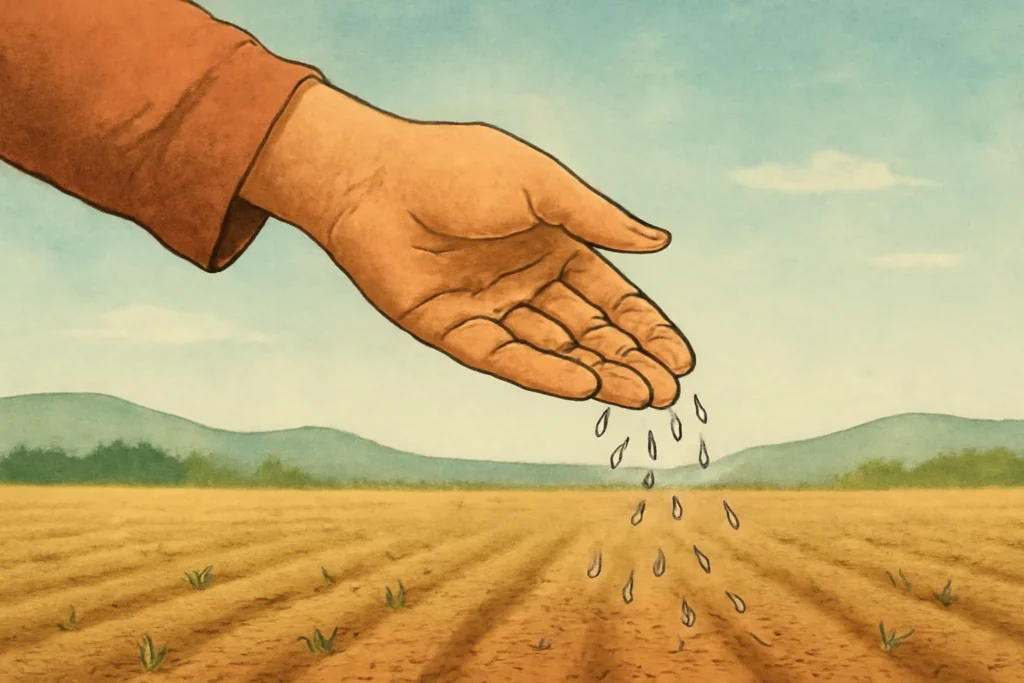
The image of sowing seeds appears repeatedly in Scripture as a rich metaphor for how spiritual truths take root, grow, and yield fruit in lives and communities. When we talk about sowing seeds in a biblical sense, we are inviting contemplation about how faith, wisdom, and grace are dispersed into the world and into our inner lives. The act of scattering seed is both simple and profound: it involves intention, action, and a trust that life will respond to faithful effort in ways that are often unseen at first.
In this article we explore Bible verse sowing seeds from several angles: the deeper meaning behind the imagery, how the practice is rooted in biblical narratives, the role of prayer in guiding our seed-sowing, and practical lessons for discipleship, family life, community service, and daily work. We will use variations of the phrase to reflect different facets of the same biblical truth—that God invites us to participate in the ongoing work of spreading life, truth, and hope through deliberate, faithful acts.
Meaning of Sowing Seeds: A Multi-Faceted Metaphor
The concept of sowing seeds in Scripture is not merely about agriculture; it is a language for how God’s truth is introduced, received, and transformed in human hearts. When seeds are sown, three dynamics are at work:
Seed-bearing truth: The kernel of a message, a promise, or a character virtue is planted into a receptive soil.
Soil receptivity: The ground into which seed is cast represents the readiness of a person or a community to receive, nurture, and protect what is planted.
Harvest potential: With time, care, and favorable conditions, what has been sown can mature into fruit—growth, transformation, and visible change.
In biblical terms, planting often carries a sense of intentional discipleship: to sow is to participate in the larger drama of God’s Kingdom, where small, faithful acts multiply beyond our immediate sight. A key phrase you will encounter is The seed is the word of God (Luke 8:11, KJV), which anchors the idea that the best seed we sow is divine truth—truth that invites trust, repentance, and new life.
The Seed, the Soil, and the Harvest: A Trinitarian Read
A helpful way to approach the imagery is to distinguish three linked realities:
The seed as information, instruction, or blessing—whether it is a Bible verse, a moral insight, or a moment of mercy that becomes contagious when shared.
The soil as the person or community’s openness, experiences, and spiritual posture that determine how well the seed takes root.
The harvest as the long-term outcome—a transformed character, revived relationships, or a strengthened church family that bears witness to God’s activity.
Across the biblical witness, sowing seeds is inseparable from the promise that God honors faithful efforts even when immediate results aren’t visible. That trust—this posture of hopeful waiting—encourages steady, consistent sowing rather than sporadic, performance-driven attempts.
Key Biblical Imagery and Variations: How the Metaphor Expands
Across the Gospels and the broader biblical narrative, several variations of the seed metaphor help us think about sowing in different life contexts. Below are some prominent threads you will encounter as you study the idea of sowing seeds in faith.
Parable of the Sower (Matthew 13; Mark 4; Luke 8): A central teaching about how different soils receive the same seed and produce different outcomes. This parable emphasizes discernment, patience, and the different paths a message may travel in a listener’s heart.
Seed Time and Harvest (Genesis 8:22; poetic restatement across Scripture): A reminder that seasons matter. What is sown in love and truth often requires time to mature before a harvest appears.
Sowing and Reaping (Galatians 6:7-9; 2 Corinthians 9:6-8): A principle of reciprocity—the type and measure of what you invest tends to shape what you receive, whether in character or provision.
Planting Seeds in the Word (Colossians 3:16; James 1:21): The Bible itself invites readers to receive and pass on wisdom as a form of seed that yields spiritual fruit in community life.
The Sower’s Example (Jesus as Teacher and "sower" in the world): The life of Jesus models fearless generosity in sowing truth, mercy, and grace even when seed falls on wary hearts.
Theologically, these variations encourage a holistic view: sowing seeds is not only something you do with your words; it is a posture of living out the gospel through your choices, relationships, and service. When we see seed-sowing as an ongoing practice, we recognize that the fruitfulness of our efforts depends on alignment with God’s timing and power, not solely on our own energy.
Prayer and Sowing Seeds: Partnering with God in the Work
Prayer is not a substitute for action, but a vital partner in the work of sowing seeds. Through prayer, believers align their hearts with God’s purposes, discern where to scatter seed, and seek grace for persistent, patient engagement. Prayer invites three capacities into seed-sowing:
Discernment: Asking God to reveal where the ground is ready and what kind of seed is most beneficial for a given moment.
Boldness: Moving forward with generosity and clarity, even when the outcome is uncertain.
Patience: Recognizing that growth often happens beneath the surface and may require enduring seasons of waiting.
In practical terms, prayer can guide everyday actions: choosing to invest time in mentoring a younger believer, sharing a thoughtful verse with a friend, supporting charitable work, or encouraging a neighbor facing hardship. The idea of seed-bearing prayers is that what you ask God to foster in others may take on a life of its own, growing in ways you cannot fully foresee.
Pray for receptive hearts: that the ground of another’s life would be softened to receive truth and grace.
Pray for wise timing: that you would not force seeds into hard soil or scatter them where they will not take root.
Pray for perseverance: that your acts of sowing would endure through disappointment and seeming fruitlessness.
When prayer and action converge, sowing seeds” takes on a deeper spiritual authority. It becomes less about technique and more about obediential partnership with God’s gracious activity in the world.
Practical Lessons: How to Apply Seed-Sowing Principles in Daily Life
In Personal Growth and Formation
Personal growth is often a fruit of disciplined sowing. The seeds of wisdom, discipline, and virtue—when planted in a receptive heart—mature into habits that shape character. Consider these practical steps:
Set small, regular practices—daily or weekly habits that cultivate spiritual attention, such as scripture reflection, journaling, or accountability partnerships.
Share what you are learning with others. Even brief insights can become seed for someone else’s growth.
Evaluate and adjust your “soil” by asking: What conditions in my life are helping or hindering the growth of truth I’m trying to sow?
The biblical call to continuous growth is echoed in passages about maturing in faith and renewing the mind. When you think of seed-sowing in this context, you are really cultivating a fertile inner soil that bears fruit in patience, humility, and steadfast love.
In Relationships and Community Life
Relationships provide abundant opportunities to scatter seeds of mercy, truth, and encouragement. The gospel-centered approach to relationships emphasizes generosity of spirit and practical service.
Speak words that heal, build trust, and invite others toward hopeful future visions.
Offer acts of service—helping in times of need, listening without judgment, and standing with the vulnerable.
Mentor and model integrity and faithfulness for younger believers, letting your life be a seed that others imitate in good ways.
The harvest of such sowing is not always immediate, but the biblical narrative consistently demonstrates that small, steady acts of grace accumulate into meaningful transformation across communities.
In Leadership, Ministry, and Service
For those involved in leadership or ministry, sowing seeds takes both strategic planning and spiritual sensitivity. You may sow through preaching, teaching, and purposeful outreach, but you also sow through relational leadership, mentorship, and equitable stewardship.
Plan your initiatives with intention, aiming for sustainable impact rather than quick wins.
Invest in people—raise others up by entrusting responsibilities and offering feedback that fosters growth.
Resource wisely—align your financial and material resources with what will most effectively advance compassion and truth in the long term.
A practical principle undergirding all of this is the awareness that seed sowing in leadership is about creating environments where good seed can take root and flourish, even if immediate results aren’t visible.
Sowing Seeds in Family Life
Families are micro-communities where seeds of faith, values, and character are planted across generations. The aim is not perfection, but faithful cultivation. Think of seed-sowing in family life as a rhythm of blessing, correction, and hopeful expectation.
Teach consistently through both word and deed, modeling the faith you hope to pass on.
Pray together as a family, inviting mutual encouragement and shared discernment about life decisions.
Celebrate small fruits of character growth and acts of kindness, reinforcing positive soil conditions for future seed growth.
The Bible treats the family as a foundational seedbed for the wider church and world. By sowing seeds of faith at home, you contribute to a harvest that reaches far beyond the walls of your house.
What does it mean to sow seeds biblically? It means deliberately sharing truth, grace, and life-affirming action in ways that invite growth, trust, and response in God’s timing.
Is seed sowing only about preaching? No. It encompasses teaching, mentoring, acts of mercy, fair dealing, and living out gospel-values in everyday moments.
What is the relationship between sowing and reaping? Sowing and reaping describe a principle of reciprocity: the nature of what you invest tends to shape what you receive, yet the timing and form of the harvest may vary.
How do I know what seed to sow? Seek discernment through prayer, scripture, wise counsel, and attentive observation of needs in your community and in your own life’s context.
What if I don’t see fruit? Faithful sowing often bears fruit in ways that are gradual, hidden, or different from your immediate expectations. Trust God’s timing and continue to sow in consistent love.
Conclusion: A Life of Consistent, Hopeful Seed-Sowing
Sowing seeds is more than a technique; it is a way of living that aligns daily actions with divine purposes. Across biblical narratives, seed-sowing invites believers to participate in God’s creative work: to bring light into darkness, hope into despair, and truth into confusion. The practice rests on three anchor convictions: the power of the seed (the Word, truth, and grace) to transform lives; the importance of soil (a receptive heart or community ready to nurture growth); and the gracious patience of God who brings harvests in his good time.
Whether you are sowing seeds in your own life, in your family, in your church, or in your wider community, you are joining a long tradition of faithful labor that God blesses and multiplies. May you cultivate soil that welcomes truth, scatter seed with courage and compassion, and await the harvest with quiet confidence in God’s promise to bring growth from even the smallest acts of faithfulness.



Leave a Reply