Introduction: Bible Verse for Resurrection and Faith
The theme of resurrection stands as one of the most transformative
teachings in the Christian scriptures. It anchors hope, reframes suffering, and
anchors believers in the conviction that life does not end with death. The verses
collected here—often called “Top Passages for Resurrection”—offer not only
doctrinal clarity but also practical encouragement for daily faith. Whether you are
exploring these verses for personal devotion, teaching a study group, or seeking
comfort in times of trial, these passages invite you to press deeper into the
reality of new life in Christ.
What the Resurrection Means in Scripture
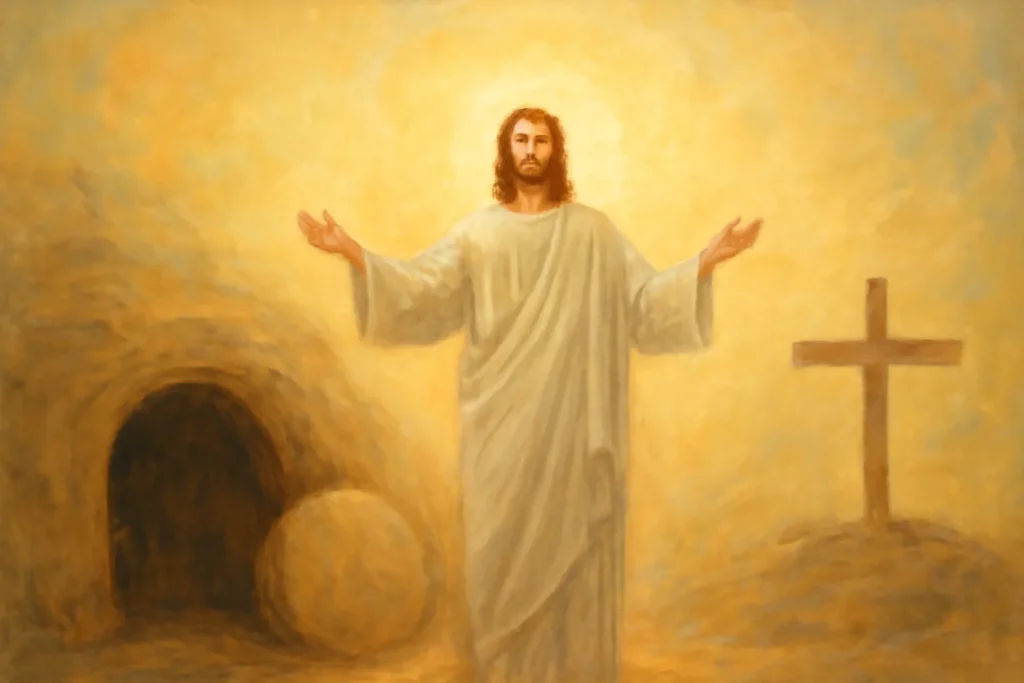
In the Bible, resurrection is both a historical event (the empty tomb and the
bodily rise of Jesus) and a living hope that reaches forward to all who are in Christ.
It carries several important nuances:
Historical reality: The resurrection is presented as a real event in history, witnessed by many, and verified through eyewitness accounts and fulfilled prophecy.
Personal life: Believers are invited into a new quality of life—not merely existence continued after death, but a transformed life here and now.
Future hope: Scripture often points to a future resurrection—the gathering of God’s people, the renewal of all creation, and eternal life with God.
Cosmic renewal: The resurrection is linked to the larger story of God’s redemptive work in the world—the defeat of death and the dawning of a new creation.
Jesus, the Resurrection and the Life
A foundational claim in Scripture is that Jesus Himself stands at the center of
resurrection. He is described not merely as a victor over death but as the very
source of life for those who trust Him.
John 11:25-26 (Jesus speaks as the Resurrection and the Life)
“Jesus said unto her, I am the resurrection, and the life: he that believeth in
me, though he were dead, yet shall he live: And whosoever liveth and believeth in me
shall never die. Believest thou this?”
This passage centers the person of Christ as the definitive source of life. The claim
isn’t merely about an event in history but about a present reality—life that begins
with faith in Jesus and continues beyond physical death. In devotional practice, this
verse invites believers to center their trust in Christ’s power over life and death,
and to ask, Who is Jesus to me? The answer shapes how one faces mortality,
grief, and the longing for meaning.
John 5:28-29 (A universal call to the resurrection)
“Marvel not at this: for the hour is coming, in the which all that are in the graves
shall hear his voice, And shall come forth; they that have done good, unto the
resurrection of life; and they that have done evil, unto the resurrection of damnation.”
In this text, resurrection is framed as a future, universal event tied to God’s voice and
justice. It emphasizes accountability and hope—the assurance that life will be
vindicated and that history is moving toward a divine resolution. For readers, it
signals that faithfulness now has enduring significance, and that God will bring about
ultimate justice and renewal.
Luke 24:5-6 (The risen Lord is not here; He is risen)
“And they were afraid, and bowed down their faces to the earth, saying unto them, Why
seek ye the living among the dead? He is not here, but is risen: Remember how he spake
unto you when he was yet in Galilee.”
The resurrection announcement in Luke’s account interrupts fear with a
proleptic invitation into new life. The narrative invites readers to look away from
death’s realm and toward the living Christ. In sermons or personal study, this verse
can be a hinge: when you feel overwhelmed by circumstances that seem final, remember
that Jesus has conquered the grave and invites you into new life, even in the present
moment.
Matthew 28:5-6 (The tomb is empty; He has risen)
“The angel answered and said unto the women, Fear not ye: for I know that ye seek Jesus,
which was crucified. He is not here: for he is risen, as he said.”
Matthew’s account underscores the certainty of the resurrection as foretold by Jesus
himself and fulfilled in the events after the crucifixion. The refrain He is risen
becomes a proclamation that defeats despair and redirects attention from loss to life.
Resurrection and New Life for Believers
The New Testament often connects the resurrection of Christ with the future and ongoing
experience of believers. The language of being made alive, raised to new life, and
sharing in Christ’s victory anchors both theology and practical faith.
Romans 6:4-5 (New life in Christ through resurrection)
“Therefore we are buried with him by baptism into death, that like as Christ was raised up
from the dead by the glory of the Father, even so we also should walk in newness of life.
For if we have been planted together in the likeness of his death, we shall be also in the
likeness of his resurrection.”
These verses link baptism, death, and resurrection into a single pattern: death to the old
self and a new life marked by obedience, hope, and transformation. The phrase walk in newness of life captures a daily experiential reality—faith that reshapes
attitudes, choices, and relationships because of Christ’s victory over death.
1 Corinthians 15:20-22 (Christ the firstfruits; all shall be made alive)
“But now is Christ risen from the dead, and become the firstfruits of them that slept.
For since by man came death, by man came also the resurrection of the dead. For as in
Adam all die, even so in Christ shall all be made alive.”
Paul grounds hope for believers in the pattern of Jesus’ resurrection as the
firstfruits—a preview of what is to come for all who are in Christ. This passage
foregrounds the cosmic scope of resurrection and the decisive intervention of God in
history. It also speaks to a corporate hope: the community of faith shares in the
same destiny because Christ has already inaugurated new life.
“Knowing that he which raised up the Lord Jesus shall raise up us also by Jesus, and shall present us with you.”
This verse widens the horizon beyond the individual to the community of faith. The
resurrection is not merely a personal event; it is a divine act that culminates in a
shared presence with one another in the presence of Christ. The emphasis on God’s power
to raise both Jesus and believers reinforces confidence in the ongoing work of God in
our lives and in the church.
1 Thessalonians 4:16-17 (The coming of the Lord and the resurrection of the dead)
“For the Lord himself shall descend from heaven with a shout, with the voice of the
archangel, and with the trump of God: and the dead in Christ shall rise first: Then we
which are alive and remain shall be caught up together with them in the clouds, to meet the
Lord in the air: and so shall we ever be with the Lord.”
This passage provides a vivid picture of the future resurrection and the transformation
of those who are alive at Christ’s return. It emphasizes both consolation and
exhortation: comfort for sorrowing families, and motivation to live in light of the
imminent, glorious reunion with the Lord.
Revelation 1:18 (Christ, the living One who once was dead)
“I am he that liveth, and was dead; and, behold, I am alive forevermore, Amen; and have the
keys of hell and of death.”
In apocalyptic literature, resurrection language points to the ultimate triumph of Christ
over death and the assurance of eternal life for God’s people. This verse embodies
both victory and authority—the One who conquers death now holds the keys to life and
judgment, inviting believers into confident hope.
“For I know that my redeemer liveth, and that he shall stand at the latter day upon the
earth: And though after my skin worms destroy this body, yet in my flesh shall I see God.”
Though not a direct New Testament text, this ancient poem expresses a personal
conviction about a living Redeemer and a future resurrection. It provides a bridge
between the Old Testament hope in God’s vindication and the New Testament revelation of
Jesus’ victory over death. For readers today, it affirms that faith can endure even in
the face of decay and loss because God’s redemptive power remains intact.
Additional Passages for Broader Reflection
Beyond the core verses, several additional passages deepen the theme of resurrection and
encourage practical faith:
Philippians 3:10-11 (the power of His resurrection and the hope of the
resurrection of the dead)
1 Peter 1:3-4 (blessed be the God and Father, who according to his abundant mercy
has begotten us again unto a lively hope by the resurrection of Jesus Christ from the dead)
— the inheritance kept in heaven for you.
John 14:19 (Because I live, ye shall live also; the promise of an intimate, ongoing
relationship with Christ)
Romans 8:11 (The Spirit of him who raised Jesus from the dead dwells in you; he will
give life to your mortal bodies)
How to Use Resurrection Verses in Personal Faith and Prayer
Verses about resurrection are powerful when they guide practice as well as belief. Here are
practical ways to engage these passages:
Memorization and reflection: Choose a verse or two each week to commit to memory, then
reflect on what the verse teaches about Christ, life, and hope.
Journaling: Write a short entry about how the resurrection shapes your day-to-day
decisions, attitudes toward difficulty, and perspective on suffering.
Prayer: Use the verses as prompts for prayer—express gratitude for life, seek
strength in hardship, or pray for others who are grieving.
Study and discussion: In a group setting, discuss the implications of the
resurrection for ethics, mission, and community life.
Liturgy and worship: Include resurrection-centered songs, readings, and
affirmations in corporate worship to reinforce the message of life conquering death.
Questions to Explore in Personal Study
How does understanding Jesus as the Resurrection change how I view death? Consider both
fear and faith, and how Christopher’s victory reorients your priorities.
What does it mean to live in newness of life? Identify concrete changes you sense
in your daily routines, attitudes, and relationships when you trust in the risen Lord.
How do resurrection promises shape my hope for the future? Reflect on the nature of
heaven, the resurrection of the dead, and God’s renewing work in all creation.
In what ways does the resurrection empower mission? Consider how victory over death fuels
evangelism, mercy, and justice in your community.
Conclusion: The Promise of Renewal
The Bible’s resurrection passages are not merely doctrinal statements; they are living words
that invite trust, shape behavior, and comfort hearts. Through the words of Jesus, the
roar of the empty tomb, and the witness of the apostles, believers encounter a God who
defeats death and offers eternal life with Him. In every season—joy, sorrow, trial,
or triumph—the resurrection message remains a steadfast anchor: Christ is alive,
and because He lives, we too have hope for present life and a future beyond death.
If you are building a study plan around these verses, consider a simple rhythm: read a
passage, listen to a short reflection, and then write one personal takeaway for faith,
hope, and love. Over time, these passages become less about distant doctrine and more
about the living presence of God at work in your life. The ultimate destination is not
merely knowledge but transformed living—faith that endures, hope that anchors, and love
that overflows because of the resurrection of Jesus Christ.










Leave a Reply