Bible Resurrection Power: Unlocking Divine Strength and Hope
The idea of resurrection power is not a distant spiritual concept reserved for a few biblical heroes. It is presented in Scripture as a transformative force that God makes available to all who trust in the risen Christ. This article explores what the power of the resurrection means, where it comes from, and how it can be accessed in everyday life. By surveying biblical foundations, exploring practical applications, and addressing common questions, we will see how divine strength and hope are not merely doctrinal ideas but living realities for believers today.
What is Resurrection Power?
Resurrection power is the dynamic energy that God released when Jesus rose from the dead and that the Holy Spirit continues to work in the life of a believer. It is not simply a historical event; it is a present force that renews, restores, and empowers. When the Bible speaks of the power of the resurrection, it is referring to God’s ability to bring dead things to life—physically, spiritually, and morally—and to sustain that life amid trial and change.
Several facets help us understand this power more clearly:
Creative power—the same power that spoke creation into existence now breathes life into people who feel spiritually exhausted or dead in their sin.
Transforming power—not just a quick fix, but a thorough transformation that touches mind, heart, desires, and habits.
Empowering power—enabling courage, endurance, and faith when circumstances are intimidating or overwhelming.
Hope-giving power—in the face of suffering, injustice, or loss, resurrection power sustains hope through the confidence that God can redeem all things.
In a biblical sense, this power is not a force that believers exert by their own strength alone. Rather, it is the Spirit of the Risen Jesus working in and through believers to accomplish God’s purposes. The apostle Paul often described this as a living union: Christ dwelling in us by faith and the Spirit empowering us to live according to God’s new creation order.
Foundations in Scripture
The Gospels and the Empty Tomb
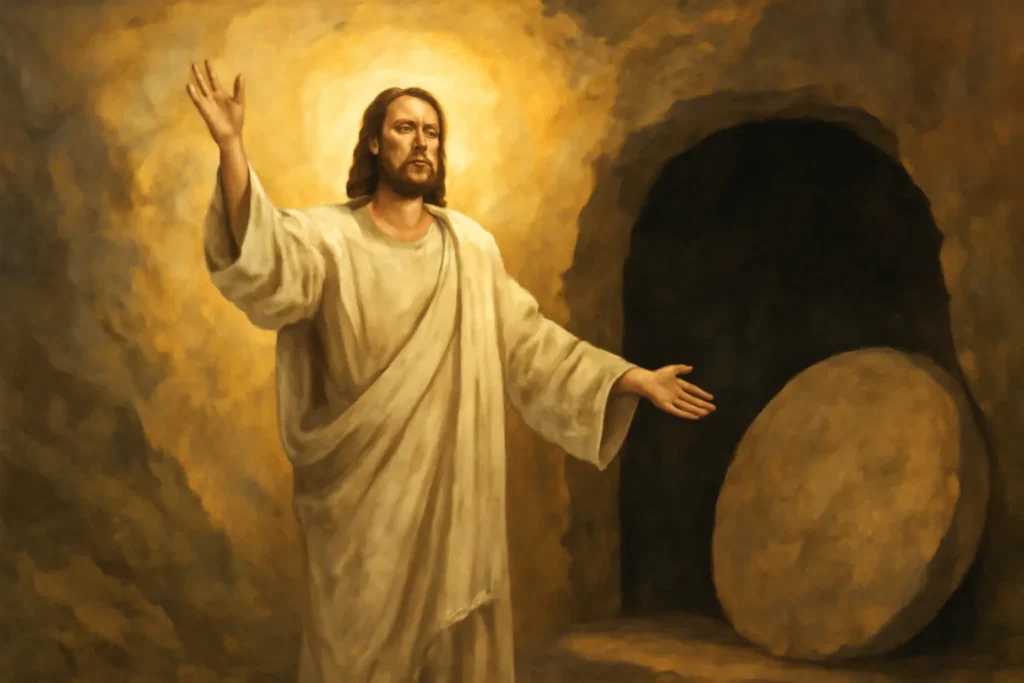
The narratives of Jesus’ resurrection show us the first demonstrations of resurrection power. The Empty Tomb is not just an event to be remembered; it is the inauguration of a new era. The apostles and eyewitnesses witnessed the risen Christ, and their testimony proclaimed a power that overcomes sin, fear, and death. When the women encountered the risen Lord, and when Thomas touched the wounds, they discovered a living reality—the Risen Christ who speaks, reveals, and invites trust.
Key themes emerge from these accounts:
The resurrection validates Jesus as the Son of God and the promised Messiah.
It inaugurates a new covenant reality in which believers participate in Christ’s victory.
It releases a mission: to proclaim good news of new life to all nations.
The Apostolic Witness
Paul’s letters elaborate what the resurrection power means for those who belong to Christ. The apostle argues that the Spirit who raised Jesus from the dead now dwells in believers (Romans 8:11). This is not a distant miracle but a present experience: the same power that transformed Jesus’ tomb into a tomb of life now works in the church to reform hearts, renew minds, and overcome the old, sinful pattern of life.
Important biblical statements about this power include:
New creation reality—through resurrection life, believers become a “new creation” (2 Corinthians 5:17).
Victory over sin—resurrection power empowers faithful living over habitual patterns of sin (Romans 6:4-6).
Hope for suffering—even in pain, the power of the resurrection anchors hope (1 Peter 1:3-4).
Old Testament Shadows
While the full revelation of resurrection power comes in the New Testament, the Old Testament hints at God’s life-giving power in ways that point forward to Christ. The famous vision of Ezekiel in the valley of dry bones is a vivid image of how God can reanimate what is lifeless. Though addressed to a historical context, it informs our understanding of spiritual renewal and national restoration—two clear indicators of the broader impact of God’s life-giving power.
The prophet’s proclamation of God’s word precedes life being breathed into what is lifeless.
God’s initiative—breathing life—produces a new, living people with a fresh identity.
These images foreshadow how all who trust in the risen Messiah participate in transformative life.
How Resurrection Power Changes Life
The impact of the power of the resurrection on daily life is multifaceted. It touches both inner life and outward behavior, creating a holistic change that believers can experience and cultivate.
Renewed mind—resurrection power reorients desires and thoughts toward God and his kingdom. The renewal process begins with refreshing the mind through truth and ends in how we live.
Overcoming fear—confidence in the risen Christ replaces fear with courage that endures adversity and injustice.
Healing and restoration—emotional, relational, and sometimes physical healings accompany the work of divine life within a person.
Purpose and mission—instead of a life defined by lack or aimlessness, resurrection power unleashes a clear sense of calling and contribution.
Freedom from bondage—power over self-destructive patterns and addictive cycles becomes possible as God’s life takes root.
In addition to personal transformation, resurrection power also shapes how communities of faith function. It fosters unity, mutual service, and a shared hope that transcends present troubles. When believers live out this power together, they embody what the Bible sometimes calls a “new humanity”—a community marked by love, justice, and resilience.
The Role of the Holy Spirit in Resurrection Power
The Spirit as the Enabler
Central to experiencing divine strength is the ongoing presence and work of the Holy Spirit. The Spirit acts as the divine enabler who applies the benefits of the risen Christ to the life of believers. The outward signs—peace, patience, kindness, and self-control—often reflect the internal work of the Spirit grounding resurrection realities in daily life. In Paul’s letters, the Spirit is the one who breathes life into the church and empowers believers to live as faithful witnesses to the gospel.
The Spirit and Spiritual Reality
When we speak of the Spirit’s activity, we are describing a dynamic that includes conviction, empowerment, comfort, guidance, and intercession. Resurrection power is not merely about strength in battle but about a trustworthy relationship with God who gives life. The Spirit also produces in believers a deep “firstfruits” sense—a present experience of future glory that anchors hope here and now.
Accessing Resurrection Power in Daily Life
How can a person access and cultivate this divine strength in ordinary days? The Bible presents several pathways that help believers live in the power of the resurrection rather than in a weakened, defeated state.
Faith in the Risen Christ
Access begins with faith: trusting in the risen Jesus as Lord and Savior who defeated sin and death. This trust is not a one-time decision but a daily reliance that invites the Spirit to work. In practical terms, faith means turning to God in prayer, worship, and ongoing dependence on Christ’s finished work.
Engaging with the Bible actively—meditating on verses about life, renewal, and power—stirs up spiritual vitality. The Word of God exposes false narratives and replaces them with truth that aligns the heart with God’s purposes. Regular study helps believers recognize when they are living out of the flesh versus living by the Spirit’s power.
Prayer and Obedience
Prayer is not merely asking for strength; it is a posture of dependence that invites God’s life into every area of living. Paired with obedience, prayer becomes a conduit through which resurrection power flows. Practices such as confession, supplication for others, and worship cultivate receptivity to divine energy in daily tasks and long seasons of trial.
Community and Accountability
Resurrection life is often realized most fully in community. Christian communities provide encouragement, accountability, and shared practices that sustain faith when personal strength flags. The “one another” language of Scripture (encouraging, bearing burdens, praying for one another) is a practical framework for experiencing the power of God in communal life.
Spiritual Disciplines and Testimony
Practices such as fasting, Sabbath rest, and fasting for spiritual renewal help create space for God to work. Personal testimony about encounters with the risen Christ reinforces faith and helps others recognize God’s power at work in real life scenarios.
Common Questions and Misunderstandings
As people explore the topic of resurrection power, several questions commonly arise. Here are some of the most frequent concerns and how the Bible addresses them.
Is resurrection power only for “super Christians”? No. The Bible frames resurrection life as available to all who trust in Christ, though maturation and fruitfulness may vary by الله’s gracious work in a believer’s life.
Can resurrection power mean instant perfection? It often leads to transformation, but the process of sanctification is typically gradual. God’s power strengthens us to endure and grow, not to pretend we are flawless.
What about suffering? Resurrection power gives meaning and endurance in suffering, reminding us that God can bring about good through struggle and that our future glory far outweighs present pain (Romans 8:18).
How do we distinguish genuine power from hype? True resurrection power bears fruit in love, humility, and honest dependence on Christ, not in showy demonstrations or coercive manipulation.
Applying Resurrection Power to Suffering and Hope
Life in a fallen world includes pain, injustice, and loss. Resurrection power offers a framework for navigating such realities with greater resilience and hope.
Hope beyond circumstances—the risen Christ is the "firstfruits" of a coming fullness; this anchors our expectations beyond present conditions.
Compassion that heals—the power of the resurrection compels believers to act justly, love mercy, and walk humbly with God, bringing relief and dignity to those who suffer.
Endurance through trials—the Spirit’s energy strengthens perseverance, enabling believers to endure long seasons without surrendering faith.
Meaning in pain—even pain can be stewarded as a way to participate in the suffering of Christ, shaping character and testimony that point others to hope.
In practical terms, this means cultivating habits that align life with resurrection reality: regular worship, service to others, and a posture of gratitude even in hardship. It also means naming the places where hope feels fragile and inviting God to breathe life into those areas again.
Living as a People of Power and Hope
To live under the banner of Bible resurrection power is to embrace a lifestyle shaped by the inevitability of God’s new creation. It means recognizing that the present age is breaking into the age to come through Christ and the Spirit. The church, then, is not merely a club of moral improvement but a cohort of witnesses who bear the living Christ to a watching world.
Consider these guiding practices for a life marked by resurrection vitality:
Worship as response—regular worship keeps the risen Jesus at the center, cultivating awe and trust in God’s power.
Mission in daily life—seeing ordinary tasks as opportunities to exhibit God’s life—homes, workplaces, schools, and neighborhoods become arenas where resurrection dynamics work through love, service, and gracious truth-telling.
Hope-filled storytelling—sharing how God is renewing things in personal life encourages others and witnesses to the reality of a living God.
Steadfast faith in trials—being willing to endure, to ask for healing where it is sought, and to offer patient endurance when timing differs from our desires.
Historical and Theological Significance
Throughout church history, believers have connected resurrection power to both a future hope and a present ethical transformation. The early church linked the resurrection to the proclamation that God’s kingdom is breaking into the present age through the church’s life and mission. Theological voices across centuries have emphasized that new creation life is not a spiritual escape but a radical reorientation of all of life toward God’s reign of justice, mercy, and love.
In this sense, resurrection power becomes a hermeneutic for reading Scripture and interpreting life: it helps believers understand suffering as meaningful within God’s sovereign plan, and it empowers them to engage the world with courage and mercy. The Christian hope rests, not on a distant memory of an event, but on a living relationship with the Risen Lord who continues to work in history through the Spirit.
Practical Steps: A Sample Plan to Experience Resurrection Power
If you are seeking to experience more of this divine energy in daily life, you can begin with a simple, repeatable plan that invites God to act in practical ways. Here is a sample three-week cycle you can adapt to your context:
Week 1: Re-center on the risen Christ — spend ten minutes daily in focused prayer focusing on the resurrection narratives and what they imply for your life. Keep a journal of insights and areas for renewal.
Week 2: Invite the Spirit to empower your actions — identify one area of life that feels stagnant or fearful (relationships, work, health). Pray for courage and take one concrete step each day that aligns with faith, even if small.
Week 3: Engage the community — join or form a small group for sharing testimonies of God’s faithfulness, praying for one another, and studying resurrection passages. Practice serving someone in tangible ways each week.
Over time, the repetition of focused prayer, Scripture engagement, and community support helps the heart awaken to divine strength and hope that are not contingent on outward circumstances but rooted in the reality of the risen Lord.
Conclusion: Living in the Reality of the Risen Life
Ultimately, Bible resurrection power is about more than personal energy or spiritual adrenaline. It is the divine life of God at work in and through you, initiating a chain reaction of renewal that touches every corner of life. It invites believers to live as people of hope in a world that longs for transformation. It invites courage in the face of fear, mercy in times of division, and perseverance when darkness seems persistent.
As you explore this power, you may find yourself drawn to a few enduring truths:
The Risen Christ is present with you by the Holy Spirit, shaping character and guiding decisions.
The Spirit’s energy empowers you to love, serve, and endure in ways that human effort cannot achieve alone.
Living in union with the resurrection is a daily invitation to participate in God’s redemptive work in the world.
May you experience the depth of resurrection life, taste the sweetness of hope that cannot be extinguished, and become a channel through which others encounter the transformative power of God. By centering your life on the reality of the risen Jesus and opening yourself to the Spirit’s work, you can embrace a life that is both rooted in eternity and fully engaged with the present moment—all for the glory of God and the blessing of your neighbors.







Leave a Reply