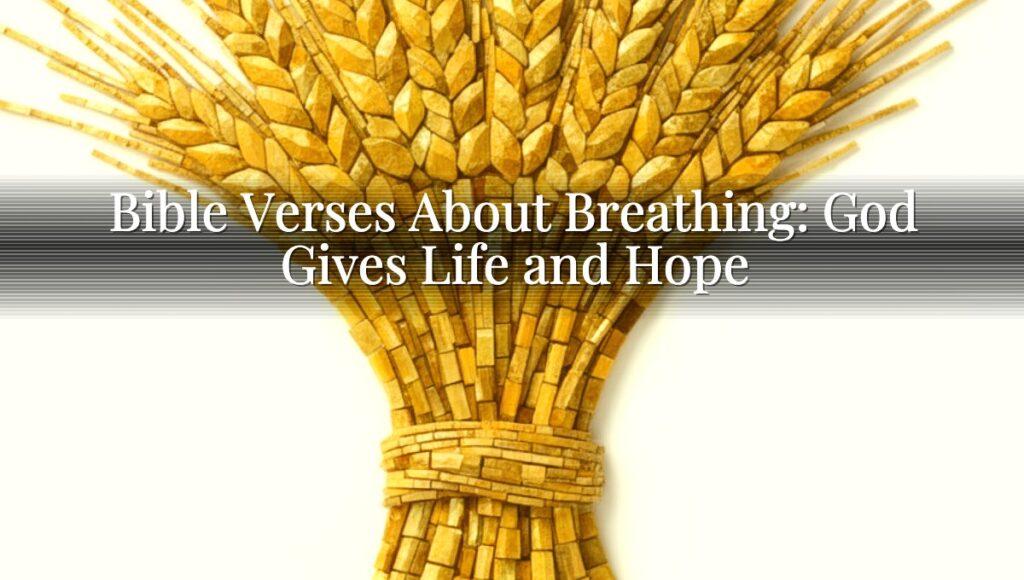
Bible Verses About Breathing: God Gives Life and Hope
Quick Answer: Bible verses about breathing remind us that God is the Giver of life. Scripture portrays God breathing life into us, restoring breath to the dead, and empowering believers through His Spirit. When we recognize that our breath is from the Lord, we can respond with worship—praising Him with every breath we have.
Have you ever paused, aware of your next breath, and wondered where it truly comes from? The Bible answers with tenderness and strength: God breathes life into people, God restores breath when hope seems gone, and God invites praise from every living heart. Across Scripture, breathing is more than biology—it’s a spiritual reminder that life is received from the Lord, not manufactured by human effort. When we slow down and reflect on bible verses about breathing, our worship becomes more intentional, our prayers more honest, and our courage more grounded. Whether you’re facing fatigue, grief, anxiety, or simple weekday busyness, these verses help you remember: your breath is held in the hand of God. As we study them, we’ll see how the same breath that fills the lungs also points us to the Spirit who gives real life and lasting hope.
At a Glance — Verses in This Article
Genesis 2:7
Ezekiel 37:9-10
Job 33:4
Psalms 150:6
Bible Verses
Genesis 2:7 (King James Version)
“And the LORD God formed man of the dust of the ground, and breathed into his nostrils the breath of life; and man became a living soul.”
This verse directly connects God’s breathing into humanity with the beginning of life—perfect for themes of breath and the breath of life.
Ezekiel 37:9-10 (King James Version)
“Then said he unto me, Prophesy unto the wind, prophesy, son of man, and say to the wind, Thus saith the Lord GOD; Come from the four winds, O breath, and breathe upon these slain, that they may live. So I prophesied as he commanded me, and the breath came into them, and they lived, and stood up upon their feet, an exceeding great army.”
God calls for breath from the winds and brings the dead back to life, showing that divine breath can restore what seems impossible.
“The Spirit of God hath made me, and the breath of the Almighty hath given me life.”
Job attributes his life to the Spirit of God and the breath of the Almighty, linking breathing to God’s empowering presence.
Psalms 150:6 (King James Version)
“Let every thing that hath breath praise the LORD. Praise ye the LORD.”
This verse summons all living breath to praise the LORD, turning the awareness of breathing into worship.
God breathes life into us (breath is a gift, not a right)
The first breath you ever took was not accidental. In Genesis 2:7, the LORD God forms humanity and then “breathed into his nostrils the breath of life; and man became a living soul.” That means life begins with God’s action, not human achievement. It also means your breath today is a continuing reminder: you are upheld by God’s involvement, even when life feels ordinary.
When the Bible describes God breathing, it’s teaching something more than a creation moment. It’s revealing a relationship. The God who breathed life into Adam still cares for living souls. So when you feel weak—physically, emotionally, or spiritually—remember that your existence is not self-sustained. Your next breath is not a guarantee you earned; it is a mercy you received.
This helps us pray differently. Instead of treating God like a distant help when things go wrong, we approach Him as the true source of life. The Creator who breathed into the first man also sustains every living person. That truth can steady your heart when you don’t know what tomorrow holds.
At the same time, recognizing God as the Giver of breath prepares us for the next theme: when God acts, breath can also mean restoration. Scripture doesn’t only show life’s beginning—it shows life’s return when hope collapses. And that leads us to Ezekiel’s vision, where God’s command over breath becomes a demonstration of His power.
God restores breath when hope feels dead (the wind and the impossible)
Sometimes the hardest part of faith is living in the space between “this can’t work” and “God, do it anyway.” In Ezekiel 37:9-10, God speaks to the wind and commands it to come from the “four winds.” The vision is startling: “Come from the four winds, O breath, and breathe upon these slain, that they may live.” The result is even more powerful—“the breath came into them, and they lived, and stood up upon their feet.”
This scene carries comfort for anyone facing grief, discouragement, or spiritual dryness. The words “slain” and “stood up upon their feet” highlight a transformation from lifelessness to living presence. In other words, God’s breath is not limited by circumstances. He can bring movement where there seems to be none, and vitality where there appears to be only ruin.
A devotional takeaway is this: God’s ability to restore is not only about the physical realm. The Bible frequently uses breath and life as symbols of renewal. Ezekiel’s vision reminds us that God can revive what feels dead inside—confidence, calling, courage, trust.
When you feel stuck, try praying with the language of surrender. Ask God to send His Spirit—His breath—into what seems beyond rescue. And remember that restoration often begins with obedience. Ezekiel “prophesied as he commanded me.” God’s promise followed the act of faith.
Job and the psalmist reinforce this same theme: life is from God, and breath leads to worship. The restored soul is not meant to live only for survival, but for praise.
Breathing through the Spirit leads to worship (life should praise God)
If God is the source of life, then worship is the appropriate response. In Job 33:4, Job says, “The Spirit of God hath made me, and the breath of the Almighty hath given me life.” Job doesn’t treat breathing as neutral or merely natural. He recognizes breath as Spirit-given.
This recognition matters on regular days—not just special church moments. When you wake up, go to work, care for your family, or face an unexpected trial, you can quietly remember: the same Almighty breath that gives life is still active. That mindset doesn’t erase problems, but it changes how you interpret them. You begin to see yourself as a dependent person upheld by God.
Then Psalms 150:6 brings the purpose into focus: “Let every thing that hath breath praise the LORD. Praise ye the LORD.” Breath is not only evidence that you’re alive; it’s an invitation to respond. Since everything that has breath is called to praise, your worship isn’t limited to when you feel strong, articulate, or emotionally steady.
So what does it look like? Praise can be simple and immediate: a whispered “Lord, thank You for today,” a Psalm spoken in the middle of a hard moment, or a short prayer of gratitude before you speak to others. The Bible frames breath as the ongoing soundtrack of worship.
When you connect Job’s Spirit-and-breath theology with the psalm’s command, you get a clear devotional rhythm: receive life from God, then return praise to God. That is why studying Bible passages about breathing and praise is more than curiosity—it’s a call to realignment.
Pray with your breath: turn awareness into trust and praise
Try this simple practice when you feel anxious, tired, or spiritually “dry.” First, pause for one full minute and become aware of your breathing. As you inhale, remember Genesis 2:7—God breathed life; you are not self-made. As you exhale, offer a short prayer of dependence.
Second, when you feel like something inside you is dead or stuck, use the hope of Ezekiel 37:9-10. Pray: “Breath, come. Spirit of God, breathe on what feels lifeless.” Then do one obedient step you can take today (send the message, write the plan, apologize, forgive, serve). Ezekiel’s vision followed God’s command through his faithful words.
Third, align your heart with Job 33:4 by recognizing that your life is Spirit-given. Instead of saying “I’m coping by willpower,” say “God, I’m sustained by Your breath.”
Finally, make worship practical. Use Psalms 150:6 as your daily rule: if you have breath, praise the LORD. Set a repeatable moment—before meals, after waking, or during a commute—and praise God specifically for something He has done (provision, protection, mercy, guidance).
Over time, this turns breathing from background noise into a continual reminder of God’s presence. That reminder strengthens faith and transforms ordinary moments into worship.
Frequently Asked Questions
What do the Scripture about God’s breath verses teach me about life?
They teach that life is a gift from God. God breathed life into humanity, and the Spirit and breath of the Almighty sustain believers. When you remember this, you move from self-reliance to trust, and your prayers become more God-centered.
Where can I find verses on the breath of life in the Bible?
Genesis 2:7 is the clearest starting point, because it says God breathed into human nostrils the breath of life. Together with Job 33:4, it shows that breathing is tied to the Spirit’s giving of life, not just natural processes.
How do Bible passages about breathing and praise shape worship in daily life?
They connect your physical breath to spiritual response. Psalms 150:6 calls everything that has breath to praise the LORD. So worship isn’t only for church services—it can be practiced in ordinary routines whenever you remember God is the source of life.
What the Bible says about the Spirit and breath when I feel spiritually stuck?
Ezekiel 37:9-10 shows God commanding breath so that the dead can live again. That vision encourages you to pray for restoration and then respond with obedience. God can revive what feels lifeless, including hope and faith.
A Short Prayer
Lord, thank You that every breath is a gift from Your hand. Teach us to recognize that You are the Giver of life, and that Your Spirit can restore what seems dead. When we face fear, grief, or spiritual dryness, breathe hope into our hearts. Turn our awareness of breathing into worship, so that with every breath we praise You. In Jesus’ name, amen.
Key Takeaway: God’s breath gives life, restores hope, and calls us to praise Him with every moment we are able to breathe.