Cross with Palms: Techniques, Benefits, and Common Mistakes
Cross with Palms: Techniques, Benefits, and Common Mistakes
Cross with Palms is a versatile hand alignment and coordination pattern used across movement practices, meditation, and expressive arts. The basic idea is to bring the hands into a cross position—whether by crossing the wrists, layering the palms, or pressing the palms together in a cruciform arrangement—and to coordinate this position with breath, posture, and movement. In practice, variations of this pattern appear in dance sequences, martial arts stances, yoga-inspired flows, and even in somatic therapies that emphasize body awareness. This article explores the techniques, benefits, and common mistakes associated with cross-with-palms work, and it provides clear instructions, variations, and drills you can try to build skill safely and effectively.
At its core, Cross with Palms refers to a family of hand and arm configurations in which the palms meet, cross, or interlace in a pattern that creates a visual and tactile “X” across the center of the body. This is not a single pose but a range of positions that share a common principle: using the cross of the palms to cue alignment, balance, and intentional breath. Depending on the discipline, the cross might occur at the heart center, at the midline of the torso, behind the back, or in front of the body. When practiced with mindful breathing and stable posture, the cross-with-palms motif can help coordinate upper body awareness with core engagement, shoulder stability, and mental focus.
Techniques and Variations
Below are several practical variations of cross with palms you can explore. Each variation includes setup, steps, and cues. You can treat these as stand-alone practices or weave them into a larger routine.
Variation 1: Crossed Palms at the Heart (Prayer-Style Cross)
Stand or sit with feet hip-width apart or comfortably grounded. Ensure a neutral spine and relaxed shoulders.
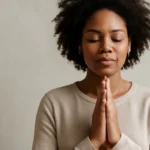
Bring your hands together in front of the chest as if in prayer, but cross the wrists so that the palms face each other and the edges of the hands form a cross at the center of the sternum.
Keep the elbows soft and let the breath flow in and out through the nose. Inhale to lengthen the spine; exhale to deepen the cross and release any tension in the shoulders.
Optional: press the palms gently together to create a stable, slightly resistant surface, then release and return to a neutral resting position.
Repeat for 6–12 breaths, maintaining light engagement in the core to stabilize the torso.
Cues: align the head over the spine, soften the jaw, and maintain even weight distribution between both feet. This variation emphasizes centered breath and quiet focus.
Variation 2: Front-Cacing Cross (Palms Interlaced in Front)
Stand with feet shoulder-width apart or adopt a shallow squat for additional grounding.
Extend the arms forward so that the elbows are slightly bent and the forearms create a gentle arc at about chest height.
Cross the palms by placing the right palm above the left, then externally rotate the wrists so that the palms press toward each other in a soft, controlled manner.
Keep the shoulders away from the ears; drop the chin slightly to lengthen the back of the neck.
Breathe in for a count of four as you hold, then exhale for four while maintaining the cross. Release and repeat 6–10 times.
Notes: this variation emphasizes coordination of forearm rotation and scapular stability. If you feel strain in the wrists, reduce the height of the arms or hold for shorter durations.
Variation 3: Cross Behind the Back (Back-Cross Palms)
Stand tall with a neutral pelvis. Bring both arms behind your back, allowing the hands to approach one another from opposite sides.
Cross the wrists so that the palms touch or nearly touch behind the spine, forming a soft cross at the thoracic level.
Keep the shoulders broad and down; gently lift the chest to create space across the collarbones.
Hold for 4–6 breaths, then slowly release and return to the starting position. Repeat 4–6 times.
Applications: this variation can be used as a posture reset during long desk days or as a preparatory movement in warm-ups for upper-body work. It invites a gentle opening across the chest and a mindful reset of breathing patterns.
Variation 4: Dynamic Cross with Breath (Fluid Crosses)
Stand with feet grounded, arms relaxed at your sides.
Inhale and raise the arms to shoulder height, crossing the forearms so that the palms nearly touch in front of the chest. The cross should occur at the level of the heart while the elbows soften.
As you exhale, draw the arms outward and downward in a sweeping arc, allowing the hands to return to the sides in a natural, uncrossed position.
Repeat the cycle for 8–12 breaths, translating the cross from one side to the other by slight wrist adjustments.
Tip: keep the movement smooth and controlled; avoid forcing the cross when the shoulders or wrists feel tight. This variation trains rhythmic breathing and proprioception.
Variation 5: Diagonal Cross with Interlaced Palms (X-Pattern at Midline)
Stand with a comfortable stance; bend the knees slightly to reduce load on the spine.
Bring the hands to chest height, crossing the right palm over the left and then interlace the fingers so both palms press together, creating an X-shaped contact along the midline.
Hold for a short pause, then slowly release the fingers and separate the hands. Repeat 5–8 times, alternating which hand is on top.
Benefit: this variation fosters bilateral coordination and helps re-establish a balanced sensation between the right and left sides of the body.
Breathing, Posture, and Alignment
Effective cross-with-palms work benefits from integrated breathing, stable posture, and mindful alignment. Here are some guiding principles to maximize safety and results:
Breath alignment: coordinate each cross with a natural inhale or exhale. For many variations, an inhale as you prepare and a slow exhale as you settle into the cross helps foster ease and control.
Postural support: maintain a tall spine, gentle engagement of the core, and relaxed shoulders. Avoid letting the ribs flare outward or the neck compress forward.
Wrist comfort: keep wrists in a neutral plane; avoid extreme flexion or extension. If you experience numbness or tingling, reduce range of motion or adjust hand positions.
Gradual progression: begin with short holds or light, fluid transitions. Increase duration and complexity only after the movement feels stable and natural.
Benefits of Cross with Palms
Engaging in cross-with-palms practices offers a mix of physical, cognitive, and emotional advantages. Here are the key benefits, organized by domain:
Physical coordination: the cross pattern challenges neuromuscular connections between both sides of the body, promoting bilateral coordination and improved proprioception.
Shoulder and thoracic mobility: certain cross variations encourage gentle opening of the chest, scapular mobility, and thoracic spine rotation without demanding high-load ranges.
Postural awareness: maintaining a tall spine during cross movements reinforces posture cues that transfer to daily activities and other workouts.
Breath control: coordinating breath with the cross helps cultivate diaphragmatic breathing and reduces tension in the neck and face.
Mindfulness and focus: the deliberate positioning of the hands and the slow, intentional movement promote present-moment attention and reduce cognitive scatter.
Expressive and functional applications: the cross-hand motif appears in dance choreography, martial arts forms, and even certain therapy-based movements that rely on patient, controlled hand alignment.
Common Mistakes and How to Avoid Them
As with most movement patterns, there are pitfalls that can undermine benefits or cause discomfort. Here are common mistakes you might encounter, along with practical fixes:
Shoulder tension: pulling the shoulders up toward the ears during the cross. Fix: drop the shoulders down and away from the ears; rotate the arms from the shoulder socket rather than tensing the upper trapezius.
Wrist misalignment: bending the wrist unnaturally or collapsing the angle when crossing the palms. Fix: keep wrists neutral, use a light grip, and avoid forced pressure at the joints.
Over-rotation: twisting the forearms or wrists beyond comfortable range. Fix: stay within a gentle arc; if you feel pins and needles, pause and adjust the cross to a safer angle.
Breath-holding: holding the breath while establishing the cross. Fix: adopt a steady, nasal breath pattern; use percussive exhalations only if comfortable and appropriate to the drill.
Grip intensity: gripping too tightly when pressing the palms together. Fix: soften the grip, focus on spatial awareness and light contact, not force.
Neck alignment: jutting the chin forward to monitor the cross. Fix: tuck the chin slightly and lengthen the back of the neck; gaze softly forward or downward to maintain neck neutrality.
Rushed transitions: moving too quickly between cross patterns, which reduces stability. Fix: move slowly and deliberately, preserving control at all times.
Inadequate warm-up: performing cross variations when the wrists, shoulders, or spine are stiff. Fix: start with a short mobility warm-up for the wrists, shoulders, and thoracic spine before attempting cross patterns.
Practice Structures: How to Incorporate Cross with Palms into Routines
To build skill and reliability, you can structure practice sessions around micro-sequences that integrate cross-with-palms into broader movement work. Here are several scalable formats you can use:
Short warm-up: begin with 3–5 minutes of gentle wrist and shoulder mobility, followed by two sets of the Variation 1 (Crossed Palms at the Heart) for 6 breaths each.
Mid-workout reset: insert a two-minute dynamic cross sequence between larger sets to re-center posture and breathing.
Core-integrated circuit: pair cross variations with simple core activations, such as a gentle standing march or pelvic tilts, to weave breath, balance, and stability together.
Cooldown and reflection: finish with a longer hold of a cross variation in a low-load position, using slow exhalations and a calm mind to consolidate proprioception and calm the nervous system.
Progressions and Variations for Different Levels
Whether you are a beginner or more advanced practitioner, you can tailor cross-palms work to fit your level of strength, mobility, and familiarity. Consider the following progressions:
Beginner: perform variations at a comfortable height (chest or lower) with shorter holds and more emphasis on breath and alignment rather than depth of the cross.
Intermediate: incorporate small rotational elements at the thoracic spine while keeping the cross stable, increasing hold times to 8–12 breaths per variation.
Advanced: add transitional sequences that flow from one variation to another, maintaining continuous breath and smooth arm paths, or pair with light resistance (e.g., resistance bands) to increase stability demands.
Variations Across Contexts: Semantics and Applications
While the core idea remains the same, the linguistic breadth of cross-with-palms terminology often reflects the context. Here are some variations you might encounter across fields, along with their typical focus:
Crossed-Palms in Yoga and Meditation: emphasis on breath, heart openness, and subtle thoracic mobility; often performed in a calm, slow tempo.
Interlaced Palms or X-Hands in Dance: used as a visual and kinetic motif within choreography, emphasizing timing and spatial awareness.
Cross-Over Palm Press in Martial Arts: may function as a guard or transitional cue in forms and drills, with attention to wrist stability and quickness.
Crossing Hands in Somatic Therapy: focuses on body awareness, sensory feedback, and release of habitual tension patterns in the upper body.
Diagonally Crossed Palms in Fitness Circuits: introduces a diagonal cross to engage oblique strength and rotational control.
Safety Considerations
As with any movement practice, safety should guide your approach to cross with palms. If you have a history of wrist, shoulder, or elbow injuries, or if you experience pain during any variation, consult with a qualified professional before continuing. General safety tips include:
Start slowly and respect your current range of motion; never force a cross beyond what feels comfortable.
Warm up thoroughly the wrists, forearms, shoulders, and upper back before attempting more complex patterns.
Use a mirror or alignment cues to monitor shoulder placement and spine length.
Keep breathing steady and avoid breath-holding, which can increase tension and reduce joint safety.
Hydrate and listen to your body’s signals; if you feel dizziness, numbness, or unusual pain, stop and reassess alignment.
Sample 15-Minute Practice Plan
If you want a concise, well-rounded session that covers the basics and a couple of variations, try this 15-minute plan. It balances mobility, control, and mindful breathing.
Variation 1 – Heart Cross (3 breaths x 3 rounds): perform Crossed Palms at the Heart as described, maintaining neutral spine and relaxed jaw.
Variation 2 – Front-Centric Cross (4 breaths x 3 rounds): practice Front-Cross with controlled rotations and soft elbows.
Breath-Linked Flow (3 minutes): cycle through two to three transitions between variations with a smooth, continuous breath pattern.
Cooldown (3 minutes): return to a gentle, uncrossed posture; finish with a brief, mindful breathing exercise and a light shoulder release.
Incorporating Cross with Palms into Daily Life
Beyond structured practice, you can weave cross with palms into everyday routines to reinforce body awareness and calm focus. Here are practical ideas:
Desk reset: during short breaks, stand, perform a quick front-facing cross, and take five slow breaths to reset posture.
Move breaks: alternate between a heart-cross and a behind-the-back cross to encourage movement variety throughout the day.
Mindful transition: use a light cross when transitioning between tasks to signal a mental shift from one activity to another.
Incorporating cross with palms into your movement toolkit can yield meaningful improvements in posture, coordination, breath control, and mental clarity. The key is to approach each variation with intention, align the hands and wrists comfortably, and synchronize the cross with a relaxed, even breath. By exploring the different variations—from heart-centered crosses to behind-the-back configurations—you gain a flexible framework for cultivating bodily awareness, expressive control, and functional mobility. Whether you are an athlete, a dancer, a yogi, or someone seeking a mindful daily practice, the cross-with-palms motif offers a simple but powerful set of tools to help you move with intention and ease.








Leave a Reply