Bible with Bible Cover: The Ultimate Guide to Choosing the Right Cover
A well chosen bible cover can protect one of the most cherished religious texts
while also adding a touch of personal style. Whether you are gifting a bible cover to a student, a pastor, or a family member, understanding the options helps you make a smart, long-lasting choice. This guide explores the concept of a bible cover, explains the different materials, sizes, and features, and offers practical advice for selecting the right cover for any bible edition or size.
Introduction to the concept: what is a Bible cover?
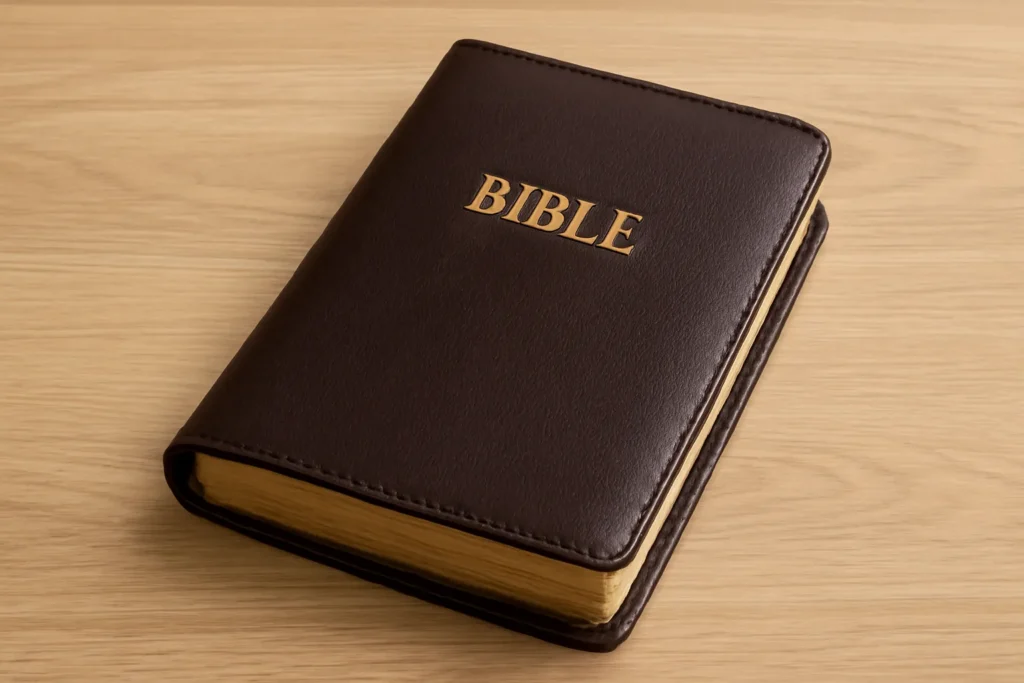
A bible cover (also called a bible sleeve, scripture cover, or holy bible case) is a protective outer layer designed to shield a Bible from wear and tear. Beyond basic protection, a reliable cover can provide convenient storage, portability, and a sense of reverence. When you choose a suitable option, you’re investing in the longevity of your bible while keeping it accessible for daily reading, study, or travel.
In this guide we will use variations such as bible cover, bible case, and scripture cover interchangeably to describe the broader category. The key idea remains the same: a purpose-built accessory that protects pages and bindings, supports organization, and reflects the wearer’s or giver’s values.
What factors influence the right Bible cover?
When selecting a cover, several considerations come into play. The right choice balances protection with practicality, aesthetics, and budget. The most important questions to ask are:
What size is your bible (standard, large print, journaling edition, study edition, or a pocket format)?
Which material aligns with your needs for durability, maintenance, and ethics (leather, faux leather, fabric, canvas, or nylon)?
What features will be most helpful (pockets, pen loop, zipper, handle, shoulder strap, or interior organization)?
Where will the cover be used most (home, church, travel, school, or outdoor settings)?
What is your budget, and what value do you place on aesthetics, personalization, or religious symbolism?
Types of Bible covers and how they differ
Bible covers come in a range of styles. Understanding the main categories helps you narrow the field quickly.
Soft-shell covers
These covers use flexible materials such as bonded leather, microfiber, canvas, or fabric. They offer
lightweight protection and pliability, often with interior pockets and a simple closure system. Soft-shell
covers are ideal for daily carry, desk use, or tucking into a bag without adding much bulk.
Hard-shell covers
With a rigid exterior, hard-shell cases provide superior protection against bending and pressure. They are often
favored by travelers or people who carry multiple items in a bag. Inside, you’ll typically find padding to keep
the pages safe, though hard-shell designs can be bulkier.
Leather and faux leather
Leather covers—whether genuine or vegan—offer a classic, durable option with natural aging and a premium feel.
Faux leather covers vary in texture and finish, offering a similar look at different price points. Both leather and
faux leather get better with care and regular conditioning services, and they are excellent for long-term use.
Fabric and canvas options are often lighter and more colorful. They are typically easier to customize with
embroidery or printing and can be machine washable depending on the construction. These are popular for youth
groups, school use, or casual settings.
Specialized features
Some Bible covers include features tailored to specific needs, such as:
Internal pockets for notepads, receipts, or study guides
Pen loops and bookmark ribbons for easy reference
Exterior pockets for business cards or prayer cards
Carrying handles or adjustable shoulder straps for portability
Water-resistant coatings or padding for extra protection
Materials and durability: what to know
The material choice heavily influences durability, maintenance, and look-and-feel. Here are the main categories with their
advantages and trade-offs:
Leather (genuine): excellent durability, develops a unique patina, and is easy to condition. It often carries a premium price and requires regular care to prevent cracking or drying out.
Faux leather:-leather look at a lower price—often more resistant to water and easier to clean, but may not age as gracefully as real leather.
Fabric (cotton, canvas, nylon): lightweight, colorful, and washable in many cases. Best for casual use and youth groups; may require liners or padding for protection.
Microfiber: soft, moisture-wicking, and gentle on pages—great for minimizing surface scratches and offering a smooth interior.
Regardless of material, check for quality sewing, reinforced corners, and secure closures. A well-made bible cover should retain its shape, resist tearing at stress points, and close securely to protect the edges of the pages.
Bibles come in many sizes, and a properly sized bible cover protects rather than crowds or binds the pages.
Before purchasing, measure your book: the height, width, and thickness. If you have a study edition with notes,
a larger cover or a cover with extra depth might be necessary.
Standard Bible sizes: many covers are designed for Bibles around 6–7 inches in width and 9–11 inches tall.
Large print and study editions: these can be significantly thicker; look for extra interior depth or a size explicitly labeled for “large print” or “study edition.”
Pocket or compact Bibles: these require slim, snug covers that maintain portability.
Some bible with bible cover options are designed to accommodate extra features like notes or prayer indexes. If you plan to carry a journal or a compact Bible study guide, consider covers that add interior space or pockets without making the external dimensions unwieldy.
Key features to consider when selecting a Bible cover
When evaluating products, compare the total value: durability, material quality, features, and how well the cover fits the workbook or study notes in your copy of the bible.
Choosing by audience and use case
The best Bible cover for one person might not be the best for another. Consider the context in which the coverage will be used most often.
Students and youth
For students, durability and affordability are often key. Look for lightweight fabrics in bright colors or patterns, with straightforward closures and plenty of pockets for a small notebook and a pen. A bible cover designed for daily transport in a backpack should resist wear and moisture while staying comfortable to carry.
Families and home use
At home or in family settings, a timeless look with durable construction is valuable. Leather or faux leather options with a classic finish pair well with other desk items and weather different seasons. Extra room for notes or a devotional guide inside the cover can be advantageous for family study time.
For clergy and teachers, a professional look with professional details matters. A bible case that offers secure closure, a robust handle for carrying between rooms, and room for study references is practical. Personalization such as a name or church logo can add a respectful and meaningful touch.
Care and maintenance: keeping the cover looking its best
Proper care extends the life of a bible cover, whether it is leather, faux leather, fabric, or canvas.
Leather: Regular conditioning with a product suitable for leather helps prevent cracks and dryness. Clean with a soft, damp cloth and avoid harsh chemicals.
Faux leather: Wipe with a damp cloth; avoid high heat or direct sunlight for extended periods to prevent cracking.
Fabric: For machine-washable fabrics, follow the care label. Spot-clean stains promptly to minimize set-in marks.
Storage: Store in a cool, dry place away from direct sunlight to preserve color and material integrity.
If the cover accumulates dust or grime, a gentle approach—such as a soft brush or cloth—will usually suffice. Always check the manufacturer’s cleaning instructions before applying any product or solvent.
Budget considerations: investing in value
Bible covers span a wide price range. It’s possible to find a quality bible cover for a modest budget, and some premium options can justify their higher price with enhanced materials and features.
Entry-level (fabric or basic faux leather): typically the most affordable and great for first-time buyers or casual use.
Mid-range (better leatherette, padded interiors, organized pockets): balances cost with durability and convenience.
Premium (genuine leather, superior craftsmanship, personalization): offers longevity and a refined aesthetic, often a gift-worthy choice.
When budgeting, consider not only the initial purchase price but also the expected lifespan, maintenance costs, and how long you plan to use the cover.
Carefully compare options: quick buying checklist
Use this concise checklist to compare bible covers side by side before purchasing.
Size compatibility with your bible edition
Material type and maintenance needs
Protection level (padding, corner guards)
Closure system and ease of access
Storage features (pockets, pen loop, bookmark ribbon)
Portability features (handle, strap)
Durability of stitching and hardware
Warranty or return policy
Personalization options and aesthetics
Common questions about Bible covers
Here are answers to some frequently asked questions, based on practical experiences and typical buyer concerns.
Will a larger cover protect a smaller Bible? Yes, as long as the cover doesn’t stretch too much and the closure remains secure, extra room can prevent pressure on the binding. However, a too-loose fit may lead to shifting or bending corners.
Can I use a Bible cover for study notes and journals? Many covers include interior pockets and a slot for a bookmark, making them well-suited for keeping notes handy during study sessions.
Is it better to choose genuine leather or faux leather? For long-term use and a classic appearance, genuine leather is preferred. For budget-conscious buyers or vegan preferences, faux leather provides a durable alternative with easier maintenance.
How do I personalize a Bible cover? Embroidery, debossing, or printed designs can add meaningful personalization. Ensure the personalization method does not compromise the cover’s durability or texture.
Conclusion: embracing the right cover for the Bible
A thoughtful choice of bible cover can enhance the experience of reading, studying, and carrying the Bible every day. Whether you opt for a scripture cover in a bright canvas, a timeless leather case, or a practical fabric sleeve, the right cover safeguards the sacred text while reflecting personal values and daily needs. The ultimate aim is to find a cover that is durable, fits your edition precisely, and offers the features that simplify your routine—whether you are a student, a teacher, a parent, or a pastor.
Remember: the bible cover is more than an accessory. It is a companion for study, worship, and reflection. By prioritizing fit, material, and features, you can ensure your Bible remains in pristine condition for years to come, ready for sermons, classroom lessons, or quiet personal devotion.








Leave a Reply