Bible Covers: The Ultimate Buying Guide for Durable, Stylish Bible Cases
A Bible cover is more than just a protective sleeve. It is a practical accessory that can extend the life of your sacred text, keep your study tools organized, and reflect your personal style. Whether you carry a compact pocket Bible or a large traditional edition, the right cover helps guard against wear and tear while making it easier to transport and study. In this buying guide, you’ll find a comprehensive overview of the factors that matter, the different types and materials available, and practical tips to choose a Bible case that is both durable and stylish.
Why use a Bible cover?
There are several compelling reasons to invest in a dedicated Bible cover. A good cover can
Protect pages from creases, stains, and moisture
Provide organization with pockets for pens, highlighters, bookmarks, and notes
Prevent surface wear on corners and spine, extending the lifespan of your Bible
Offer a sense of ownership and personal expression through color, texture, and design
Make carrying easier with a shoulder strap or hand grip in larger models
When you choose a Bible cover, you are balancing protection with convenience and aesthetics. The best choice depends on how you use your Bible, where you study, and your budget.
Types of Bible covers
The market offers a broad spectrum of options. Here are the main categories, with examples of what to expect from each:
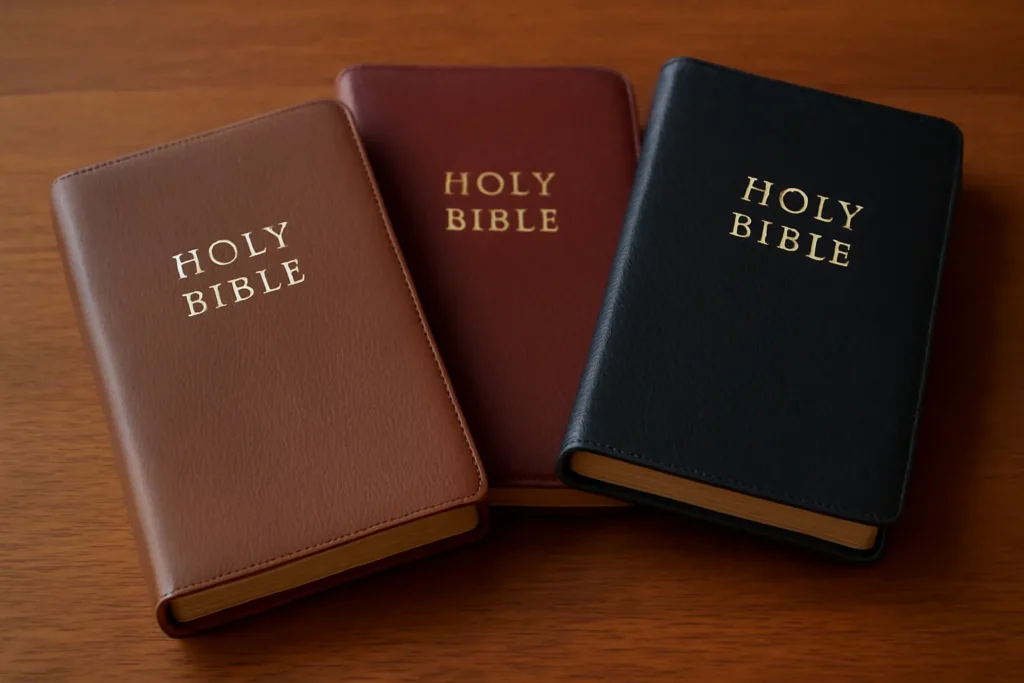
Leather and faux leather Bible covers
Genuine leather Bible covers are classic, durable, and develop a patina over time. They are often more expensive but can last decades with proper care.
PU leather (polyurethane) and other faux leathers provide a similar look and feel at a lower price, with varying levels of durability.
Benefits: premium feel, water resistance to some extent, and lasting finish when treated properly.
Fabric and canvas covers
Materials include canvas, denim, cotton twill, and synthetic blends.
Pros: lighter weight, often more affordable, and available in bright colors or patterns.
Cons: may require more maintenance to stay clean; some fabrics absorb stains more easily than leather.
Soft sleeves and zipped pouches
These are slim, flexible sleeves that slip the Bible inside. Some include a zipper closure for extra security.
Best for: lightweight travel, quick access, and everyday carry.
Think of these as protective exteriors with a solid outer face or case. They guard against crushing and are often used for transporting large study Bibles or during travel.
Consider if you frequently move between classes, seminars, or road trips where impact protection matters.
Materials in depth: choosing the right cover for your lifestyle
Material choice influences durability, weight, maintenance, and feel. Here is a more detailed look at popular options:
Leather varieties
Genuine leather: durable, develops character with use, but may require conditioning to prevent drying out.
Full-grain leather: premium option with excellent natural strength; high-end, but pricey.
Nubuck or suede accents: soft feel and distinct texture, but more susceptible to staining if not cared for.
Leather alternatives
PU leather: affordable, animal-friendly, with good durability for everyday use.
Vinyl and synthetic blends: budget-friendly and water-resistant; check for a smooth finish to prevent cracking.
Fabric options
Canvas: rugged and washable; good for travelers and students with active lifestyles.
Denim: casual look; pairs well with youthful or contemporary fashion tastes.
Polyester blends: often water-resistant and easy to clean, with bright prints and patterns.
Closure options: security and ease of use
How a Bible cover closes affects accessibility, protection, and style. Consider:
Zipper: provides comprehensive closure; reduces the risk of pages spilling out.
Buckle or snap: fast and reliable; adds rugged character, especially in leather models.
Magnetic snap: convenient and quick to open, but make sure it won’t accidentally snap shut in a bag.
Elastic bands or tie closures: minimalist and flexible, often found on fabric sleeves.
Size and fit: what size Bible cover do you need?
Bibles come in a few standard sizes, and covers are designed to fit those sizes securely. The most common categories include:
Compact or pocket Bibles: small, portable, and easy to slip into a bag or purse.
Standard or medium Bibles: the most common size for personal study editions and many classroom Bibles.
Large print or study Bibles: bigger and heavier; requires a larger cover with ample interior space.
Holsters and slim sleeves for digital Bibles or slim paper editions when you want minimal bulk.
Tip: always check the interior dimensions before purchasing. A cover labeled “standard” might be slightly loose on a very compact Bible if the manufacturer uses a different measurement standard. It’s also worth measuring your Bible’s thickness to ensure the cover accommodates bulkier margins or notes.
Key features to look for in a Bible cover
Beyond material and size, several features can make a cover much more functional. Consider these:
Pockets and slots for bookmarks, business cards, prayer lists, or study notes
Pen loop for highlighters or ink pens to keep your writing tools handy
Ribbon bookmarks to easily locate familiar pages
Interior lining that resists abrasion and helps prevent ink transfer
Card slots and ID windows for student IDs or library cards
Exterior gussets or expandable sections to accommodate a thicker Bible
Protective corners or reinforced edges for enhanced durability
Water resistance or splash protection for travel in unpredictable weather
Style and personalization: making the cover uniquely yours
One of the joys of choosing a Bible cover is the opportunity to express your personality while keeping your sacred text safe. Styles range from traditional, understated finishes to bold, colorful patterns. Here are some common styling options:
Solid colors for a professional or minimalist look
Patterned fabrics or embossed designs for a lively or refined appearance
Monogramming or debossing for a personalized touch
Two-tone or contrast stitching to add visual interest and highlight craftsmanship
Personalization can be more than aesthetics. It can help you quickly identify your Bible in a classroom or church setting, reducing the risk of mix-ups. If you’re shopping for someone else, consider their taste, color preferences, and whether they would appreciate an inscription or a decorative motif.
Care and maintenance: extending the life of your Bible cover
Proper care helps your Bible cover look good for years. Different materials require different routines:
Leather care
Clean with a soft, damp cloth to remove surface dust
Condition periodically with a leather conditioner to prevent cracking and drying
Avoid prolonged exposure to direct sunlight, which can fade color and dry out leather
Faux leather and fabric care
Wipe clean with a damp cloth; test cleaners on a hidden area first
Air dry away from heat sources to prevent warping or stitching damage
Spot-clean stains promptly to avoid setting them in the material
Hard-shell cases care
Wipe the exterior with a damp cloth; avoid abrasive cleaners on glossy finishes
Inspect latches and zippers for smooth operation; lubricate lightly if needed
Durability, value, and price considerations
When evaluating cost, consider the total value a Bible cover provides beyond its initial price. Here are some guiding questions:
How often will you use the cover and in what environments (school, church, travel)?
Will the cover endure handling in bags, backpacks, or suitcases?
Is the material likely to last with minimal maintenance, or does it require regular conditioning?
Do you prefer a cover that improves organization and accessibility, or one that emphasizes aesthetics?
In many cases, paying a bit more for a well-made cover with reinforced stitching, quality hardware, and a comfortable fit yields higher long-term value. Cheaper options may be an adequate short-term solution, but they often show wear sooner or lack practical features that make daily use easier.
Where to buy: shopping tips for Bible covers
There are several reliable sources for Bible covers, depending on your priorities—whether you want a traditional look, a modern design, or a customizable option. Consider:
Specialty Christian bookstores for curated selections and staff recommendations
Online retailers with extensive size and material options, user reviews, and easy return policies
Brand websites for authentic products, warranties, and often customization services
Local craft shops or leather workers for handmade pieces and unique finishes
Tip: read customer reviews focusing on fit, durability, and real-world wear. Look for notes about how the cover ages, how zippers hold up, and whether the interior pockets stay secure over time. This can save you from buying a cover that looks great in photos but performs poorly in daily use.
Guidelines for choosing the right Bible cover for you or a loved one
Use these practical guidelines to narrow your choices efficiently:
Assess your Bible size and thickness. A snug fit is better than a loose one, which could allow the Bible to slip out or get damaged.
Determine where you’ll use it. For travel or outdoor use, prioritize durable materials and water resistance; for classroom use, weight and ease of access may take precedence.
Think about organization. If you carry highlighters, pens, bookmarks, and notes, seek pockets, loops, and a pen holder.
Choose closure style based on daily habits. Zippers are secure; magnetic snaps are quick; buckles give a rugged look.
Consider personalization. If you want a gift or a family set, monograms or matching designs can be meaningful and convenient.
A few pitfalls can spoil your experience with a Bible cover. Here are common missteps and how to avoid them:
Buying a cover that is too small or too large for your Bible, causing slippage or bulk
Choosing a finish that is not suited to your climate or lifestyle (e.g., very delicate suede in rainy areas)
Overlooking maintenance needs for leather or fabric, leading to dull appearance or cracking
Neglecting to verify interior protection features like a smooth lining to prevent ink transfer
FAQs about Bible covers
Here are answers to common questions that buyers often have when shopping for Bible covers:
Q: Can a Bible cover really protect against water?
A: Most fabric or faux leather covers offer some water resistance, but if you are frequently in wet environments, look for models marketed as water-resistant or with an inner moisture barrier. For maximum protection, pair a cover with a waterproof bag or add a protective sleeve when outdoor use is anticipated.
Q: Will a hard-shell case add too much weight?
A: Hard-shell options do add weight, but they excel at protecting a large or heavily used Bible. If you travel a lot by foot or bike, you might prefer a lighter soft-shell with reinforced corners for daily protection.
Q: Are personalized covers worth it?
A: Personalization can be meaningful for gifts or family sets. It also helps you locate your Bible quickly in a pile of accessories. If you worry about monogramming affecting resale value, choose subtle, timeless typography and high-quality materials to maximize longevity.
Choosing the right bible cover is about balancing protection, comfort, functionality, and style. The market offers a wide range of options—from classic leather to durable canvas and slim sleeves—so you can find a model that fits your Bible size, daily routine, and personal taste. A well-chosen Bible cover enhances your study experience by keeping your text pristine, your writing tools handy, and your thoughts organized. It is, in essence, a practical investment in your spiritual practice and daily life.
Whether you call it a Scripture cover, a Bible sleeve, a bible pouch, or a bible case, the essential goal remains the same: guard what matters most while enriching your daily routines. Use this guide as a roadmap to navigate material choices, features, and styles so you can select a cover that is genuinely durable and stylish, and that serves you well for years to come.
Happy shopping, and may you find a Bible cover that protects your treasured text and supports your moments of study, reflection, and growth.








Leave a Reply