Introduction: A Faith-Based Path to Healing from Childhood Trauma
Healing from childhood trauma is a journey, not a single event. For many Christians, the path toward recovery is enriched by faith, Scripture, prayer, and the support of a caring community. This article offers a comprehensive, Bible-informed guide to reclaiming safety, identity, and purpose after painful early years. It invites readers to explore what it means to pursue healing and wholeness through a Gospel-centered framework, while honoring personal pace, boundaries, and accountability. The goal is not to erase the past, but to transform its impact so that pain becomes a doorway to greater resilience, wisdom, and a deeper sense of God’s nearness.
Throughout the article, you will encounter variations of language about healing—“inner healing,” “spiritual restoration,” “emotional renewal,” and “trauma recovery”—all aimed at describing the same overarching reality: God’s intention for people to live with security, dignity, and hope.
Understanding Childhood Trauma Through a Biblical Lens
Childhood trauma often involves experiences that overwhelm a child’s capacity to cope—abuse, neglect, emotional deprivation, or exposure to violence. The Bible does not romanticize pain; it speaks honestly about harm while offering a path toward forgiveness, restoration, and a new sense of self in God. In Scripture, healing is not simply the absence of symptoms but a reintegration of mind, heart, body, and relationships under God’s loving governance.
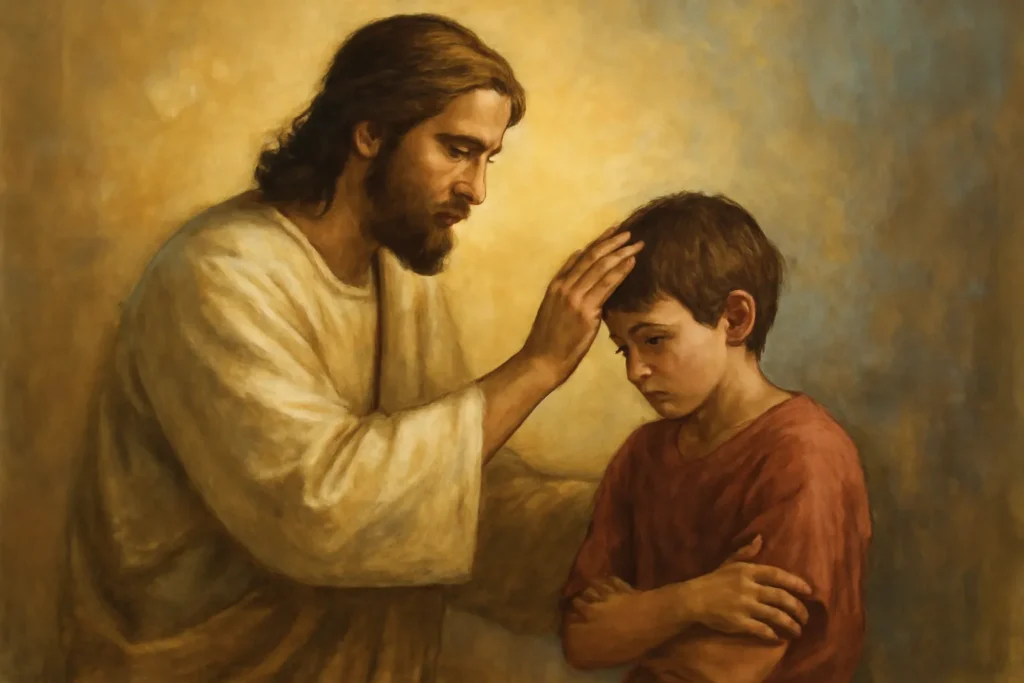
From a biblical perspective, trauma impacts identity. When a child’s sense of safety is shattered, the inner narrative may skew toward fear, shame, or self-blame. Healing begins when God’s people acknowledge the brokenness and affirm the child’s inherent worth as made in the image of God. The New Testament emphasizes that in Christ, a person is made new (2 Corinthians 5:17), yet growth often requires intentional disciplines—grace-filled community, truthful reflection, and practical steps that honor the complexity of memory and emotion.
Safety is foundational: trustworthy relationships, boundaries, and an environment of steadiness help the child begin to trust again.
Memory and processing are gradual: painful memories may resurface; processing them in a controlled, compassionate way reduces risk and supports transformation.
Identity in Christ provides an anchor: knowing that one is beloved, valuable, and not defined by past hurt helps reframe experience.
Community care matters: healing flourishes within a network of supportive friends, mentors, pastors, and counselors who embody grace and truth.
Healing, in the biblical sense, is a multidimensional process that combines spiritual formation, emotional maturity, and relational restoration. Several biblical themes consistently illuminate the journey:
Grace and mercy as the atmosphere of healing. God’s compassion invites us to step into opportunity rather than be crushed by guilt or shame.
Identity and belonging in Christ. Being created in God’s image, and then redeemed, redefines worth independent of past wounds.
Redemption and renewal that do not erase memory but transform its meaning through God’s purposes.
Healing as a community good. The Christian life is not solitary; recovery unfolds best in a supportive body of believers who practice listening, accountability, and service.
Key biblical passages—such as the promise that the Spirit brings liberty and release for captives (Luke 4:18-19), the invitation to cast burdens on God (1 Peter 5:7), and the assurance of peace that surpasses understanding (Philippians 4:7)—provide theological scaffolding for the healing journey. These verses do not deny the reality of pain; instead, they offer a framework in which pain can be met with courage, truth, and divine comfort.
Core principles for recovery
Hope grounded in God’s promises
Truth-telling in safe, trusted spaces
Boundaries that protect growth and dignity
Healing-oriented practices that honor both body and soul
A Practical, Faith-Informed Plan for Healing
Healing from childhood trauma does not happen by accident. It occurs through intentional steps that align with biblical wisdom and compassionate care. The plan below is designed to be adaptable to different ages, stages, and cultural contexts, and it can be pursued with pastoral counsel, clinical support, or both. Each step carries forward-looking language—toward freedom, security, and identity in Christ.
Step 1: Acknowledge the Pain and Name the Reality
Honest acknowledgment is not a surrender to despair but a doorway to healing. Begin by naming the experiences that caused harm and be clear about the emotions that accompany them—fear, anger, sadness, or guilt. In a safe setting, articulate what was experienced, how it affected you, and what you still carry. This stage is about truth-telling that invites compassionate response from God and others.
Scriptural anchor: Psalm 34:18—“The Lord is close to the brokenhearted and saves those who are crushed in spirit.” This verse invites readers to approach God with vulnerability and confidence that He sees and cares.
Step 2: Invite God into the Wound Through Prayer and Lament
Authentic prayer can be a vehicle for release and restoration. It is okay to mourn, question, and wrestle with God. Lament is not a sign of weak faith; it is a faithful practice that opens space for God to meet us in our pain. Use lament as a vocabulary for your experience—expressing hurt, asking questions, and requesting God’s presence and guidance.
Prominent practice: prayerful journaling that records fears, hopes, and petitions. As you write, you may sense God’s nearness or the emergence of new perspectives that shift the burden from inside you toward the footholds of healing.
Step 3: Ground Your Recovery in Scripture and Truth
Scripture can recalibrate unhealthy beliefs born from trauma. Select passages that speak to your heart’s needs—identity, safety, love, and courage—and meditate on them with intention. This practice is not about denying pain but about letting God’s truth reframe your inner narrative.
Suggested anchors: Psalm 18:2; Isaiah 41:10; Romans 8:38-39; Ephesians 3:16-19. These verses can be installed into daily routine through memory work, reflection, and creative expression such as art or music.
Step 4: Build a Compassionate, Trauma-Informed Support Network
Healing is aided by trustworthy relationships. Seek a community—whether a church group, a mentor, a counselor, or a support circle—that embodies compassion, confidentiality, and accountability. The aim is not to force premature disclosure but to gradually cultivate safety and belonging.
In this space, you can practice boundaries, tell your story at a pace that feels safe, and receive constructive care that aligns with your values and beliefs.
Step 5: Engage in Trauma-Informed Care When Appropriate
Professional guidance can be a crucial component of healing. A trauma-informed clinician or counselor recognizes the impact of early experiences, validates feelings, and teaches coping strategies that reduce re-experiencing symptoms and promote resilience. If you choose counseling, look for professionals who respect your faith traditions and can integrate spiritual perspectives with evidence-based approaches such as cognitive-behavioral strategies, mindfulness, or somatic therapies.
Important note: seeking professional care does not signify weak faith; rather, it represents courageous stewardship of the body and mind entrusted to you by God.
Step 6: Develop Daily Rhythms That Reinforce Safety and Growth
Consistent routines foster predictability and security. Build daily practices that nurture emotional regulation, physical well-being, and spiritual vitality. Examples include regular sleep schedules, balanced meals, physical activity, and a mindful Sabbath rhythm that rests the body and refreshes the soul.
Step 7: Foster Healthy Relationships and Safe Boundaries
Healthy relationships model trust, respect, and mutual care. Learn to set boundaries that protect your healing process while remaining open to connection. Boundaries may involve limiting exposure to abusive situations, communicating needs clearly, and seeking environments that affirm your worth and dignity.
In your faith community, encourage practices of mutual accountability, compassionate listening, and service that build resilience and a sense of purpose.
Spiritual Practices that Support Healing
Spiritual disciplines are not a replacement for professional help but can be powerful allies in the healing process. The following practices integrate biblical wisdom with experiential trust in God’s presence.
Scripture meditation and memorization to ground your heart in God’s promises.
Prayer of lament that names pain while inviting God’s response.
Worship and praise as a conduit for hope and renewal, especially through songs that articulate longing and trust.
Confession and repentance that acknowledge harm without dwelling in guilt, paired with forgiveness where possible and appropriate.
Sabbath rest to resist burnout, cultivate gratitude, and listen for God’s voice in stillness.
Guided practices for daily life
Gratitude journaling to notice small mercies and steady progress.
Breathing exercises or grounding techniques that tether the nervous system to present safety.
Scripture-based affirmations that reinforce identity in Christ and personal value.
Creative expression (art, music, writing) to process trauma in non-verbal ways that feel safe.
Emotions, Memory, and the Mind: Biblical Psychology for Healing
The intersection of psychology and Scripture can be described as a partnership where God’s wisdom informs our understanding of human experience. In childhood trauma, emotions may become intense or confusing as the mind works to protect itself from further harm. A biblical approach emphasizes recognizing these emotions, naming them, and learning to respond to them with wisdom rather than avoidance or self-condemnation.
Key concepts include:
Emotional regulation as a skill that can be cultivated through practice, prayer, and healthy routines.
Memory re-framing in which past events are revisited with new context and resilience, aided by the Holy Spirit and supportive relationships.
Identity reformation around being beloved children of God, not defined by trauma but transformed by grace.
Hope as a stabilizing force that persists even when memories resurface or triggers occur.
In practical terms, this means accepting that healing is often non-linear: some days bring breakthroughs; other days require gentleness and patience. Scripture encourages us to persevere, to “press on toward the goal” (Philippians 3:14), and to rely on God’s strength when our own falters.
Community and Ministry: Healing in the Body of Christ
Healing is rarely a solitary enterprise. The Christian life is meant to be lived in community, where believers bear one another’s burdens, encourage one another, and practice restorative justice within the body. A healthy church environment can be a powerful setting for trauma recovery when leaders model grace, set clear boundaries, and offer resources that honor the dignity of every person.
Healthy pastoral care
Pastors and ministry leaders can provide compassionate listening, spiritual guidance, and referrals to qualified professionals. They can model how to engage Scripture honestly with pain, while also emphasizing God’s nearness and love.
Small groups and peer support
Small groups create spaces for vulnerability and accountability in relation to faith and healing. They can offer practical help—prayer, accountability systems, and shared routines—that reinforce resilience and belonging.
Service and purpose
Engaging in meaningful service can reframe pain into purpose, reinforcing a sense of identity beyond trauma. Serving others often fosters connection, reduces isolation, and deepens spiritual meaning.
Community safety is essential. If a person is at risk of harm or re-traumatization in a church setting, it is crucial to address those risks transparently, seek professional guidance, and establish boundaries that protect healing while remaining faithful to the Gospel’s call to love one another.
Practical Tools and Resources for Families and Individuals
Practical, actionable tools complement spiritual practices. Below is a toolbox of strategies to support healing while honoring faith commitments.
Journaling kits that pair prompts with Scripture verses to guide reflection and memory work.
Trauma-informed education for families and church communities to understand triggers, reactions, and the importance of safety.
Boundaries worksheets to clarify needs, limits, and expectations in relationships.
Pastoral counseling directories and faith-integrated therapists who respect spiritual perspectives.
Mindfulness and somatic practices that are compatible with Christian practice and help regulate the nervous system.
Usage tips: start with small, consistent steps; select one or two practices that feel doable; involve a trusted confidant or mentor; and regularly review progress with accountability partners. Remember, grace and patience are essential virtues on the road to recovery.
For Parents and Caregivers: Supporting Healing in Children and Adolescents
Parents and caregivers play a critical role in signaling safety, love, and stability. The following guidelines help support a child’s healing process while preserving the parent’s well-being and faith commitments.
Validate the child’s feelings without judgment, letting them know that their emotions are real and understandable.
Maintain predictable routines to nurture a sense of safety and trust.
Model healthy coping in front of the child—talk openly about how you manage stress and how you rely on prayer, Scripture, and community.
Collaborate with professionals who understand both trauma and faith, ensuring that therapy, school plans, and home life align.
Protect boundaries to prevent harm and re-traumatization, while encouraging age-appropriate autonomy and resilience.
In guiding a child, parents can also articulate a faith-centered message: that they are loved unconditionally by God, that healing is possible, and that God is with them in every moment of fear, pain, or confusion. This message—embodied in consistent care and worshipful routines—can lay a sturdy foundation for lifelong resilience and a robust sense of purpose in Christ.
Safeguards: Ethical Considerations and Personal Pace in Healing
Healing work must proceed with caution. It is okay to slow down when memories are overwhelming. It is essential to distinguish between moments of awakening and overwhelming re-experiencing that could cause harm. If a memory surface triggers intense distress, a pause for grounding exercises, a trusted adult, or a professional can help you regain safety.
Important safeguards include:
Consent and agency in deciding what to share and when to share it.
Self-care routines that reduce burnout and protect mental health.
Confidentiality and appropriate boundaries within church communities and therapy settings.
Safety planning for individuals at risk of self-harm or unsafe environments, including contact information for crisis lines and professional support.
Remember that grace and truth work together: truth without grace can be hard, but grace without truth can enable avoidance. The healing path honors both, leading toward a robust, joyful faith and a secure sense of self in God’s love.
Conclusion: A Journey Toward Wholeness in Christ
The narrative of biblical healing from childhood trauma is not a sterile blueprint but a living, dynamic journey. It invites ongoing repentance where needed, ongoing forgiveness where possible, and ongoing reliance on God’s strength when human resources fall short. The Gospel promises not only restoration of relationship with God but the transformation of the inner life—so that freedom from fear, security in love, and identity rooted in Christ become enduring realities.
As you pursue this path, remember that you are not alone. The God who sees you—who knows the number of hairs on your head, who numbers the days of your life—also surrounds you with a community of believers, faithful mentors, compassionate clinicians, and a church body that longs for your flourishing. By integrating Scripture, prayer, community, and professional care where appropriate, you can experience a profound healing that touches every dimension of life: mind, heart, body, and relationships. May your journey toward wholeness be marked by courage, tenderness, and steadfast hope in the God who makes all things new.







Leave a Reply