Understanding the value of mission education for children
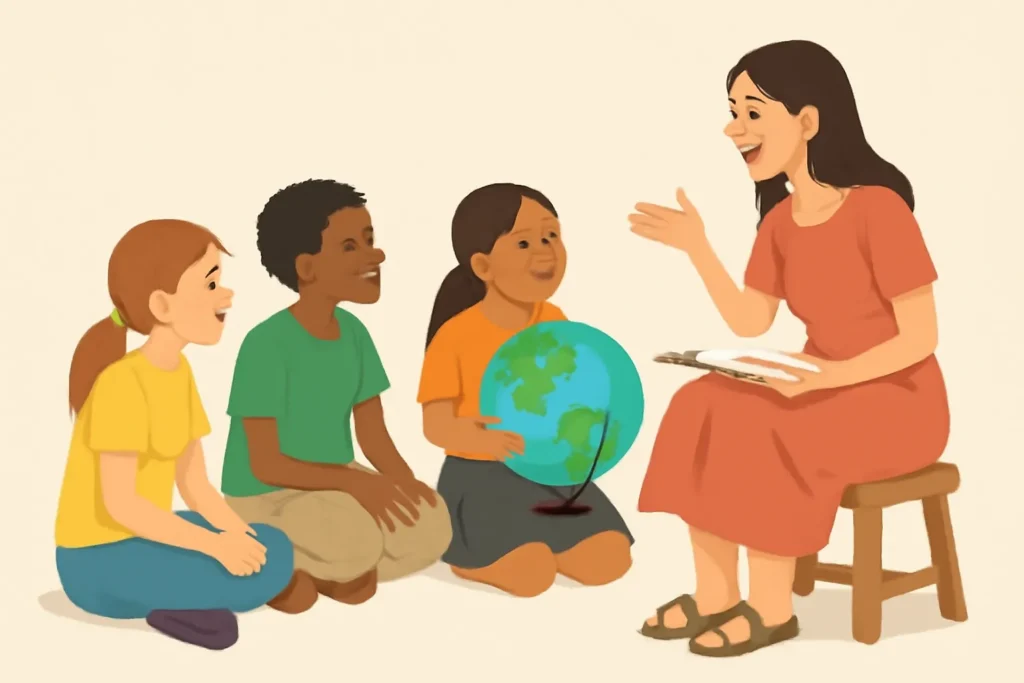
Children and missions education is more than a series of activities tied to charity or religion. It is a structured approach to helping young people
become thoughtful, informed, and engaged members of a global community. When done well, mission-focused learning for kids cultivates empathy, critical thinking, and
a sense of social responsibility that accompanies them beyond the classroom. This kind of learning also offers a powerful lens for exploring how people live, work, and care for one another in diverse contexts.
For educators and caregivers, the goal is to translate complex ethical questions into developmentally appropriate experiences. The aim is not to prescribe beliefs
but to foster civic literacy and a respect for human dignity. In this sense, youth missions education is a bridge between moral formation and practical citizenship skills.
When schools and learning centers approach mission education with a student-centered mindset, they honor the pace at which children acquire knowledge. They also acknowledge that culture, faith, and worldviews vary widely among families. The most effective programs provide room for dialogue, exploration, and safe reflection, while guiding students toward
evidence-based understanding of global issues, humanitarian needs, and ethical engagement.
Key concepts in teaching about missions
A well-rounded program for youth missions education weaves together several core ideas. Each concept helps shape the way children interpret stories of service, relief, and community action.
Empathy and perspective-taking
At the heart of effective mission education is the ability to walk in someone else’s shoes. Activities that invite students to imagine life in another place or under different circumstances cultivate empathic imagination and reduce stereotypes. Through storytelling, role play, and reflective journaling, young learners begin to see how factors such as poverty, conflict, access to water, or education
shape daily life.
Global awareness and cultural humility
Global awareness goes beyond geography. It includes understanding systems that influence well-being—healthcare, education, infrastructure, governance, and culture. Cultural humility invites students to recognize their own perspective while approaching others with curiosity and respect. Projects that involve learning about local partners, listening to voices from the field, and analyzing how aid impacts communities can deepen this awareness.
The stories used in missions education should be accurate, age-appropriate, and ethically presented. Teachers can emphasize the dignity of the people involved, avoid sensationalism, and offer context for
how aid works. Students can practice evaluating sources, verifying facts, and distinguishing between charity and sustainable development.
Action-oriented understanding
Knowledge about global needs becomes meaningful when it translates into action. Students should have opportunities to design small, real-world projects, reflect on their impact, and adjust
their approaches. The aim is practice-based learning that connects head knowledge with heart-based action.
Practical teaching strategies for different ages
Early childhood (ages 4–7)
In this developmental window, approaches should be concrete, sensory, and play-based. Engage young learners with stories, pictures, and hands-on activities that introduce basic concepts of helping others and sharing resources.
Story-based learning: Read aloud picture books that feature themes of kindness, community helpers, and helping others. Follow up with simple drawings or dramatic play.
Classroom service routines: Create a small “giving box” or bin where children contribute unused school supplies or handmade cards for local organizations.
Global tunes and cultures: Introduce short songs or dances from different parts of the world to foster curiosity about diverse communities.
Empathy prompts: Use age-appropriate questions like “How would you feel if you didn’t have this thing you need?” to encourage emotional understanding.
Partner storytelling: Pair children to retell a simple story from a different culture, focusing on values such as sharing and cooperation.
Middle childhood (ages 8–12)
At this stage, students benefit from more structured inquiry, project planning, and social collaboration. They can begin to connect personal interests with broader social themes and explore tangible outcomes.
Projects with local impact: Design small service-learning tasks, such as collecting school supplies for a nearby charity or organizing a neighborhood clean-up, and track outcomes.
Maps and storytelling: Use world maps, timelines, and simple case studies to place communities in context and translate abstract ideas into concrete locations.
Pen-pal or virtual exchanges: Initiate safe, supervised communications with students from partner communities to build direct cultural understanding (with parental consent and safeguards).
Ethics and media literacy: Teach children to question sensational headlines and practice identifying reliable sources when learning about crises and aid efforts.
Reflection journals: Encourage weekly entries about what they learned, what surprised them, and what actions they might take.
Adolescents (ages 13–18)
Teenagers can embrace more complex analyses of humanitarian issues, long-term planning, and leadership roles in service learning. They should be guided to weigh multiple perspectives and consider sustainable
solutions that respect communities’ autonomy.
Project-based learning: Facilitate long-term, student-led projects that address a real need in a community partner’s context. Include stakeholders in planning and review.
Debates and dialogue: Organize structured discussions on topics such as aid effectiveness, development ethics, or the role of nonprofits, ensuring inclusive participation.
Field experiences: When possible, arrange supervised visits to partner sites or virtual tours with field staff to deepen understanding of on-ground realities.
Portfolio development: Have students compile evidence of competencies, including research notes, prototypes, and reflective essays about impact and learning.
Leadership and mentorship: Encourage older students to mentor younger peers, modeling responsible engagement and collaborative problem solving.
Curriculum design and integration
A coherent program for mission-centered learning weaves together literacy, social studies, science, and the arts. It should align with age-appropriate standards while leaving room for student voice and creativity.
Cross-curricular integration
Rather than treating missions education as a stand-alone unit, integrate it across subjects. For example, a geography lesson can explore water access in different regions; a reading unit can analyze narratives from diverse communities; a science class can study clean water solutions and technology.
Literacy integration: Read narratives from different cultures and write reflective responses or letters to people in partner communities.
Mathematics in context: Use data from aid delivery programs to explore averages, percentages, and basic statistics.
Science and technology: Investigate water filtration, solar lamps, or renewable energy projects that support humanitarian goals.
Arts and media: Create posters, plays, or digital stories that communicate needs and encourage constructive action.
Project-based learning and service-learning
The most enduring learning often emerges from authentic projects. Service-learning blends community service with academic study and reflection, ensuring that actions connect with learning goals and community needs.
Service-learning cycles: Plan, act, reflect, and demonstrate impact. Include a final presentation to classmates, families, or partners.
Partner-based projects: Collaborate with local organizations to identify needs, co-create solutions, and evaluate outcomes.
Sustainable actions: Emphasize long-term impact, not one-off events. Consider maintenance, ownership, and community capacity-building.
Assessment strategies for mission education
Assessment should capture both knowledge gains and character development. Use a combination of formative feedback, reflective portfolios, and peer review to gauge progress.
Learning journals: Students document what they learned, how their views evolved, and what they would change next time.
rubrics for impact: Create criteria that assess understanding of issues, collaboration, and ethical thinking.
Public exhibitions: Host a mission fair or gallery walk where students present research, prototypes, and action plans to the school and community.
Classroom activities and project ideas
Below are practical ideas that teachers and facilitators can adapt to their context. The emphasis is on hands-on learning, ethical engagement, and age-appropriate exploration.
Global awareness activities
World culture corners: Set up stations featuring foods, music, art, and stories from different regions. Use guided questions to spark discussion about daily life and needs.
Interactive maps: Create a large map with pushpins marking places where partner organizations operate. Students add notes about what issues exist there and potential solutions.
Community-centered projects
Care kits and donations: Collect and sort items for a local shelter or relief organization. Track quantities and impact, then share outcomes with the school.
Water safety and access study: Investigate local water sources, analyze filtration needs, and design simple, safe water solutions for a demonstration project.
Storytelling and media projects
Story circles: Each student tells a short story about a person they learned about and what challenges they faced. Follow with a discussion on dignity and agency.
Documentary shorts: Produce short videos or audio recordings highlighting real voices from partner communities (with consent and ethical guidelines).
Ethics and media literacy activities
Source verification: Practice evaluating the reliability of articles and images about crises or aid efforts.
Bias identification: Analyze how different media outlets portray humanitarian work and discuss why framing matters.
Family and school partnerships
Family action plans: Invite families to participate in small, local acts of service and share reflections with the class.
Community conversations: Host moderated discussions with guest speakers from partner organizations to broaden perspectives.
Assessment and reflection in mission education
Assessment in children’s missionary education should balance knowledge, skill development, and character growth. It should be clear, transparent, and focused on helping students improve and continue learning.
Exit tickets: Quick prompts asking what a student learned, what questions remain, and how they might apply it.
Checkpoint rubrics: Short rubrics that track progress in inquiry, collaboration, and reflection.
Peer feedback sessions: Structured time for students to give and receive constructive feedback on projects and presentations.
Summative assessment ideas
Project portfolios: A compilation of research, planning documents, prototypes, reflections, and impact statements.
Public presentations: Students present their projects to classmates, families, and community partners, articulating learning outcomes and next steps.
Capstone exhibitions: End-of-unit events that showcase multiple projects, with judges who provide feedback focused on impact and empathy.
Reflection and personal growth
Encouraging ongoing reflection helps students connect personal values with action. Guided prompts can include questions about what they learned about dignity, what surprised them, and how their understanding of global interdependence has changed.
Equity, inclusivity, and respectful dialogue
A thriving missions education program for children must be inclusive, inviting diverse perspectives and honoring different faiths, beliefs, and cultural backgrounds. Respectful dialogue is essential, and educators should model
how to discuss difficult topics with kindness and curiosity.
Principles of inclusive pedagogy
Representation: Include voices and stories from a range of communities, ensuring that students see themselves and others reflected in materials.
Safety and belonging: Establish a classroom climate where all students feel heard, valued, and free to share ideas without fear of ridicule.
Accessibility: Provide multiple formats for learning—visual, auditory, tactile—and consider different literacy levels and language needs.
Dialogues about sensitive topics
Ground rules: Set expectations for respectful conversation, listening, and evidence-based discussion.
Structured reflection: Use guided prompts that help students articulate their own beliefs while learning about others’ experiences.
Family and community engagement
Engaging families and community partners strengthens youth mission education efforts. Families bring resources, lived experiences, and continuity between school and home that enrich learning.
Ways to involve families
Regular updates: Share learning goals, project progress, and upcoming events via newsletters, emails, or a classroom website.
Home-based challenges: Offer simple activities that families can do together, such as researching a local issue or documenting community needs.
Volunteer pathways: Invite parents and guardians to participate as mentors, chaperones, or guest speakers.
Partnerships with community organizations
Field experiences: Plan visits to partner organizations to observe operations, meet staff, and understand constraints and successes.
Joint projects: Collaborate to design service-learning initiatives that have measurable impact and shared ownership.
Digital tools and online resources
Technology can amplify mission education by connecting classrooms with partners, expanding access to information, and enabling creative expression. Use digital tools thoughtfully to support learning goals while safeguarding student privacy and safety.
Online collaboration and research
Virtual exchange platforms: Safe video calls or moderated forums with partner students to discuss shared topics and practice intercultural communication.
Digital libraries and open resources: Access reputable sources, interactive maps, and credible case studies relevant to humanitarian topics.
Creative digital projects
Multimedia storytelling: Create short videos, podcasts, or digital photo journals that narrate a community’s needs, strengths, and solutions.
Interactive presentations: Use slideshows or infographic tools to communicate research findings, impact data, and action plans.
Responsible use and safety
Privacy protections: Teach students about consent, safe sharing, and the importance of not disclosing sensitive information about individuals.
Ethical content: Emphasize respectful representation and avoid sensationalism or stereotypes in online materials.
Safety, ethics, and responsible messaging around missions
Teaching missions education responsibly requires careful attention to how information is framed and shared. Emphasize agency, resilience, and dignity, and provide clear guidance about what students can do responsibly.
Ethical storytelling guidelines
Consent and agency: Ensure that communities represented in projects have given consent for storytelling and distribution of materials.
Honoring dignity: Focus on people’s strengths, innovations, and capabilities rather than depicting them as passive recipients of aid.
Risk assessment and crisis sensitivity
Contextual sensitivity: Teach students to consider how aid can affect local economies, culture, and long-term development.
Non-exploitative approaches: Reject approaches that could commodify hardship or simplify complex problems.









Leave a Reply