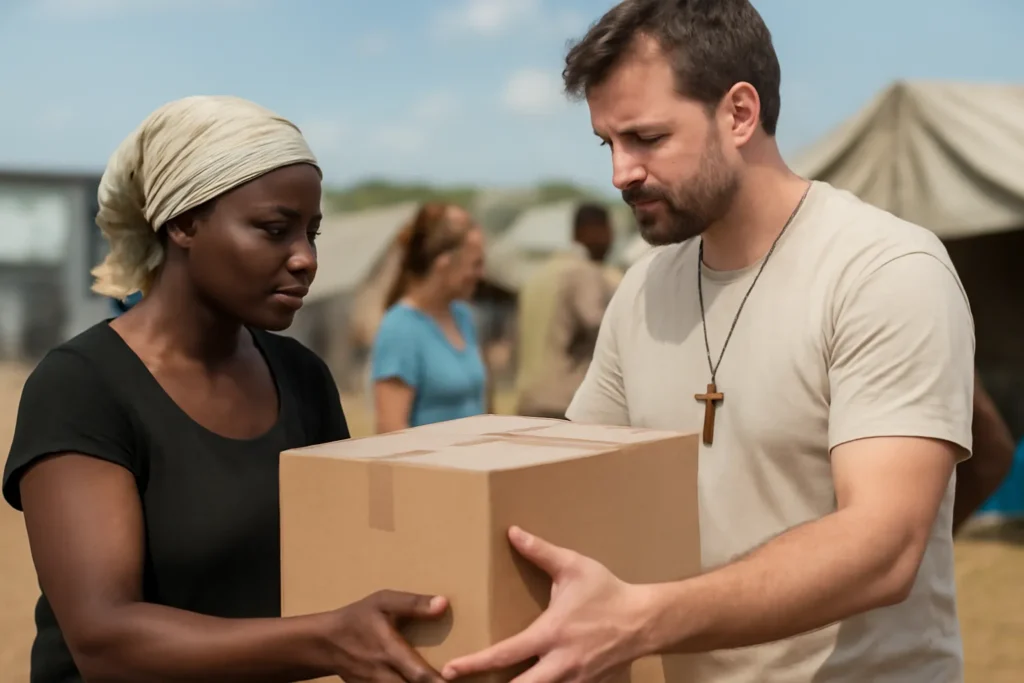
Christian relief missions are organized efforts in which people mobilize faith, resources, and networks to meet urgent and long‑term needs in communities affected by poverty, conflict, disasters, or neglect. These ventures are often driven by a conviction that service is a sacred expression of love, rooted in the belief that every person carries inherent dignity. Rather than a single model, these missions span a spectrum from emergency response to sustained development, always guided by a shared aim: to bring compassionate aid together with holistic development.
In practice, relief work carried out by church networks, mission organizations, or faith‑based partners may include immediate relief such as food and shelter, but it also extends to long‑term investments in education, health, livelihoods, and infrastructure. The phrase faith‑informed aid captures the idea that belief systems shape how aid is delivered—emphasizing dignity, respect, and local leadership.
This article uses several terms interchangeably to reflect the breadth of the field: Christian relief missions, faith‑based humanitarian work, church‑led mercy initiatives, and gospel‑centered aid programs. While the vocabulary may vary, the core motivation remains consistent: to serve as a conduit for grace and practical help that strengthens both the material and social fabric of communities.
Emergency relief in the wake of natural disasters, wars, or famines.
Long‑term development that addresses root causes such as poverty, lack of schooling, and limited access to health care.
Community empowerment through training, local leadership development, and capacity building.
Advocacy and protection for vulnerable groups, including children, refugees, and women.
Historical Roots and Global Reach
The impulse to aid those in need is ancient, but the modern vocabulary of Christian relief missions emerged as organized religious groups connected to congregations and denominations sought to translate faith into structured acts of service. In the early centuries, Christian charity took the form of almsgiving, care for widows and orphans, and hospitality to strangers. Over time, as a global web of churches and mission societies formed, the practice evolved into more coordinated programs that could operate across borders.
The medieval and early modern periods produced charitable orders and networks that built hospitals, schools, and provisioning systems. In the 19th and 20th centuries, missionary relief work expanded dramatically as churches partnered with local communities to address pressing needs in colonized or frontier regions. In many places today, faith‑based organizations blend evangelism with social service, recognizing that spiritual wellbeing and material wellbeing reinforce one another.
Contemporary Christian relief organizations operate in virtually every region of the world. They collaborate with local churches, civil society groups, and government agencies to deliver integrated services that align with local priorities. This global reach is mirrored by a growing emphasis on local leadership and contextualized approaches—an adjustment that helps ensure that relief efforts are culturally appropriate and sustainable.
Early charitable practices and modern adaptations
Many of today’s relief missions draw on a long tradition of charitable acts. Yet, they have also learned to adapt. Holistic development—addressing health, education, economic opportunity, and social cohesion in concert—has become a hallmark. The shift toward sustainable impact means programs seek to build capacities within communities rather than creating ongoing dependence on external aid.
Partnerships that span boundaries
A hallmark of effective Christian relief work is partnership: between churches, secular NGOs, universities, and governments. These collaborations reflect the belief that shared humanity transcends religious difference and that coordinated action can unlock greater impact. When partnerships respect local leadership and priorities, relief initiatives are more likely to endure long after international teams depart.
Core Principles and Ethical Foundations
Across denominations and geographies, several enduring principles anchor Christian aid work. These principles shape decisions about where to work, how to work, and how to measure success.
Dignity and worth of every person: Programs are designed to honor the intrinsic value of participants, avoiding patronizing approaches and ensuring voices from the community guide priorities.
Love in action: Faith motivates concrete, practical help that meets basic needs while fostering a sense of belonging and hope.
Partnership with local communities: Local leadership and cultural knowledge drive the design and implementation of relief efforts.
Inclusivity and protection: Women, children, people with disabilities, and minority groups are actively included in decisions and benefit from programs.
Transparency and accountability: Honest reporting, clear financial practices, and independent evaluations build trust with communities and donors.
Sustainability: Initiatives aim to leave lasting benefits by building local capacity and ensuring ongoing access to essential services.
Trauma‑informed care: Recognizing the emotional and psychological dimensions of suffering, programs incorporate sensitive, respectful approaches to healing and support.
Holistic development: Relief work is not only about meeting immediate needs but also about improving education, health, and economic opportunity over time.
These guiding concepts are interconnected. For example, investing in education supports health outcomes and economic resilience, while safeguarding human dignity improves community trust and participation in relief programs. The ethical foundation also includes careful consideration of cultural context and the potential unintended consequences of aid, such as dependency or disruption of local markets. Faith‑based organizations often employ risk assessment and learning loops to adjust approaches in real time.
Programs and Sectors
Christian relief missions typically organize work into sectors that reflect the most urgent needs while also pursuing long‑term development objectives. Below are some of the major areas where faith‑based relief efforts concentrate, along with examples of how these sectors are translated into practical programs.
Education and Literacy
Education is a cornerstone for breaking cycles of poverty. In many communities, church‑led educational initiatives provide access to schooling, literacy programs, and vocational training that align with local job markets. Programs may include:
Building or rehabilitating schools and classrooms in underserved areas
Scholarships and tutoring for students at risk of dropping out
Adult education and literacy classes to empower parents and caregivers
Teacher training that integrates culturally relevant curricula and trauma‑informed practices
Health and Nutrition
Health initiatives bring essential services to populations with limited access to care. Faith‑based medical missions often combine clinical services with public health education. Typical activities include:
Mobile clinics providing primary care, maternal health, and preventive services
Nutrition programs for children and pregnant women
Community health worker training and home‑based care support
Vaccination campaigns in partnership with local health authorities
Access to clean water and proper sanitation is foundational to health and dignity. WASH programs often involve infrastructure and behavior change. Components may include:
Drilling wells, installing rainwater harvesting systems, and improving water distribution
Constructing latrines and handwashing facilities in schools and communities
Hygiene education campaigns that emphasize menstrual hygiene and disease prevention
Water quality testing and maintenance training for local teams
Food Security and Agriculture
Food assistance is frequently paired with agricultural training to build resilience against shocks. Programs emphasize sustainable farming practices and access to markets. Examples include:
Seed distributions, drought‑tolerant varieties, and irrigation support
Agricultural extension services and farmer cooperatives
School feeding programs that sustain students’ learning and nutrition
Storage facilities and food‑security assessments to prevent shortages
Shelter, Disaster Response, and Housing
In emergencies, rapid shelter and housing assistance can reduce risk and restore a sense of safety. Long‑term rebuilding efforts focus on durable, climate‑resilient housing. Typical activities include:
Emergency shelter kits and transitional housing after disasters
Flood‑resistant construction techniques and safer building materials
Home repair programs that engage beneficiaries in reconstruction
Economic development helps families move from dependency toward independence. Faith‑based organizations often provide training and access to financial tools. Elements include:
Microfinance and savings groups that encourage local entrepreneurship
Skills training in trades with demand in local markets
Small‑scale enterprise support and market linkage efforts
Job placement and mentorship networks that connect youth to opportunities
Protection, Advocacy, and Social Cohesion
In fragile contexts, protection‑focused work safeguards vulnerable groups and promotes inclusive communities. Activities may cover:
Child protection best practices and family support services
Support for refugees and internally displaced persons
Gender‑based violence prevention and response programs
Community dialogues that foster reconciliation and social cohesion
Case Studies and Real-Life Impact
It can be instructive to consider concrete examples of how Christian relief missions translate principles into practice and observe measurable changes in people’s lives.
Case Study: Clean Water and Health in a Rural District
In a rural district blessed with limited access to clean water, a faith‑based relief network partnered with the local municipality to drill wells and install protective latrines in several villages. Over two years, the project achieved dramatic reductions in waterborne diseases, improved school attendance because children no longer fall ill as often, and fostered a sense of community ownership through training local water committees. The initiative also included hygiene education linked to every well site, demonstrating the value of integration across sectors.
Case Study: Education for Displaced Children
After a regional conflict displaced hundreds of families, a network of churches established learning spaces inside shelters and partner schools. Teachers received training in trauma‑informed pedagogy, and families benefited from scholarships, school meals, and a mentoring system. Within a year, attendance rates rose, literacy levels improved, and children reported a renewed sense of safety and hope. This example highlights how education‑centered relief can support mental wellbeing as well as academic progress.
Case Study: Livelihoods and Community Markets
In a drought‑prone region, an economic empowerment program enabled small farmers to form a cooperative, access microcredit, and connect with local buyers. The initiative included training on soil health, seasonal planning, and fair pricing. Families broadened their income streams, children could stay in school, and the broader community saw improvements in economic resilience. The project underlines how relief work can be linked to sustainable livelihoods rather than short‑term aid alone.
Challenges and Critiques
No field is without its tensions, and Christian relief missions are no exception. Recognizing and thoughtfully addressing these challenges helps organizations become more effective and credible.
Paternalism and dependency: External assistance can unintentionally undermine local initiative if communities are not engaged as equal partners.
Cultural sensitivity: Programs must honor local customs, languages, and social structures to avoid alienation or resistance.
Fragmentation of aid: Multiple organizations working independently can lead to inefficiencies or duplication; coordination is essential.
Security and access risks: In conflict zones, staff safety and the safety of beneficiaries are critical considerations that shape program design.
Sustainability questions: Donor cycles and funding fluctuations can affect continuity; long‑term planning and local capacity are vital.
Critics note that relief work benefits from clear boundaries between evangelism and service delivery, ensuring that aid remains accessible to all while respecting freedom of conscience. Faith‑based groups frequently respond by articulating their mission while prioritizing neutrality in service provision, thereby focusing attention on urgent needs and measurable outcomes. The ongoing conversation in the sector emphasizes evaluation, learning, and adaptation as essential components of responsible relief work.
Individuals and communities interested in supporting Christian relief missions can engage in multiple, meaningful ways. The most effective participation combines prayerful discernment with practical action and accountability.
Pray and discern: Reflect on where your gifts and values align with the needs you want to address, seeking guidance for wise involvement.
Research organizations: Look for transparent financial reporting, clear program goals, and demonstrated impact.
Donate thoughtfully: Consider unrestricted gifts that allow organizations to allocate resources where they are most needed, while also supporting specific programs you care about.
Volunteer and contribute skills: Many missions welcome professionals in education, health, engineering, logistics, and administration, as well as volunteers for short‑term deployments.
Partner with communities: If you are part of a church or organization, prioritize partnerships that elevate local leadership and ensure local benefit.
Advocate for durable support: Support policy work that sustains humanitarian response, disaster risk reduction, and development funding.
A thoughtful approach to involvement respects local agency and prioritizes the learning that comes from listening to the people most affected. When service is shaped by the needs and voices of communities, faith‑based relief becomes a durable force for good rather than a well‑intentioned but uneven response.
Measuring Impact and Accountability
Assessing the effectiveness of Christian relief missions requires a balance of quantitative data and qualitative insight. Donors, practitioners, and beneficiaries benefit from clear metrics that capture not only outputs but also outcomes and long‑term changes.
Outputs: Number of wells drilled, children educated, vaccines administered, or houses repaired. These measures show activity levels but not necessarily lasting change.
Outcomes: Improvements in health indicators, school performance, or household income. Outcomes better reflect the impact on people’s lives.
Equity and inclusion: How well programs reach marginalized groups and involve them in decision‑making.
Community ownership: The degree to which local leaders and organizations sustain efforts after external partners exit.
Transparency and learning: Availability of financial reporting, third‑party evaluations, and open communication about lessons learned and adjustments made.
Many organizations now publish impact reports, case studies, and implementation manuals to help the broader field learn from successes and missteps. A mature approach to accountability recognizes that relief is not only about providing aid but about fostering resilience, dignity, and lasting capability within communities.
Putting Faith into Practice: The Everyday Spirit of Mercy
At its best, Christian relief missions demonstrate that faith and service are mutually reinforcing. The underlying conviction that every person is made in the image of God motivates teams to approach relief work with humility, listening, and patience. This faith‑driven ethos encourages donors and volunteers to see beyond the immediate crisis and invest in people’s futures—through education, health, economic opportunity, and social stability.
The spiritual motivation often translates into practical routines: teams begin with community assessments led by local leaders; they design programs that reflect local priorities; they measure what matters to the people served rather than only what is easiest to administer. In this way, Christian relief missions exemplify a model where service rooted in love becomes a catalyst for enduring transformation. The work is not about triumphalist narratives or dependency; it is about partnership, empowerment, and shared human flourishing.
Whether the setting is a crowded refugee camp, a rural village facing drought, or a post‑disaster urban neighborhood, the best relief initiatives anchor themselves in a vision of justice and mercy that transcends momentary needs. Through careful planning, respectful engagement, and accountable implementation, faith‑based humanitarian action can help communities recover dignity, rebuild infrastructure, and create opportunities for generations to come.








Leave a Reply