Different Jehovah Names for God: Meanings and Bible References
Different Jehovah Names for God: Meanings and Bible References
Names for God in the Bible carry meaning beyond simple labels. They convey character, relationship, covenant, and activity in history. In English Bible translations you will often see the name Jehovah as a traditional rendering of the Hebrew YHWH, the divine Tetragrammaton. Alongside this, the Bible presents a treasury of other names and titles—sometimes as direct names, sometimes as descriptive phrases—that reveal different facets of God’s nature and dealings with humanity. In this article we survey different Jehovah names for God, focusing on their meanings, the Hebrew terms behind them, and the key Bible references where they appear. The goal is to give you a broad, biblically grounded sense of how these names function in Scripture and how they contribute to a richer understanding of who God is.
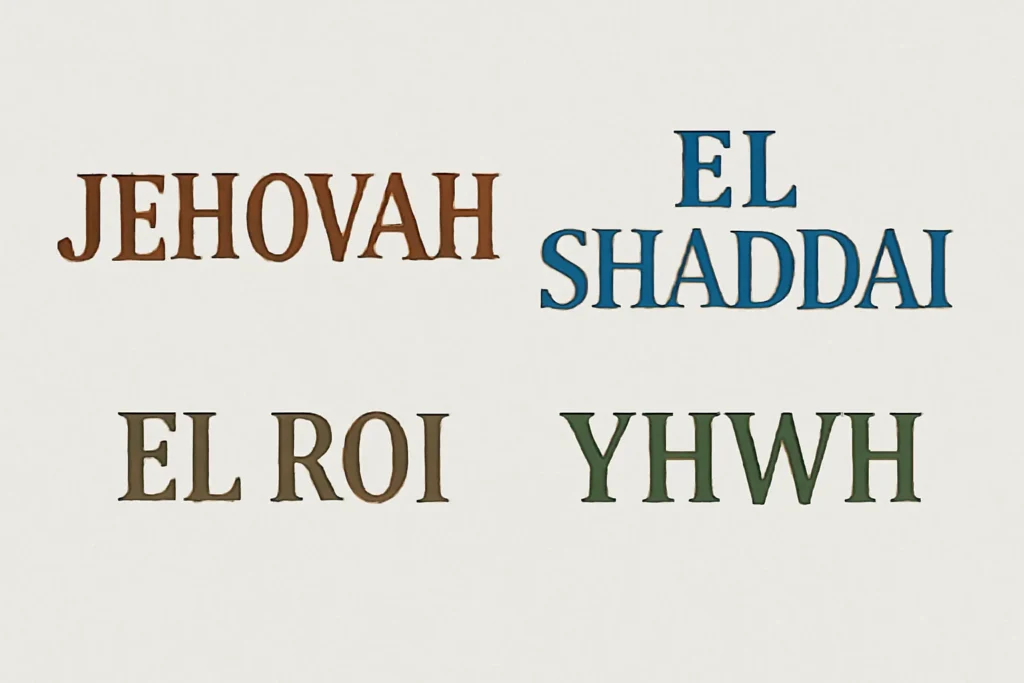
The centerpiece of Old Testament naming is YHWH, often transliterated in English as Jehovah or rendered as Yahweh in more scholarly circles. This is the personal divine name revealed to Moses and tied to God’s self-identification: I AM WHO I AM (Exodus 3:14). In Hebrew, the form is closely connected to the verb “to be,” signaling timeless existence and faithfulness across generations. The verse in Exodus 3:14 is a foundational moment in understanding how God relates to people: “God said to Moses, I AM WHO I AM.” The broader statement in Exodus 6:3 notes that God appeared to the patriarchs as El Shaddai (God Almighty), but by name YHWH He had not been fully known, highlighting a shift in how God would reveal Himself through history.
In many English translations you will see the sacred name printed as LORD in small caps (standing in for YHWH). In older English Bibles Jehovah is used as a direct transliteration of YHWH, while modern scholarship often prefers Yahweh to reflect a closer reconstruction of the original pronunciation. Both forms point to the same essential concept: the eternal, self-existent God who enters into covenant with his people. When you encounter these forms, you are looking at the same God who spoke to Moses, led Israel, and later sent Jesus into the world. The key verses for this name include Exodus 3:14, Exodus 6:3, and a number of places where the Lord’s name is invoked in awe, praise, or supplication.
El (God) and Elohim (Gods, Mighty One)
Two foundational Hebrew terms for God appear frequently in scripture: El and Elohim. These words broaden the sense of who God is beyond a personal name to describe his power, sovereignty, and creative activity. The most famous opening line of Scripture uses Elohim in the sense of the Creator: “In the beginning God (Elohim) created the heavens and the earth.” (Genesis 1:1). This opening frames God as the powerful, transcendent origin of all that exists. The form Elohim is grammatically plural in form but singular in use when referring to the God of Israel, emphasizing majesty and plenitude rather than a numeric plural.
El on its own underscores strength and sovereignty. It is often found as a building block in compound titles (El Shaddai, El Roi, El Elyon, etc.). You can see Elohim used as a title for the Creator, Judge, and sustainer of the world across Genesis, Psalms, and prophetic writings. A few representative references include Genesis 1:1 (the creation narrative), Genesis 46:3 where God speaks to Jacob as El of the presence of his descendants, and Psalm 82–83 where God stands in judgment as the supreme authority over nations. The broader idea behind Elohim is that of the living, powerful, personal deity who is not a mere force but a personal Lord who acts in history.
Adonai and Adon (Lord) as a relational title
The word Adonai (my Lord) arises as a way the Hebrew text preserves God’s personal name while readers practice reverence. When English readers encounter the divine name in scriptures, the phrase Adonai is often inserted in transliteration to remind readers to treat the divine name with reverence. The practice reflects the Jewish tradition of not pronouncing YHWH aloud; instead, readers say Adonai (the Lord) or HaShem (the Name) as a substitute. In the biblical text, Adonai appears in phrases like “the Lord God” (Adonai Elohim), emphasizing God’s lordship and authority over creation and his people.
Some notable verses that illustrate this relational title include Genesis 15:2, where Abraham addresses God as Lord GOD (Adonai Elohim) and asks for an heir; Psalm 110:1, where “the Lord (Adonai) says to my lord (Adonai)…” expresses a kingly-messianic cadence; and Daniel 9:4, where the faithful cry to my Lord (Adonai) in prayer. Within the canonical text, Adonai conveys a deep sense of relationship—God as ruler, master, and covenant partner who desires faithful obedience from his people.
El Shaddai: The Almighty God
El Shaddai is often translated as God Almighty or “the Almighty.” This name emphasizes God’s ultimate power, sufficiency, and protection. In Genesis, God reveals himself to Abraham and others as El Shaddai, underscoring the trustworthiness of God’s promises even when human beings doubt. The covenantal conversations with Abraham in Genesis 17:1 introduce the phrase: “When Abram was ninety-nine years old, the Lord appeared to Abram and said to him, I am God Almighty (El Shaddai); walk before me faithfully and be blameless.” The name communicates the ability to fulfill what might seem impossible and to sustain life through very demanding circumstances. It is a name that invites trust in God’s sufficiency for every need.
Meaning and emphasis: power, sufficiency, and nourishment; a God who can make a people flourish exactly as promised. Key verses include Genesis 17:1, Genesis 28:3, and psalmic or prophetic glimpses that celebrate God’s all-sufficiency. The title remains a potent reminder that God’s strength is available to those who walk with him, even when human resources fall short.
Jehovah Jireh: The Lord Will Provide
Jehovah Jireh (also written Jehovah-jireh or Jehovah Jireh) translates roughly as The Lord Will Provide. Its famous biblical setting is the binding of Isaac in Genesis 22. After Abraham demonstrates unwavering faith, God provides a ram as a substitute for Isaac, and Abraham names the place to memorialize God’s provision: “Abraham called the name of that place The LORD Will Provide (Jehovah Jireh); and it is said to this day, On the mount of the LORD it shall be provided” (Genesis 22:14, KJV). This name not only points to a specific act of provision in a moment of testing but also signals the broader biblical theme that God provides for his people in ways that exceed human expectation.
Meaning: God is trustworthy to supply every need, at the right time, often in moments of hardship or testing. Key verse: Genesis 22:14. Beyond the immediate narrative, the idea of divine provision runs through Psalms (where the Lord provides food, safety, and protection) and the prophetic literature, which often frames provision in terms of mercy, justice, and covenant faithfulness.
Jehovah Nissi: The Lord Is My Banner
Jehovah Nissi is typically translated as The Lord Is My Banner, a name associated with victory and the public declaration of God’s help. It appears in Exodus 17:15 after Israel’s victory over the Amalekites. Moses builds an altar and names the place Jehovah-nissi, signaling that God’s presence and protection go before his people in the midst of conflict. The banner imagery evokes a sense of identity, allegiance, and divine protection under which the people march, fight, and ultimately prevail. The broader theme of divine leadership and victory recurs in Psalms and prophetic texts, reinforcing the idea that God coordinates the people’s journey and secures their triumph when faithful obedience is present.
Meaning: God as leader and defender who goes before his people in battle and life’s trials. Key verse: Exodus 17:15.
Jehovah Rapha: The Lord Who Heals
Jehovah Rapha is the name most Christians associate with healing. The root idea is that God is the one who restores health and wholeness. The most cited verse is Exodus 15:26, where God proclaims, I am the LORD that healeth thee as part of his instruction to the people after crossing the Red Sea. The theme of healing recurs in Psalms and prophetic literature, where physical, emotional, and spiritual restoration are tied to the character of God’s redemptive work. The concept also ties into the broader biblical narrative about God’s saving power and presence with his people in their weakest moments.
Meaning: healing, restoration, and wholeness under God’s care. Key verse: Exodus 15:26; Psalm 103:3 also speaks of God who forgives and heals. The combined picture is that God is not distant from suffering but is deeply involved to bring renewal and vitality to his people.
Jehovah Shalom: The Lord Is Peace
Jehovah Shalom translates as The Lord Is Peace, a name that communicates a holistic sense of harmony, safety, and well-being rooted in God’s presence. The name appears in Judges 6:24, where Gideon builds an altar and names it Jehovah‑shalom after receiving Israel’s message from the Lord: “And Gideon built an altar there unto the LORD, and called it Jehovah‑shalom: unto this day it is still in Ophrah …” The context is the call to courage in the face of Midianite oppression and the assurance that God’s presence brings true peace even amid danger. The idea of peace in biblical theology encompasses more than personal tranquility; it includes justice, right relationship with God and others, and a secure place under God’s rule.
Meaning: peace rooted in God’s presence and covenant faithfulness. Key verse: Judges 6:24. The concept resonates in prophetic and wisdom literature, where true peace is often linked to living within God’s design and trusting his deliverance.
Jehovah Tsidkenu: The Lord Our Righteousness
Jehovah Tsidkenu is usually translated as The Lord Our Righteousness. It appears in Jeremiah 23:6 and again in Jeremiah 33:16, where the prophet speaks of a future king who would bring righteousness to the people. The phrase is a prophetic revelation about God’s saving action—how God himself provides righteousness to his people rather than leaving them to earn it on their own. In the broader biblical context, this name points forward to the messianic expectation that the Savior will establish a just and holy rule, enabling the people to live in right relationship with God and with one another. It is a name that emphasizes God’s initiative in righteousness, not merely human effort to secure it.
Meaning: God’s own righteousness given to or through his people; the Lord who makes a faithful way for justice and salvation. Key verses: Jeremiah 23:6; Jeremiah 33:16.
Jehovah Mekoddishkem translates as The Lord Who Sanctifies You. The concept of sanctification—being set apart for God’s purposes—runs throughout the Hebrew Bible, and the phrase appears in a context that emphasizes covenantal loyalty and holy living. The root idea is that God sets his people apart, enabling them to reflect his character in the world. A primary textual setting is Exodus 31:13, where God instructs Israel to keep the Sabbath as a sign between him and them, a sign that testifies to the sanctifying work of God in their lives. The sense is that God’s people are not simply saved from something; they are called to a transformed life that mirrors God’s holiness.
Meaning: God as the one who makes his people holy and sets them apart for his purposes. Key verse: Exodus 31:13; Leviticus 20:8 (where the sanctifying work of God is affirmed through adherence to his commands). This name underscores practical holiness, worship, and covenantal living as an ongoing gift from God.
Jehovah Shammah: The Lord Is There
Jehovah Shammah is a less widely used but deeply meaningful name found in prophetic literature, most notably in Ezekiel 48:35, which speaks of the city and the future presence of God: The name of the city from that day shall be, The Lord is there (Jehovah Shammah). The concept is that God’s presence itself constitutes the source of security, hope, and identity for his people. It is a reminder that God is not distant or abstract; rather, he dwells among his people and brings his presence into their daily life and their eschatological hope. In prophetic contexts, Shammah points toward God’s ultimate dwelling with his people in the fulfillment of his promises.
Meaning: God’s presence with his people; the divine dwelling that brings security and hope. Key verse: Ezekiel 48:35.
Other significant biblical names and their themes
Beyond the major names introduced above, the Bible includes a rich set of titles and compound forms that illuminate additional aspects of God’s character. Here are a few more examples, with compact summaries of their meaning and typical references:
El Elyon — “God Most High”. Emphasizes supreme majesty and sovereignty. Key text: Genesis 14:18-20 (Melchizedek blesses Abram in the name of the Most High God).
El Olam — “Everlasting God”. Focuses on timeless, enduring existence. Key text: Genesis 21:33 (Abram calls on the name of the Lord, the Everlasting God).
El Roi — “God Who Sees”. Highlights God’s attentive regard for people. Key text: Genesis 16:13 (Hagar’s encounter: “Thou God seest me”).
Rohi or Rohi — “My Shepherd”. A variant expression tied to God as shepherd in Psalm 23 and related passages.
Adonai Elohim — “Lord God”. A combined title used across various prayerful and covenant contexts, underscoring both lordship and divine power.
How translators and readers engage with these names
Translating and interpreting these names involves careful attention to Hebrew grammar, context, and tradition. Some crucial points to keep in mind include:
Translation choices: The Tetragrammaton YHWH is typically rendered as LORD in English Bibles, often in small capitals, to honor the sacred name. Some modern translations either render YHWH as Yahweh or present a footnote explaining the tradition of pronunciation, while others preserve the older Jehovah form in a few passages or devotional readings.
Dynamic meaning: Names like El Shaddai or Jehovah Jireh convey stories and theological themes rather than a simple literal label. Readers benefit from connecting the name to its narrative passage—the moment, the covenant, or the act of God being described.
Theological emphasis: Some names center on God’s action (providing, healing, sanctifying), while others stress his nature (eternal, most high, all-powerful). Together they provide a holistic portrait of God’s character across the biblical story.
Historical development: The set of names often grows over time as God reveals different aspects of his relationship with creation and with Israel. In the New Testament, some of these Hebrew names are reframed within the person and work of Christ, underscoring the continuity of God’s relationship with humanity across testaments.
Knowing the various names can enrich Bible study and devotional practice in several ways. Here are practical approaches to using this material wisely and reverently:
Contextual reading: When you encounter a name in a passage, pause to consider what that name emphasizes in that moment—provision, healing, presence, or righteousness. This can illuminate the author’s main point and the audience’s needs at that time.
Personal reflection: In personal prayer, you can name God with different titles to reflect your current need or the truth you wish to emphasize—trust in his provision (Jehovah Jireh), peace in his presence (Jehovah Shalom), or recognition of his nearness (Jehovah Shammah).
Group study: Use a list of names as a study guide: read a verse that features a name, discuss its meaning, and identify the way God acts in that context. This can foster a fuller sense of God’s character across Scripture.
Connection to Christ: In Christian readings, you may note how some Old Testament names foreshadow or prefigure Christ’s work—especially those that emphasize righteousness, shepherding, and divine presence shaping the narrative of salvation.
Conclusion: a richer vocabulary for knowing God
Across the Bible, Jehovah (YHWH) and the related scriptural names offer a richly textured vocabulary for describing God’s acts and attributes in history and in the life of faith. Whether you study the personal name itself, or one of the descriptive titles such as El Shaddai, El Elyon, El Olam, Adonai, or the covenantal pairings like Jehovah Nissi and Jehovah Rapha, you are tracing threads that connect God’s sovereignty, care, and presence with the lives of real people. The names invite believers to approach God with reverence, recognizing that he is not a distant force but a living, engaged, and faithful Lord who speaks, acts, heals, judges, and blesses in ways that are both specific to moments in history and deeply consistent with his eternal nature. In short, exploring the various Jehovah names for God invites us into a broader, more intimate, and more accurate understanding of who God is and how he relates to his creation through time.
If you would like, I can tailor this article to emphasize particular names you’re studying, extract a set of study questions for a group, or provide a printable glossary of the names with simple summaries and the leading verses for quick reference.










Leave a Reply