Dorcas (Tabitha): The Beloved Woman of Acts and Her Divine Legacy
Dorcas (Tabitha): The Beloved Woman of Acts and Her Divine Legacy
New Testament Women
Dorcas (Tabitha): The Beloved Woman of Acts and Her Divine Legacy
📅 1st century AD, during the early Christian church in the Roman Empire · 📜 Her name 'Dorcas' is Greek for 'gazelle,' symbolizing grace and beauty; 'Tabitha' is Aramaic for 'gazelle' or 'deer,' emphasizing gentleness and agility.
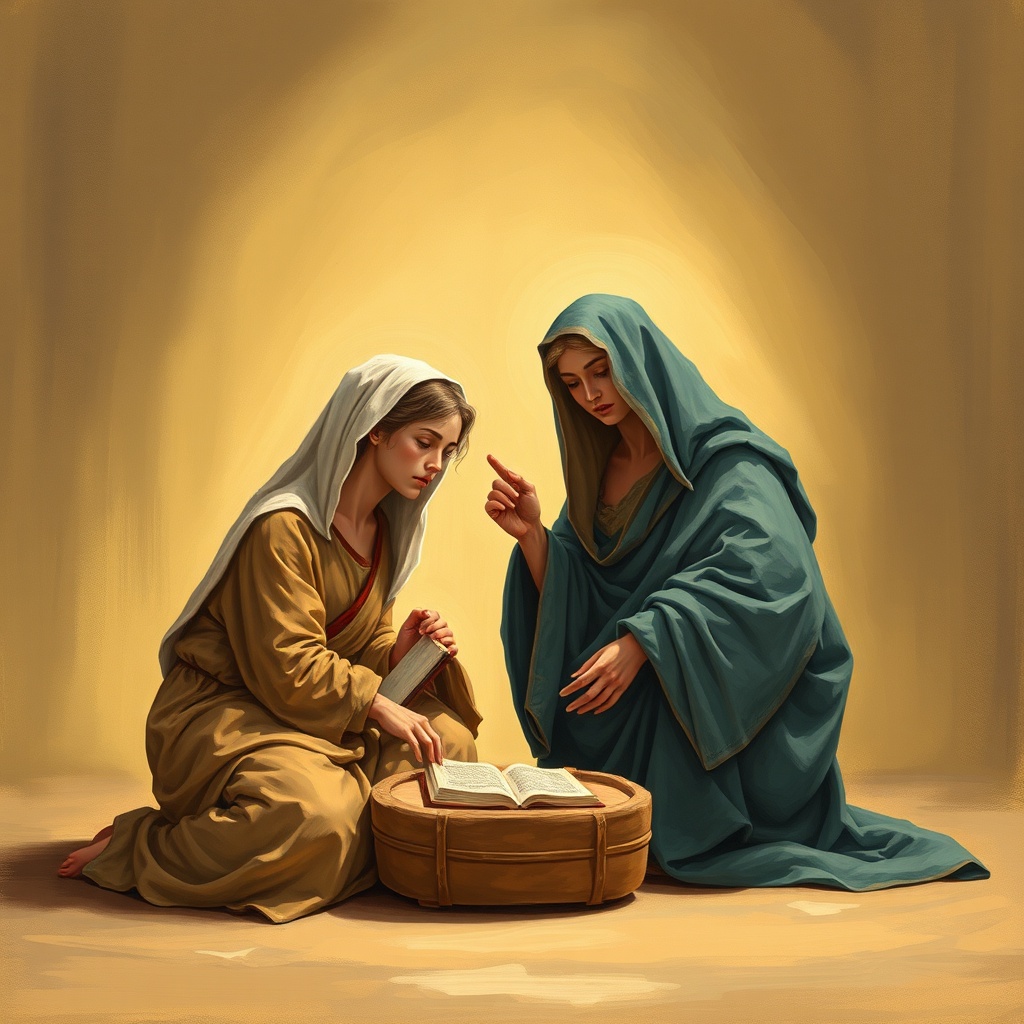
Peter sent them all out and knelt down and prayed. Turning toward the dead woman, he said, 'Tabitha, get up.' She opened her eyes, and seeing Peter, she sat up. And he helped her to her feet. Acts 9:40-41— Acts 9:40
Dorcas, also known as Tabitha, was a revered disciple in Joppa, renowned for her acts of charity and kindness towards the poor and widows. Her life exemplified servant leadership, as she used her talents to sew clothing for those in need, earning her deep love within her community. When she fell ill and died, the believers' faith prompted them to seek Peter, who prayed and through God's power, raised her from the dead. Her revival underscored the presence of divine authority and the transformative power of faith and charity. Dorcas’s story highlights the significance of compassionate service in early Christianity and demonstrates that faith in Christ can have tangible, miraculous effects, inspiring believers to live lives of love and kindness.
🏛️ Cultural & Historical Context
In 1st-century Jewish and early Christian society, women’s roles were often centered around home and family, yet those like Dorcas exemplified active service and leadership within their communities. Charitable acts, such as clothing the poor, were highly valued, and women’s contributions in such deeds were respected. The early church provided space for women of faith to serve and lead, breaking some societal norms. Dorcas’s reputation as a generous caregiver reflects the importance of charity and community support in a context where survival often depended on mutual aid. Her story also underscores the emerging recognition of women as integral to the fabric of the early Christian movement, embodying spiritual devotion through tangible acts of love.
👨👩👧 Family Connections
Not explicitly detailed in Scripture; traditionally believed to have been a disciple or close follower of Jesus, and associated with the community in Joppa (modern-day Jaffa).
Dorcas’s resurrection by Peter underscores the power of faith and divine intervention, affirming the Christian belief in eternal life through Christ. Her life exemplifies how faith expressed through service can be a conduit for God’s miracles, emphasizing the value of charity and humility in salvation history. Her revival points to the hope of resurrection for all believers and illustrates that acts of kindness have eternal significance. Dorcas’s story encourages Christians to live lives rooted in love, service, and trust in God’s miraculous power, highlighting that spiritual devotion is expressed through compassionate action.
📖 Lessons for Today
📖 Lesson 1
Serving others with love reflects Christ’s teachings and can lead to divine blessing. Dorcas’s life teaches us the importance of acts of kindness and charity in our faith journey.
Faith combined with action can bring about miraculous change in our communities. Trusting in God's power inspires hope and perseverance amid challenges.
📖 Lesson 3
Humility and compassion are vital virtues for living a Christ-centered life. Dorcas exemplifies that true greatness lies in serving others selflessly.
Dorcas shares her compassionate service with women like the Proverbs 31 woman and Mary of Bethany, who also embody acts of care and devotion. Unlike Mary of Bethany’s contemplative faith or the Proverbs 31 woman’s strength and provision, Dorcas’s work focuses on active charity. Together, they highlight different facets of faithful womanhood—service, devotion, and leadership—within biblical narratives, emphasizing that women play vital roles in God's kingdom through service and faith.
📜 Scripture References
Reference
Acts 9:36-42
❓ Frequently Asked Questions
Who was Dorcas in the Bible?
Dorcas, also known as Tabitha, was a disciple in Joppa renowned for her charitable works and kindness, who was miraculously resurrected by Peter as recorded in Acts 9.
What does Dorcas symbolize in Christianity?
Dorcas symbolizes compassionate service, faithfulness, and the power of charity, illustrating that acts of love can have divine significance and lead to miraculous outcomes.
Why is Dorcas’s story important today?
Her story encourages believers to prioritize service and kindness, demonstrating that faith-in-action can foster community renewal and spiritual blessing even now.
✨ Did You Know?
The name 'Dorcas' was more common in the Hellenistic world, and her story is one of the few instances in the New Testament highlighting a woman’s active role in miraculous ministry. Historically, her resurrection by Peter underscores early Christian beliefs in divine power and community faith healing, emphasizing her lasting legacy as a model of charity and faith.









Leave a Reply