Tabitha's Community: The Woman of Faith and Compassion in the Bible
Tabitha's Community: The Woman of Faith and Compassion in the Bible
New Testament Women
Tabitha's Community: The Woman of Faith and Compassion in the Bible
📅 1st century AD, during the early Christian church era · 📜 Tabitha means 'Gazelle' in Aramaic, symbolizing grace and agility; Dorcas, its Greek equivalent, also reflects beauty and gentleness.
TabithaDorcasWomen of the BibleActs 9
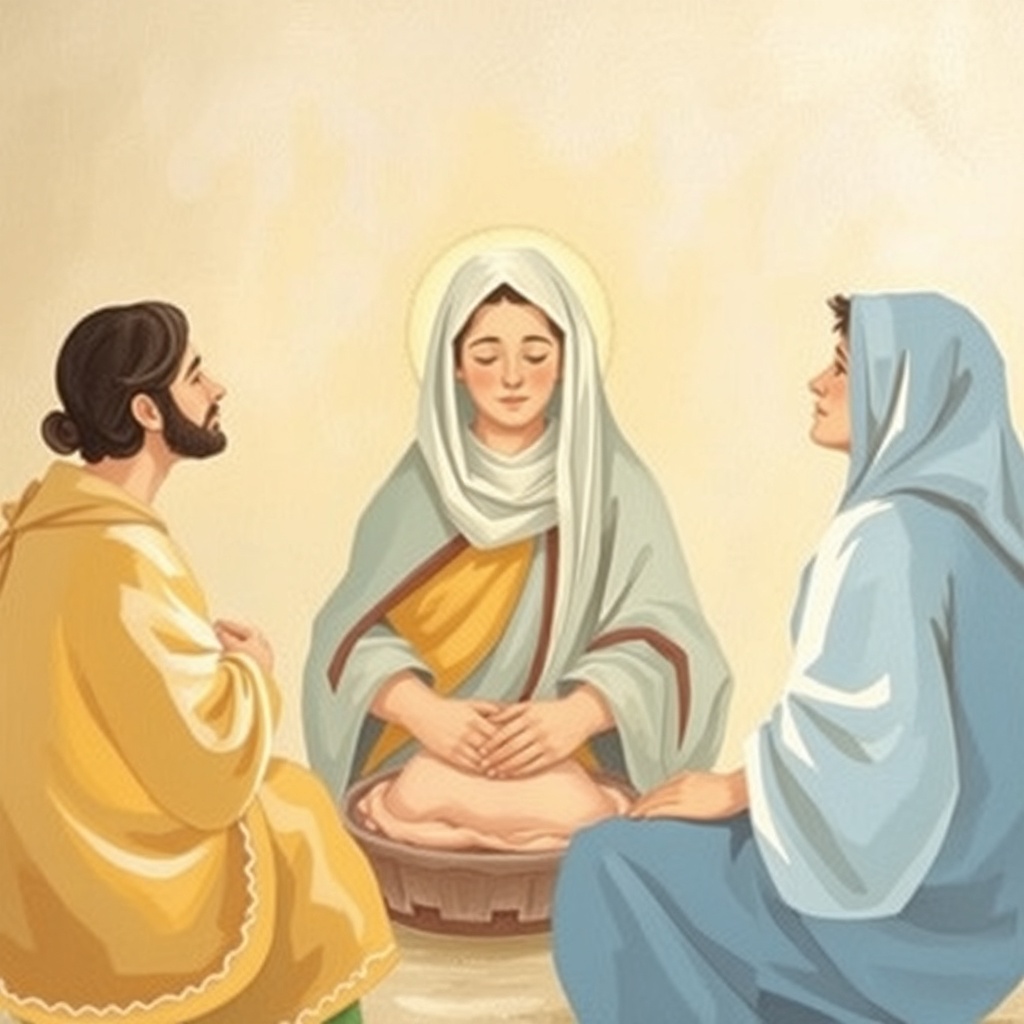
Peter knelt down and prayed. Turning toward the dead woman, he said, “Tabitha, get up.” She opened her eyes, looked at him, and sat up. He helped her to her feet. And when he called for the believers, especially the widows, they all saw her alive.— Acts 9:40-41
Tabitha, also known as Dorcas, was a beloved disciple in Joppa renowned for her acts of charity and kindness. She dedicated her life to caring for the poor and widows, sewing garments and providing for those in need. Her reputation for good works made her a pillar of her community, reflecting Christ's love in tangible acts. When she fell ill and died, many mourned her deeply; inspired by Peter’s faith, her friends called for him, and he prayed, leading to her miraculous resurrection. Her revival not only strengthened the faith of her community but also exemplified the power of prayer, compassion, and service in spreading the Gospel. Tabitha’s story underscores the importance of active faith and the profound impact one life can have in advancing God's kingdom on earth.
🏛️ Cultural & Historical Context
In early 1st-century Judea, women traditionally held roles within the domestic sphere, yet some, like Tabitha, defied societal norms by engaging actively in charity and community service. The early Christian community valued women who demonstrated faith and compassion, making them integral to the spiritual and social fabric. Women’s roles often centered around caring for the vulnerable—widows and the poor—aligning with biblical ideals of service. Tabitha’s actions exemplify this cultural priority, illustrating that women’s contributions extended beyond traditional expectations, often embodying the practical outworking of faith in everyday life during this period.
👨👩👧 Family Connections
Her familial details are not specified; her recognition is primarily within her community rather than familial ties.
Tabitha’s resurrection highlights the central Christian belief in Christ’s power over life and death, serving as a testament to faith and prayer. Her story emphasizes that acts of charity and living a Christ-centered life are spiritually significant, reflecting Jesus’ teaching on service and compassion. Her revival by Peter also signifies the early church’s acknowledgment of miraculous signs that authenticate faith and divine authority. Ultimately, she exemplifies that faith-in-action can lead to transformative miracles, inspiring believers to live out their faith actively and compassionately as part of God's redemptive plan.
📖 Lessons for Today
📖 Lesson 1
Live a life of compassion and service; your actions can have a lasting spiritual impact.
Tabitha shares similarities with women like Lydia and Priscilla, who exhibited faith, hospitality, and leadership in early Christianity. Unlike Mary, the mother of Jesus, who emphasized reverence and obedience, Tabitha demonstrates active service and compassion. Her story contrasts with women in the Old Testament like Hannah, who prioritized prayer and prophecy, highlighting that women’s contributions to faith include both spiritual and practical acts, enriching the biblical narrative of faithful service.
📜 Scripture References
Reference
Acts 9:36-42
❓ Frequently Asked Questions
Who was Tabitha in the Bible?
Tabitha, also known as Dorcas, was a dedicated disciple known for her acts of charity and kindness in the early church community in Joppa, detailed in Acts 9:36-42.
What is the significance of Tabitha’s resurrection?
Her resurrection by Peter demonstrates God's power to bring life through faith and prayer, affirming her role as a model of compassionate service and the importance of active faith.
What can we learn from Tabitha’s life today?
We learn that acts of kindness and service are vital expressions of Christian faith. Her story encourages believers to live out compassion and prayer in their daily lives to make a difference.
✨ Did You Know?
The name 'Tabitha' is one of the few biblical women explicitly associated with a miracle beyond birth and death. Historically, her story inspired the naming of hospitals and charitable organizations dedicated to caring for the vulnerable, emphasizing her lasting legacy of compassion.











Leave a Reply