The Elect Lady of 2 John: A Woman of Faith and Hospitality
The Elect Lady of 2 John: A Woman of Faith and Hospitality
New Testament Women
The Elect Lady of 2 John: A Woman of Faith and Hospitality
📅 1st century AD, during the early Christian church era · 📜 The name 'Elect Lady' signifies 'chosen' or 'selected' woman, emphasizing her spiritual selection and special status in God's plan.
Elect Lady2 JohnWomen in the BibleHospitalityFaith
The truth which you have heard from the beginning, let it remain in you. If it does, you will also remain in the Son and in the Father.— 2 John 1:9
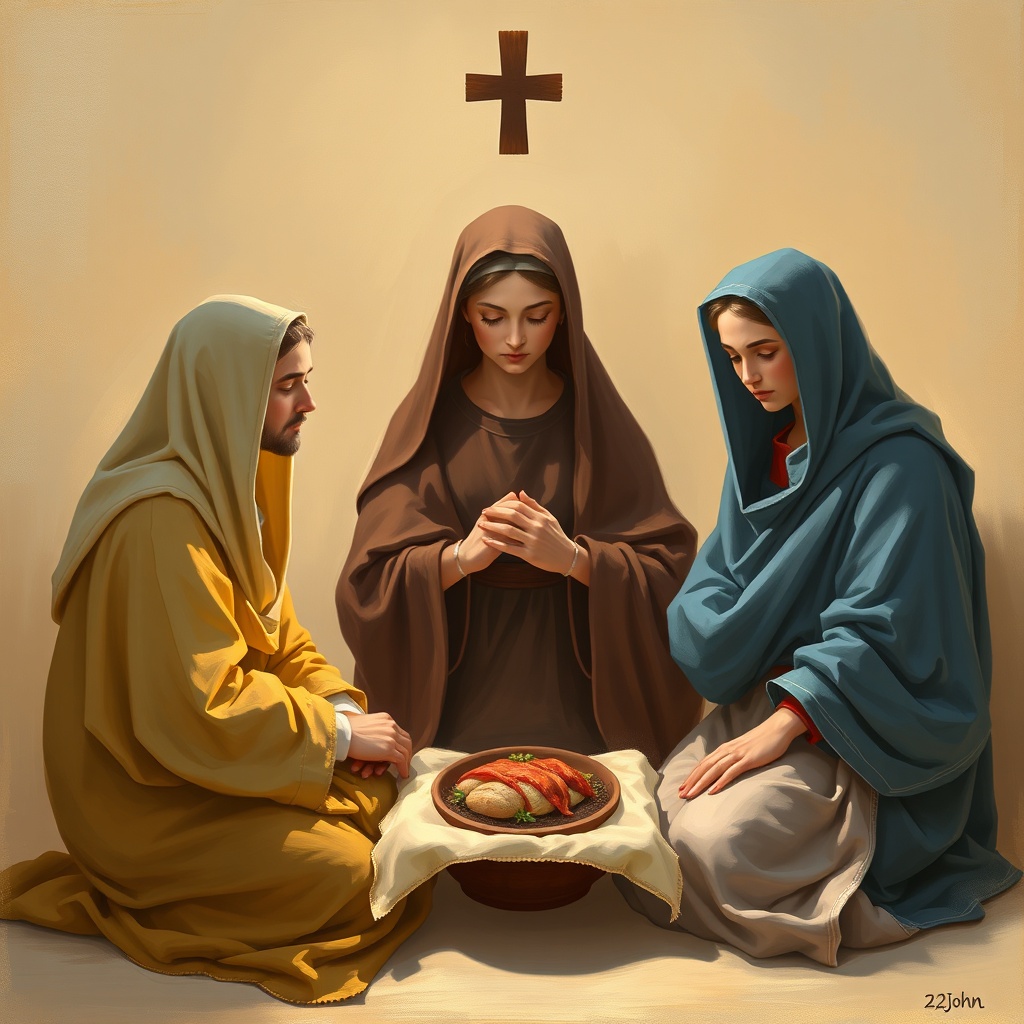
The Elect Lady is introduced in 2 John as a faithful woman, possibly a church leader or prominent Christian woman, who embodies faith, love, and hospitality. She is commended for her unwavering commitment to Christ and her active support of traveling teachers and believers. The letter urges her to remain steadfast in truth and love, warning against deceivers who deny Jesus Christ’s incarnation. Her hospitality and dedication serve as a model for Christian conduct, emphasizing love for one another and doctrinal fidelity. Though her personal details are sparse, her role highlights the importance of nurturing the community through truthful doctrine and welcoming practice. Her example underscores early Christian values of faithfulness, hospitality, and discernment amid external threats and internal challenges. She symbolizes the ideal steward of the Gospel within her household and wider community, standing as a pillar of Christian love and doctrine.
🏛️ Cultural & Historical Context
In the 1st century pastoral and household-based society, women often played vital roles within Christian communities, especially in fostering hospitality and nurturing faith. Women like the Elect Lady were central to the survival and growth of early churches, acting as hosts and moral exemplars. Their participation often blended domestic responsibilities with spiritual leadership, challenging societal expectations. The emphasis on hospitality reflects both cultural norms of caring for travelers and a theological understanding of community-building through love and service. This era also grappled with theological disputes, making women especially important in safeguarding doctrinal integrity within households and congregations. The Elect Lady's role as a benefactor and supporter positioned her as a key figure in maintaining the spiritual health of her community amidst persecution and doctrinal threats.
👨👩👧 Family Connections
The Elect Lady is addressed as the recipient of the letter, possibly a prominent woman in the Christian community or a local church leader; her family relations are not explicitly detailed in the text.
The Elect Lady exemplifies the core Christian virtues of love, truth, and faithfulness. Her role underscores the importance of doctrinal integrity and hospitality in nurturing a thriving Christian community. She symbolizes the ideal believer who actively supports the church's mission through both hospitality and discernment. Her presence in the text highlights the vital contribution of women in early Christian evangelism and community-building efforts. The emphasis on truth and love reflects foundational Christian doctrines, reminding believers of the importance of both orthodoxy and orthopraxy in salvation history. Ultimately, she embodies the scriptural call to live out faith actively, fostering a community rooted in love, truth, and fidelity to Christ.
📖 Lessons for Today
📖 Lesson 1
Hospitality and love are essential ways to demonstrate Christian faith in everyday life, welcoming others with kindness and open hearts.
The Elect Lady shares a common faithfulness with women like Lydia and Phoebe, who supported early Christian communities practically and spiritually. Unlike Sarah or Deborah, who held leadership roles in national narratives, she exemplifies a more domestic yet equally vital form of service—hospitality and doctrinal protection—central to the early church’s survival and growth.
📜 Scripture References
Reference
2 John 1:1-13
❓ Frequently Asked Questions
Who was the Elect Lady in 2 John?
The Elect Lady is a woman addressed by John in his brief letter, likely a prominent Christian woman or church leader characterized by her faithfulness and hospitality, though her exact identity remains uncertain.
What does the Elect Lady teach us today?
She teaches us the importance of steadfast faith, hospitality, and doctrinal vigilance. Her example encourages believers to love one another and remain rooted in Christ’s truth amidst challenges.
How does her role compare to other women in the Bible?
Unlike women who held national leadership roles, the Elect Lady exemplifies spiritual leadership through nurturing faith and community at a domestic level, emphasizing the significant role women played in early Christian support and dissemination.
✨ Did You Know?
The phrase 'Elect Lady' might have been a colloquial term meaning a 'chosen woman' or a metaphor for the entire church community she represented. Additionally, some scholars suggest she could symbolize the church itself, highlighting the gendered language used to describe churches as feminine in biblical imagery.









Leave a Reply