Find God: A Practical Guide to Discovering Spirituality
In a world saturated with information, distraction, and competing claims about what it means to live a meaningful life, many people feel a quiet tug toward something larger than themselves. The search is not a single moment but a lifelong practice, a process of finding God or discovering the divine within and beyond daily experience. This guide offers practical steps, reflective questions, and gentle disciplines designed to support a generous, inclusive, and personal journey toward spirituality. It does not pretend to offer a universal formula; instead, it provides tools to nurture your own relationship with the sacred, whatever name you choose to give it. Whether you are a skeptic, a seeker, or someone who has already traveled far on the spiritual path, you can use these ideas to deepen your understanding, strengthen your practice, and enrich your sense of connection with others and with the world around you.
Understanding What It Means to Seek God
To seek God is to orient your life toward something trustworthy, compassionate, and transcendent. It is not merely an intellectual assent to a set of beliefs; it is a lived attitude that reshapes how you listen, how you act, and how you relate to mystery. In this sense, finding God or discovering the divine is a dynamic process that can flourish in many forms—through contemplation, ethical action, creative expression, and shared rituals. Recognize that different traditions provide different doors into the same interior space: some light a candle, others recite a psalm, still others practice silent meditation or service to neighbor in need. The goal is not uniformity but resonance—finding a doorway that invites you to remain, listen, and respond to what you perceive as sacred.
Important distinctions to keep in mind along the way:
Belief vs Experience: You may hold certain beliefs while repeatedly returning to direct experience—felt sense, awe, or a quiet conviction that life has greater significance.
Dogma vs Exploration: You can honor tradition and still explore questions with an open mind, allowing new insights to refine or revise your understanding.
Individual Path vs Shared Path: Personal discovery can be deeply intimate, yet community and shared practices often illuminate different facets of the divine.
Foundations: Mindset, Heartset, and Habits
Any meaningful journey toward God begins with a posture—the way you approach the path. Cultivating the right inner posture makes it more possible to find God or seek God with sincerity and resilience. Consider the following foundations as a starting framework:
Humility: Acknowledge that you do not hold all answers and that learning can come from many sources, including those with whom you disagree.
Curiosity: Treat questions as valuable companions, not as threats to faith. Let wonder drive your exploration rather than defensiveness.
Patience: Spiritual growth often unfolds slowly; give yourself permission to linger in moments of silence, doubt, or longing.
Integrity: Act in ways that align with your deepest values; ethical living is itself a form of spiritual practice.
Open-heartedness: Approach others with kindness, listening more than asserting, and be willing to be changed by what you hear.
These foundations support both finding God in quiet contemplation and discovering the divine amid relationships, work, and service. As you build these habits, you’ll create the conditions in which spiritual insight becomes more accessible and more reliable.
Practical foundations: daily intentions
Begin with a simple intention: “Today I will listen more than I speak.”
Set aside a specific time and place for practice—consistency matters more than duration.
Record your experiences honestly in a journal, noting both moments of clarity and times of confusion.
Rituals and Practices to Help You Find God
Practices are the scaffolding that helps you move from concept to encounter. The right ritual can become a reliable signal that you are in the right frame of mind for finding God or discovering the divine. Below is a menu of possibilities. You can mix, match, or adapt them to fit your temperament and life circumstances.
Daily practices
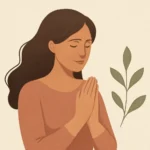
Prayer and contemplation: Short, focused conversations with the sacred, interwoven with pauses for listening.
Mindful or meditative practice: A few quiet minutes of breath awareness, body scan, or mantra to still the mind and open the heart.
Journaling: Write about daily experiences of awe, gratitude, or longing; note moments when life feels meaningful beyond practical concerns.
Nature connection: A daily or weekly walk in nature, paying attention to beauty, wonder, or a sense of greater order.
Service: Small acts of kindness toward others, especially those in need, which often reveal a dimension of the divine in ordinary life.
Practice variations across paths
Scriptural reflection: Read a sacred text with the intent to listen for a message that speaks to your current life.
Silence and Sabbath: Designate a regular period of rest from busyness to make space for encounter with the sacred.
Creative expression: Engage in music, art, poetry, or dance as channels through which the inner life can be voiced and heard.
When choosing practices, aim for those that feel sustainable and meaningful. The goal is not to check boxes but to cultivate a rhythm in which you find God more consistently and with greater depth.
The Role of Community and Tradition in God-Seeking
While personal reflection is essential, spirituality often grows richest within relation. Communities, traditions, and shared practices can illuminate your path in surprising ways. A healthy approach to God-seeking respects diversity, invites critique, and remains open to transformation. Here are several ways community can support your journey to discover God:
Shared rituals that provide structure while honoring individual experience.
Exposure to different perspectives that broaden your sense of the divine beyond your own background.
Accountability and encouragement that help you stay committed to honest practice.
Opportunities to serve others, which often reveal sacred dimensions in ordinary life.
Across cultures, traditions offer doorways to the sacred—not as rigid prescriptions but as living seeds that can sprout in your unique soil. You might explore:
Public worship or daily liturgies that train attention toward the transcendent.
Study circles or discussion groups that deepen understanding through dialogue.
Interfaith encounters that reveal the universal shape of longing for the divine.
Ultimately, community should empower you to find God for yourself, while also honoring the dignity and paths of others who are on their own quest for the divine.
Listening: Quieting the Mind to Discover God
One of the most practical bridges to real encounter with the sacred is learning to listen. The practice of listening helps you distinguish genuine spiritual guidance from wishful thinking or fear-based narratives. Consider these listening-focused strategies to improve your ability to find God:
Silent listening: Set a timer for 5–20 minutes and simply listen without planning your next sentence, reply, or action.
Listening to the body: Notice how physical sensations accompany your spiritual experiences; body awareness can ground you in the present moment.
Listening to others: Hear different life stories with curiosity; every person can be a messenger about the divine in disguise.
Listening is not passive; it is an active engagement with the mystery. When you cultivate listening as a practice, you make space for finding God to break through habitual noise and offer fresh clarity.
Questions to guide listening
What moment in the day felt most meaningful, and why?
Where did you notice a sense of awe or gratitude when you were not seeking it?
What fears arise when you consider trusting something greater than yourself?
Intellectual Pathways: Theology, Philosophy, and Experience
Spiritual exploration benefits from both heart and mind. The intellectual dimension helps you articulate what you feel, test ideas, and articulate a coherent understanding of discovering the divine. It does not replace the experiential dimension, but it can deepen and stabilize your experience by offering frameworks, questions, and historical perspectives.
Reading thoughtful explorations of spirituality, ethics, and tradition from diverse voices.
Exploring philosophical questions about existence, meaning, morality, and the nature of reality.
Writing reflective essays or questions to clarify your own stance about the divine.
As you engage these pathways, you may encounter concepts such as transcendence, immanence, grace, dying to the old self, and new life. Your goal is not to memorize doctrines but to cultivate discernment: you want to recognize ideas and experiences that nourish your capacity to find God and resist those that distort or distract you from authentic encounter.
Suggested reading and reflection prompts
Read a sacred text with the intention to listen for a message that resonates with your life.
Compare two different perspectives on suffering and the problem of evil; note what each approach helps you understand about the divine.
Reflect on a personal experience when you felt small, yet connected to something larger than yourself.
Everyday Moments as Sacred Opportunities to Find God
Spiritual discovery does not require rare blessings or dramatic revelations. For many people, finding God happens in the ordinary—routines, relationships, and the rhythms of daily life. The ordinary can become extraordinary when you bring attention, gratitude, and intention to it. Consider these avenues for recognizing the divine in the everyday:
Moments of gratitude: Pause to identify a simple thing you are grateful for; let the awareness deepen into wonder.
Kindness under pressure: Acts of generosity in stressful circumstances often reveal a resonant sense of meaning and connection.
Encountering beauty: Notice beauty in a sunset, a child’s laughter, a work of art, or the precision of a natural pattern.
Facing difficulty with hope: In suffering or confusion, search for meaning and care, rather than retreating into cynicism.
These experiences are not incidental; they can be transformative invitations to seek God, not by escape from reality but by deepening alignment with it. When you frame daily life as a spiritual laboratory, you create regular opportunities to discover the divine amid real-world moments.
Challenges and Common Obstacles in the Quest for the Divine
Every journey toward spirituality faces hurdles. Awareness of these challenges can prevent discouragement and help you stay on track when the path widens or narrows unexpectedly. Some common obstacles include:
Cynicism or disenchantment that hardens the heart against possibility.
Fear of change, loss, or the implications of trusting something greater than yourself.
Expectations that spirituality should deliver immediate certainty or effortless happiness.
Conflicting claims between different traditions that leave you overwhelmed or paralyzed by choice.
Isolation when you lack supportive community or practices that sustain you.
Strategies to navigate these obstacles include maintaining a patient practice, seeking guidance from trusted mentors, engaging in dialogue across differences, and prioritizing consistent, humble steps over dramatic breakthroughs. Remember that finding God is often a long apprenticeship in discernment, not a sprint toward a single peak.
Creating a Personal Plan to Discover God
A practical plan helps translate intention into daily reality. Here is a framework you can customize to your life, followed by a sample week to illustrate how it could unfold. Adapt the cadence to your schedule, energy levels, and evolving sense of the sacred.
Steps to build your plan
Clarify your intention: Write a short statement about what finding God means to you and what outcomes you hope to cultivate (e.g., greater compassion, inner peace, moral clarity).
Choose anchor practices: Pick 2–3 daily or weekly practices that most reliably invite awareness of the sacred.
Set realistic timeframes: Start with 10–20 minutes per session and adjust as you grow more comfortable.
Track your experience: Maintain a simple journal or log to record insights, questions, and moments of connection.
Review and revise: Every 4–6 weeks, assess what works, what doesn’t, and how your understanding has shifted.
Daily morning 15-minute practice: quiet breathing, followed by 5 minutes of journaling about intention for the day.
Three brief check-ins throughout the day: a 2-minute pause to notice something beautiful or meaningful.
Weekly longer session (60 minutes): contemplative reading, reflection, and a written response about how your perspective is changing.
Monthly service or volunteer activity to translate inner insight into outward action.
As you implement your plan, remember to find God not merely as a distant goal but as a living, accessible presence that responds to honest hunger, patient effort, and compassionate action.
Listening to Your Inner Voice: The Experience of Finding God
At the heart of this journey is your interior life. The inner voice that speaks when you are quiet can carry messages about the divine that no external authority can fully supply. Cultivating trust in that inner sense requires discernment, humility, and ongoing testing. Here are ways to cultivate a trustworthy relationship with your inner life:
Discernment practices: When a leading thought arises, test it against compassion, humility, and the impact on others.
Emotional honesty: Allow yourself to name fear, longing, joy, and doubt without judgment.
Freedom from coercion: Resist manipulative or coercive claims about the divine; nurture an interior freedom to choose what nourishes your soul.
Many who report real encounters with the sacred describe a felt sense that goes beyond language—an inner assurance, a quiet confidence, or a pull toward a larger reality. These experiences may be subtle or transformative. The practice of naming, journaling, and sharing your experiences in trusted communities can help you recognize patterns, integrate insights, and discover God in a way that remains coherent with your life and conscience.
Honest reflection prompts
When was the last moment you felt a deep sense of belonging or purpose? What preceded and followed it?
What beliefs or experiences most reliably lead you toward compassion and generosity?
What doubts persist, and what questions do you still need to ask to clarify your path?
Conclusion: Carrying the Discovery Forward
The invitation to find God or discover the divine is not a one-time event but a lifelong practice. It calls you to remain open to mystery, to act with integrity, and to live with a growing sense of connection to something greater than your individual self. By cultivating mindful habits, engaging with a supportive community, and testing insights through experience and reflection, you can strengthen your capacity to recognize the sacred in every moment.
Remember these guiding ideas as you continue your journey:
Consistency matters: Small, regular practices beat occasional bursts of effort.
Humility remains essential: You do not own the truth; you are being invited to participate in a larger reality.
Compassion sustains the path: Ethical action and care for others are both signs and seeds of spiritual life.
Joy accompanies depth: The sacred often appears as a quiet happiness, a sense that life holds meaning beyond circumstance.
As you continue to seek God, you may find that spirituality is not about escaping life’s difficulties but about engaging them with greater clarity, courage, and love. The practical guide outlined here aims to honor your individuality while offering shared practices that have supported countless others on their own quest for the divine. May your journey be rich, humane, and true to what you yourself perceive as sacred.











Leave a Reply