Introduction: Christ Inside and the Presence Within
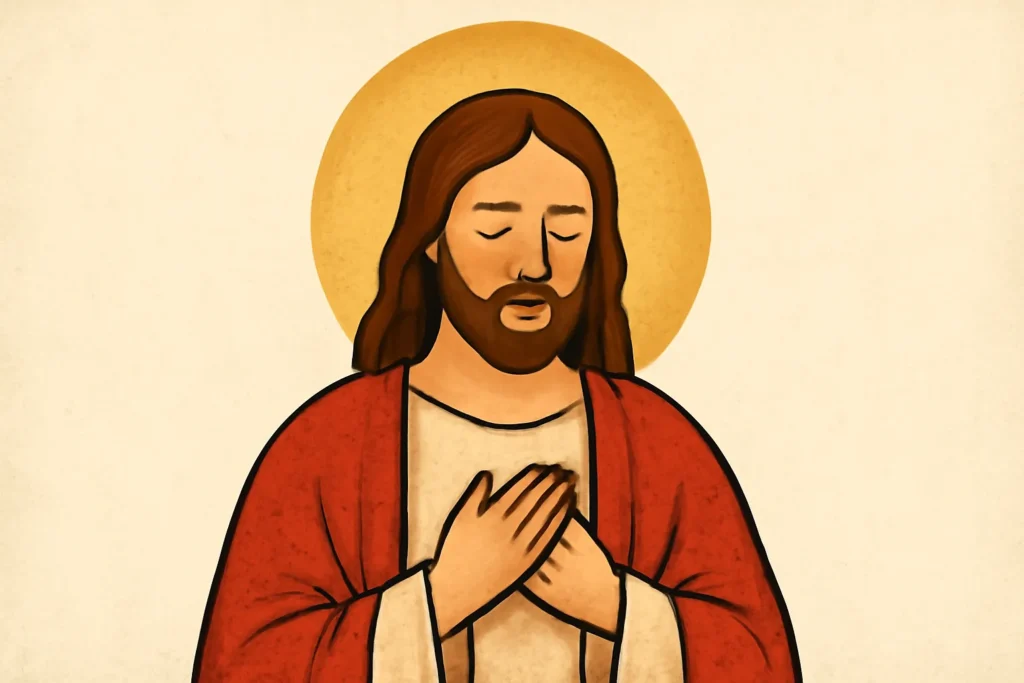
The phrase “Christ inside” invites readers into a spiritual awareness that goes beyond external religion and ritual. It speaks of a living reality—that the risen Jesus does not merely once visited humanity in history but continually resides in believers today. This article explores the idea of the indwelling Christ, Christ within, and the practical, transformative life that flows when a person settles into the awareness of the presence of Christ in daily moments. Whether you come from a tradition that emphasizes personal relationship with Jesus, a liturgical church that values sacramental grace, or a fresh-start spiritual background, the concept of Jesus inside me offers a unifying thread: God drawing near, and a human life being shaped from within by divine love.
Throughout history, Christian teachers have described the inner mystery as both a doctrinal claim and a practical invitation. The presence of Christ in a believer is not merely a metaphor; it is a spiritual reality that Scripture teaches, the Church recognizes, and countless followers experience in moments of prayer, reflection, and service. In this article we will examine the foundations, the breadth of understanding across traditions, and the daily practices that help a person cultivate a robust awareness of the indwelling Christ.
Scriptural Foundations: Where the Idea Comes From
To understand Christ inside, it is essential to anchor the idea in Scripture. The New Testament presents a pattern of God drawing near to human beings through Jesus, and then Jesus dwelling in his followers by the Spirit. The following verses are often cited when teaching about the indwelling presence of Christ within believers:
Romans 8:9-11—“You, however, are not in the flesh but in the Spirit, if in fact the Spirit of God dwells in you.” This passage links faith in Christ with the Spirit’s residence within a person, making the heart a temple of the living God.
Galatians 2:20—“I have been crucified with Christ; and it is no longer I who live, but Christ who lives in me.” Here, the believer’s life is described as being lived by Christ within, transforming identity and motive.
Colossians 1:27—“To them God chose to make known how great among the Gentiles are the riches of the glory of this mystery, which is Christ in you, the hope of glory.” This verse explicitly states that Christ dwells within as a source of hope and power for living well.
John 14:20—“In that day you will know that I am in my Father, and you in me, and I in you.” Jesus speaks of intimate union and reciprocal indwelling within the Trinity-infused relationship.
1 Corinthians 3:16—“Do you not know that you are God’s temple and that God’s Spirit dwells in you?” The apostle emphasizes the sacred space of the believer’s inner life.
1 Corinthians 6:19-20—“Your body is a temple of the Holy Spirit.” The body becomes the living space where God’s presence resides and is honored.
Ephesians 3:16-17—Paul prays that believers may be strengthened with power through the Spirit, so that Christ may dwell in their hearts through faith.
In addition to these passages, many Christians reflect on the experience described in Romans 12:1-2, where the transformed mind and renewed life reveal the ongoing relationship with God. The larger biblical vision is not only about a theological statement but about a living dynamic: Christ inside changing desires, guiding choices, and shaping identity.
Historically, this indwelling is understood not as a private, detached presence but as a communal, ethical reality. The indwelling Spirit unites believers to Christ and to one another, creating a shared life where the presence of Christ is testified in love, mercy, justice, and service. The inner life, then, is inseparable from outward action—an integrated faith that becomes evident in character and conduct.
Related Notions: Christ in us, Christ with us, and Christ for us
Across translations and theological traditions, you’ll encounter complementary phrases that illuminate the same mystery from different angles. Some prefer “Christ in us” as a direct translation of the Colossian mystery, while others speak of “the indwelling Christ” to emphasize ongoing companionship with the divine. Still others use “Christ with us” to foreground God’s nearness in daily life, and “Christ for us” to highlight the redemptive work that makes such intimate communion possible in the first place. Despite the phrasing, the core remains: a personal, transforming union with Jesus that occurs inside the heart and mind of a believer.
Divergent Traditions: How Different Christian Traditions Speak of the Presence of Christ
Catholic and Orthodox Perspectives: Sacramental Grace and the Inner Life
In Catholic and Orthodox traditions, the concept of Christ inside is often linked to sacramental grace, the life of prayer, and the sacraments as vehicles through which grace is dispensed. The indwelling is not merely a subjective experience but a mystery celebrated within the church’s liturgy and life. The sacraments—especially the Eucharist and baptism—are prized as moments in which the believer’s union with Christ is deepened, clarified, and fed. Fonts, altars, and consecrated spaces become signposts of a reality that is interior as well as ecclesial. In this view, the divine life is not just an inner sentiment but a participation in a divine economy of grace that flows from Christ to the church and out into the world.
For many Catholics and Orthodox Christians, the inner life is nourished by contemplative prayer, the Jesus Prayer, and the ongoing discipline of daily conversion to love. The idea of Christ within takes on a contemplative flavor: God is near in quiet, in attention, in the surrender of the will to divine providence. The inner presence is tested and proved in acts of mercy, justice, and humility—things visible in the world precisely because they originate from an inner union with the risen Lord.
Protestant and Evangelical Traditions: Justification, Sanctification, and the Spirit
Within Protestant and evangelical streams, the emphasis frequently centers on the transformation brought about by the Holy Spirit and the ongoing process of sanctification. The idea of the indwelling Christ is tightly connected to faith in Christ, the new birth, and a daily surrender to the Spirit’s leadership. For many Protestants, especially in the Reformed and evangelical branches, the emphasis is on a personal conversion that makes Christ inside accessible by faith alone, followed by a life shaped by Scripture, prayer, and obedience. The inner life is thus birthed by grace and sustained by disciplines that train the heart toward Christ-likeness.
Charismatic and Pentecostal Expressions: Experience, Gifts, and Presence
In charismatic and Pentecostal contexts, the presence of Christ within is often accompanied by experiential, charismatic signs of the Spirit’s activity—prayer for gifts, healing, and a sense of immediate divine encounter. The phrase “Jesus inside me” frequently surfaces in personal testimonies that emphasize freshness of encounter, empowerment for mission, and a dynamic relationship with God that manifests in joyful worship, courage, and compassionate service. The inner life, then, is measured not only by inward peace but by outward fruit—the love that heals, the generosity that forgives, and the boldness to live out the Gospel in risky places.
Anglican and Episcopal Traditions: The Via Media of Practice and Presence
In Anglican and Episcopal settings, there is often a balance between liturgical worship, Scripture-based preaching, and personal devotion. The language of Christ inside appears in the catechetical tradition, in the quiet of daily office prayer, and in the shared life of the church. The thick sense of presence is often expressed through the sacraments, the parish community, and the disciplined rhythm of worship that orients the heart toward God—an inner life that reverberates in public witness and service.
How to Experience Christ Within: Practical Ways
Believers across traditions report that the inner presence of Christ grows through intentional practices. Below are practical avenues to cultivate the indwelling Christ in daily life, with attention to both inner transformation and outward love.
Prayer as relationship: Develop a daily rhythm of talking with God, listening, and responding. Let prayer be less about performance and more about relationship—conversing with the living Christ who loves you.
Scripture as a doorway: Approach the Bible not only as a collection of rules but as a living conversation in which Christ inside speaks through the text, revealing God’s heart and guiding conscience.
Contemplative silence and journaling: Create space for stillness, where the soul can sense the Spirit’s drawing near and the inner witness of Christ’s presence. Journal insights, prayers, and moments of consolation or challenge.
Prayerful sacraments and rituals: Where available, participate in sacraments as tangible encounters with grace that deepen the sense of Christ within.
Community and accountability: The church is a body of Christ. Engage with others who can nurture your faith, correct you in love, and celebrate how the indwelling Christ is shaping you.
Ethical living and service: The inner life should express itself outwardly in love, mercy, justice, and compassion. The presence within produces fruit that blesses neighbors and communities.
Discipline of Silence and Solitude
Silence and solitude may seem countercultural, yet they are powerful means of tuning the heart to hear the whisper of the indwelling Christ. Consider short daily periods of stillness—five to fifteen minutes—focusing on breathing, Scripture, or a simple prayer such as the Jesus Prayer. Over time, this practice helps the believer notice the ongoing presence of Christ in the ordinary routine of life.
Daily Reflection: A Simple Framework
Try a gentle daily rhythm to reflect on Christ inside:
Begin with a short prayer inviting the Spirit to reveal Christ’s presence in the day ahead.
Read a brief passage of Scripture and listen for any prompt or impression the Spirit may place on your heart.
Record one moment when you noticed the inner presence of Christ—perhaps in a difficult conversation, an act of kindness, or a moment of peace amid tension.
Close with gratitude and a brief prayer for guidance to live in alignment with Christ’s life within you.
Common Questions and Clarifications
Is the indwelling Christ the same as human conscience?
In many Christian traditions, the indwelling Christ is not identical to a personal conscience but a divine companionship. The Spirit may influence conscience, guiding decisions in alignment with God’s will. However, the inner life is not merely a psychological moral compass; it is a relationship with a living Person—Jesus—who speaks, guides, and empowers.
Not necessarily. The presence of Christ within does not erase human weakness, but it does promise growth, transformation, and a path of sanctification. Believers may still wrestle with temptation or struggle, yet they can rely on the inner strength of Christ to overcome—often through ongoing repentance, mercy, and renewed commitments to love.
How is this experience different from mysticism?
There is overlap between the idea of Christ inside and mysticism, but Christian orthodoxy typically grounds inner encounter in the person and work of Jesus Christ as revealed in Scripture and tradition. While mysticism often emphasizes inner experiences, Christian teaching underscores alignment with the Gospel, the presence of the Spirit, and fruit-bearing love in the world.
Can non-Christians experience something like this?
Many people report a sense of transcendent presence beyond religious boundaries. From a Christian perspective, the deepest claim is that true, ongoing union with Christ is possible only through faith in him and the gift of the Spirit. Nonetheless, the universal longing for grace, peace, and purpose can be felt by those of diverse backgrounds, inviting respectful conversation about spiritual realities.
Challenges and Misconceptions to Avoid
As with any deep spiritual concept, there are potential pitfalls. Being mindful of these helps maintain a healthy, accurate understanding of Christ inside:
Reducing Christ’s presence to feelings: Emotional experiences may accompany the inner life, but the indwelling presence is primarily a reality of relationship with Christ, not a mere mood shift.
Isolating faith from community: The inner life flourishes within the context of the body of Christ. Personal devotion should be balanced with corporate worship, service, and accountability.
Misunderstanding grace as license: The indwelling Christ should produce increased love, humility, and obedience—not self-centered indulgence or legalism.
Confusing spirituality with self-improvement: The goal is transformation through union with Christ, not merely self-help. The Spirit’s work often leads to self-forgetfulness in service to others.
Some readers worry that talking about Christ inside might encourage private religiosity over social justice. A balanced view affirms that the inner life must translate into outer acts of compassion, justice, and mercy—love in action that bears witness to the reality of Christ’s presence in the world.
Here is a practical, extended pathway to integrate the concept of the presence of Christ into daily life. The goal is not a one-time revelation but a steady practice that reshapes character and vocation.
Begin with grace: Accept that you are welcomed into a relationship with Christ. Your identity in him is secure before you act.
Build a routine: Establish a daily rhythm of prayer, Scripture, and reflection that makes room for the inner encounter with Jesus.
Invite accountability: Share your journey with a trusted friend or mentor who can offer encouragement and gentle correction in love.
Engage Scripture deeply: Use a study method that invites discernment—observe, interpret, apply, and pray. Let Scripture illuminate how Christ inside influences decisions today.
Practice contemplation: Carve breath-focused, quiet moments to sense the Spirit’s work within and to recognize Christ’s voice amid the noise of life.
Serve others: The inner life becomes visible through acts of mercy and justice. Serve in your local community or church, letting love be the fruit of Christ within you.
Maintain humility: The indwelling Christ invites you to a posture of dependence on God’s grace. A humble heart receives more grace and grows in faithfulness.
Celebrate progress: Regularly note moments when you sensed Christ inside—these notes become testimony to growth and a source of encouragement during challenges.
As you pursue a life marked by Christ inside, consider these optional frameworks to help you stay on track:
Monthly themes: Focus on a theme (e.g., love, patience, mercy) and ask how the indwelling Christ shapes your behavior in relation to that theme.
Gratitude journaling: Record daily blessings and ways you perceived God’s presence at work, even in ordinary events.
Service projects: Plan regular acts of service that reflect the inner transformation of the heart toward others.
Ultimately, the practice of the indwelling Christ is a life formed by divine presence. It is not a static possession but an invitation to ongoing conversation, growth, and mission.
Conclusion: The Ongoing Journey of the Christ Within
To speak of Christ inside or Christ within is to speak of a perpetual invitation to live with God’s nearness. The indwelling presence is not a theological ornament but the power and intimacy that empower a believer to become more like Jesus in character, more generous in love, and more courageous in witness. Across traditions, this reality remains a common ground: God’s Spirit dwells in the believer, shaping desires, guiding choices, and nurturing a life that mirrors the Gospel to the world.
Whether you approach this topic as a student of Scripture, a seeker of spiritual life, or a pastor guiding others toward deeper faith, the core invitation remains the same: cultivate awareness of the presence of Christ within you, live out that reality with integrity and grace, and let your life testify to the transforming power of the indwelling Christ.
May your journey toward discovering the presence of Christ within be marked by clarity, patience, and wonder. The path may be quiet or strenuous, but it is always meaningful—the eternal God drawing near, and a created heart opening to receive the gracious gift of Christ inside.










Leave a Reply