Gifts for Spiritual People: Thoughtful, Mindful Presents for Inner Peace
Gifting can be a bridge between intention and experience, especially when the recipient’s life is guided by spiritual practice or a quest for deeper meaning. Rather than simply handing over a physical object, thoughtful gifts for spiritual people can become companions on the journey toward inner peace, clarity, and compassion. This article explores a wide range of options—ranging from simple, everyday items to immersive experiences—that support mindfulness, contemplation, and personal growth. Whether you’re shopping for a seasoned practitioner or someone who is exploring spirituality for the first time, you’ll find guidance on selecting gifts that resonate, respect beliefs, and honor diverse paths.
Understanding the intent behind mindful gifting
Before choosing a gift, it helps to pause and consider what the recipient actually needs. The best presents for spiritual people are not flashy or expensive for their own sake; they are intentional gifts that align with the recipient’s practice, values, and daily life. This means paying attention to:
What practices they already enjoy—meditation, yoga, prayer, journaling, or time in nature.
Whether they prefer tangible objects, experiences, or a combination of both.
Any concerns about sustainability, cultural sensitivity, and ethical sourcing.
Practical considerations such as allergies, space constraints, and budget.
When you approach gift-giving as a mindful practice in itself, the package becomes an act of care. This is especially true for gifts for spiritual people, where the ritual of giving can reinforce connection and intention as much as the item itself.
Gifts for spiritual people: categories and concrete ideas
To make your shopping easier, the following categories group gifts by how they support inner work, connection, and daily practice. Within each category you’ll find concrete ideas and suggestions, plus notes on why they can be especially meaningful.
Meditation and mindfulness aids
Meditation is a cornerstone for many spiritual paths, and thoughtful tools can deepen practice or gently invite someone to begin. Consider these options, keeping in mind the recipient’s pace and preferences:
Meditation cushions, cushions and benches for comfort during long sessions.
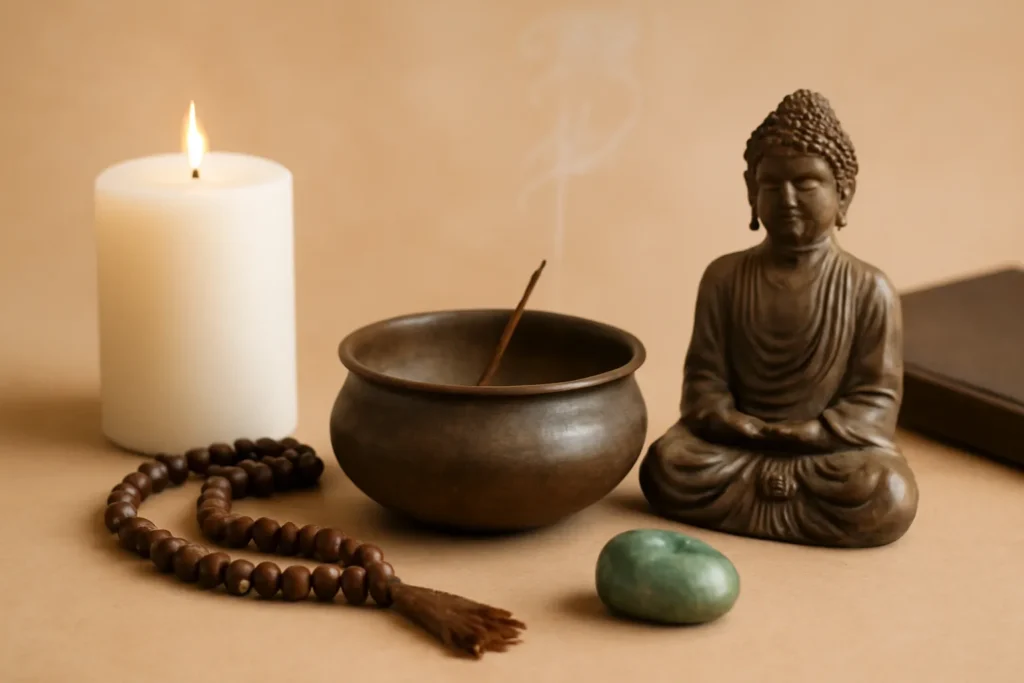
High-quality prayer beads or mala threads for counting mantras or breaths.
Singing bowls, bells, or chimes to mark attention and cultivate resonance.
Mindfulness journals with prompts that encourage daily reflection and gratitude.
Guided meditation apps or subscriptions for variety and structure, if they enjoy digital support.
Scented yet subtle candles or incense crafted from natural ingredients to create a calm atmosphere (check for sensitivities and preferences).
Breath-work cards or a small book on pranayama to invite intentional breathing practices.
Why these work: they offer structure, comfort, and ritual without demanding new beliefs. A well-chosen mindfulness aid can be used daily, reinforcing consistency and offering tangible reminders of intention.
Yoga and breathwork tools
For those who center their practice around the body, physical tools can support alignment, flexibility, and calm. Select items that suit the recipient’s practice level and space:
Yoga mats with good grip and non-toxic materials for safe, enjoyable practice.
Yoga blocks, straps, and bolsters to modify poses and deepen stretches.
Breathwork accessories like a small bell on a timer or a visual cue to anchor breathing cycles.
Essential oil blends for relaxation or a diffuser designed for serene ambience (mindful use is key, as some individuals prefer fragrance-free environments).
Comfortable, breathable activewear that supports mindful movement and ease of practice.
Notes: choose materials that are sustainable and ethically produced. If the recipient practices in a dedicated space, compact tools that fit within that space are often valued more than elaborate gear.
Sacred reading, study, and contemplation
For many spiritual seekers, study is a daily or weekly practice. Gifts that support learning, reflection, and sacred literacy can be both practical and inspiring:
Translations of sacred texts or commentaries that align with their tradition or curiosity.
Books on philosophy, ethics, or mindfulness that offer fresh perspectives without steering them away from their path.
Beautiful journals or notebooks for note-taking, poetry, or reflective writing.
Bookmarks with inspirational quotes to nudge daily reading rituals.
Book club memberships or study group access to connect with like-minded travelers on the spiritual path.
Tip: if you’re unsure about their preferred tradition, opt for universal themes like compassion, wisdom, and personal growth, which tend to resonate across many paths.
Sound can be a doorway to presence and healing. Gifts in this category invite sonic experiences, which many spiritual practitioners consider grounding or transformative:
Tibetan singing bowls or crystal singing bowls for meditation or prayer spaces.
Wind chimes or bells that create soft, melodious tones during rituals or quiet times.
Harp, flute, or singing performances experiences or instruments that the recipient can learn or enjoy listening to.
Digital soundscapes or nature sound CDs for focus and tranquility during study or reflection.
Reason to consider: the right sound can anchor attention, reduce mental clutter, and cultivate a receptive mood for practice.
Nature, earth, and elemental connections
Many spiritual paths honor the natural world as a teacher and sanctuary. Gifts that bring nature into daily life can be profoundly grounding:
Terrariums or small indoor plants with easy maintenance for a living reminder of growth and care.
Crystals or stones curated for intention (e.g., clarity, grounding, heart-opening). Be mindful of beliefs and sourcing.
Hanging or desktop planters that encourage tending and presence.
Herbal teas and a beautiful tea ceremony set to slow down and savor quiet moments.
Nature-inspired art or photography that stirs awe and reflection.
Note: if the recipient practices a tradition that restricts certain stones or symbols, choose items that align with their guidelines or focus on universal motifs like trees, rivers, or mountains.
Ritual kits and simple ceremonies
Rituals can anchor daily life in intention and gratitude. Gift sets that facilitate small, repeatable practices are often cherished for their practicality and symbolism:
Kits for candle rituals with a candle, sand for grounding, and a short prayer or intention card.
Tea ceremony starter kits including teapot, cups, and loose-leaf tea with a guide for mindful brewing.
Smudging or cleansing kits with responsibly sourced herbs or incense sticks, plus a guide on respectful usage.
Sundown or dawn ritual kits designed to encourage a mindful transition between day and night or night and morning.
Genuine care shines through the small acts of ceremony. Look for kits that emphasize simplicity, safety, and accessibility.
Aromatherapy, scent, and personal care
When used thoughtfully, aroma can enhance mood, memory, and spiritual focus. Choose products with transparent ingredients and safe usage recommendations:
Diffusers and pure essential oils for creating a tranquil space (if allergies or sensitivities are known, select scent-free options or neutral diffusers).
Natural perfumed balms or incense with careful attention to the fragrance level and the recipient’s preferences.
Mindful bath rituals such as bath salts, herbal soaks, or a single-use exfoliant that invites a moment of self-care.
Reminder: some people prefer fragrance-free environments; when in doubt, ask or choose unscented options.
Art, symbolism, and spiritual aesthetics
Artful objects that carry symbolic meaning can support contemplation, reminder, and inspiration. This category favors items that are meaningful, aesthetically pleasing, and appropriate to the recipient’s tradition or taste:
Mandala art prints or coloring books for meditative creativity.
Prayer flags, banners, or sacred art reflecting their path or a universal message of peace and unity.
Useful but beautiful home accents—a breathing space rug, a thoughtfully carved statue, or an abstract sculpture that evokes stillness.
Minimalist journals with inspirational prompts to accompany daily reflective practice.
Intention matters: pick pieces that will be used regularly and that uplift the daily environment rather than become mere decoration.
Experiential gifts: experiences that nurture spiritual growth
Sometimes the most meaningful gifts are not things but experiences—moments that expand awareness, foster connection, or awaken wonder. Consider these experience-based gifts for inner growth and mindful living.
Retreats, courses, and workshops
Giving access to a learning environment can be transformative. Options include:
Mindfulness or meditation retreats at reputable centers, offering silent or guided formats for focused practice.
Yoga teacher trainings, workshops, or weekend intensives to deepen physical and spiritual discipline.
Philosophy or contemplative studies courses that broaden perspectives while respecting the recipient’s beliefs.
Art or music therapy workshops to explore self-expression as a spiritual practice.
Practical tip: choose retreats that match the recipient’s level, travel comfort, and budget. A gift certificate or voucher may be more flexible than a fixed date.
Sound baths, concerts, and nature immersion
Experiential gifts tied to sound, ceremony, and nature can provide a vivid sense of connection to something larger:
Sound baths led by skilled practitioners—these sessions can be deeply restorative for many listeners.
Spiritual music concerts that align with their tastes and values.
Guided nature walks, forest bathing sessions, or sacred hiking experiences that foster presence and awe.
Experiential gifts support a sense of community, which is often central to spiritual life, whether through shared practice or shared wonder.
Volunteer experiences and service opportunities
For some, service is a core spiritual practice. Gifts that enable giving back can be deeply meaningful:
Charity donations in their name to a cause aligned with their values.
Volunteer day passes at places that resonate with their spiritual ethics (e.g., environmental conservation, shelters, community kitchens).
Creative or mindful service projects that partners you both in a shared value system.
Such gifts affirm the recipient’s commitments and can strengthen a sense of purpose and connection to others.
Practical considerations for choosing the perfect present
Selecting gifts for spiritual people benefits from a mindful, thoughtful approach. Here are practical guidelines to help you tailor a present to the person and the context.
Respect their path and beliefs
Avoid items that could misrepresent or appropriate a tradition. If you’re unsure, opt for universal themes such as peace, compassion, and wisdom.
When possible, ask a gentle question or observe what they already use in daily practice. A subtle hint can guide your choice without spoiling surprise.
Quality, not quantity
Choose well-made objects that last and age gracefully. Durable materials, natural finishes, and thoughtful design often matter more than the brand name.
Focus on items that invite regular use. A perfect coffee mug for mindful tea rituals can be more impactful than a decorative ornament.
Consider the lifecycle of the gift: can it be repaired, repurposed, or recycled?
Personalization and meaning
Engraving, a handwritten note, or a customization that reflects a shared memory can elevate the gesture.
Pair items with a short card that centers on gratitude, intention, or a heartfelt blessing.
Presentation and ritual of giving
Consider the ritual of unwrapping—use simple wrapping, natural fibers, or a keepsake box that the recipient can reuse.
Include a brief note about how you hope the gift supports their practice or a moment of your shared intention.
Gifts for different spiritual paths: mindful sensitivity and inclusivity
The landscape of spirituality is diverse. If you know the recipient’s path, you can fine-tune gifts to align with their traditions. If not, you can still offer items that honor universal spiritual values.
Buddhist-inspired gifts
Mala beads for mantra meditation, with a note about counting breaths or prayers.
Zen garden or mindfulness desk set for a focused, contemplative workspace.
Beginner-friendly mindfulness kits or Dharma talks on CD or streaming service.
Christian contemplative gifts
Prayer journals, devotional books, or a beautiful Bible with a thoughtful commentary.
Icons, crosses, or sacred art that reflect the recipient’s tradition and aesthetics.
Candle sets for reverent evenings of reflection or prayer.
Hindu-inspired gifts
Incense blends, brass or copper ritual bowls, or small statues with respectful provenance.
Mantra music or devotional poetry collections in a format that suits their practice.
Yoga accessories that support asana and pranayama with attention to material quality.
New Age and eclectic spiritualities
Crystal grids or stone sets chosen for intention, along with a simple guide to use.
Affirmation cards or guided journals that encourage daily alignment with core values.
Decor that evokes nature, cosmic wonder, or universal compassion—objects that foster a sense of awe.
Indigenous-inspired gifts: respect, permission, and reciprocity
When choosing items rooted in Indigenous cultures, practice respectful engagement. Seek items that are ethically sourced, created by Indigenous makers, and presented with proper context and consent. If possible, support artisans directly, learn about the culture’s values, and avoid stereotypes or cultural appropriation.
Avoiding common pitfalls in gifting for spiritual people
Even well-meaning gifts can miss the mark. Here are some frequent missteps and how to sidestep them:
Assuming beliefs or imposing your own interpretation of spirituality onto others. When in doubt, ask or choose neutral items that support general well-being.
Over-texturizing the gift with complex setups or expensive gadgets that require ongoing maintenance or subscription fees.
Choosing scent-heavy items for someone who may have sensitivities or a preference for fragrance-free spaces.
Forgetting the recipient’s space—large, bulky items may overwhelm a small apartment or a shared living space.
Ignoring sustainability and ethics—a beautiful object that harms the environment or workers undermines the gift’s intention.
Putting it into practice: a sample gift plan
To illustrate how these ideas come together, here is a sample plan for a thoughtful, holistic gift that could delight many spiritual-minded people, while still allowing for personalization:
Choose a primary category (e.g., meditation aids, or an experiential retreat).
Pair with a complementary item (e.g., a mindfulness journal with a small mala and a candle).
Include a personal note that expresses gratitude for the recipient’s presence in your life and your wish for their inner peace.
Consider sustainability—wrap in a reusable cloth bag or plant-based packing, and provide care instructions.
Example package: a high-quality meditation cushion, a mala bead bracelet, a candle made from soy wax with a soft aroma, and a short guided-meditation audio card. It’s a compact set that supports daily practice without demanding a major commitment.
Why gifts for spiritual people matter: outcomes beyond the object
Gifts chosen with intention can have ripple effects beyond the immediate moment. They can:
Encourage daily practice by removing friction or adding gentle reminders.
Strengthen relationships through shared rituals, gratitude, and meaningful dialogue about values.
Support emotional well-being by offering comfort, calm, and grounding during stressful times.
Foster curiosity and growth by exposing the recipient to new perspectives, practices, or experiences.
The right gift can be a doorway—opening a new way to engage with stillness, compassion, and wonder. When given with authentic care, even a modest present becomes a symbol of shared intention and respect for another’s spiritual path.
Conclusion: the best gifts for spiritual people are those that invite presence
Ultimately, the best gifts for spiritual people are less about the price tag and more about the presence behind the gesture. They are gifts that invite the recipient to pause, breathe, and turn toward what matters—inner peace, connection with others, and a deeper sense of meaning. By focusing on intention, ethical sourcing, and a thoughtful match to the recipient’s practice, you can give gifts for spiritual people that endure in memory and daily life. Remember that the most powerful present may simply be your time, listening, and a shared moment of quiet that honors the path another person walks. In the end, mindful gifting is a practice in itself—an opportunity to nurture compassion, generosity, and the ongoing journey toward a more open, grounded, and loving life.











Leave a Reply