Introduction: Why a candle can be meaningful in Christian devotion
A candle has long carried symbolic weight in Christian practice. It represents light in the darkness, guidance in times of doubt, and a tangible reminder of the presence of Christ among his people. A candle for Jesus is more than a decorative object; it is a tool for focus, a symbol of prayer, and a small act of worship within a home, a chapel, or a group setting. When chosen thoughtfully and used intentionally, a Christ-centered candle can deepen meditation, support prayerful rhythms, and enrich both personal devotion and communal liturgy.
What makes a candle for Jesus meaningful?
Choosing a Jesus candle or a candles for Jesus approach involves recognizing the ways a flame can point the heart toward God. The following elements contribute to meaningful use:
Intent and purpose: A candle is most meaningful when it serves a clear devotional aim, such as prayer for healing, gratitude, repentance, or intercession.
Symbolic alignment: Colors, scents, and form can reflect liturgical seasons or personal devotion while remaining aligned with Christian symbolism.
Respect for safety: A candle is a fire, and wise handling honors God by safeguarding life and property.
Quality and integrity: A well-made Christ-centered candle with safe wicks and non-toxic scents supports a calm, focused atmosphere rather than distraction.
Community and mission: A candle can become a shared practice in a family, church group, or classroom, carrying the intention of the participants beyond the flame.
Choosing the right candle: key considerations
When selecting a candle for Jesus, it helps to think about how and where you intend to use it. The following criteria guide most purchases and DIY projects alike:
Wax type: Beeswax, soy, paraffin, or blends each offer different burn characteristics, scent profiles, and ethical considerations. Beeswax is often praised for a clean burn and natural golden glow; soy wax tends to be cleaner and longer-burning; paraffin is common and affordable but may release more soot or require fragrance containment.
Wick type: Cotton or cotton-core wicks are common and reliable. Wood wicks produce a soft crackling sound and a distinct ambiance, but require careful trimming and placement. Ensure wicks are lead-free and appropriate for the candle size.
Burn time and size: A longer burn time can support longer prayer periods or repeated use, while smaller votives may be ideal for personal prayer corners or classroom settings. Consider how many hours you expect to experience flame-lit devotion per week.
Fragrance or fragrance-free: Some people prefer unscented candles to keep focus on prayer and Scripture, while others enjoy subtle, prayerful scents like lavender, myrrh, or frankincense. If using in a shared space, discuss fragrance sensitivity with others.
Color symbolism: Colors can echo liturgical seasons or personal intentions. White often represents purity and the resurrected Christ; purple signals penance or Advent and Lent; gold or yellow can reflect divine glory; green suggests growth in faith; red can symbolize martyrs or the Holy Spirit.
Container and safety: Glass jars, metal holders, or beeswax sheet candles each affect how the flame behaves and how easy it is to extinguish safely. A sturdy base and a heat-tolerant container reduce risk in home environments or classrooms.
Quality and origin: Look for candles that are authentically Christ-centered in labeling, or crafted by makers who respect Christian symbols and ethical sourcing. Clear labeling about ingredients helps you avoid allergens and unwanted additives.
Price and availability: Consider your budget and whether you prefer limited-edition seasonal candles or reliable, everyday options. Both have value when used with intention.
Common forms of a Christ-centered candle
Here are typical forms you may encounter, each with its own devotional use:
Altar candles for family or church use, often tall and elegant, intended to be central to a devotional space.
Votive candles for personal prayer corners or small group settings, providing focused, shorter burn times.
Prayer candles with printed prayers or meditations on the label, convenient for grace-filled repetition.
Icon candles featuring religious imagery or scriptural verses to guide meditation.
Beeswax pillars offering a long burn with a warm, natural glow that can highlight reverence in a sacred room.
Lighting a Christ-centered candle: practical steps
Lighting a candle for Jesus is a small, sacramental act that can center a moment of contemplation. Use the following steps to establish a meaningful routine:
Prepare your space: Clear clutter, dim lights, and set a quiet ambiance. If you have a home altar or a dedicated prayer table, place the candle in a stable holder and ensure the area is well-ventilated but free from drafts that could tilt or extinguish the flame.
Pray or settle your mind: Take a moment to breathe, calm your thoughts, and invite the Holy Presence. A simple prayer or Scripture verse can frame the time.
Light with intention: Use a long lighter or a match, keeping your hands away from the wax to avoid soot. If you practice blessing candles, you may bless the flame as you light it, acknowledging God’s light in your life.
Observe the flame: Watch the flame for a moment; notice the movement, the glow, and the way light falls on your space. This awareness can anchor your heart in prayer.
Engage in prayer or Scripture: Read a verse, recite a prayer, or reflect on a truth about Jesus as you allow the candle’s glow to accompany your words.
Extinguish safely when done: When your time ends, snuff or gently blow out the flame. If you snuff, consider using a snuffer to minimize smoke and preserve a calm atmosphere.
Best practices for ongoing use
Never leave a burning candle unattended: This is a basic safety rule for homes, classrooms, and churches alike.
Trim the wick regularly: A short, clean wick reduces soot and ensures a steady burn. Remove any carbon buildup carefully.
Keep away from flammable materials: Place candles away from curtains, papers, clothing, and electronics to minimize risk.
Use a heat-resistant holder: A stable base helps prevent tipping and contains melted wax safely.
Ventilate the room:Especially in longer prayer times or group settings, moderate ventilation helps avoid smoke buildup.
Placement, setup, and environment for a candle for Jesus
Placement matters because it shapes focus and safety. Consider the following guidelines when organizing your devotional space:
Center the flame: Place the candle at the focal point of an altar or prayer table, ideally at eye level when seated, so the flame draws the eye without strain.
Announce intention with the space: If this candle is part of a family ritual or a classroom activity, share a brief intention aloud before lighting to reinforce purpose.
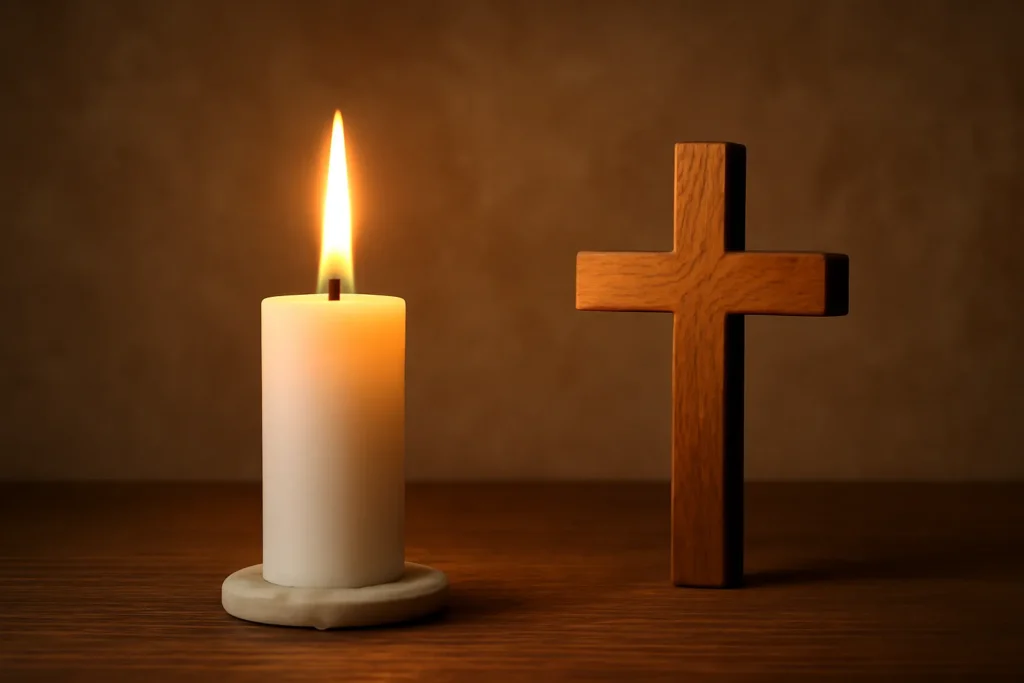
Coordinate with other decor: Use simple symbols like a cross, a Bible, or a small crucifix to complement the candle without overpowering the space.
Consider color and season: For Advent, choose purple or blue candles; for Christmas, white or gold; for Lent, purple; for Easter, white or gold. Colors can communicate the season’s meaning even in a quiet room.
scent, fragrance, and purity: choosing fragrance for a prayer candle
The decision to include fragrance is personal and contextual. Fragrance can enhance devotion by stimulating memory and emotion, but it can also distract or irritate. Here are considerations to help you decide:
Unscented is often best for focus: If your goal is quiet contemplation, scent-free candles reduce sensory noise and allow Scripture or prayers to speak more clearly.
Light, natural scents can support prayer: Subtle fragrances like frankincense, myrrh, lavender, or citrus may evoke biblical associations and create a serene atmosphere. Use essential oils sparingly if you’re adding fragrance yourself.
Avoid overwhelming perfumes in shared spaces: In classrooms, churches, or nursing homes, strong scents can disturb others with allergies or sensitivities.
Using candles in seasons: Advent, Christmas, Lent, Easter, and beyond
A candle for Jesus can mark time and invite rhythm into faith practice. Seasonal candles help families and congregations remember the mysteries of the Christian year:
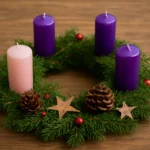
Advent candles often reflect preparation and expectation; purple or blue tones emphasize waiting, with optional pink for Gaudete Sunday.
Christmas candles celebrate incarnation and joy; white or gold candles can symbolize purity and divine glory.
Lent candles invite penitence and reflection; purple is traditional, and a low, quiet flame can accompany the somber mood of this season.
Easter candles glow with triumph and the resurrection; white or gold can reflect new life and victory over darkness.
Ordinary time candles may use green accents to represent growth in faith and the ongoing mission of the church.
Care and maintenance of your candle for Jesus
Proper care extends the life of a Christ-centered candle and preserves its devotional value. Consider these practices:
Keep away from drafts and moisture: Drafts can cause uneven burning, tunneling, and smoke.
Store properly: If you’re not using a candle immediately, store it in a cool, dry place away from direct sunlight to preserve color and scent.
Repair and reuse: If a candle burns unevenly (tunneling), you can carefully burn longer sessions to even the surface or re-center the wick if you have the know-how.
Respell and re-center: For jars, if the wax sinks or forms a memory ring, you can allow a gentle burn to level the surface and straighten the wick.
DIY options: making your own Christ-centered candle
DIY candles for Jesus can be a meaningful way to personalize devotion and to teach others about the symbolism of light. If you choose to craft your own, follow these guidelines for safety and quality:
Choose a wax base: Beeswax is natural and clean-burning; soy wax is beginner-friendly and versatile; paraffin is economical and widely available. Each has its own melting and scent-mixing properties.
Pick a wick: A wick suitable for your wax type and jar size is essential for a steady burn. Cotton wicks are common, while wood wicks add a distinctive ambiance but require careful trimming and a stable surface.
Color and fragrance: If adding color, use only approved candle dyes and test in small batches. Fragrance oils should be skin-safe and used sparingly to avoid overpowering the devotional purpose.
Pouring and curing: Melt wax slowly, maintain a steady temperature, and pour into pre-warmed containers. Allow the candle to cure fully according to the wax manufacturer’s instructions.
Blessing and consecration: For many communities, you may bless the candles during a simple liturgy, inviting God’s grace to rest on the candle’s flame as a symbol of Christ’s presence in daily life.
Safety first: essential rules for all Christ-centered candles
Safety is a serious dimension of using any candle, especially in a home or classroom setting. Emphasize the following:
Never leave a burning candle unattended: Even a candle with a low flame can become dangerous if left alone.
Place on stable, heat-resistant surfaces: A noncombustible holder reduces the chance of tipping and wax spills.
Keep out of reach of children and pets: A moment of distraction can lead to accidents.
Use in a well-ventilated area: Adequate airflow helps minimize smoke and odors.
Trim wicks before lighting: A shorter wick creates a steadier flame and reduces soot.
Symbolic and devotional uses: integrating candles into prayer and worship
A candle for Jesus can serve many devotional purposes. Here are practical ways to weave flame into your spiritual life:
Prayer prompts: Light the candle as you begin, then read a Bible verse or prayer aloud, letting the light guide your words.
Scripture reflection: Pair a candle with a short meditation on a verse like John 8:12 or Psalm 18:28 to anchor your contemplation.
Intercessory practice: Light a candle for the needs of others, placing their names or intentions on slips of paper near the flame (and removing them after your prayer time).
Family routines: Designate a nightly or morning time for a brief candle-centered prayer, building continuity and memory within the home.
Group worship and catechesis: In small groups or Sunday school, candles can symbolize shared illumination and the presence of Christ among learners and leaders.
Frequently asked questions about candles for Jesus
Below are common questions families, churches, and individuals ask when integrating Christ-centered candles into practice:
Are beeswax candles better for Christian devotion? Beeswax is a natural option with a warm glow and long burn, often perceived as purer and more enduring. However, the best choice depends on personal preference, budget, and use context.
Can I use scented candles in church or classroom settings? It’s best to check with organizers and be mindful of sensitivities. In many shared spaces, unscented candles are preferred to avoid allergies and discomfort.
What should I do with a candle if the flame goes out? If the candle goes out, extinguish it safely or relight after a brief pause if appropriate. If the candle was used for a liturgical ritual, you may acknowledge the intermission and resume with prayer when ready.
How long should I burn a candle during devotion? It depends on your schedule and the candle’s burn time, but many people light for 10–20 minutes as a focused moment of prayer, then extinguish or let it burn through quietly as time allows.
Is it acceptable to reuse jars or containers for new candles? With proper cleaning and safety precautions, repurposing containers can be a sustainable practice, but ensure all wax residue is removed and the container is safe for future use.
Conclusion: embracing light with intention and care
A candle for Jesus can illuminate more than a room; it can illuminate the heart. By choosing the right form—whether a tall altar candle, a compact votive candle, or a handcrafted Jesus-centered devotional candle—you invite a tangible reminder of God’s presence. Lighting and using Christ-centered candles with thoughtfulness—honoring safety, fragrance considerations, color symbolism, and seasonal meaning—transforms a simple flame into a meaningful practice. Whether you are praying in solitude, leading a family evening, or guiding a classroom session, a disciplined approach to candles for Jesus fosters focus, reverence, and a shared sense of God’s light in the world.
As you begin or continue this practice, remember these guiding principles: let the flame point you toward Christ, care for the space as an act of love, and let the candle’s glow nourish generosity, peace, and gratitude in your daily life. The practice of using Christ-centered candles is not about the flame alone but about the transformation the flame awakens in the heart—the light of Christ shining through ordinary moments into lasting devotion.





Leave a Reply