Hephzibah: The Biblical Woman of Royal Significance and Grace
Hephzibah: The Biblical Woman of Royal Significance and Grace
Old Testament Women | Symbolic Figures
Hephzibah: The Biblical Woman of Royal Significance and Grace
📅 9th century BCE, during the era of the divided kingdom of Israel and Judah · 📜 The name Hephzibah means 'My delight is in her' in Hebrew, signifying joy and pleasure in her presence.
HephzibahBible womenRoyal women in ScriptureJewish history
His mother called his name Jehoash, saying, 'The Lord has given us victory over the enemies and has delivered us from all our fears.'— 2 Kings 11:1-3
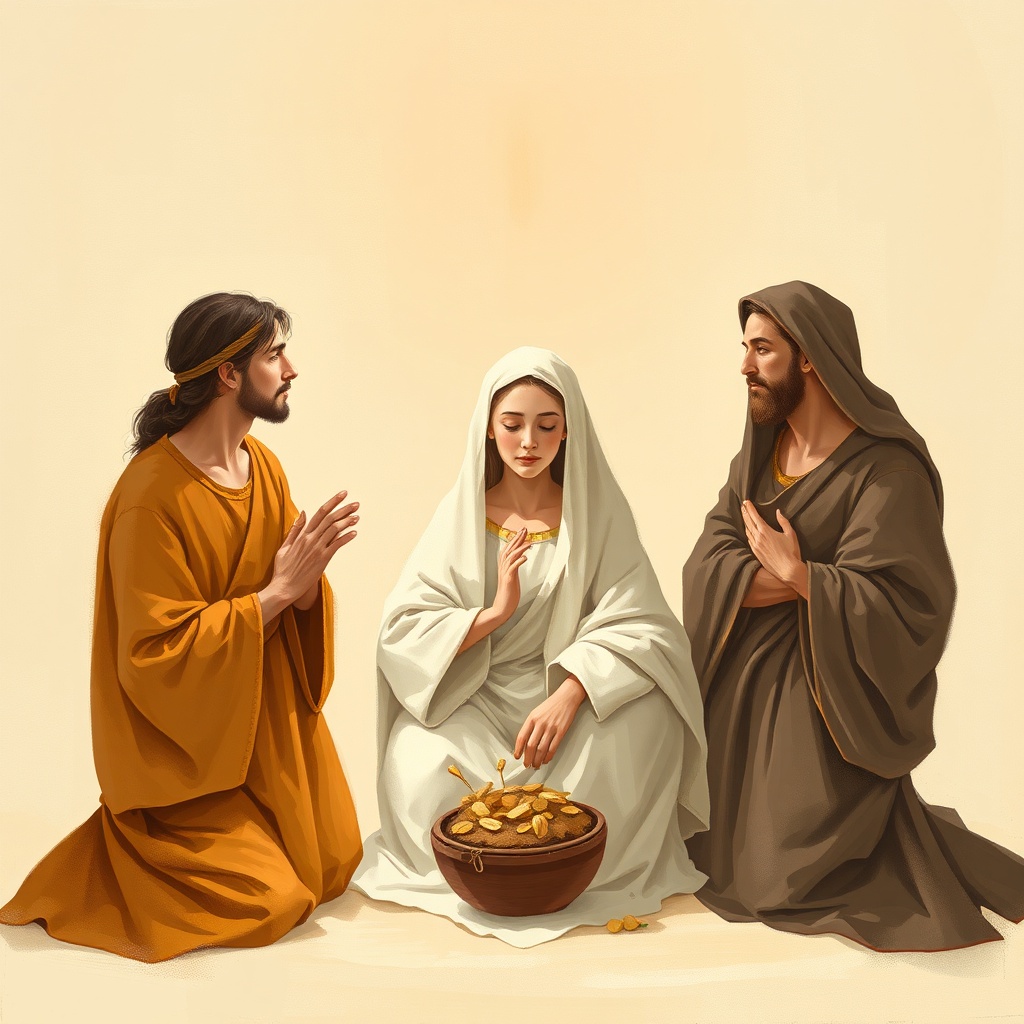
Hephzibah's story is brief but impactful; she was a queen of Judah, married into the royal family during a turbulent time. Her name, meaning 'My delight is in her,' reflects her cultural significance, indicating her valued role in the palace. She is most notable for her connection to her son Jehoash (Joash), whom she protected during a political upheaval. Her story intersects with that of her husband, Jehoiada the priest, and the political intrigues surrounding the succession of the throne. Although little is explicitly detailed, her mention epitomizes joy and hope within the royal lineage during Israel’s divided monarchy. Her presence symbolizes God's favor and the importance of faithfulness within the royal house. She exemplifies a quiet yet powerful influence, embodying divine delight amidst chaos and uncertainty in Judah’s history.
🏛️ Cultural & Historical Context
During Hephzibah's time, women in Judah primarily held roles centered on the family and the palace, often serving as symbols of the state's continuity and religious devotion. Royal women like her played crucial roles in ceremonies and alliances, though their personal influence was often understated. The period was marked by political instability, with kings often influenced by priestly and noble factions. Women in this era could wield significant symbolic power, especially as queens or mothers, reinforcing divine legitimacy of rulers. Shephzibah's association with familial and spiritual well-being highlights the cultural importance placed on lineage, royal faithfulness, and divine favor among Judean women.
👨👩👧 Family Connections
Hephzibah was the daughter of King Joram (Jehoram) of Judah and the wife of King Jehoiada, mother of King Jehoash (Joash).
Hephzibah embodies God's delight and approval of His people, symbolizing joy and divine pleasure in the lineage of David. Her story highlights God's faithfulness to His promises, especially in preserving royal lineages through faithfulness and divine favor. She reminds believers that God's joy is found in covenantal loyalty and righteousness. Her role emphasizes that faithfulness within the household can reflect larger divine truths about God's relationship with His people. In salvation history, she represents hope and divine approval, illustrating that God's delight is often in humble and faithful lives, preparing the way for His messianic promises.
📖 Lessons for Today
📖 Lesson 1
Trust in God's sovereign plan even during times of political or personal uncertainty. Like Hephzibah, our faithfulness can bring joy and divine favor.
Recognize the quiet but significant influence women can have within their families and communities. Faithful service and loyalty honor God and shape future generations.
📖 Lesson 3
Find joy in God's promises, knowing that divine delight rests on faithfulness and righteousness, inspiring us to live with spiritual integrity.
Hephzibah shares themes with women like Queen Esther and Hannah—women associated with divine purpose, hope, and faithfulness. Unlike the more active roles of Esther or Hannah’s prayerfulness, Hephzibah’s influence is subtle yet profound, symbolizing divine JOY and favor in royal lineage. Her story contrasts with women in the New Testament who took more active roles, yet emphasizes that faithfulness and loyalty are also divine virtues that shape salvation history.
📜 Scripture References
Reference
2 Kings 11:1-3
2 Kings 11:20
❓ Frequently Asked Questions
Who was Hephzibah in the Bible?
Hephzibah was a queen of Judah, wife of King Jehoiada, and mother of King Jehoash. She is mentioned in 2 Kings 11 as a symbol of God's delight in His people.
What does Hephzibah's name mean?
Her name means 'My delight is in her' in Hebrew, signifying joy and divine approval in her role and lineage.
Why is Hephzibah significant today?
Her story reminds believers of the importance of faithfulness and divine joy in God's plan. She exemplifies how quiet loyalty can have lasting spiritual significance.
✨ Did You Know?
Though only briefly mentioned, Hephzibah's name and story have inspired interpretations about joy and divine approval in biblical scholarship. The name 'Hephzibah' was also used for a later biblical woman (Isaiah 62:4), emphasizing her symbolic role as a representation of God's delight and restoration.











Leave a Reply