Nehushta: The Woman of Faith and Devotion in the Bible
Nehushta: The Woman of Faith and Devotion in the Bible
Old Testament Women | Deuterocanonical Women
Nehushta: The Woman of Faith and Devotion in the Bible
📅 6th century BCE (Babylonian exile period) · 📜 Nehushta means 'Fountain' or 'Spring' in Hebrew, symbolizing purity, life, and renewal.
NehushtaBible WomenFaithLoyalty
O royal daughter, consider and give attention; forget your people and your father’s house. The king is enthralled by your beauty; honor him, for he is your lord. The princess, your companions, will be entreating your favor. The city of Tyre will come with a gift, and the richest of peoples will seek your favor.— Song of Solomon 1:8-10
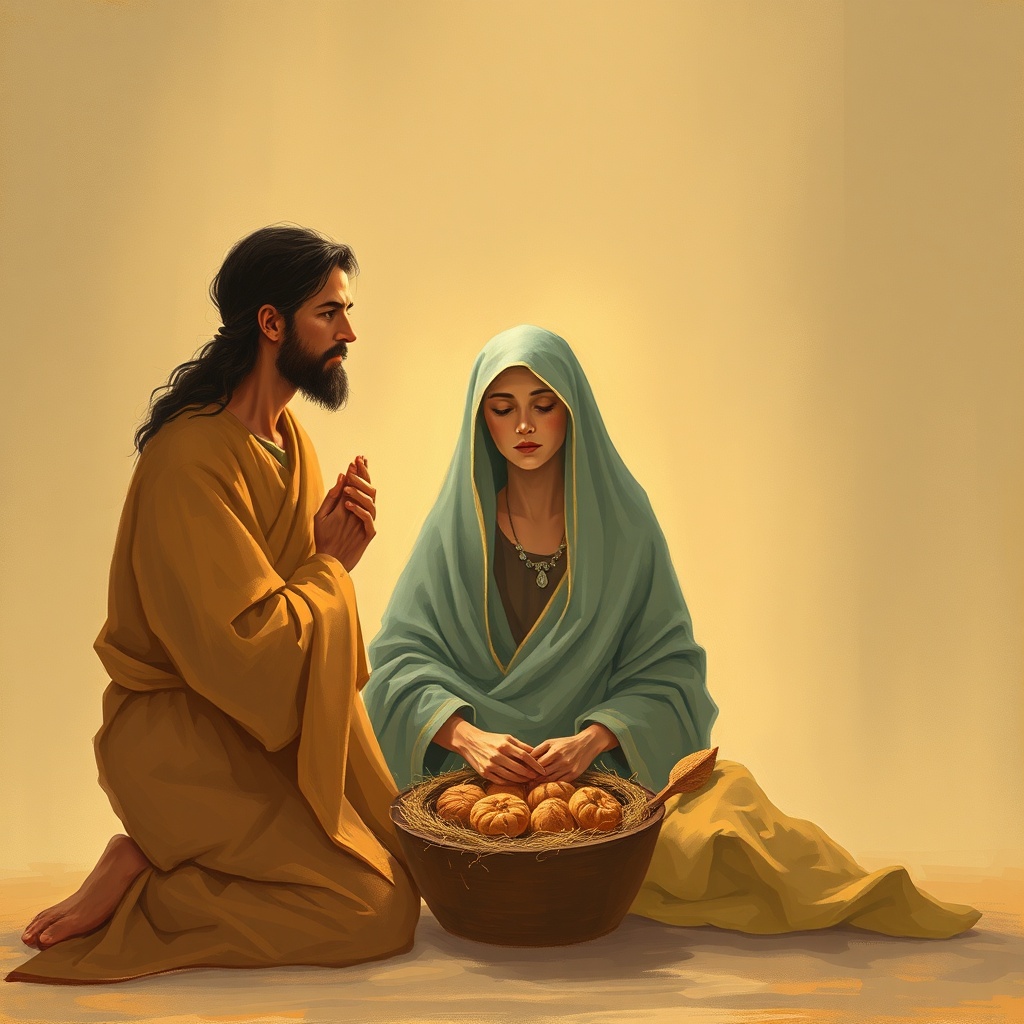
Nehushta appears in the biblical narrative primarily as the wife of Jehoiachin, king of Judah, and mother of his successor. Her story is intertwined with the fall of Jerusalem and the exile to Babylon. Even in captivity, her identity as a royal woman signifies loyalty to her heritage. Her presence in Jeremiah 13:18 reflects her role as a mourning mother and symbol of Judah’s suffering. Although not a protagonist in the traditional sense, her story exemplifies faithfulness amid adversity, representing resilience and hope. Her legacy underscores the moral and spiritual strength required to endure exile and maintain fidelity to God's covenant. Nehushta's narrative offers insight into the experiences of royal women during times of crisis and highlights the importance of steadfastness in faith.
🏛️ Cultural & Historical Context
During the 6th century BCE, women in Judah held roles centered around family, faith, and societal stability. Royal women like Nehushta were often seen as symbols of national identity and spiritual fidelity. Despite limited political power, their influence was shaped through family ties, religious participation, and upholding traditions during tumultuous times such as the Babylonian exile. Women’s roles extended to being moral exemplars, maintaining cultural continuity, and supporting their families through hardship. Nehushta's stature as a royal woman placed her in a unique position of cultural and spiritual significance, embodying resilience and hope amidst the backdrop of national trauma.
👨👩👧 Family Connections
Wife of Jehoiachin (King Jeconiah) of Judah, mother of King Jehoiachin, and daughter of Elnathan, a court official.
Nehushta exemplifies unwavering faith and fidelity to God's covenant during times of trial. Her story underscores the biblical theme that faithfulness endures beyond circumstances and highlights the importance of maternal influence and hope in salvation history. As a member of the royal family, her perseverance symbolizes God's sovereignty and the possibility of renewal even after judgment and exile. Nehushta reminds believers of the importance of loyalty to God's promises and highlights the silent but profound role women played in maintaining spiritual integrity in challenging seasons.
📖 Lessons for Today
📖 Lesson 1
Loyalty to faith and family sustains us through life's hardships, just as Nehushta remained faithful during Judah’s exile.
Nehushta’s story connects to women like Queen Esther and Ruth, who demonstrated loyalty and faith in God's plan. Unlike other women who played active roles in political or prophetic contexts, Nehushta embodies quiet devotion and resilience. Her narrative contrasts with women like Jezebel or Athaliah, whose actions led to turmoil, emphasizing her role as a symbol of steadfast loyalty and hope amid crisis.
📜 Scripture References
Reference
2 Kings 25:1-30
Jeremiah 13:18
❓ Frequently Asked Questions
Who was Nehushta in the Bible?
Nehushta was a royal woman, wife of King Jehoiachin of Judah and mother of King Jehoiachin. She is mentioned in biblical texts associated with the exile period and symbolizes faithfulness and resilience.
What is the significance of Nehushta's story?
Her story highlights faithfulness in difficult circumstances, representing hope and perseverance during Judah's exile and national tragedy.
How does Nehushta compare to other biblical women?
Unlike women who play active leadership roles, Nehushta exemplifies quiet strength, loyalty, and maternal devotion, embodying enduring faith during times of crisis.
✨ Did You Know?
The name Nehushta means 'Fountain' in Hebrew, symbolizing life and renewal, which reflects her role as a symbol of hope amid Judah’s fall and exile. Additionally, her mention in biblical texts underscores the significance of royal women in maintaining spiritual and cultural identity during periods of upheaval.









Leave a Reply