Herodias in the Bible: A Complex Figure of Power and Betrayal
Herodias in the Bible: A Complex Figure of Power and Betrayal
New Testament Women
Herodias in the Bible: A Complex Figure of Power and Betrayal
📅 1st century AD, during the Herodian dynasty · 📜 Herodias' name likely derives from Greek elements meaning 'hero' or 'warrior' (heros) combined with a suffix indicating ‘daughter’ or ‘descendant’, though its precise meaning is uncertain.
HerodiasJohn the BaptistHerod AntipasBible women
Herodias, filled with revenge and malice, played a pivotal role in the death of John the Baptist—a man of righteousness—by persuading her daughter to request John's execution, illustrating how personal vendettas can overshadow moral justice.— Mark 6:19
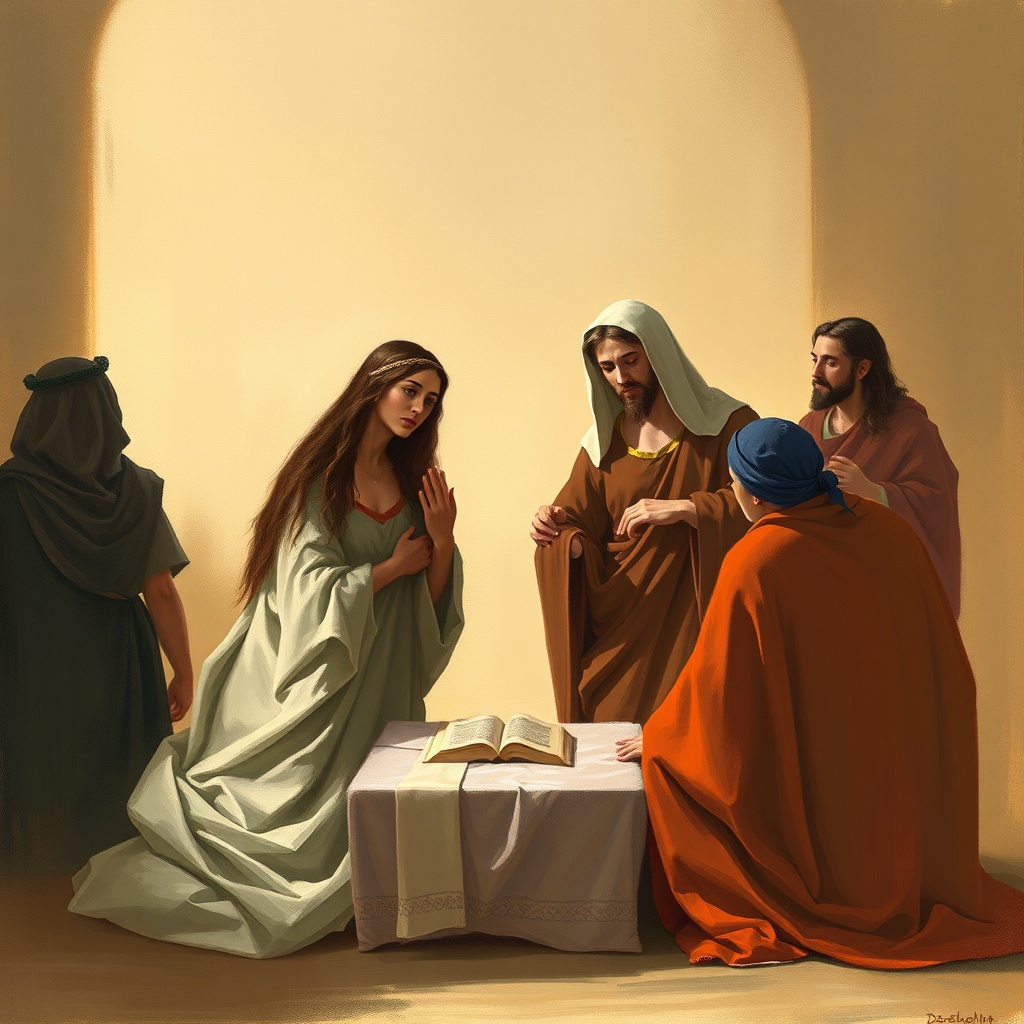
Herodias emerges as a prominent and controversial figure in the New Testament, known primarily for her role in the imprisonment and death of John the Baptist. She was initially married to Herod Philip but later became the wife of Herod Antipas, the tetrarch of Galilee. Her marriage to Antipas was considered unlawful by Jewish law, leading to criticism and political tension. Her personal ambition and desire for influence are evident when her daughter Salome dances before Herod Antipas at his birthday feast, leading to a rash promise that results in the execution of John the Baptist. Her vindictive personality and thirst for power highlight the darker aspects of political intrigue in Herodian Palestine. Her actions contribute to the narrative of moral decay and the prophetic stand against injustice that John the Baptist represented, serving as a symbol of corruption and the peril of unchecked vengeance. Her story underscores themes of justice, influence, and the destructive potential of revenge in the biblical context.
🏛️ Cultural & Historical Context
Herodias lived during a tumultuous period under Roman rule, where Herodian rulers like her husband sought to maintain power amidst political and religious unrest. Women in her era often had limited public influence, yet aristocratic women could wield significant behind-the-scenes power through family connections and marriages. Her role as a wife and mother carried weight in her social standing, and her actions demonstrate how royal women could impact political and religious affairs subtly or overtly. Her story reflects the complex gender dynamics of the time, where political alliances and personal ambitions often intersected with moral and religious tensions, shaping her reputation as a figure of intrigue and controversy.
👨👩👧 Family Connections
Herodias was the wife of Herod Antipas, the tetrarch of Galilee and Perea. She was previously married to Herod Philip, her brother-in-law, and was the mother of Salome and other children. Her background details are scarce, but she was of Nabatean or Idumean origin, connected to the Herodian family complex.
Herodias symbolizes the corrupting influence of unchecked desire for power and revenge. Her story highlights the moral hazards faced by those in positions of influence and underscores the importance of righteousness over personal vendettas. Her involvement in John the Baptist's death serves as a cautionary tale about the dangers of compromising moral integrity for political or personal gain. The narrative invites reflection on divine justice and the consequences of moral decay within leadership. Her actions facilitate the fulfillment of God's prophetic plan through John's martyrdom, emphasizing that even flawed figures play a role in God's overarching salvation history. Her story challenges believers to uphold justice and integrity amid worldly temptations.
📖 Lessons for Today
📖 Lesson 1
Pursuing power without ethical restraint can lead to destructive outcomes; integrity and justice should guide leadership.
Herodias contrasts sharply with women like Abigail, who used wisdom and diplomacy to influence kings positively. Unlike Ruth’s devoted loyalty or Mary’s faithful obedience, Herodias employs manipulation and revenge, highlighting varied roles women can play in biblical narratives—from virtuous followers to figures of moral failure.
📜 Scripture References
Reference
Mark 6:17-28
Matthew 14:3-11
Luke 3:19
❓ Frequently Asked Questions
Was Herodias punished for her role in John's death?
The Bible does not record a specific punishment for Herodias herself. Her story ends with her actions leading to John's martyrdom, serving as a warning rather than a narrative of divine retribution.
Why did Herodias marry Herod Antipas?
Herodias married Herod Antipas after divorcing her previous husband, Herod Philip, to pursue a marriage that increased her political power and influence, despite being unlawful by Jewish law.
What does Herodias symbolize in biblical teachings?
Herodias represents the dangers of revenge, immoral ambition, and corruption, illustrating how personal vices can lead to moral downfall and impact justice.
✨ Did You Know?
Despite her negative biblical reputation, some historical and linguistic studies suggest that Herodias' name might have had connotations of a noble or royal lineage, possibly reflecting her aristocratic heritage. Her story has inspired numerous artistic and cultural depictions over centuries as a figure embodying intrigue and moral complexity.






Leave a Reply