How Do We Show Gratitude to God: Practical Ways to Express Thanks Daily
Gratitude to the divine is a practice that extends beyond words. It is a way of living that shapes our choices, our relationships, and our sense of purpose. When we ask, how do we show gratitude to God, we are really asking how to align our daily rhythms with a spirit of thankfulness. This article invites you to explore practical, down‑to‑earth ways to express thanks to the Almighty—ways that are accessible, repeatable, and spiritually meaningful. Whether you come from a tradition that emphasizes prayer, service, or contemplation, there are universal principles that can help us cultivate a responsive, grateful heart every day.
Understanding the Heart of Gratitude
Gratitude is more than a feeling; it is a posture toward life. When we consider the gifts of creation, the breath we draw, the people who support us, and the opportunities that come our way, we begin to recognize that God's goodness is present in ordinary moments as well as extraordinary ones. The question, how do we show gratitude to God, invites us to translate awareness into action. Gratitude becomes an active cultivation—a daily choice to respond to life's blessings with generosity, humility, and justice.
In many faith traditions, gratitude is a form of worship that is expressed not only in words but in deeds. It is a reciprocal relationship: we recognize God’s grace and respond with devotion, responsibility, and service. When we ask, what would a grateful life look like in practice, the answer tends to be concrete, tangible, and repeatable: small acts of kindness, intentional prayer, mindful presence, and steadfast integrity.
Foundations: Why Expressing Gratitude Matters
There are several dimensions to the value of expressing gratitude to God. First, gratitude roots us in reality. It helps us acknowledge that life is a gift and that we are not the sole authors of our successes. Second, gratitude shapes our character. Regular gratitude fosters humility, patience, and resilience, qualities that sustain us in difficult seasons. Third, gratitude strengthens community. When we give thanks publicly and privately, we invite others into the recognition of goodness, which deepens trust and care.
From a practical standpoint, considering ways to show gratitude to God often translates into daily routines. It means turning potential complaints into reflections on blessing, turning entitlement into service, and turning distraction into presence. In short, gratitude is not merely an attitude; it is a set of habits that reorient how we spend our time, money, and attention.
Practical Daily Practices to Show Gratitude
The following sections present concrete practices that answer the often-asked question, how we show gratitude to God, by offering a spectrum of options. You may adopt several in combination, or select a few that feel most authentic to your path. The list is organized to cover interior disciplines, outward actions, communal life, and life’s challenges.
Prayer and Reflection
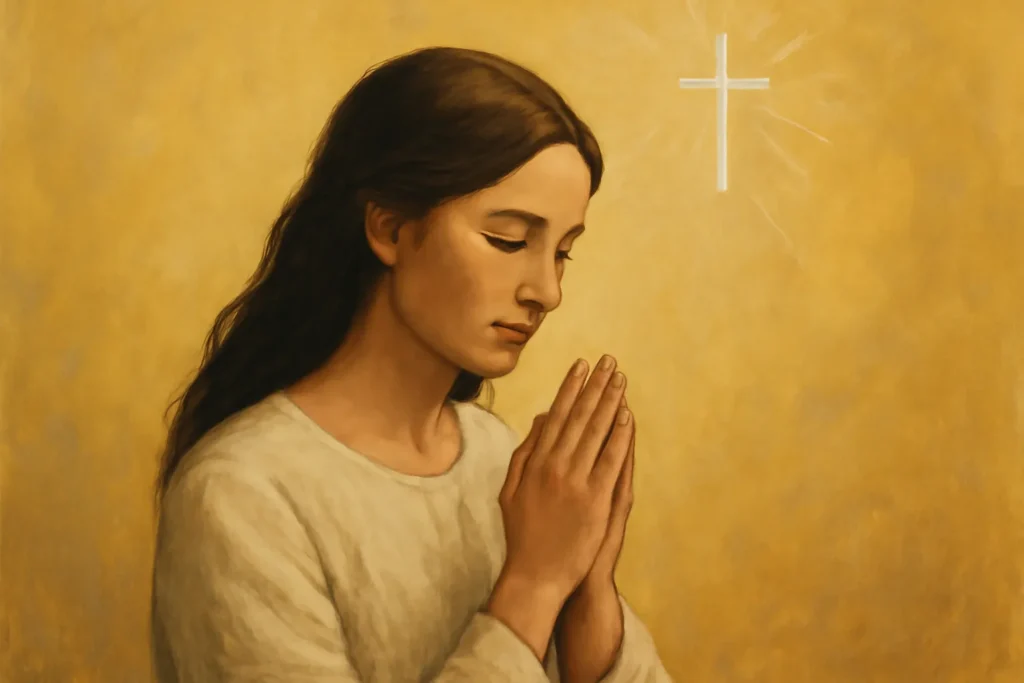
Prayer is a primary channel through which many people express gratitude. But the essence of gratitude in prayer is not merely asking for more; it is recognizing what has already been given and returning thanks. Consider these practical approaches:
Begin with thanksgiving: Start your daily prayers by naming three blessings you witnessed or experienced that day.
Keep a gratitude journal in prayer: Brief notes that describe how God’s provision showed up, however small.
End with reverence: Close your time of prayer with a return of thanks, expressing trust in God’s timing and care.
Use gratitude-specific prayers: Incorporate psalms, liturgical prayers, or personal statements that celebrate God’s character—lovingkindness, faithfulness, mercy, and provision.
Different traditions phrase gratitude in different ways, but the core intention is the same: to acknowledge God’s goodness and to invite that awareness to shape the rest of the day. If you ask, how to show gratitude to God through prayer, the answer often begins with sincerity, grows through consistency, and expands through community worship and shared thanksgiving.
A gratitude journal is a simple tool that turns inner gratitude into concrete record. When we pose the question, how do we show gratitude to God, journaling offers a reliable structure for daily notice and reflection. Here are practical steps:
Dedicate a small space in your journal for daily blessings—three to five entries each day.
Describe not only what happened, but how you saw God’s hand in it, whether through a person, a circumstance, or an inner peace.
Note the replies in your life afterward—moments when your gratitude influenced your actions or attitude.
Review weekly or monthly to observe patterns of provision, guidance, and grace that you may have overlooked in the rush of life.
Over time, a gratitude journal becomes a map of God’s faithfulness. It answers the question, how do we express gratitude to God in a way that preserves memory and fosters faith, by turning fleeting feelings into lasting record and wisdom.
Mindful Observation of Blessings
Gratitude grows when we train our attention to notice the ordinary as well as the spectacular. This practice, sometimes called mindful gratitude, reminds us that blessings are not only dramatic miracles but also daily favors. Techniques include:
Pause several times a day to name one thing you appreciate, aloud or in your mind.
Practice a three-breath gratitude meditation after meals or before sleeping, focusing on body, breath, and blessing.
Keep a running list of unseen gifts—things like health, a quiet moment, a reliable friend, or a hard lesson learned that reshaped you for the better.
By incorporating this practice, you answer the question, what are practical ways to notice God’s care in the mundane, turning daily life into a continuous conversation of thanks.
Service and Charity
Many believers understand gratitude as a responsibility to respond with generosity. Serving others is a direct way to honor God, express gratitude for one’s own abundance, and participate in God’s work of healing and justice. Practical ideas include:
Volunteer your time at a local shelter, food bank, or community program, offering your talents where there is need.
Alleviate financial distress by donating to causes that align with your values or by setting up a recurring gift that supports ongoing ministries or aid.
Engage in micro‑acts of generosity: pay for someone’s meal, lend a listening ear, or share resources without drawing attention to yourself.
Offer your skills to help neighbors and community members with projects that improve daily life.
These actions translate gratitude into tangible impact. When we ask, how to show gratitude to God through service, the answer is often found in the reliability and humility of our service—quietly addressing needs without seeking praise.
Generosity in Speech and Action
Gratitude often reveals itself in how we speak about others and about life. Consider the idea of speech that honors God—words that uplift, encourage, and build up rather than divide or demean. Practical steps include:
Offer kind, truthful, and thankful speech about colleagues, family, and strangers.
Give credit openly to God’s role in your achievements and to others who helped you along the way.
Practice silence in prayerful moments, letting gratitude shape what you choose not to say in heated or reactive moments.
Limit complaints by replacing one negative comment with a note of gratitude for the lesson learned or the support received.
When we navigate daily conversations with a posture of gratitude, we fulfill the exhortation to show gratitude to God by praising Him with our mouths and with our lives.
Worship, Music, and Song
Worship is a communal and personal form of gratitude. Through songs, hymns, psalms, and melodic praise, many people express their thankfulness to God. Practical approaches include:
Immerse yourself in music of thanksgiving during quiet moments or family gatherings.
Create a personal playlist of gratitude that corresponds to different seasons of life.
Participate in public worship or devotional circles where gratitude is a central motif.
Use art, poetry, or dance as a form of grateful expression, recognizing that gratitude can be embodied creatively as well as verbally.
In response to how do we show gratitude to God through worship, the core is to let the heart’s gratitude lead the voice, music, and shared ritual, turning emotion into communal blessing.
Stewardship of Time and Talent
God often requires us to steward more than money: time and talents are precious gifts. Practical strategies include:
Schedule regular times for family devotion and personal reflection, ensuring that God remains central in daily life.
Invest your unique abilities in endeavors that reflect God’s goodness—whether teaching, healing, building, or mentoring.
Say no to excess when required to preserve space for what matters most—health, relationships, and service.
Use your platform for good, advocating for justice, mercy, and peace in your community.
Answering how to show gratitude to God through time and talent means recognizing that your day-to-day routine can be a canvas for divine intention, where each choice has the potential to reflect divine care back into the world.
Thanksgiving in Difficult Times
Gratitude is not naive optimism; it can be a courageous response to hardship. When we face trials, the question how do we show gratitude to God during suffering invites a deeper authenticity. Consider these practices:
Identify at least one aspect of your situation for which you can give thanks, even if it is a lesson learned or a source of resilience.
Seek comfort in communal prayer or supportive relationships that remind you of God’s faithfulness.
Use hardship as impetus to grow in compassion for others who suffer, turning pain into advocacy or service.
Maintain spiritual disciplines (reading, prayer, sacred pause), even when gratitude feels fragile, trusting that tenderness can grow over time.
In grappling with adversity, many find that the question becomes, how can we show gratitude to God when life is hard, and the answer lies in maintaining a posture of trust, hope, and earnest effort to do good despite circumstances.
Gratitude Across Different Faith Traditions
All spiritual communities have their own vocabulary for gratitude. Some emphasize the sacraments or sacral rhythms; others highlight acts of service or moral living. Regardless of tradition, the underlying pattern is similar: acknowledge the gift, respond with love, and invite others into the experience of God’s generosity. Here are a few cross‑tradition reflections:
In contemplative paths, gratitude deepens through silence and attentive presence.
In communal worship, gratitude is a shared declaration that strengthens bonds and fosters mutual care.
In justice-centered faiths, gratitude expands into action for the vulnerable and the marginalized.
In liturgical life, gratitude is woven into daily cycles—readings, prayers, and rituals that remind worshippers of God’s steadfast love.
Whichever language your tradition uses, the practice remains practical: notice, name, thank, and act in ways that honor the divine gift and invite others to participate in that gratitude.
Gratitude can be elusive. We may struggle with distraction, entitlement, or disappointment. The question, how to overcome barriers to gratitude, is answered through intentional strategies that keep gratitude alive even when circumstances are challenging:
Reframe negativity: when you catch yourself focusing on lack, deliberately search for one blessing within the situation.
Set reminders: place notes or a daily alarm with a gratitude prompt to return you to appreciation.
Practice gratitude with others: sharing gratitude in family meals or group settings reinforces the habit and invites accountability.
Compare less, celebrate more: resist envy and instead delight in others’ good fortune as a way of honoring God’s varied blessings.
These strategies answer what would help us sustain gratitude in difficult seasons, emphasizing consistency, community, and practical steps that keep gratitude as a living practice rather than a distant ideal.
Tips for Maintaining Momentum
Maintaining a steady rhythm of gratitude requires intentional design. Here are practical tips to keep the practice vibrant and meaningful:
Establish a daily gratitude slot: a fixed time when you inventory blessings, no matter how small.
Pair gratitude with action: for every blessing you name, commit to a concrete act of kindness or service.
Incorporate gratitude into family life: make a nightly routine where each member shares a blessing and something learned from the day.
Use tangible tokens: place reminders—cards, stones, or pictures—that symbolize a blessing and prompt a quick prayer or reflection.
Review and celebrate growth: periodically reread journals or notes to observe how gratitude has shaped decisions and relationships.
In response to how do we keep gratitude at the center of daily life, these practical habits create a reinforcing loop: awareness leads to praise, praise leads to generosity, and generosity deepens faith and resilience.
Expressing gratitude to God is not a one-off prayer or a single act of generosity; it is a lifelong cadence—a way of living that continually rehearses the goodness of God, invites others into that goodness, and shapes us into more compassionate, mindful, and just human beings. Whether you ask, how do we show gratitude to God in the small moments or in the grand arcs of life, the path is the same: notice, name, thank, and act. By integrating prayer, journaling, mindful observation, service, gracious speech, worship, stewardship, and resilience in hardship, you build a robust, daily practice of gratitude that blesses both you and the world around you.
As you embark on this journey, remember that gratitude is contagious. Your consistent expressions of thanks can inspire others to reflect on their own blessings and to respond with love and generosity. The question, how to show gratitude to God daily, becomes less about a checklist and more about becoming the kind of person who sees the divine in ordinary life and responds with hope, mercy, and action. In that sense, gratitude is not merely a personal virtue; it is a communal invitation to live out God’s generous heart in practical, transformative ways.









Leave a Reply