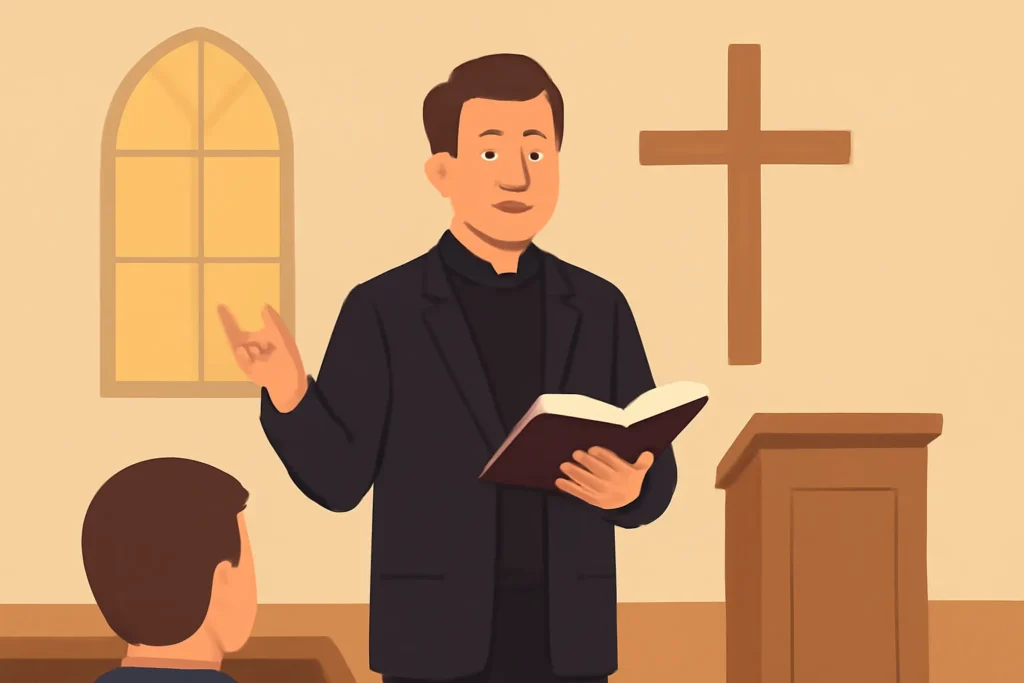
Any journey toward pastoral leadership begins with a deep, personal sense of calling. This is more than a momentary desire to serve; it is a conviction that God, or your religious community’s understanding of vocation, is inviting you to shepherd others through teaching, care, and leadership. In practical terms, exploring how to become a pastor starts with honest self-reflection about your motives, gifts, and long-term commitment. It often includes seeking counsel from trusted mentors, confessing your limitations, and asking hard questions about your readiness to bear responsibility for a congregation or ministry context. The path to ministry is as much about character as it is about credentialing, and in many traditions it involves demonstrated humility, perseverance, and an eagerness to serve rather than to lead for personal recognition.
Paths and Pathways to Becoming a Pastor
There are several legitimate routes to the pastorate, and the right path depends on your tradition, community setting, and personal gifts. Below are common avenues you might pursue when considering ways to become a pastor or path to pastoral ministry.
Formal seminary education combined with supervised ministry experience. In many denominations, this is the standard track to ordination. You’ll study biblical languages, systematic theology, church history, and practical ministry skills.
Bible college or Christian college degree with an internship or residency. Some people begin with an undergraduate degree and transition into graduate work while gaining hands-on ministry exposure.
Denomination-specific training or commissioned ministry programs. Some churches sponsor theological training that aligns with their doctrinal stance and governance structure, sometimes offering scholarships or paid apprenticeships.
Pioneer or plant-focused ministry routes, including church planting internships or bi-vocational pastoral roles. This path emphasizes flexibility, entrepreneurship, and the ability to engage new communities with the gospel or message you carry.
Non-traditional or parachurch pathways that lead to leadership roles within mission organizations, campus ministries, or community-based religious programs. These can transition into formal pastoral roles as you demonstrate gifting and character.
Regardless of the route, you’ll often hear about a two-track approach: a solid academic foundation paired with concrete, supervised ministry practice. The balance of theory and hands-on work helps you develop a durable philosophy of ministry and a workable, practical toolkit for everyday leadership.
Education and Training: What to Study
To pursue a credible approach to becoming a pastor, you should anticipate a blend of theological study, practical ministry training, and leadership development. Here are essential areas to study and why they matter.
Formal Education: Seminaries and Bible Colleges
Seminaries provide graduate-level training in biblical exegesis, systematic theology, and pastoral practice. They also typically include supervised field education, where you work in a church setting under a seasoned pastor. Bible colleges, while sometimes offering undergraduate degrees, can also provide strong ministry-focused curricula, practical internships, and biblically grounded preparation for seminary or direct church ministry.
Biblical languages (Hebrew and Greek) for accurate interpretation of Scripture.
Theology (historical, doctrinal, practical) to shape a coherent faith, apologetics, and worldview.
Church history to understand how past communities faced challenges, adapted, and learned.
Ethics and pastoral care to navigate moral decisions, counseling, and crisis situations with integrity.
Homiletics and communication to craft sermons that are clear, compelling, and culturally relevant.
Missiology and urban/mission studies for understanding how to engage communities with the gospel and service.
Leadership and administration to manage staff, budgets, and organizational structures in a church setting.
Gaining Practical Experience: Internships, Mentorship, and Mentored Ministry
Practical ministry experience is often what distinguishes a theoretical candidate from a pastor-in-training who can handle real-life duties. Below are common ways to accumulate meaningful ministry experience while you pursue education.
Finding a Mentor
Seek out a seasoned pastor or ministry leader who embodies the values you aspire to practice. A mentor can provide regular feedback, help you process difficult situations, and introduce you to routines of spiritual discipline, sermon preparation, and congregational care.
Internships and Residency Programs
Many churches offer internships that allow you to serve as a secondary pastor, youth leader, worship pastor, or administrator. A formal residency often extends over 12–24 months and includes structured assignments, performance reviews, and opportunities to preach, lead Bible studies, and participate in pastoral care under supervision.
Supervised Ministry Placements
Some degree programs integrate supervised ministry placements into the curriculum. These placements give you practical windows into weekly routines—preaching, shepherding, wedding and funeral planning, leadership meetings, and church communications—while a supervisor documents your growth and readiness for more responsibility.
Becoming a pastor also involves shaping a coherent theology of ministry and a distinctive leadership style that aligns with your tradition and community context. This fusion guides preaching, counseling, governance, and outreach. A robust approach includes both conviction and humility: you’ll need to articulate what you believe and why, while remaining teachable and open to correction.
Doctrine and practice: Clarify what you believe about salvation, grace, the church, baptism, communion, and eschatology, and how those beliefs translate into daily ministry.
Leadership philosophy: Decide how you lead teams, handle conflict, and cultivate accountability within church structures.
Pastoral identity: Develop a sense of your calling, your spiritual gifts (such as teaching, shepherding, or administration), and your boundaries for self-care and family life.
Communication approach: Create a preaching and teaching style that serves the congregation’s needs, culture, and language while maintaining fidelity to Scripture and mission.
Ecclesial Contexts: Where Pastors Serve
The role of a pastor can look different depending on the setting. It may be a traditional parish, a church plant, a student ministry, or a parachurch organization. Your path to ministry will often include learning how to adapt your calling to these environments.
Parish or traditional church: A stable congregation with regular worship, programs, and a defined membership.
Church planting: Building a new community from scratch, often requiring entrepreneurship, fundraising, and a willingness to work in a fluid, unstructured environment.
Multi-site or urban ministry: Leading across campuses or diverse neighborhoods, with a focus on cultural relevance and scalable systems.
Mission-based or parachurch ministry: Focusing on outreach, social impact, or student and youth ministries, sometimes in partnership with churches.
Ordination, Certification, and Licensure: Understanding the Path to Clergy Status
In many traditions, ordination is a formal rite that recognizes your preparedness to exercise pastoral ministry with full authority. Other traditions may use certification or licensing as initial steps before ordination. The specifics vary by denomination, but common elements include assessment of character, doctrine, calling, and competence in preaching, teaching, and pastoral care. You should expect:
A period of candidacy or discernment with a denominational body or local church.
Evaluation by elders, a board, or a bishop who can review your character and doctrine.
Completion of required educational or training milestones and supervised ministry experience.
Public affirmation through an ordination ceremony or licensing service.
If you are pursuing ordination toward pastoral ministry, it’s essential to understand the expectations of your specific tradition and seek alignment with your personal calling and gifting. Even within the same broad field, the process and terminology can differ significantly from one denomination to another.
Skills and Competencies for Effective Pastoral Work
Beyond formal education and ordination, successful pastors develop a suite of practical skills. The following competencies are widely valuable regardless of the exact ministry setting.
preaching and teaching: Clarity, exegesis, application, and sensitivity to listeners’ contexts.
pastoral care and counseling: Listening, discernment, confidentiality, and the ability to refer to professional help when needed.
leadership and administration: Building teams, delegating, budgeting, and overseeing church operations.
conflict resolution: Mediating disputes and guiding healthy conversations.
community outreach and evangelism: Engaging neighbors, building partnerships, and modeling hospitality.
personal spiritual disciplines: Prayer, Bible study, fasting, and accountability to sustain vocation.
pastoral presence: Being available to people in joy and suffering, walking through life’s seasons with them.
cultural competence: Communicating across generations, ethnic backgrounds, and social contexts with sensitivity and humility.
Challenges and Realities of Pastoral Life
There is great reward in serving as a pastor, but the role is also demanding. Understanding the realities helps anyone preparing for ministry to have realistic expectations and healthy boundaries. Common challenges include:
Balancing spiritual leadership with administrative duties and personnel management.
Managing expectations from congregation members, donors, and staff.
Maintaining personal health and family life while meeting the needs of others.
Handling crises, grief, and conflict with grace and wisdom.
Securing sustainable funding, budgets, and resources for church programs.
Accepting these realities does not diminish the calling; rather, it reframes how you prepare, what support you seek, and how you measure success within your ministry context.
Finances and Sustainability for a Pastor
Financial stewardship matters for long-term viability in ministry. Depending on the setting, compensation and benefits can vary widely. Here are practical considerations to address when pursuing ministry leadership roles or progressing toward ordained pastoral work.
Budgeting and financial planning for church programs and staff, with attention to transparency and accountability.
Understanding salary structures, housing allowances, retirement plans, and health benefits as they relate to pastoral roles.
Fundraising, grant writing, and developing revenue streams for special projects, missions, or church expansions.
Models of stewardship education within the church to cultivate generous, faithful giving.
Preparation for Sermons, Bible Exposition, and Public Speaking
One of the most visible signs of pastoral preparation is the weekly sermon. Mastering this art requires discipline, practice, and feedback. Here are practical steps to improve sermon crafting and delivery:
Develop a consistent preaching schedule with dedicated time for exegesis, outline, illustration, and application.
Learn to explain complex doctrine in accessible language without compromising truth.
Use illustrations and stories to connect with diverse listeners while remaining biblically faithful.
Practice delivery techniques such as pacing, eye contact, voice modulation, and body language.
Solicit feedback from mentors, peers, and the congregation to refine your approach over time.
Community Engagement and Mission Collaboration
A pastor’s impact grows beyond Sunday services when you actively engage with the wider community. Whether you lead in a traditional church, plant a new faith community, or partner with nonprofits, practical steps include:
Building relationships with local organizations, schools, and service providers to serve needs and create opportunities for dialogue.
Collaborative ministry with other churches and denominations for shared initiatives, such as disaster relief, poverty alleviation, or youth programs.
Developing a mission strategy that aligns with the church’s gifts and the community’s needs, including short-term and long-term goals.
Encouraging volunteer participation and empowering lay leaders to take ownership of ministries.
Lifelong Growth and Continuing Education
Even after formal education and ordination, ongoing development is essential. The landscape of ministry is always changing, and continuing education helps you stay relevant and effective. Consider:
Attending conferences, seminars, and online courses on theology, leadership, counseling, and community development.
Engaging in supervised ministry cycles with mentors to tackle new challenges and expand your skill set.
Reading broadly in theology, pastoral care, sociology, and communication to broaden your perspective and sharpen your judgment.
Participating in peer networks of pastors and ministry leaders to share best practices and accountability.
FAQ: Common Questions About Becoming a Pastor
People exploring ministry often ask similar questions. Here are concise answers to common queries to help you navigate the path toward pastoral ministry.
What is the first step to pursue pastoral ministry?
Begin with a candid assessment of your calling, seek counsel from trusted mentors, and identify an educational path that aligns with your tradition. The first practical step is to engage in a discernment process and prayerful reflection.
Do I need a seminary degree to become a pastor?
Requirements vary by denomination and setting. In many traditions, a seminary degree is highly valued or required for ordination. In others, rigorous ministry training and credentials may suffice, especially for non-ordained roles within parachurch organizations or church plants.
How long does it typically take to become ordained?
This timeline depends on the denomination and the candidate’s educational track. It can range from 3–5 years for certain pathways to 7–10 years in more formal, credential-heavy tracks. The focus is on demonstrated gifting, character, and readiness rather than speed.
What are common traps to avoid when preparing for ministry?
Avoid equating popularity with effectiveness, rushing into leadership without adequate supervision, neglecting personal spiritual disciplines, and allowing ambition to outrun character and service to others.
What kinds of churches or settings can I expect to serve in?
Pastoral roles span traditional churches, church plants, campus ministries, missions agencies, and community development nonprofits. The right context depends on your gifts, calling, and the needs of the communities you want to serve.
Throughout this journey, remember the central aim: faithful shepherding, God-glorifying leadership, and service to people. The steps to becoming a pastor are not just about earning titles or securing a position; they are about forming character, growing in wisdom, and dedicating your life to the care and teaching of a community. With diligence, mentoring, and practice, you can develop the competence, resilience, and spiritual maturity required for enduring ministry.







Leave a Reply