Understanding the calling and the vocation of the pastor
Becoming a pastor is often described as a calling rather than a simple career choice. While professional expectations, titles, and job descriptions vary across denominations and communities, the core idea remains consistent: a pastor is a servant-leader called to teach, shepherd, nurture, and guide a church or faith community toward spiritual growth and practical righteousness. This section lays a foundation for readers to reflect on why people pursue ministry and what qualities and commitments typically accompany that path. It is not merely about acquiring credentials; it is about aligning one’s inner life, character, and public witness with a vocation that seeks the flourishing of others, the integrity of the church, and fidelity to sacred principles.
When we speak of the calling to lead a local church, we acknowledge several interconnected realities: a sense of divine prompting, a community affirmation, and a life pattern that demonstrates love, humility, and perseverance. The character qualifications often cited by churches include honesty, resilience, empathy, and ethical discernment in personal and public spheres. In practice, the journey toward ordained or licensed leadership involves a blend of personal discernment, theological study, supervised ministry, and official recognition processes. This article surveys the major components of that journey—education, steps to ministry, and the evolving expectations tied to different faith communities—while highlighting variations that reflect diverse theological emphases and organizational structures.
Steps to enter pastoral ministry
While there is no universal algorithm for becoming a pastor, several common steps recur across many traditions. These steps form a practical framework that aspiring leaders can use to plan the next phase of their life and ministry. The following sequence is intended as a generalized guide and may be adapted to fit specific denominational requirements, church traditions, or vocational goals.
Discern the calling and test the sense of vocation with trusted mentors, church leaders, and spiritual directors. This initial phase often involves prayer, reflective reading, and honest assessment of one’s gifts for teaching, shepherding, and leadership.
Engage with a faith community to gain practical exposure to ministry life. Participation in preaching, teaching, youth ministry, outreach, or worship planning can reveal strengths, preferences, and areas for growth.
Pursue mentoring and supervision. A seasoned pastor or denominational supervisor can provide feedback about preaching ability, pastoral care, conflict resolution, and teamwork. Regular supervision helps shape a responsible ministry temperament.
Choose a formal education path that aligns with your tradition. Options include accredited bible colleges, seminaries, or ministerial programs that combine coursework with practical field experience. The choice may depend on denominational expectations, financial considerations, and career goals.
Complete supervised ministry hours or an internship program. Many churches require a defined number of hours under supervision to document hands-on experience in preaching, pastoral care, and administration.
Seek denominational recognition through licensure, ordination, or a comparable credential. This step formalizes the alignment between your gifts and the church’s mandate to lead, teach, and shepherd.
Begin serving in ministry roles as a licensed, ordained, or credentialed leader. Early assignments might include associate pastor roles, youth pastor positions, counseling staff, or outreach leadership.
Engage in ongoing development—the work of a pastor is lifelong learning. This includes continuing theological study, leadership training, and staying informed about social, cultural, and technological changes affecting ministry.
Maintain ethical integrity and accountability through regular reviews, transparent finances (when applicable), and accountability structures that ensure trust with the church community.
Across these steps, the practical realities of credentials and ceremonial recognitions differ. In many traditions, the path moves from a licensure that authorizes limited ministry to ordination that confers broader authority within a congregation or denomination. In others, especially non-denominational settings, the emphasis may be on demonstrated leadership, practical competence, and alignment with organizational values rather than formal ordination. Regardless of the exact route, the core elements—discernment, education, supervised practice, and community endorsement—tend to reappear as cornerstones of a durable ministry career.
Educational pathways for aspiring pastors
Education plays a central role in preparing a person for the responsibilities of pastoral leadership. The landscape of education for ministry includes several viable routes, often with combinations of theological study, secular skills, and practical ministry training. The right path depends on denominational expectations, personal calling, financial resources, and the specific ministry context a person hopes to serve.
Core disciplines and competencies
Regardless of the chosen program, certain core competencies commonly shape the education of future pastors:
Biblical studies (Old Testament and New Testament surveys, exegesis, original languages such as Greek and Hebrew in many programs)
Systematic theology and biblical doctrine
Hermeneutics and exegesis techniques for careful interpretation of Scripture
Homiletics (the art and craft of preaching) and effective communication
Church history and the development of Christian thought across ages
Pastoral care and counseling skills for guiding individuals, couples, and families
Ethics, moral formation, and professional boundaries
Leadership and organizational skills for managing staff, budgets, volunteers, and programs
Spiritual formation and personal worship practices that sustain ministry life
Missional theology and practical outreach strategies for communities
Traditional educational pathways
The historical routes into ministry often revolve around formal theological education. Common options include:
Seminary degrees (Master of Divinity, Master of Theological Studies, or related credentials) emphasizing scholarly depth and pastoral applicability
Bachelor’s programs in Bible or Theology with an integrated pastoral track
Non-degree certificates or diploma programs focused on practical ministry, often used for continuing education or local church leadership training
Hybrid and online programs that combine asynchronous learning with supervised field experiences to accommodate working students
Alternative and complementary paths
Some contexts emphasize pastor education as a blend of study and service, rather than a traditional degree. Examples include:
Bible college programs that emphasize practical ministry skills alongside solid scriptural grounding
Apprenticeship models in which a candidate learns directly under a seasoned mentor while completing targeted coursework
Certificate programs in preaching, pastoral care, church administration, or youth ministry notable for short duration and immediate applicability
Continuing education opportunities that help established pastors stay current with theology, technology, and pastoral ethics
When considering education, aspiring ministry leaders should weigh factors such as accreditation, transferability of credits, faculty expertise, opportunities for hands-on ministry, and alignment with their denomination’s doctrinal standards. Financial planning, scholarships, and potential debt are practical realities; choosing a path that balances cost with value is crucial for long-term vocational health.
Calling, character, and spiritual formation
A calling to pastoral leadership is inseparable from a life of integrity, spiritual discipline, and robust spiritual formation. Denominations frequently describe character qualifications as prerequisites for the ministry, not optional add-ons. In practice, this means developing habits that sustain pastoral work, even under pressure, and maintaining accountability to a community of leaders, mentors, and laypeople.
Key dimensions of readiness include:
Personal holiness and a track record of moral consistency in private and public life
Emotional resilience and the ability to handle crisis, conflict, and disappointment with grace
Interpersonal skills for shepherding diverse people, resolving disagreements, and building teams
Teachability and humility—a willingness to learn, unlearn, and submit to corrective feedback
Public witness that aligns with the church’s mission, values, and doctrinal commitments
Prayerful discernment and dependency on spiritual practices that sustain leadership over time
Many programs require prospective ministers to submit to background checks and ethics training as part of the process toward credentialing. These measures are intended to protect congregations and to ensure that pastors model the trust that communities place in spiritual leaders. Beyond formal checks, pastors-in-training cultivate a lifestyle of accountability through mentorship, peer supervision groups, and regular reflection on ethical dilemmas they may encounter in ministry.
Credentials, licensing, and ordination: The formal route
The term credentials broadly refers to the official documentation and approval a church or denomination grants to authorize a person to perform ministry tasks. There are several formal stages in many traditions, including licensing, ordination, and commissioning. The precise terminology and requirements vary by tradition, but the underlying idea is the same: a recognized leader who can responsibly teach, administer sacraments or ordinances, and provide pastoral care within a community of faith.
Common credentialing milestones
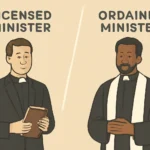
Licensing: A preliminary authorization to serve in ministry under supervision, often for a defined period and with clear expectations for ongoing training
Ordination: A more formal rite or declaration affirming full or extended ministerial authority within a denomination
Commissioning: A mission-focused credential for particular assignments (e.g., church planting, international mission work)
Credentials review: A formal evaluation of education, experience, and character before granting full standing
In many Protestant and evangelical contexts, the ordination process typically includes:
Academic review to ensure doctrinal alignment and theological competence
Pastoral examination or defense of one’s approach to preaching, pastoral care, and church governance
Supervised practice hours documented and verified by a supervising pastor or denominational body
Public ordination service where the candidate is formally recognized by the church community
Commitments and vows tied to lifelong accountability to the church and to ethical standards
In other traditions—such as the Catholic, Anglican, or Orthodox families—the path to priestly ministry or ordained ministry has its own sacramental and canonical framework. This can involve candidacy programs, ordination after a period of formation in seminary, and ongoing formation that accompanies a lifelong pastoral vocation. Regardless of the tradition, the aim is to cultivate a sustainable, credible leadership that can steward a congregation’s spiritual life, preaching, sacraments, and pastoral care.
Experiential preparation: internships, mentorships, and first assignments
The practical side of becoming a minister centers on hands-on experiences that test and refine one’s gifts. The value of internships and mentored ministry cannot be overstated. They offer real-world contexts where aspiring pastors learn how to plan a worship service, lead a team, administer church programs, respond to crises, and care for families during life transitions.
Pastoral internship or residency with a local church, often aligned with a seminary or Bible college program
Mentored preaching opportunities to develop a confident and authentic preaching voice
div>Pastoral care and counseling practice under supervision to learn active listening, crisis response, and boundary setting
Church administration exposure to budgets, staff supervision, policy development, and volunteer management
Community outreach and mission involvement to understand contextual ministry and cultural sensitivity
These experiences also help a candidate discern fit with a particular tradition or congregation. Some churches expect a candidate to complete a specified number of supervised ministry hours, while others emphasize the quality of supervision and the ability to integrate theory and practice. Regardless of format, these experiences build a portfolio of demonstrated leadership, pastoral competence, and a track record of faithful service.
Because ministry frequently involves public speaking, conflict resolution, and sensitive pastoral conversations, many programs require you to document successful completion of background checks and ethics training. This safeguards the church and the broader community while reinforcing the importance of accountability in spiritual leadership.
Special tracks and diverse ministry contexts
The role of a pastor can take many forms beyond traditional pulpit leadership. Some congregations emphasize church growth, urban ministry, rural church development, campus ministry, or international mission work. Each of these contexts may call for additional training, certifications, or professional experiences that extend the standard pathway into ministry.
Church planting and revitalization
Church planting often requires a blend of entrepreneurial leadership, evangelism, and community development. Candidates may pursue training in church planting, missional strategy, and congregational development, combined with practical experience in launching worship services, developing volunteer systems, and establishing sustainable finances.
Pastoral counseling and care
Some pastors specialize in pastoral counseling or clinical ministry. This track frequently involves additional education in counseling theories, mental health awareness, and ethics. Credentials in counseling or accredited supervision may be pursued in parallel or integrated with pastoral training.
Chaplaincy—whether in hospitals, the military, hospices, or police and fire departments—requires a particular set of skills in crisis intervention, ethics, and interprofessional collaboration. Many chaplaincy programs expect specialized training beyond ordinary seminary study, including certifications relevant to the setting and ongoing professional development.
For many ministry leaders, especially in smaller or resource-constrained communities, bi-vocational models are practical. This approach pairs a secular occupation with pastoral responsibilities. It often demands flexible scheduling, disciplined time management, and targeted training in areas such as communication, fundraising, and community organizing to sustain ministry alongside other work.
Denominational variations and understanding different paths
The journey to pastoral leadership is shaped by the specific doctrines, governance structures, and cultural expectations of a faith community. While there are common threads—calling, character, education, and credentialing—the precise steps and requirements differ meaningfully across traditions.
In many Protestant and evangelical denominations, ordination is a major milestone that signals full recognition as a pastor or elder within the church’s governance framework. Some traditions emphasize elders and deacons within congregational leadership, while others rely on bishops and hierarchical structures to authorize ministry. In non-denominational settings, credentialing may be more fluid and focused on demonstrated competence and alignment with the church’s mission.
Catholic and Orthodox contexts emphasize sacramental and priestly formation. The path typically includes long-term formation in a seminary, entry into the priesthood or diaconate, and ongoing formation that integrates academics, pastoral duties, and spiritual disciplines. Anglican and Episcopal communities often blend canonical processes with theological education, ordination vows, and a living tradition of accountability to a bishop and regional structures.
Regardless of tradition, aspiring pastors should consult with local clergy, diocesan or denominational offices, and the church’s bylaws to understand the exact expectations for ordination, licensing, and ongoing professional development. This alignment helps ensure that the chosen path fits both the individual’s gifts and the community’s needs, while honoring the theological convictions that give meaning to pastoral work.
Continued development and lifelong learning in ministry
The journey from potential leader to a mature, effective pastor is not a one-time event. It is a continuing process of growth, accountability, and service. Churches expect ongoing learning in areas such as theology, ethics, preaching, counseling, and leadership. This ongoing development often takes the form of continuing education credits, participation in conferences, peer supervision groups, publishing and research, or pursuing advanced degrees.
Continuing education and formal coursework to deepen doctrinal understanding and practical competence
Supervision and accountability groups to reflect on ministry challenges in a supportive environment
Spiritual disciplines and personal wholeness practices that maintain health and vitality in ministry life
Digital ministry literacy to engage a connected, multi-channel audience
Ethics and safeguarding training focused on protecting vulnerable people and maintaining church integrity
Mentor relationships with seasoned pastors who model faithful leadership and wise discernment
A durable pastoral vocation is characterized by adaptability and an enduring sense of purpose. As communities evolve, pastors often expand their competencies to address new challenges—cultural shifts, technological changes, and the evolving needs of families and individuals. The combination of education, experience, and character remains the central formula for long-term ministry effectiveness.










Leave a Reply