Jude 1:1-9 explained: Faith, warning, and humility
Jude 1:1-9 explained: Faith, warning, and humility
Jude 1:1-9 warns believers to defend the Christian faith without becoming arrogant, careless, or fascinated by evil. The passage moves from a warm greeting to a serious appeal, then uses examples from Israel’s history, the angels, and Sodom and Gomorrah to show that rebellion against God has consequences.
These nine verses are short, but they address several questions that still matter: What does it mean to contend for the faith? How should Christians respond to false teaching? Why does Jude mention Michael the archangel and the devil? And how can you recognize the difference between courageous conviction and prideful argument?
Jude identifies himself as a servant of Jesus Christ and a brother of James. He writes to people who are called, loved by God, and kept for Jesus Christ. Before raising a difficult warning, he reminds readers that their identity begins with God’s care rather than their ability to win arguments.
Jude originally intended to write about the salvation Christians share. Instead, he says that he felt compelled to urge them to contend for the faith because ungodly people had entered the community unnoticed. These people distorted God’s grace into an excuse for immoral behavior and denied the authority of Jesus Christ.
Jude then recalls three examples of judgment:
Israel in the wilderness: God rescued the nation from Egypt, but later judged those who refused to believe.
The angels who abandoned their proper position: Jude presents them as rebellious beings held for judgment.
Sodom and Gomorrah and surrounding cities: Their sexual immorality and pursuit of unnatural desires became an example of judgment.
Verse 8 applies these examples to the false teachers. Jude says they rely on dreams, defile their bodies, reject authority, and speak abusively about glorious beings. The next verse contrasts their arrogance with Michael the archangel, who did not pronounce a blasphemous judgment against the devil but left judgment to the Lord.
Central idea: Jude’s call to defend the faith is inseparable from humility. Christians should oppose serious error, but they should not imitate the arrogance, moral disorder, or reckless speech they are resisting.
Who wrote Jude and who received the letter?
The writer names himself Jude, a servant of Jesus Christ and brother of James. The name is also rendered Judas in some English Bibles. It is a common first-century Jewish name, so the identification requires care.
Many Christians understand this Jude to be the brother of James and therefore a member of Jesus’ family. The Gospels mention brothers of Jesus, including James and Jude or Judas. Jude does not emphasize a family connection to Jesus, however. He calls himself a servant, which places his authority in submission to Christ, not in personal status.
The recipients are described broadly rather than by a city or congregation. They are people who have been called by God, loved by the Father, and preserved for Jesus Christ. This language suggests a Christian audience familiar with the apostolic message and vulnerable to teachers who presented immoral conduct as spiritually acceptable.
Jude’s opening greeting asks for mercy, peace, and love to increase among his readers. That request provides an important frame for the rest of the letter. The warning that follows is not detached religious criticism. It is an act of pastoral concern for a community Jude wants to see protected and strengthened.
Why Jude changed the subject to a warning
Jude says he wanted to write about the salvation believers share. The wording indicates that he considered a different subject, perhaps a broader encouragement about their common faith. The situation required a more urgent message, so he wrote to urge them to stand firm against destructive teaching.
This shift shows that Christian unity does not mean indifference to doctrine or conduct. Shared salvation creates a reason to guard the truth, especially when someone’s teaching threatens the gospel or turns grace into permission for sin.
The phrase “the faith” refers to more than a private feeling of trust. In Jude’s context, it points to the central Christian message handed down to believers: who Jesus is, what God has done through him, and how Christians are called to live. Jude treats this faith as something received and shared, not as a collection of opinions that can be reshaped to suit every desire.
To contend for the faith does not require constant conflict. It means holding firmly to the gospel, recognizing serious distortions, and speaking truthfully when the church is pressured to accept teaching that contradicts Christ. The command also assumes that believers need discernment. Not every disagreement is a threat to the faith, and not every strong opinion deserves a public battle.
What “contend for the faith” means in practice
The verb Jude uses carries the sense of making a serious effort or struggling for something valuable. It does not describe a casual preference. Christians are called to take responsibility for the truth they have received, especially when influential people use religious language to justify conduct that Scripture rejects.
Faithful contending has several features:
It begins with the actual gospel: Know what Christian teaching affirms before labeling every disagreement as false doctrine.
It protects people as well as propositions: Error can damage a congregation by confusing consciences, excusing exploitation, or weakening trust in Christ.
It uses truthful speech: Defending the faith does not permit exaggeration, slander, or invented accusations.
It remains morally consistent: A defense of holiness loses credibility when the defender is controlled by pride, cruelty, or secret sin.
It leaves ultimate judgment to God: Christians can identify harmful teaching without pretending to know every person’s final standing before God.
Jude’s concern is not that believers might ask sincere questions. The danger comes from people who enter the community, use grace as a cover for sensuality, and deny the rule of Jesus Christ. Their teaching separates belief from obedience, as if claiming spiritual status removes the need for moral transformation.
How Jude describes the false teachers
Jude does not give a full biography of the people he opposes. Instead, he describes their character and influence. They have slipped into the community quietly, suggesting that their danger may not be obvious at first. They may use familiar words, attend the same gatherings, or claim Christian authority while undermining the message they appear to represent.
Their central error is a distortion of God’s grace. Grace forgives sinners and brings them into a new relationship with God, but it does not make sin harmless. The false teachers treat grace as a license for sensuality, reducing freedom in Christ to freedom from moral accountability.
Jude also says they deny Jesus Christ as their only Master and Lord. This denial may involve explicit rejection, but it can also appear through practice. A person’s conduct can deny Christ’s authority even when the person continues to use Christian vocabulary.
The passage therefore joins belief and behavior. Jude is not teaching salvation by human performance. He is showing that claims about Jesus have consequences for the body, relationships, worship, and treatment of others. A message that consistently excuses exploitation or sexual immorality is not a harmless variation of Christian teaching.
The language of “ungodly” appears repeatedly in Jude’s warning. It describes more than occasional failure. Jude is confronting a settled posture that treats God with contempt and treats other people as objects for personal desire or advantage.
Why Jude recalls Israel, the angels, and Sodom
Jude’s three examples make one major point: past privilege does not guarantee present faithfulness. Israel experienced God’s rescue from Egypt, yet many later refused to believe and were judged. Their deliverance did not give them permission to abandon trust and obedience.
This example would have been especially powerful for Jude’s readers. They could not assume that participation in a religious community, knowledge of sacred history, or an earlier experience of God’s mercy made rebellion safe. The warning is not meant to deny God’s faithfulness. It emphasizes the seriousness of responding to that faithfulness with persistent unbelief.
The second example concerns angels who did not keep their assigned position but abandoned it. Jude presents them as rebellious spiritual beings awaiting judgment. The brief reference assumes that his readers knew Jewish traditions about angelic rebellion, but the theological point is clear even without reconstructing every detail: spiritual status does not excuse defiance.
The third example is Sodom and Gomorrah and the neighboring cities. Jude describes them as pursuing sexual immorality and improper desire, and he says they serve as an example of punishment. The biblical account of Sodom includes grave violence, arrogance, and abuse of the vulnerable, as well as sexual sin. Jude highlights the sexual dimension because it directly parallels the conduct he is condemning.
These examples differ from one another, but they share a pattern. People or spiritual beings receive a position, privilege, or calling and then reject the boundaries God has established. Jude’s warning is directed at rebellion disguised as freedom.
What Jude means by judgment and perseverance
Jude’s references to judgment can sound severe, especially in a short letter focused on false teachers. Yet judgment is not an accidental theme. If God is holy and human actions matter, then persistent rebellion cannot be treated as morally insignificant.
Jude does not present judgment as a reason for Christians to become vindictive. The examples remind believers that God sees hidden corruption and that influential people are not beyond accountability. The church does not need to protect every respected figure from scrutiny, and it should not confuse patience with the refusal to confront harm.
At the same time, the letter’s opening describes believers as being kept for Jesus Christ. That promise gives the warning its proper balance. Christians are called to persevere, but their security does not depend on flawless strength or perfect discernment. They remain responsible to stay alert while trusting God’s preserving care.
The combination of warning and assurance matters. A warning without grace can produce panic or self-righteousness. Assurance without warning can produce carelessness. Jude holds both together: God preserves his people, and his people must reject teaching that turns grace into rebellion.
Why Michael’s dispute with the devil matters
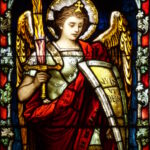
Jude says the false teachers defile the body, reject authority, and speak abusively about glorious beings. He then offers the example of Michael the archangel, who disputed with the devil over Moses’ body. Rather than pronounce a slanderous judgment, Michael said that the Lord should rebuke the devil.
The dispute is not described in the Old Testament. Jude appears to draw on a Jewish tradition known to his original audience, often associated with a work called the Assumption of Moses. The exact source and details are uncertain, but Jude’s use of the tradition makes the point clear: even Michael, a powerful heavenly messenger, did not claim God’s unique authority to issue a blasphemous condemnation against the devil.
Michael’s words do not mean that Christians must never identify evil or rebuke wrongdoing. Scripture contains many direct warnings against sin. The issue is presumptuous speech: claiming authority that belongs to God, treating spiritual beings casually, or using insults as a substitute for truth.
The contrast is striking. The false teachers speak arrogantly about matters they do not understand, while Michael responds with restraint even in a conflict involving the devil. Jude is exposing the false teachers’ spiritual bravado. They appear bold, but their boldness is actually ignorance and rebellion.
Practical distinction: Biblical courage names sin accurately and protects people from harm. Spiritual arrogance boasts about power, speculates beyond Scripture, and treats condemnation as proof of authority.
Common mistakes when interpreting Jude 1:1-9
Jude’s compact language can lead readers toward several unhelpful interpretations. The following mistakes miss the balance of the passage:
Reducing the passage to arguments: Jude is not merely teaching Christians how to win theological disputes. He connects doctrine with sexual integrity, humility, obedience, and judgment.
Assuming every disagreement is apostasy: Jude addresses people who corrupt grace and deny Christ’s authority. A sincere question, a secondary doctrinal difference, or an imperfect explanation is not automatically the same thing.
Using the warning to attack individuals: The passage calls for discernment, not gossip, harassment, or public humiliation. Claims should be tested carefully and handled responsibly.
Ignoring the opening greeting: The readers are called, loved, and kept. Starting with fear while overlooking God’s care gives the warning a distorted emotional center.
Treating grace as permission to sin: Jude directly rejects the idea that forgiveness removes moral responsibility.
Treating Michael as a model for silence about evil: Michael’s restraint concerns presumptuous judgment, not indifference to rebellion or abuse.
Speculating about angels more than Jude does: The passage gives limited information. Its emphasis is human arrogance and God’s judgment, not detailed angelology.
Separating doctrine from the body: Jude shows that what people believe about Christ affects how they use their bodies and treat others.
How to study Jude 1:1-9 responsibly
A careful reading begins with the immediate context. Read Jude 1:1-25 as a whole, because the descriptions in verses 4 through 9 lead into further warnings, images, and instructions. Then compare the passage with related biblical themes without assuming that every parallel passage has exactly the same emphasis.
These steps can help:
Identify the main problem: Ask what the intruders are doing and teaching, rather than starting with the most mysterious reference.
Track repeated ideas: Notice the language of ungodliness, judgment, authority, rebellion, and keeping.
Separate clear claims from background questions: Jude clearly condemns corrupt grace and arrogant speech. The identity of the tradition behind Michael’s dispute is less certain.
Read the examples together: Israel, the rebellious angels, and Sodom all illustrate the danger of rejecting God’s boundaries.
Apply the warning to yourself: Consider where you might confuse Christian freedom with self-indulgence or confidence with spiritual superiority.
Test teachers by both message and conduct: Look for faithfulness to Christ, moral integrity, humility, and responsible treatment of people.
It also helps to distinguish discernment from suspicion. Discernment examines teaching and behavior with patience and evidence. Suspicion assumes the worst, spreads unverified claims, and can become another form of pride. Jude’s own approach is direct, but it is also focused: he identifies a particular corruption of grace and explains why it threatens the church.
How Jude 1:1-9 applies to Christian communities
The passage has implications for pastors, teachers, small groups, and individual believers. Communities should make the central Christian message clear enough that distortions can be recognized. They should also create conditions in which questions can be raised honestly, because secrecy and fear make manipulation easier.
Leaders can apply Jude’s warning by examining whether their teaching points people toward the lordship of Jesus or toward dependence on the teacher. They should be cautious when someone demands loyalty, excuses misconduct, claims unusual spiritual power, or uses grace to dismiss accountability.
Ordinary Christians also have responsibilities. You do not need advanced theological training to notice when a message repeatedly excuses cruelty, sexual exploitation, financial manipulation, or contempt for Christ’s commands. You can ask for clarification, consult trustworthy Christian teaching, involve appropriate leaders, and protect vulnerable people.
When the issue involves abuse, coercion, or criminal conduct, spiritual language should never replace practical protection. Reporting concerns through appropriate legal and organizational channels may be necessary. Jude’s emphasis on judgment should encourage honesty about harm, not pressure victims to remain silent for the sake of appearances.
The passage also challenges the way Christians argue online and in person. Strong convictions can coexist with careful words. You can reject a teaching without mocking every person connected with it. You can correct a claim without pretending to know another person’s heart. And you can defend holiness without using holiness as a platform for personal superiority.
What Jude 1:1-9 teaches about grace and holiness
Jude’s most direct ethical concern is the misuse of grace. Christian grace is not God’s approval of whatever people want to do. It is God’s merciful action toward sinners, producing a new allegiance to Jesus and a new way of life.
Holiness in this passage is not presented as a way to earn God’s love. The readers are already described as loved and kept. Instead, holiness is the fitting response to belonging to Christ. A person who uses grace to defend persistent rebellion has misunderstood the gift.
This does not mean Christians never fail. Jude is confronting teachers whose pattern of conduct and instruction makes sin respectable. There is a significant difference between repentant weakness and deliberate corruption defended as spiritual freedom.
The letter therefore calls for a mature understanding of freedom. Christian freedom releases people from condemnation and slavery to sin; it does not release them from love, self-control, truth, or accountability. The more clearly grace is understood, the less believable the claim becomes that grace requires moral indifference.
How humility strengthens the defense of faith
Jude’s use of Michael places humility at the heart of spiritual discernment. Michael is not weak or uncertain. He recognizes the devil as an enemy, yet he does not claim authority that belongs to the Lord. His example shows that confidence in God does not require inflated speech about yourself.
Humility helps Christians defend the faith in several ways. It makes them willing to check their interpretation, listen to evidence, admit uncertainty, and correct mistakes. It also makes them less vulnerable to teachers who demand unquestioning loyalty or present aggression as proof of spiritual strength.
Jude does not ask believers to be passive. He asks them to be faithful without becoming like the people they oppose. The church must reject corrupt teaching, protect those at risk, and uphold the authority of Jesus while remembering that God alone is the final judge.
Read this way, Jude 1:1-9 is both a warning and a call to disciplined courage. Guard the gospel, take holiness seriously, test spiritual claims, and speak with restraint. The faith is worth defending, but it must be defended in a manner consistent with the Lord whose authority it proclaims.
Frequently asked questions
What is the main message of Jude 1:1-9?
Jude urges Christians to remain faithful to the gospel because corrupt teachers have entered the community and are using grace to excuse immoral behavior. He reminds readers that God judges persistent rebellion, even when it appears among people with religious knowledge or privilege. The passage also insists that believers should respond with humility rather than arrogant or abusive speech.
What does “contend for the faith” mean in Jude?
It means to make a serious, faithful effort to preserve the Christian message and resist teaching that contradicts Jesus’ authority or turns grace into permission for sin. Contending does not mean seeking arguments with everyone. It includes learning the gospel, identifying genuine distortions, speaking truthfully, protecting vulnerable people, and maintaining conduct consistent with the holiness being defended.
Who is Michael in Jude 1:9?
Michael is identified as an archangel involved in a dispute with the devil over Moses’ body. Jude refers to a tradition familiar to his original readers, although the Old Testament does not record the incident. The point is not to provide a detailed account of angels. Jude uses Michael’s restraint to contrast humble reliance on God’s judgment with the false teachers’ reckless spiritual arrogance.
Does Jude 1:1-9 teach that Christians can lose salvation?
This passage strongly emphasizes God’s judgment on rebellion and warns Christians not to treat religious association as protection from accountability. It also describes believers as called, loved, and kept for Jesus Christ. Christians interpret the relationship between warning and assurance in different theological traditions, but Jude clearly calls readers to persevering faith rather than careless presumption or fear-driven speculation.











Leave a Reply