Life After Death: Exploring What Happens After We Die
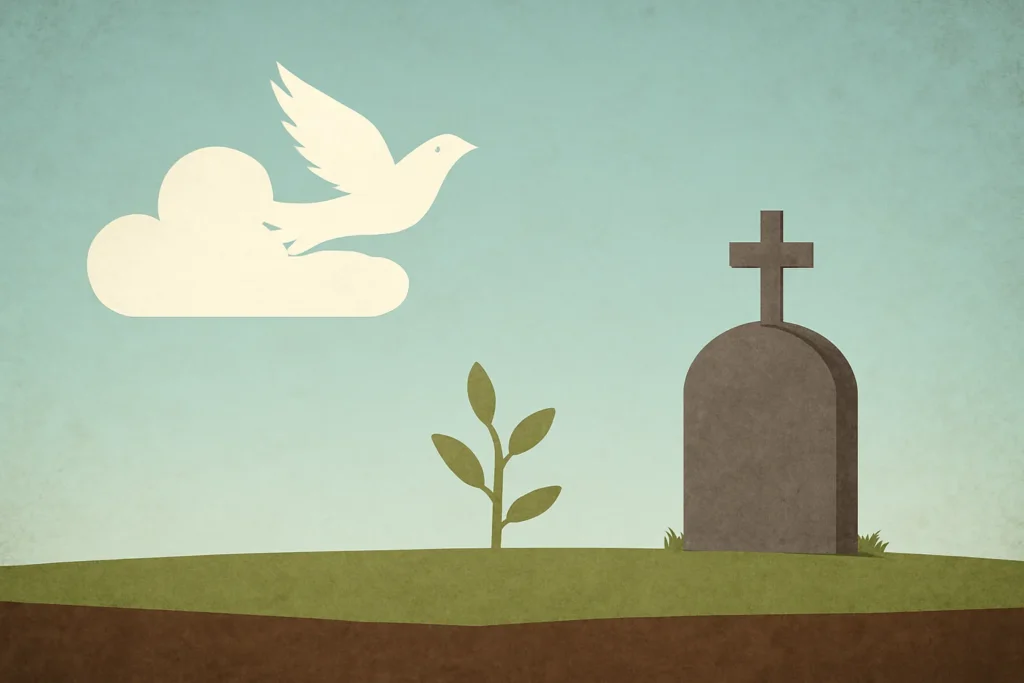
The question of what happens after we die has haunted humanity for millennia. Across cultures and eras, people have asked how consciousness can persist, whether there is an afterlife, and how beliefs about life beyond the grave shape the way we live today. This article surveys a broad landscape: religious and spiritual perspectives, philosophical interpretations, scientific inquiries, near-death experiences, and the practical ways communities cope with the mystery. The aim is not to settle the debate but to illuminate the range of possibilities and the reasons why this topic remains so enduringly meaningful.
To frame the discussion, consider these core questions that recur in many traditions and disciplines:
Is consciousness a product of brain activity, or can it survive physical demise?
What forms could an afterlife take—personal continuity, reincarnation, collective memory, or something entirely different?
How do different cultures interpret the moments immediately after death and the journey that follows?
What role do beliefs about life beyond the grave play in ethics, community life, and ritual practice?
Can science offer explanations for experiences reported by people who come close to dying, or do those reports point to something beyond current models?
What life after death means across traditions
Across the landscape of belief, “life after death” is a flexible term that encompasses a spectrum of possibilities—from a literal continuation of individual existence to a symbolic or relational persistence in memory, lineage, or spirit. Below are condensed sketches of several major clusters of thought, recognizing that within each tradition there are diverse schools and interpretations.
Religious and spiritual perspectives
Many faiths provide narratives that describe the next life in terms of moral judgment, spiritual growth, and cosmic order. These stories often address the questions of justice, purpose, and transformation.
Christian traditions
In many strands of Christian belief, life after death centers on a personal relationship with the divine and the promise of eternal life. Common themes include:
The possibility of heaven as a state of eternal communion with God for the righteous.
The reality of hell or separation from the divine for those who reject divine grace.
Judgment after death, where actions and faith influence one’s destiny.
The resurrection of the body in some doctrines, or a more spiritual continuity in others.
Islamic perspectives
In Islam, the hereafter, often framed as the afterlife or akhira, unfolds after death with precise moral evaluation. Key concepts include:
Knowledge of Barzakh, the intermediate state between death and the final judgment.
The Day of Judgment, when deeds are weighed and people are assigned to Paradise (Jannah) or Hell (Jahannam).
The emphasis on submission to God’s will and the transformative power of repentance.
Hindu and Jain perspectives
In Hinduism and Jainism, the concept of rebirth or reincarnation prevails. The soul (atman) traverses many lives, guided by karma—the law of cause and effect. Central notions include:
The cycle of birth and death known as samsara, with liberation (moksha) as the ultimate goal.
Paths toward liberation—whether through knowledge (jnana), action (karma), devotion (bhakti), or disciplined practice (yoga).
The idea that life does not end with the body, but continues in different forms depending on one’s actions and spiritual development.
Buddhist viewpoints
Buddhism offers a nuanced view of ongoing existence without a permanent self. Its core idea is that consciousness undergoes transformation rather than a fixed continuity. Notable themes include:
The cycle of samsara, fueled by craving and ignorance, and the possibility of escaping it through awakening (nirvana).
Two main interpretive streams: theravada’s emphasis on enlightenment and the arahant, and mahayana’s broader path toward buddhahood for all beings.
Ethical living, meditation, and the realization that clinging to a self is an illusion that contributes to suffering.
Judaism and the afterlife
Jewish thought features a spectrum of beliefs about life after death, ranging from corporeal afterlife concepts to more timeless spiritual continuity. Common themes include:
Resurrection in some denominations and ages, often tied to divine justice and renewal of the world.
Rrechout of Olam HaBa (the World to Come) as the future era of peace and fulfillment.
Emphasis on ethical living, communal responsibility, and the enduring memory of the righteous in the living world.
Sikh and other traditions
In Sikhism, cycles of birth and rebirth are addressed through devotion to God, righteous living, and the remembrance of the Divine Name (Naam). The ultimate aim is merging with the divine will and breaking free from the cycle of reincarnation. Other Indigenous and folk traditions often speak of an ongoing relationship with ancestors, spirits, and land, where the dead maintain a living presence in the community.
Philosophical and metaphysical theories about the afterlife
Beyond religious narratives, thinkers have proposed frameworks to understand life after death that do not depend on a specific creed. These ideas probe the nature of consciousness, identity, and reality itself.
Dualism and personal continuity
Historically, many philosophers have argued that mind or consciousness is distinct from the physical body. In such a view, a person could persist after death in some form, perhaps as a disembodied mind, an echo of memory, or continuation in a non-physical realm. Key themes include:
The possibility of a primitive or sophisticated form of survival of consciousness after bodily death.
Questions about the persistence of personal identity—whether a continued sense of “I” can endure without a body.
The challenge of explaining how a non-material mind interacts with the material world, sometimes invoked to explain near-death or out-of-body experiences.
Materialism and physicalism
In contrast, many modern philosophers and scientists argue that consciousness is an emergent property of complex brain activity. From this viewpoint, death involves the cessation of consciousness, and personal persistence beyond life is unlikely unless one accepts some form of non-empirical or non-physical hypothesis. Core ideas include:
Identity as rooted in the physical substrate of the brain and body rather than a standalone soul.
Scrutiny of claims about postmortem survival, with emphasis on brain function and neural correlates of experience.
Alternative explanations for unusual experiences, such as pharmacology, hypoxia, or subjective interpretation under extreme stress.
Nonduality and universalism
Some philosophers explore nondual or universalist perspectives, suggesting that what we call the self may be interwoven with a larger unity of existence. In such views, the boundary between life and death might be a matter of perspective rather than a hard ontological division, with possible implications for how people conceive memory, legacy, and the moral weight of living a good life.
Near-death experiences and other extraordinary accounts
Near-death experiences (NDEs) are reports from individuals who have come close to death or were clinically dead for a short period and then revived. These narratives often feature striking elements that people interpret as glimpses of an existence beyond ordinary life. It is important to approach NDEs with both curiosity and critical thinking, recognizing their potential psychological and physiological dimensions as well as their capacity to provoke meaningful insights about meaning, values, and mortality.
The sense of leaving the body or watching events from an external vantage point (out-of-body experience).
A tunnel or passageway, sometimes accompanied by a glow or light at the end.
A life review in which one re-experiences moments from one’s life, often with emotional intensity.
Encounter with luminous beings, deceased relatives, or a judgment-like atmosphere.
Feelings of peace, love, or acceptance, sometimes followed by a choice to return to the body.
There are multiple ways to interpret NDEs, each offering a different sense of what they reveal about life after death:
Spiritual interpretation—NDEs are glimpses into another dimension or the ongoing reality of the soul.
Psychological interpretation—NDEs result from brain activity under extreme stress, hypoxia, or chemical changes, which can produce vivid sensory experiences and memory-like phenomena.
Neurophysiological interpretation—The brain’s failure and subsequent revival create patterns that resemble spiritual visions, using existing cognitive schemas to simulate a transition beyond ordinary perception.
Existential significance—Regardless of mechanism, NDEs can deepen people’s appreciation of life, increase compassion, and reshape moral priorities.
Scientific perspectives: what modern science can and cannot say
Science approaches the question of life after death by testing hypotheses about consciousness, brain function, and the boundaries of mind. While science has not proven the survival of a personal, conscious self after death, it has shed light on the workings of near-death states and the nature of memory, perception, and experience under extreme conditions.
During terminal illnesses or traumatic events, brain blood flow and oxygen levels can drop dramatically, leading to altered states of perception. Key considerations include:
The relationship between neural activity and conscious experience, including how memory and self-representation are constructed.
The role of neurotransmitters and neural networks in producing dreamlike visuals, out-of-body sensations, and a sense of transcendence.
How medications, sedation, and anesthesia influence experiences at the end of life.
Memory, identity, and continuity after death
One of the central philosophical challenges is whether identity—our sense of self—can persist after the brain has ceased functioning. Science typically treats identity as emergent from complex patterns of brain activity. If those patterns cease, the question becomes whether any form of continuity could exist independently of the brain. This has led scientists to distinguish between:
The continuity of memory and personhood in living systems, versus
The possibility of postmortem consciousness, which current empirical methods cannot prove or disprove definitively.
Critics emphasize that extraordinary experiences require extraordinary evidence. Proponents propose that there are phenomena beyond current scientific reach, and that anomalous data should invite open inquiry rather than rigid dismissal. In practice, researchers often categorize evidence as:
Testable, repeatable observations that fit within existing theories, and
Case reports or qualitative data that require cautious interpretation and replication.
Ethical and existential implications of beliefs about the afterlife
The belief in what happens after death can influence moral action, social norms, and even public policy. Across cultures, people often anchor their behavior in hopes of a favorable outcome after death, whether that’s a secure legacy, a rite of passage, or compassionate conduct toward others facing mortality.
Ethical behavior—Some frameworks linked to the afterlife stress accountability and compassion, encouraging care for the vulnerable and a commitment to justice.
Ritual life and community—Rituals surrounding death and memory help communities process grief, reaffirm shared values, and maintain continuity across generations.
Life planning—Beliefs about what comes next can influence how people plan for end-of-life care, wills, and guardianship decisions.
Across cultures, rites of passage, funerals, and memorials help societies honor the dead while reaffirming life’s meaning. Important aspects include:
Body and spirit rituals that align the living and the departed, reinforcing social bonds.
Stories and myths that interpret death in a way that sustains hope and resilience.
Intergenerational transmission of wisdom, where elders’ memories become a bridge to future generations.
Cultural representations and media portrayals of the other side
Art, literature, film, and music continually reinterpret the question of what lies beyond. These representations shape public imagination and can broaden or constrain how people conceptualize the afterlife. Common motifs include:
Imagined realms—cities of light, tranquil meadows, or vast, unknowable spaces that symbolize liberation or judgment.
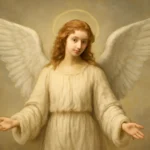
Encounter with guides, angels, ancestors, or divine beings who offer guidance or judgment.
Symbolic journeys—metaphysical adventures that reveal the moral structure of existence or the value of compassion, honesty, and humility.
Practical considerations: coping with mortality and planning for the end of life
Even if the ultimate fate after death remains uncertain, people can take practical steps to navigate mortality with intention and dignity. This section highlights resources and practices that help individuals live with meaning and prepare for death in ways that reflect their beliefs.
Advance directives and living wills to cover medical preferences when one cannot voice them.
Wills, trusts, and guardianship arrangements to ensure ethical and compassionate handling of one's affairs.
Designation of executors and clear instructions for personal and digital legacies.
Community support networks, rituals, and therapeutic practices can help mourners process loss. Important elements include:
Shared storytelling and remembrance activities that honor the deceased and affirm belonging.
Evidence-based grief therapies, including counseling, support groups, and mindfulness practices.
Meaning-making activities that translate loss into continued care for others or engagement with life’s responsibilities.
For many, personal faith or spiritual practice provides a framework to live with intention and to face death without terror. Ways people cultivate this inner resilience include:
Daily or seasonal rituals that connect present life with larger narratives about purpose and destiny.
Ethical disciplines—such as generosity, forgiveness, and service—that align daily life with broader values.
Contemplative practices—meditation, prayer, or quiet reflection—to explore the nature of consciousness and the meaning of existence.
Memory, legacy, and the persistence of influence
Even if a definitive personal continuation after death remains unproven, the impact of a person’s life can endure in meaningful ways. Memory, knowledge, and relationships remain tangible forms of afterlife in memory within the communities they touch.
Many readers seek concise answers to practical questions. Here are some widely asked questions, with balanced, thoughtful responses that reflect the diverse landscape of belief and inquiry.
There is no universally accepted empirical proof that a conscious self persists after death. First-person experiences and subjective reports are compelling to many, but they do not constitute definitive evidence under rigorous scientific standards. This uncertainty invites humility and openness to multiple explanations, from religious faith to psychological interpretation and scientific inquiry.
Reincarnation is a central feature of several traditions and a topic of interest for philosophers and scientists alike. If it exists, it would imply a form of continuity that transcends single lifetimes, yet the mechanism, evidentiary support, and exact nature of the process remain debated. Some people report past-life memories or patterns that they interpret as evidence, while others view these as cognitive phenomena or cultural narratives.
Many find motivation to live morally and meaningfully precisely because life is finite and because the consequences of our choices extend beyond the present moment. A practical approach is to cultivate a life oriented toward compassion, responsibility, curiosity, and service, while maintaining a respectful regard for diverse beliefs about the afterlife.
In a global conversation, it is helpful to recognize that life after death is not a single doctrine but a family of ideas that reveals as much about human hopes as about metaphysical claims. An integrated view might include:
Acknowledgement of the breadth of beliefs, from dogmatic to contemplative to secular interpretations of existence after death.
A willingness to explore personal beliefs while respecting the autonomy of others to hold different convictions.
A focus on ethical living in the here and now, informed by the sense that our actions shape both our communities and the legacy we leave behind.
An openness to scientific inquiry about consciousness, memory, and the limits of what we can observe about dying processes.
Although definitive answers about what happens after we die remain elusive, the question itself continues to enrich human life. It invites us to examine the nature of consciousness, the significance of memory, and the responsibilities we bear to others. By exploring a broad spectrum of ideas—from sacred traditions that offer solace and guidance to scientific perspectives that challenge certainty—we engage in a shared human project: to live with intention, care, and wonder in the face of one of existence’s deepest mysteries.
In the end, the question of life after death may not have a single, universal answer. Instead, it provides a canvas on which people paint their hopes, fears, and aspirations. Whether one believes in an eternal reward, a state of spiritual continuation, the end of personal consciousness, or a nuanced synthesis, the inquiry invites a richer, more thoughtful approach to life, death, and the meaning we craft between those two boundaries.
As you reflect on these ideas, you might consider which elements of various perspectives resonate most with your own experiences, values, and sense of purpose. The tapestry of beliefs about the afterlife is as diverse as humanity itself, and engaging with that diversity can deepen empathy, broaden understanding, and sharpen the questions we bring to our own lives.






Leave a Reply