Can Your Loved One See You from Heaven? A Compassionate Exploration of Signs, Beliefs, and Comfort
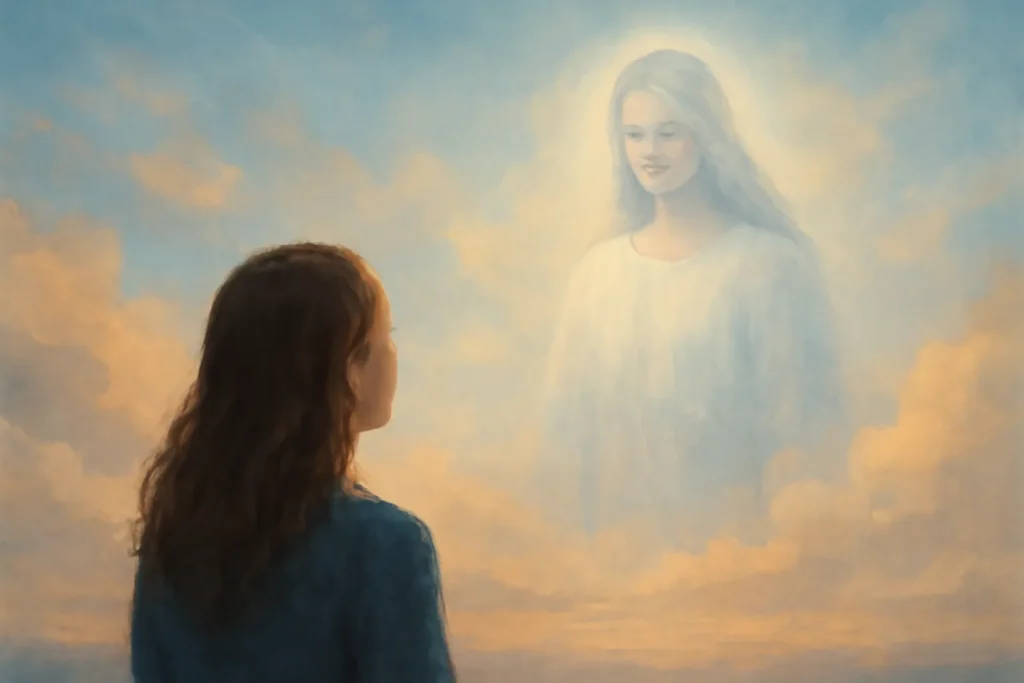
The question "Can your loved one see you from heaven?" speaks to a blend of longing, faith, and the hard realities of loss. For many, the idea that someone who has passed can still observe our lives offers a sense of continuity, connection, and comfort. This article carefully examines the question from multiple angles—psychology, various beliefs, and practical ways people find solace when grief feels overwhelming. It is meant to inform and support, not to prescript or invalidate anyone’s personal faith or experience.
Whether you phrase the inquiry as “Can a departed loved one witness my day-to-day life?”, “Do those gone before us still see us from above?”, or “Are they watching over me from the afterlife?”, the core concern is the same: is there a thread that links us across the boundary of death? While there is no universal answer that applies to everyone, there are common themes in belief systems, reported experiences, and comforting practices that people rely on when navigating grief.
Understanding the Core Question: What Does It Mean to Be Seen Across the Veil?
Before diving into signs and beliefs, it is helpful to reflect on what people mean by being “seen.” In many traditions, being seen implies more than physical presence. It can mean emotional attention, spiritual awareness, or a lasting bond that persists beyond the end of life as we know it. Some people describe a sense of reassurance in moments when they feel watched over, guided, or gently reminded of the person they loved. Others interpret such experiences through a psychological lens, as memories, intuition, or pattern recognition that helps them cope with loss.
In discussing this topic, you may encounter several recurring phrases that carry semantic weight. For example, you might hear about a loved one who:
Is believed to be watching over you from heaven, sometimes described as a guardian-like presence
Offers a sense of guidance or reassurance during difficult moments
Shows up through signs in the natural world, dreams, or coincidences
Is interpreted through the lens of religious or spiritual tradition, cultural expectation, or personal experience
Signs People Report: Common Ways That a Loved One May Be Perceived as Present
Across diverse cultures and personal stories, several categories of signs recur. It is important to note that individual experiences vary widely, and many signs have multiple possible explanations, including the power of memory, the brain’s pattern-seeking nature, and the role of hope in healing.
Dreams and Memory-Triggered Encounters
Many people describe vivid dreams in which a deceased loved one appears or speaks. Sometimes these dreams feel so real, comforting, or instructive that they become a cherished memory long after waking. In some cases, individuals report that after waking, a sense of guidance persists in waking life—an internal “conversation” or impression that helps with a decision, a fear, or a healing moment.
Possible interpretations include:
Dreams as a natural processing of grief, offering a safe space to “talk” and say goodbye
Dreams as a form of memory consolidation, where familiar voices resurface in a new context
Dreams as symbolic messages from the psyche, not necessarily literal visitations
Everyday Signs: Birds, Wind, Light, and Smells
Outside of dreams, many people notice objects or phenomena that remind them of their loved one. Examples include:
Birds appearing in a way that coincides with a memory or a significant date
A breeze or a fluttering sensation at a meaningful moment
Changes in light, rain, or a familiar scent that evokes a shared memory
Unanticipated discoveries of a keepsake or message associated with the person
These experiences can feel intimate and personal. Some interpret them as subtle messages from beyond, while others see them as the brain’s creative response to grief. Either interpretation can be a source of comfort when it helps you feel less alone.
Music, Songs, and Numbers
Music has a powerful ability to evoke memories and emotions. People often report hearing a specific song or melody in moments of contemplation or in everyday life that feels like a gentle nudge from the past. Similarly, numbers—dates, times, or sequences—can appear with special meaning, acting as a mnemonic anchor that ties a memory to a moment in time.
Music as a chosen symbol linked to a person or shared experience
Numbers functioning as personal “signatures” that convey continuity
Coincidences that feel personally poignant but may be explained by cognitive bias or chance
Synchronicities and Meaningful Coincidences
Some individuals describe events that seem too meaningful to be random—an unexpected encounter, a message that aligns with a present concern, or a reminder that arrives at exactly the right time. Carl Jung popularized the term “synchronicity” to describe such meaningful coincidences that are not causally connected yet feel related in a way that matters to the person experiencing them.
In the context of the afterlife question, synchronicities are often framed as:
A gentle alignment of external events with inner needs or questions
A way to feel that a loved one is aware of your situation and cares
A prompt to pause, reflect, or choose a course of action
Beliefs About Visibility and Presence Across Traditions
The idea that a departed loved one can see us is interpreted in diverse ways depending on religious, spiritual, and secular perspectives. Here are some of the broad categories people rely on to understand this question differently.
Many religious traditions address the relationship between the living and the dead, including the possibility of continued awareness after death. Examples include:
Christian traditions often speak of the afterlife and the communion of saints. Some believers imagine that loved ones in heaven are attentive to earthly life, while others emphasize intercession, comfort, and eternal peace rather than day-to-day observation.
Islamic belief emphasizes accountability and the soul’s journey after death, with many Muslims finding comfort in prayers for the deceased and in the idea that the living support them through supplication and good deeds.
Hindu and Buddhist perspectives frequently describe a continuum of rebirth or a state beyond ordinary life, where memories and ethical ties persist but the exact mechanism of “seeing” is not the same as in earthly perception.
Other faiths and indigenous traditions may honor ancestors through rituals that keep memory alive, with the sense that meaningful connection endures in a different form rather than through direct, moment-to-moment observation.
In many traditions, the belief that a loved one sees you is less about proof and more about the purpose of memory, prayer, and ritual. It can offer a framework for forgiveness, reconciliation, and moral living that honors the one who has died.
Spiritualist and New Age Perspectives
Spiritualist movements, along with contemporary New Age thought, often emphasize ongoing communication between the living and the dead. Believers may describe channels such as:
Mediumship or personal experiences in which a medium conveys messages from the deceased
Personal experiences of receiving signs and guidance that are interpreted as messages from loved ones
Rituals and practices designed to foster a sense of closeness, such as journaling, meditation, or creating a memorial space
In these frameworks, the idea that someone in heaven can observe or guide the living remains central, but the emphasis is often on practical, comforting communication rather than empirical proof.
Secular, Psychological, and Cognitive Perspectives
From a secular standpoint, many experiences described as being “seen from heaven” can be understood through psychology, memory, and cognitive biases. Some explanations include:
The brain’s tendency to search for meaning and patterns in random events (apophenia)
Grief-related memory activation—the mind revisits a loved one in ways that feel vivid and meaningful
Placebo-like effects of rituals or hope—comfort arising from intentional remembrance rather than external proof
Even within secular frameworks, the experiences remain deeply real for the person who experiences them. The interpretation may differ, but the impact on coping and emotional healing can be profound.
Comfort and Coping: How People Use the Idea That a Loved One Sees or Watches Over Them
Beliefs about whether someone who has died can see us can shape daily life, rituals, and emotional resilience. Many find strength in approaches that emphasize connection, memory, and meaning rather than certainty about the afterlife.
Grief Processing and Hope
Grief is a complex process, and beliefs about ongoing presence can influence its trajectory. When people feel that their loved one is still aware of their life, they may experience:
Greater ease in sharing memories and feelings, even after a loss
A sense of continuity that reduces abruptness and existential fear
Motivation to live in a way that honors the deceased’s values or memory
On the other hand, it is important to recognize that such beliefs may also trigger distress if they feel incongruent with reality, or if they lead to unsafe decision-making. A balanced approach that respects personal experience while acknowledging limits can support healthier grieving.
Rituals and Memorial Practices
Memorial activities offer tangible ways to honor a loved one and sustain a sense of connection. Common practices include:
Creating a memory box with photographs, letters, and keepsakes
Lighting a candle at specific times (anniversaries or birthdays)
Visiting a gravesite or a place that held meaning for the relationship
Maintaining daily or weekly routines that honor the person’s memory, such as cooking their favorite meal
These rituals can provide structure during the chaos of grief and can be adapted to fit individual beliefs about visibility and presence.
Ways to Practice Ongoing Connection
People cultivate a sense of connection in practical, respectful ways that support healing. Some approaches include:
Writing letters to the deceased, even if you do not share them aloud
Speaking aloud to the person in moments of decision-making or vulnerability
Engaging in acts of service or kindness in memory of the loved one
Journaling dreams or signs and reflecting on their personal meaning
It is important to tailor these practices to what feels authentic and not coercive. The goal is to foster comfort, not to force a specific outcome or interpretation.
Discussion and Communication: How to Talk About These Experiences With Others
Conversations about whether a loved one can see us from heaven can touch on intimate beliefs and sensitive emotions. When discussing these topics with family, friends, or spiritual communities, consider:
Using inclusive language that respects diverse beliefs
Acknowledging that experiences are personal and may be interpreted differently by different people
Offering space for both certainty-seeking questions and acceptance of uncertainty
As with any topic that intersects faith, memory, and grief, it’s essential to navigate with sensitivity and boundaries. Some ethical considerations include:
Avoiding pressure on others to share a particular belief or experience
Respecting diverse interpretations within a family or community
Recognizing that rituals or beliefs should support healing rather than create dependency or fear
In supportive settings—such as counseling, support groups, or faith communities—framing the discussion around compassion, meaning, and comfort helps ensure that diverse experiences are honored.
Practical Guidance: How to Cultivate Comfort When the Question Feels Personal and Urgent
If you are navigating a season of grief and struggle with the idea that a loved one can see you from heaven, here are practical steps that many find helpful:
Reflect on your beliefs: Consider what feels true for you and why. Journaling can help articulate these thoughts and examine how they support your healing.
Choose meaningful rituals: Whether it’s lighting a candle, visiting a place that mattered, or simply setting aside time for memory, ritual can anchor emotions.
Seek supportive communities: Talk with trusted friends, family, clergy, counselors, or support groups that respect your beliefs and honor your process.
Monitor well-being: If thoughts about the afterlife or signs begin to overwhelm daily functioning, consider speaking with a mental health professional who can provide grounding strategies.
Ultimately, the question of whether a loved one can see you from heaven is less about objective proof and more about personal meaning, comfort, and the relationship you carry forward with memory. The aim is not to close a debate but to open space for healing, reflection, and growth.
Readers often encounter a spectrum of phrasing when exploring this topic. Here are some common variations you might encounter or choose to use in your own reflection. Each phrasing centers the same hopeful concern while inviting different angles of understanding:
Can a departed loved one really see me from heaven? — invites consideration of visibility and attention from the afterlife.
Do they watch over me from above? — emphasizes guardian-like presence and protection.
Is there ongoing communication after death? — frames the topic in terms of dialogue and signs.
How do people interpret signs from beyond? — invites exploration of symbolic meaning and personal context.
Across cultures, beliefs about whether a loved one can see you from heaven serve a powerful function in grief work. They can:
Provide emotional solace during moments of loneliness or fear
Encourage memory preservation and the honoring of life histories
Support moral and meaningful living by connecting present choices to the deceased’s values or shared memories
It is reasonable to hold multiple perspectives at once: you might privately hold a spiritual conviction that a loved one observes you, while also recognizing that others may interpret signs differently or as cognitive phenomena. Whatever belief or nonbelief you embrace, the central purpose remains the same: to help you endure loss, find meaning, and learn to live with love that remains.
In closing, the question "Can your loved one see you from heaven?" invites a compassionate inquiry rather than a binary answer. It invites you to explore what makes life meaningful after loss, how memory and love shape your present, and how you can cultivate comfort in a world where the people we cherish are no longer physically with us. Whether through faith, personal experience, therapy, or ritual, the journey toward peace is personal, unique, and valid.










Leave a Reply