Michal: The Complex Portrait of a Woman of Faith and Royalty in the Bible
Michal: The Complex Portrait of a Woman of Faith and Royalty in the Bible
Old Testament Women | Women of the Bible
Michal: The Complex Portrait of a Woman of Faith and Royalty in the Bible
📅 11th-10th centuries BCE (Early Iron Age, United Monarchy period) · 📜 Michal means 'Who is like God?' in Hebrew, highlighting a divine or aspirational name reflecting her royal origins and spiritual significance.
MichalBible WomenOld TestamentRoyal Women
And Michal the daughter of Saul looked out of the window, and saw King David leaping and dancing before the Lord; and she despised him in her heart.— 2 Samuel 6:16
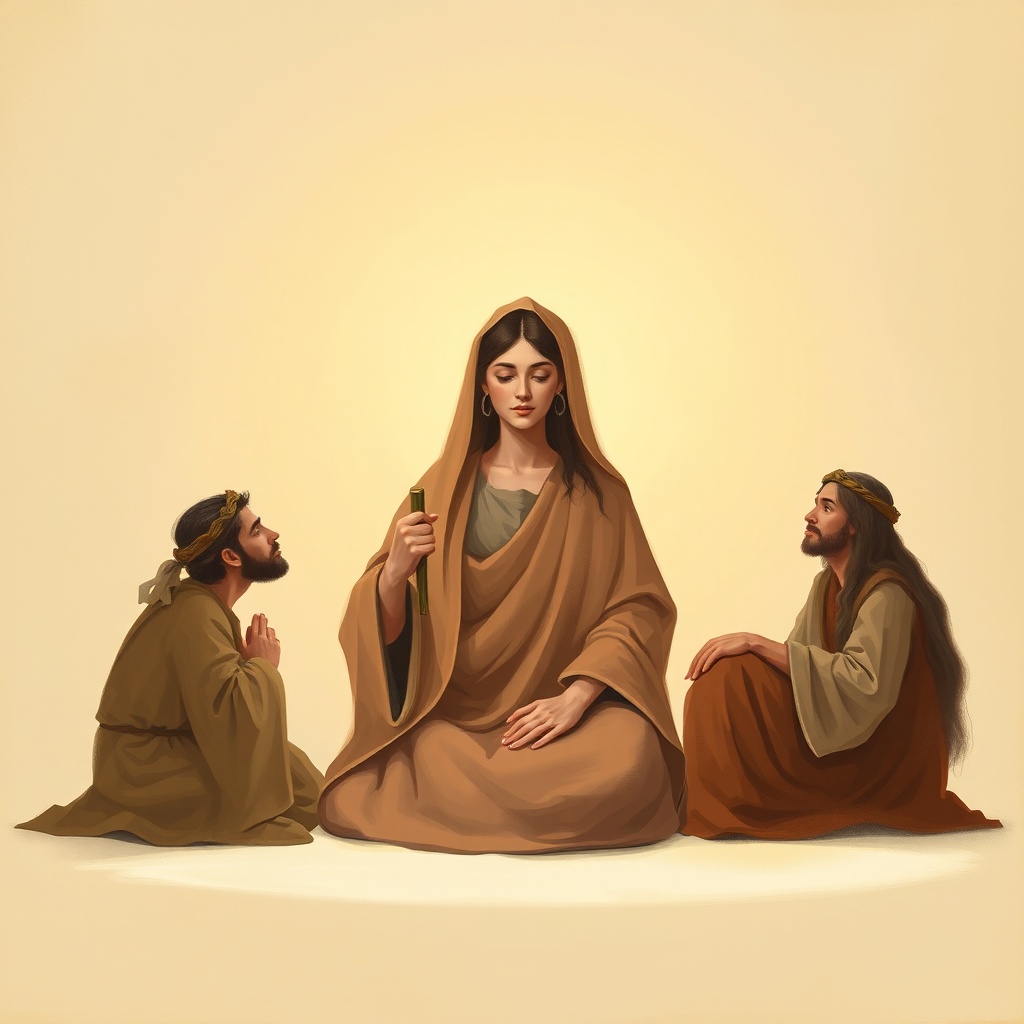
Michal's story begins as the daughter of Saul, the first king of Israel, and she is initially given in marriage to David as part of political alliances (1 Samuel 18). She displays particular affection for David, risking her security to aid him during his flight from Saul. However, her loyalty is tested when she criticizes David’s uninhibited dance before the Lord (2 Samuel 6), causing her personal and spiritual conflict. Despite her early role as a favored royal wife, her relationship with David becomes strained after he ascends the throne. Her bareness and perceived rejection from David reflect her complex character—combining devotion, pride, and vulnerability. Throughout her life, Michal embodies themes of faith, loyalty, and the challenges faced by women caught between political power and personal integrity. Her story illustrates the hardships women endured in biblical royal courts and highlights her lasting significance as a symbol of loyalty and spiritual integrity amidst political turmoil.
🏛️ Cultural & Historical Context
Living in ancient Israel’s highly patriarchal society, Michal’s role was primarily defined by her family and royal status. Women during this period had limited political power but could influence subtly through their relations and choices. As Saul’s daughter and David’s wife, she navigated complex court politics, often caught between loyalty to her family and her love for her husband. Marriages served political purposes, and her personal agency was constrained by societal expectations. Despite societal restrictions, biblical women like Michal demonstrated resilience and occasionally challenged norms, reflecting the nuanced roles women could play in biblical history. Her story also reveals how royal women’s lives were intertwined with the nation’s political and spiritual crises.
👨👩👧 Family Connections
Daughter of King Saul, wife of King David, mother of both Merab and Micur; her familial ties place her at the heart of Israel's royal and political history.
Michal’s narrative offers profound insights into faithfulness, obedience, and the human struggle with pride and loyalty. Her story underscores the importance of wholehearted devotion to God amid personal and political challenges. Her critique of David’s dance indicates her recognition of true worship, emphasizing that faith involves both emotion and integrity. Michal’s complex character embodies the tension between worldly power and divine allegiance, serving as a reminder that spiritual faith may involve personal sacrifice. Her life highlights themes of divine sovereignty, loyalty to God’s anointed leaders, and the biblical call for authentic worship, making her a significant figure in salvation history’s broader spiritual journey.
📖 Lessons for Today
📖 Lesson 1
Loyalty to faith and principles should guide our actions, even amid political turmoil.
Michal’s story contrasts with women like Ruth and Esther, who exemplified loyalty and leadership. Unlike these biblical heroines, Michal’s life reflects the complexities and limitations faced by royal women caught in political conflicts. Her relationship with David also highlights themes of love, fidelity, and failure, contrasting with women who navigated societal constraints more successfully. Overall, Michal’s narrative explores the diversity of women’s roles and experiences in biblical history—from loyalty and heroism to personal conflict and striving for spiritual integrity.
📜 Scripture References
Reference
1 Samuel 14-19
2 Samuel 6; 1 Kings 18:4
❓ Frequently Asked Questions
Was Michal punished for her disapproval of David’s dance?
Yes, Michal was criticized and reproved by David for her disdain, which led to her being childless (2 Samuel 6:23). Her disapproval marked a personal and spiritual conflict that affected her relationship with the king.
Did Michal reconcile with David later in life?
The biblical account suggests her relationship with David remained strained, and there is no clear record of reconciliation before her death.
What does Michal’s story teach about leadership and loyalty?
Michal exemplifies the challenges of loyalty within a turbulent political environment, highlighting that true faith and loyalty often involve sacrifice and integrity rather than personal comfort.
✨ Did You Know?
Michal’s name is one of the earliest recorded in the Bible associated with a woman of royal status. The Hebrew root of her name, 'Who is like God?', is also reflected in the broader biblical theme of seeking divine sovereignty amidst earthly power struggles.










Leave a Reply