The Singing Women of Israel: Celebrating Biblical Expression and Worship
The Singing Women of Israel: Celebrating Biblical Expression and Worship
Old Testament Women | Symbolic Figures
The Singing Women of Israel: Celebrating Biblical Expression and Worship
📅 11th–10th century BCE (United Monarchy period) · 📜 While not a specific biblical woman, 'The Singing Women of Israel' refers collectively to groups of women who led or participated in worship; 'singing' symbolizes praise and joy amidst their cultural roles.
Women of the BibleWorshipMusic in Scripture
David and all Israel were celebrating before the Lord, with all their might, with singing, with harps, with lyres, with tambourines, with cymbals, and with trumpets. And when the ark of the Lord came into the city of David, Michal the daughter of Saul looked out of the window and saw King David dancing and playing before the Lord, and she despised him in her heart. Nevertheless, the women of Israel rejoiced and sang with gladness, praising the Lord for His mighty deeds and covenant faithfulness.— 2 Samuel 6:14-16
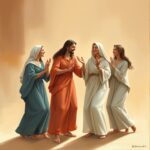
The Singing Women of Israel are epitomized in biblical accounts illustrating their vital role in worship and national identity. Most notably, during King David’s procession bringing the Ark of the Covenant to Jerusalem, a chorus of women sang and danced with joy (2 Samuel 6:14-23). These women, often depicted as part of the Levitical or royal entourage, used song and music to express reverence, celebrate God's presence, and unite the nation in worship. Their singing was not merely musical; it carried theological significance, affirming God's sovereignty and covenant promises. Throughout Israel’s history, women’s participation in music and ritual underscored their vital role in spiritual life. Their songs transcended personal devotion, becoming communal acts that reinforced national faith. This tradition highlights the importance of women’s voices in worship, demonstrating their enduring influence in shaping Israel’s spiritual heritage.
🏛️ Cultural & Historical Context
In ancient Israel, women played a central role in religious festivals and communal worship. Music and dance were integral parts of Hebrew religious life, especially during significant events like processions and harvest festivals. The role of singing women reflected a broader cultural acknowledgment of women’s spiritual contributions. Women often used song to express praise, lament, and hope, reinforcing social and religious bonds. Despite societal restrictions, women appeared prominently in sacred contexts through music, poetry, and dance. They helped forge a collective identity centered on faith in Yahweh. Music served as both a personal act of devotion and a communal ritual, making women essential to the spiritual fabric of Israelite society.
👨👩👧 Family Connections
The group is linked to King David's reign, specifically the women who sang and played music during his procession and worship celebrations. They are associated with David’s court and the collective worship of Israel.
The Singing Women of Israel symbolize the joyful worship and faithfulness of God's people. Their songs embody praise, gratitude, and trust in divine sovereignty, highlighting the importance of communal worship in salvation history. They reflect the biblical theme that all generations, especially women, are called to magnify God's deeds. Their participation underscores that worship is an inclusive act that unites diverse voices in faith. These women exemplify how praise elevates God's glory and sustains spiritual life, serving as a reminder of the vital role women have played in biblical worship and God's unfolding plan of salvation.
📖 Lessons for Today
📖 Lesson 1
Expressing joy and gratitude through worship is vital to spiritual life; women’s voices have historically played a key role in this expression.
Like Miriam the prophetess who led Israel in song after crossing the Red Sea, and Hannah who prayed with fervor for her son Samuel, these singing women exemplify prophetic worship and the importance of women’s voices in spiritual leadership. Unlike some women who remained silent or reserved, these women actively engaged in expressive praise, highlighting their integral role in Israelite faith. Their stories contrast with women in more restrictive contexts, showing that worship through music was a powerful form of spiritual authority and community identity.
📜 Scripture References
Reference
2 Samuel 6:14-23
Psalm 68:25-26
❓ Frequently Asked Questions
Who were the Singing Women of Israel?
They were groups of women who led or participated in musical worship, notably during King David’s reign, as described in 2 Samuel 6:14-23. Their songs and dances celebrated God's presence and covenant faithfulness.
What is their significance in biblical history?
They exemplify the vital role of women in worship and spiritual life, highlighting their part in uniting Israel through song and praise in important religious ceremonies.
Are there any specific women identified as singers in the Bible?
While no individual is named specifically as a 'singing woman,' figures like Miriam, Deborah, and the women at the well are associated with prophetic and musical praise, illustrating women’s leadership in worship.
✨ Did You Know?
The term 'singing women' may also refer to choirs and groups that existed beyond biblical times, influencing Jewish religious practices through centuries. Linguistic evidence suggests that women’s singing was not only a spiritual act but also a social one, strengthening communal bonds through joyful worship.








Leave a Reply