The Prophetesses of Israel: Honoring Women of Divine Revelation
The Prophetesses of Israel: Honoring Women of Divine Revelation
Old Testament Women | New Testament Women | Deuterocanonical Women | Symbolic Figures
The Prophetesses of Israel: Honoring Women of Divine Revelation
📅 9th century BC (during Kings Josiah and Manasseh's reigns) · 📜 The name 'Huldah' means 'Weasel' in Hebrew, symbolizing agility and keen perception; Deborah’s name means 'Bee', representing industriousness and leadership.
ProphetessWomen in the BibleDivine Revelation
Thus says the Lord, the God of Israel, 'Tell the man who sent you to me, Thus says the Lord, Behold, I will bring disaster upon this place and its inhabitants, all the words of the book that the king of Judah has read... because they have forsaken me and have made offerings to other gods, provoking me to anger with all the work of their hands; therefore my wrath will be kindled against this place, and it will not be quenched.' – 2 Kings 22:15-17— 2 Kings 22:15-17
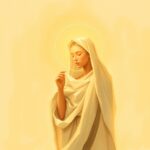
The prophetess Huldah appears in 2 Kings and 2 Chronicles during King Josiah’s reign. When the Book of the Law was discovered in the Temple, Josiah’s officials sought her prophetic insight. She confirmed the authenticity of the scroll and foretold judgment yet assured hope for future salvation, guiding the king’s reforms. Deborah, on the other hand, served as a judge, military leader, and prophetess during a turbulent period of Israel’s history. Her leadership in rallying Barak to defeat Sisera exemplifies divine empowerment of women to influence national destiny. Both women exemplify God's use of women for prophetic purposes, emphasizing that divine calling transcends gender and societal limitations. Their stories highlight how faithfulness to God's word can lead to pivotal moments of spiritual revival and national restoration.
🏛️ Cultural & Historical Context
In ancient Israel, women held predominantly domestic roles, yet prophetesses like Huldah and Deborah were respected for their spiritual authority. Prophets served as intermediaries between God and the people, often held in high regard despite societal norms. Women with prophetic gifts were rare but acknowledged as divinely chosen vessels in a patriarchal society that limited women’s public roles. Their authoritative presence challenged gender stereotypes, demonstrating that divine empowerment surpasses cultural constraints. This period was marked by political upheaval and spiritual crises, requiring prophetic guidance to navigate national and spiritual renewal. In this context, prophetesses served as vital connectors between heaven and earth, embodying divine wisdom and authority within a male-dominated society.
👨👩👧 Family Connections
Huldah was likely a resident of Jerusalem, possibly linked to the prophetess tradition; Deborah was from the tribe of Benjamin and a judge and prophetess; no explicit family details are provided for these women.
The prophetesses exemplify God's inclusive approach in salvation history, highlighting that divine revelation is available to both men and women. They serve as models of faithfulness, obedience, and courage, reinforcing that God's call transcends gender. Their stories affirm that the Spirit of God equips believers to serve in various capacities, including leadership and prophecy. These women also foreshadow the eventual fulfillment of God's promises through Jesus Christ, where the Spirit is poured out on all people. Their prophetic roles underscore God's sovereignty and His commitment to revealing truth and guiding His people through divinely anointed individuals, regardless of societal limitations. They symbolize hope, divine authority, and the power of women to influence God's divine plan.
📖 Lessons for Today
📖 Lesson 1
God calls both women and men to fulfill His divine purposes, regardless of societal expectations.
Prophetesses like Huldah and Deborah demonstrate divine empowerment in leadership, contrasting with other biblical women like Ruth and Esther, who played pivotal roles through loyalty and courage. Unlike the domestic focus of women like Naomi or Hannah, these prophetesses actively delivered God's messages, shaping national destiny and spiritual revival. Their prophetic authority underscores a divine pattern of elevating women in key spiritual roles, highlighting a broader biblical theme of God's use of women in His plan of salvation.
📜 Scripture References
Reference
2 Kings 22:14-20
2 Chronicles 34:22-28
Ephesians 6:12
❓ Frequently Asked Questions
Who was Huldah the prophetess?
Huldah was a prophetess during King Josiah’s reign, who authenticated the Book of the Law found in the Temple and foretold judgment and hope (2 Kings 22:14-20).
What was Deborah’s role as a prophetess?
Deborah served as a judge, military leader, and prophetess, leading Israel to victory against Canaanite oppressors (Judges 4-5).
Are prophetesses common in the Bible?
Prophetesses are relatively rare but significant figures, such as Miriam, Deborah, Huldah, and Anna, who played vital roles in God's communication with His people.
✨ Did You Know?
The name 'Huldah' may be linked to a Hebrew root meaning 'weasel,' symbolizing agility and keenness, reflecting her sharp prophetic insight. Additionally, her role as a woman prophetess in a male-dominated society highlights the extraordinary nature of her divine calling.










Leave a Reply