Protection from Spirits Prayer: Sacred Prayers for Safety
Protection from Spirits Prayer: Sacred Prayers for Safety
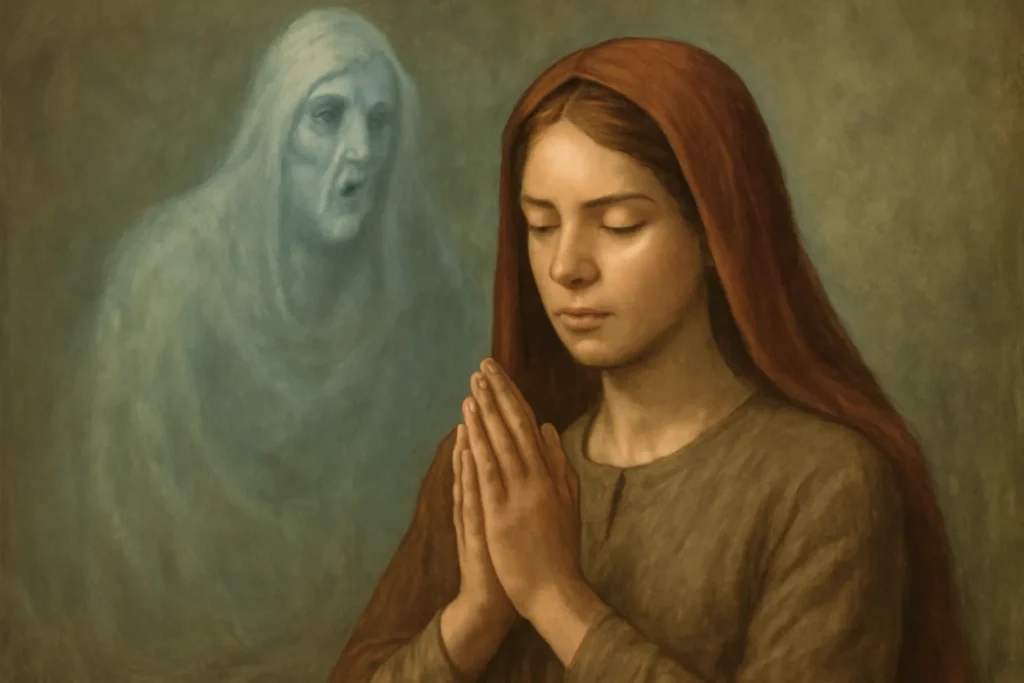
Across cultures and faiths, people have sought protection from spirits through intentional words, rituals, and sacred utterances. This article explores the practice of Protection from Spirits Prayer, often framed as sacred prayers for safety, and presents a broad, respectful survey of how communities invoke divine guardians, ancestral guardians, and spiritual beings to shield homes, travelers, and hearts from unseen harms. Whether you come from a specific tradition or are curious about comparative spiritual practices, you will find ideas, examples, and practical guidance aimed at fostering inner calm and outer safety through deliberate prayer.
Overview: What is a Protection from Spirits Prayer?
A protection prayer in this context is a form of invocation designed to create a spiritual shield against negative energies, malevolent spirits, or disturbing presences. It is not about denying the reality of the unseen world, but about establishing a boundary that invites benevolent forces while discouraging fear, harm, or confusion. The language may be formal or intimate, drawn from scripture, liturgy, folk tradition, or personal revelation. Central ideas include a request for divine shelter, guidance, clarity, and safety for oneself and loved ones.
Historical Context: How Protection Prayers Evolved
Ancient and Preliterate Traditions
In many ancient cultures, protection prayers arose from close observation of the night, the terrain, and the unknown. Shamans, priests, and elders often spoke words that were believed to harmonize with the natural and spiritual order. Protective invocations might accompany rites of passage, harvest ceremonies, or times of danger. Symbolic elements—such as amulets, salt, fire, or water—frequently accompanied verbal prayers to strengthen the sense that the home and person are defended by forces larger than oneself.
Medieval and Early Modern Europe
In Europe, protective prayers often appeared within Christian practice, alongside blessings for households and travels. Prayers addressing spiritual warfare, exorcism rites, and the safeguarding of sleepers from night spirits are part of a long lineage. At the same time, folk practices, charms, and blessings for doors and thresholds persisted, sometimes blending Christian language with regional beliefs about spirits, fairies, and ancestral guardians.
Indigenous and Global Perspectives
Around the world, many Indigenous and traditional communities maintain spiritual protection rituals that center on the integrity of the land, kinship with ancestors, and reciprocity with the unseen. Protective prayers may accompany reconciliation with the land, the honoring of elders, or ceremonies designed to maintain balance between human needs and spiritual sovereignty. These practices emphasize respect, accountability, and the governance of boundaries by community norms and sacred laws.
Common Themes in Protection Prayers
Divine or transcendent guardians invoked to stand as sentinels against harm.
Boundary language that defines what is welcomed and what is kept out.
Purification or cleansing before invoking protection (blessing, salt, water, incense, or smoke clearing).
Invocation of ancestors or saints as protective intercessors.
Household or personal intention focused on safety for people, spaces, and routines.
Ritual cadence—prayers may be spoken aloud, whispered, sung, or recited in a quiet, deliberate rhythm.
Two recurrent ideas unite many traditions: first, that protection is active and relational, not passive; second, that safety rests on intentional practice—the discipline of setting aside fear and inviting care into one’s life. A practical takeaway is to pair prayers for protection with daily routines of care: clean spaces, honest communication, proper rest, and ethical behavior toward others.
Types of Protection Prayers Across Traditions
Christianity: Sacred Verses and Prayers
Within Christian lines of practice, several well-loved forms of protection from spirits prayer appear in liturgy and personal devotion. Examples include:
Psalms of protection such as Psalm 91 or Psalm 23 being recited for safety during difficult times, night journeys, or spiritual weariness.
St. Michael the Archangel prayer or other invocations asking for protection against evil and harm.
Benedictions spoken over homes, travelers, and sick individuals to “set apart” or cleanse spaces.
House blessings that combine scriptural readings with a blessing for every room, often using water, salt, or holy oil as symbolic aids.
These practices rely on a sense that divine power, channeled through prayer, creates a shield against malevolent forces and fosters a calm, anchored presence within the home and heart.
Islamic Practices and Du’as for Safety
In Islamic contexts, protection prayers frequently take the form of du’a—supplications directed to God. Common examples include the following phrases, often recited in times of fear or danger:
A‘ūdhu bi-llāhi min sharr-i mākhalqa — “I seek refuge in Allah from the evil of what He has created.”
Hasbunallāhu wa-nim'l-wakīl — “Allah is Sufficient for us, and He is the best Disposer of affairs.”
Du’a for protection at night—recited before sleep, asking for safety from both visible and unseen harms.
Protection prayers in Islam emphasize trust in the divine will, regular remembrance (dhikr), and practical safeguards such as night prayers and ethical living to secure inner peace and external safety.
Judaism: Psalms, Blessings, and Protective Readings
Judaism often sees protection as a combination of scripture, blessing, and mindful action. Typical elements include:
Psalm readings for home safety, healing, and protection on journeys.
Birkat HaBayit (blessings for the home) and other blessings recited at doors, thresholds, or key times (e.g., Shabbat).
Angelic or divine guardians referenced in liturgy, with prayers that request protection while honoring God’s sovereignty.
These practices highlight a disciplined rhythm of prayer, blessing, and mindful living that keeps the sacred present in daily spaces.
Hinduism and Buddhist Traditions
In South Asian spiritual practice, protection takes many forms—from powerful mantras to ritual protection icons and yantras. Examples include:
Maha Mrityunjaya Mantra for healing and safeguarding life against danger and fear.
sometimes recited to invite clarity and divine illumination, which can function as a form of spiritual protection by guiding thoughts.
Protection yantras and talismans in Hindu homes, along with temple-style blessings that invite the divine to dwell within a space.
Buddhist prayer traditions offer protective recitations, such as Metta (loving-kindness) practices to reduce fear and cultivate the awareness that safety arises from inner equanimity and compassionate action. Some lineages honor protective bodhisattvas or chant sutras dedicated to shielding beings from harm.
Indigenous and Folk Traditions
Many Indigenous and regional folk practices center on protective blessings for the home, the land, and the family. Elements may include:
Ritual cleansing with smoke (sage, cedar, sweetgrass) or water blessed with intention to clear space.
Offerings or prayer songs that acknowledge ancestors and request their guidance and protection.
Use of natural symbols—stones, salt, bells, or protective plants—that represent stability and resilience.
Such practices emphasize stewardship of the living space, humility before the unseen, and a sense of community-based protection that extends beyond the individual.
Practical Guidance: How to Use Protection Prayers Effectively
Engaging in protection prayers is most effective when combined with mindful readiness and ethical intent. The following guidance focuses on safe and respectful use of protective language across settings—home, travel, work, and personal life.
Set a clear intention. Before beginning, name what you seek protection from (fear, negative energy, harm, or confusion) and who or what is included in the blessing (your household, pets, a space, or a community).
Create a calm space. Allow for a quiet environment, dim lights, a moment of breath, and, if desired, a symbolic ritual (lighting a candle, sprinkling salt, or burning incense) to mark the start of the practice.
Speak with sincerity. Use language that resonates with your beliefs and experiences. Authenticity matters more than the exact words you choose.
Bind intention to action. Prayer alone is meaningful, but pair it with practical steps: organize your space, maintain healthy boundaries, and seek constructive support when needed.
Respect diverse beliefs. If you share a space with others, acknowledge their beliefs and obtain consent if you wish to perform protective prayers at home or in communal spaces.
Regular rhythm. Consider a routine—morning, evening, or during times of transition (moving to a new home, travel, or illness). Consistency helps cultivate a sense of safety from the inside out.
Crafting Your Own Protection Prayer: A Practical Guide
Developing personal protection prayers can be a meaningful exercise in spiritual self-care. The process below offers a framework to tailor a prayer to your tradition or to a secular sense of intention. The goal is to craft a concise, memorable invocation that you can return to in times of need.
Name the intention—what you seek protection from and for whom.
Identify the source of protection—God, the divine presence, universal conscience, ancestors, or a guardian figure.
Set the boundary—state what is allowed and what is not in your space, body, or mind.
Call for guardianship—invite protective beings or principles to stand with you.
Close with gratitude—thank the protective presence and acknowledge your reliance on steady, ethical practice.
Here are some optional templates, adaptable to different traditions. You can mix and match elements to create a program that resonates with you:
Template A (Divine protection): “O Creator of all light, I ask for a divine shield around this space and around me. May fear be quieted, may harm be diverted, and may clarity and mercy dwell here. May those who stand with me be kept safe, and may I walk in peace.”
Template B (Ancestor-anchored): “Great ancestors, I call upon your steadfast guardianship. Stand at this doorway, guard my sleep, guard my mind, guard my steps. May I honor your memory by living with integrity and courage.”
Template C (Non-denominational): “I invite calm and protection into this space. May every door be closed to fear and opened to safety. May unkind spirits be redirected away, and may I carry with me a shield of kindness and resilience.”
Template D (Mantra-style): “Shield and calm, shield and calm, within and around me. Let all who enter here be welcomed with safety, and let all who seek harm be turned away.”
Sample Prayers in Different Traditions
To aid readers who want ready-made examples, here are brief samples drawn from various spiritual lineages. These are concise, suitable for use in daily practice or during times of heightened anxiety.
Christian sample: “Heavenly Father, you are a strong tower and a safe harbor. Please protect this home and everyone within it. May your light dispel every shadow, and may your peace guard our hearts.”
Islamic sample: “O God, protect me from all harm and from the whispers of falsehood. Grant me safety in my sleep, in my waking, and in my travels. You are the Guardian and the Protector.”
Jewish sample: “Bless this home with peace and safety. May the Shekinah dwell here and may the doors be guarded by wisdom and mercy. May illness, fear, and danger pass us by.”
Hindu sample: “Om Namah Shivaya (or another deity’s name) — grant protection to this space and to all beings who enter. Let fear dissolve and courage arise, let harmony prevail.”
Buddhist sample: “May all beings be free from fear. May loving-kindness protect this space, and may wisdom guide every thought and action within it.”
Ethical and Practical Considerations
Practicing protection prayers is a personal spiritual discipline, and individuals should consider the impact of their practice on themselves and others. Some important notes include:
Respect for others: Not everyone shares the same beliefs, so be mindful when praying in shared spaces or public settings.
Nonviolence: True protection often emphasizes safety and well-being for all beings, not domination over others.
Psychological awareness: For some, fear or superstition can intensify distress. Complement prayer with grounded practices like sleep hygiene, mindfulness, or professional support if needed.
Atra respect and consent: If you involve family or roommates, discuss boundaries and traditions to foster harmony.
Integrating Prayer with daily life: Space, Time, and Routines
Protection prayers function best when embedded in everyday life rather than appearing as isolated acts. Consider these practical integrations:
Home space routines: morning or evening blessings for doors, windows, and corners that may accumulate stress.
Travel and work: quick protective invocations before important meetings, flights, or long drives.
Personal routines: a short nightly prayer before rest to restore calm and intention.
Cleansing rituals: combining prayer with cleansing rituals (smudging, sprinkling salt water, or lighting a candle) to physically indicate a boundary you set.
Notes on Language and Semantics: Variations for Breadth
The phrase Protection from spirits prayer can be expressed in many forms across cultures. Some scholars and practitioners prefer terms like spiritual protection prayer, invocation for safety, protective blessing, or spirit warding chant. Using varied terminology helps readers recognize that this practice transcends specific labels and taps into shared human needs: safety, meaning, and the sense that we are held by something larger than ourselves. When writing about this topic, you might use synonyms such as guardian invocation, boundary prayer, or protective liturgy to reflect different cultural lenses while maintaining coherence.
As with any spiritual practice, there are potential pitfalls. Here are some guidance points to keep the practice healthy and constructive:
Do not use protection prayers as manipulation or as a way to control others. The aim should be safety and integrity, not fear-based coercion.
Avoid fear-driven rituals that intensify anxiety or superstition. Pair prayers with empowering actions, such as setting boundaries, seeking community support, and keeping living spaces secure.
Honor contexts—some environments require ritual restraint or specific permissions. In shared or public spaces, be mindful of appropriateness and consent.
Balance belief with evidence—while prayer can offer psychological comfort, it is wise to combine spiritual practice with practical measures (locks, lights, communication, and community ties).
Protection prayers are about more than warding off danger. They are statements of care—for oneself, for others, and for the sacred order of life. They offer a way to shift attention from fear to intention, from vulnerability to agency, and from isolation to connection. In many traditions, the act of praying for protection is not only about what is kept away, but about what is invited in: hope, resilience, and a sense of belonging within a wider network of guardians, ancestors, and compassionate beings. When practiced with humility and respect for diverse paths, spiritual protection prayers can become a stabilizing practice that supports physical, emotional, and spiritual safety for individuals and communities alike.
Further Resources and Reading
If you’d like to explore more deeply, consider readings and resources that cover a range of traditions, languages, and practices. Look for anthologies of prayers for protection, scholarly works on spiritual boundary practices, and interfaith guides that discuss how different cultures approach the concept of guarding spaces and people from harm. Practical workshops on sacred space cleansing, prayer writing, and interfaith dialogue can also help you develop a personally meaningful and respectful practice of protection.
In summary, Protection from Spirits Prayer—in its many forms and across traditions—offers a vital, ceremonial way to cultivate safety, inner peace, and moral intention. Whether you draw from scripture, ancestral traditions, or personal revelation, the core idea remains the same: to invite guardians, to set healthy boundaries, and to hold space for safety and healing in a restless world.








Leave a Reply