Introduction to Psalm 18 in the King James Version
Psalms 18 is a compelling expression of personal deliverance, trust, and gratitude attributed to David, presented in the King James Version (KJV). This psalm stands out for its vivid imagery, its portrayal of God as rock, fortress, and salvation, and its testimony of divine rescue from dangerous foes. In a church or devotional context, readers often encounter Psalm 18 as a model for how to address God in times of distress, how to acknowledge divine mercy, and how to celebrate victory with sincere worship.
The phrase “Read the Bible Online” is a practical invitation you will sometimes see alongside Psalm 18 in online study resources. The KJV text itself gives a powerful framework for meditation: a proclamation of God’s majesty, a recitation of deliverance, and a call to praise for the benefits of a righteous life lived under divine protection. This article explores the Psalm in depth—its structure, key theological themes, linguistic features in the KJV, and how readers today can approach it for study, prayer, and liturgical use.
What the Psalm Expresses: Core Imagery in the King James Version
Psalm 18 is built around a sequence of images that convey strength, protection, and victory. In the KJV, the psalmist describes God using terms that readers often find themselves returning to in times of trouble:
God as rock and refuge—a secure foundation when life’s storms rage.
Deliverance from enemies—a testimony of rescue from powerful adversaries.
Divine might displayed through dramatic cosmic and natural signs—earthquakes, smoke, fire, and wind.
Mercy and justice—a pattern where the righteous are upheld and mercy is shown to the faithful.
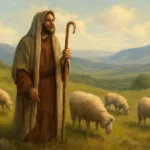
Royal aspect—the psalm speaks of kingly authority and divine empowerment granted to the shepherd-king.
The singer’s voice shifts between supplication, acknowledgement, and triumphant proclamation, creating a rhythm that has resonated with generations of readers who seek to understand how a life of faith meets crisis and triumph.
Although the KJV presents Psalm 18 in its complete form, readers often find it helpful to notice its natural sections. A broad outline includes:
Prologue of trust—the speaker declares love for the Lord, the source of strength and protection.
Distress and deliverance—the psalm recounts danger, prayer, and God’s intervention.
Oration of praise—recognition of God’s righteousness, mercy, and kingship.
Personal testimony—vivid descriptions of victory and the relationship between the divine and the human king.
Concluding doxology—a brief dedication to God’s enduring mercy and sovereignty.
In studying the psalm, you can track how themes of deliverance, power, and praise deepen through the verses, moving from personal danger to public worship.
Key Themes and Theological Highlights in the KJV Version
The KJV text of Psalm 18 foregrounds several important theological motifs that recur across the book of Psalms and the broader biblical narrative:
Divine protection and refuge for the vulnerable, especially the anointed king who seeks mercy.
God’s personal relationship with the righteous—God hears prayers, intervenes, and acts on behalf of the beloved.
Mercy to the faithful and justice for the upright, including a call for righteousness in the life of the believer.
Cosmic signs of God’s presence—thunder, smoke, fire, and wind are used as metaphors for divine activity in history.
Royal solidarity—the psalm links the king’s deliverance to God’s sovereignty and covenantal faithfulness, extending mercy to the king and his line.
Readers who explore these themes may notice how Psalm 18 functions both as a personal confession and a communal confession—how one person’s experience of divine rescue can reinforce the faith of a faith community that prays for protection and victory in many generations.
Variations on Core Phrases: Semantic Breadth in Psalm 18
To deepen understanding and broaden semantic reach, here are several variations of key lines and images from Psalm 18 in the King James tradition. Each variation preserves the spirit of the original while offering alternative phrasings suitable for study, meditation, or teaching. The goal is not to replace the KJV but to illuminate its meaning through complementary expressions.
Variation Set A: God as Rock, Fortress, and Deliverer
Original sense: “The Lord is my rock, and my fortress, and my deliverer.”
Paraphrase A1: “God is my unshakable rock, my steadfast fortress, and my savior who sets me free.”
Paraphrase A2: “The Lord stands as my solid rock, my secure stronghold, and the one who rescues me from danger.”
Paraphrase A3: “In God I find a solid base, a shelter that cannot be breached, and a hero who saves.”
Variation Set B: Divine Hearing and Present Help in Distress
Original sense: “In my distress I called upon the Lord.”
Paraphrase B1: “When trouble pressed hard, I cried out to the Lord for help.”
Paraphrase B2: “In danger I turned to God, and He listened from His holy place.”
Variation Set C: God’s Mighty Wind, Fire, and Thunder as Manifestations
Original sense: The imagery of wind, fire, and cosmic signs accompanies God’s intervention.
Paraphrase C1: “A fierce wind and blazing light attended His approach; His power illuminated the heavens.”
Paraphrase C2: “Divine majesty moved the elements—wind, smoke, fire—as signs of victory.”
Variation Set D: Deliverance Leading to Praise
Original sense: Deliverance leads to praise and recognition of God’s role as savior.
Paraphrase D1: “Having been saved, I lift up praises to the One who redeemed me.”
Paraphrase D2: “Salvation becomes a chorus of thanksgiving for the faithful.”
These variations are tools for readers and teachers: they help articulate the same theological core—God’s active rescue and enduring faithfulness—using contemporary language while remaining anchored in the King James Version tradition.
Reading Psalm 18: A Practical, Step-by-Step Approach
Identify the speaker and the occasion: Psalm 18 is a Davidic psalm of deliverance and praise.
Note the theological center: Who is God in this psalm, and what does God do for the faithful?
Observe the imagery: Rock, fortress, shield, salvation, and the cosmic signs of God’s coming.
Track the movement: From distress and prayer to divine intervention, to praise and vow-keeping.
Reflect on personal application: How might this psalm shape your own prayers in times of trouble?
Study Tips for Engaging with the King James Text
Compare with other translations to see how modern language renders the same ideas (NIV, ESV, NKJV, etc.).
Look up historical notes about David and the musical context (superscriptions, a chief musician).
Use a concordance to identify recurring themes like salvation, mercy, and justice.
Historical Context and Liturgical Considerations
The superscription of Psalm 18 indicates it was intended for use in worship and may reflect a moment of liberation in David’s life. Although the precise historical moment is debated, the imagery—bronze-like shield, the horn of salvation, and God as a mighty warrior—reflects a worldview in which God actively engages in the political and military affairs of the nation. In liturgical settings, Psalm 18 is often read or sung as a proclamation of trust in the face of danger, followed by a declaration of God’s sovereignty.
For contemporary readers and congregations, this psalm offers a model for how to articulate gratitude after a crisis and how to honor God’s faithfulness with audible praise. The KJV language—with its cadence, parallelism, and elevated diction—also provides a bridge to traditional hymnody and ceremonial readings in many faith communities.
The Psalm in Practice: Prayer, Worship, and Personal Reflection
Engaging with Psalm 18 in the King James Tradition can take several forms:
Personal prayer: Use themes of rescue and thanksgiving to structure a prayer for personal deliverance and guidance.
Group worship: Read or chant the psalm (or paraphrased selections) as a testimony of God’s protection over the community or the nation.
Midday or daily devotions: Focus on a couple of verses that resonate most, meditating on the steadfastness of God.
Creative reflection: Compose a brief verse or short prose passage that captures the essence of being shielded by the divine hand.
In all these practices, the bold statement of faith—that God is a shelter, helper, and sovereign king—provides a compass for how to respond to danger with courage and gratitude.
Read the Bible Online: Accessing Psalm 18 in the King James Version
If you want to study the full text of Psalms 18 in the King James Version, several reputable online Bible platforms offer the complete chapter with search, cross-references, and study tools. These resources make it easy to read Psalm 18 in context, compare translations, and explore related passages.
For quick reading, you can also access a short excerpt or study notes on each verse through these sites. If you prefer a direct reading workflow, consider starting with the KJV Psalm 18 page on Bible Gateway, then use the annotation tools to highlight key phrases like “the Lord is my rock” or “the horn of my salvation”.
Selected Verses (Paraphrased) for Quick Reference
Verse concept: The Lord is a secure shelter and protector; my safety rests in Him.
Verse concept: Prayer in distress invites divine attention and response.
Verse concept: God’s intervention is powerful and transformative, even over cosmic barriers.
Verse concept: Righteous living brings rewards and a favorable standing with God.
While the paraphrased selections are not a substitute for reading the full KJV Psalm 18, they can serve as mental signposts when you navigate the complete text in study or worship.
Conclusion: Psalm 18 as a Model for Faithful Trust
In the King James Version, Psalms 18 presents a vivid arc from peril to praise, anchored in the conviction that God’s protective power and mercy never fail. The psalm’s imagery—rock, fortress, shield, salvation—has resonated in hymns, sermons, and personal prayers for centuries. Whether you approach it as a historical Davidic hymn, a liturgical text, or a devotional meditation, Psalm 18 invites a response of gratitude, trust, and praise in the face of life’s storms.
If you are studying the King James Version, consider how the Psalm speaks in multiple registers: as a personal confession, as a royal declaration, and as a covenantal proclamation about God’s steadfastness. Its language can challenge readers to think deeply about what it means to trust God as rock, refuge, and savior, and how that trust shapes daily life and worship.
For ongoing study, you can pair Psalm 18 with related psalms that center on deliverance and divine protection, such as Psalm 3, Psalm 46, and Psalm 91. By exploring the common threads across these texts—trust in God in danger, gratitude for rescue, and a commitment to praise—you can build a richer understanding of how the Psalter presents a coherent spiritual discipline.








Leave a Reply