Saint Polycarp — Early Christian Martyr and Bishop | Life and Legacy
Saint Polycarp — Early Christian Martyr and Bishop | Life and Legacy
Saints and Martyrs · mártires
Saint Polycarp — Early Christian Martyr and Bishop | Life and Legacy
February 23
mártires Saint Polycarp
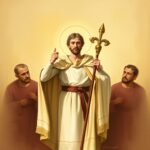
Saint Polycarp was a prominent early Christian bishop of Smyrna in Asia Minor during the 2nd century. He is revered as a martyr and a disciple of the Apostle John, renowned for his unwavering faith amidst persecution. His life exemplifies steadfast devotion to Christ and theological integrity. His martyrdom inspired countless Christians and contributed to the early Church's resilience.
The name Polycarp comes from the Greek 'Polykarpos,' meaning 'much fruit' or 'abundant fruit.' It reflects the biblical idea of spiritual fruitfulness and virtue. As a name popular among Greek-speaking Christians, it signified a person of great spiritual productivity and moral integrity. The cultural significance underscores the hope that the bearer would be fruitful in faith and deeds.
Feast Day
February 23
Related Bible Verses
John 15:5
I am the vine; you are the branches. If you remain in me and I in you, you will bear much fruit.
This verse emphasizes the importance of remaining in Christ, a virtue exemplified by Saint Polycarp's steadfast faith and spiritual fruitfulness.
Revelation 2:10
Be faithful even to the point of death, and I will give you life as your reward.
This verse echoes Polycarp’s unwavering dedication to his faith, even in the face of death as a martyr.
2 Timothy 4:7
I have fought the good fight, I have finished the race, I have kept the faith.
A reflection of Polycarp’s heroic perseverance and fidelity to Christ throughout his life and martyrdom.
Martyrdom and Canonization
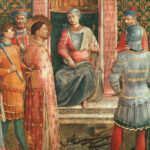
Saint Polycarp was martyred around 155 AD during Roman persecutions. He was arrested and brought before authorities for refusing to recant his faith, resisting attempts to force him to deny Christ. He was burned alive but reportedly remained unharmed, inspiring witnesses and believers. His steadfastness led the early Church to consider him a saint, and his martyrdom was a decisive act of witness to Christian conviction. The Church canonized him through popular recognition, and miracles related to his relics include healings and blessings soon after his death, consolidating his status as a patron of steadfast faith and perseverance.
Miracles and Apparitions
Miracles attributed to Saint Polycarp include healing the sick and protecting communities through his relics, which are kept in shrines in Smyrna. Devotees report miraculous cures after praying at his tomb or relics. Several documented instances include the healing of serious illnesses and calming storms at sea, which the Church recognized and validated through ecclesiastical investigations. These miracles reinforce his role as an intercessor and a sign of divine favor for the faithful seeking perseverance in trials.
Prayer and Devotion
Devotees honor Saint Polycarp through prayers, novenas, and the veneration of relics. The 'St. Polycarp Prayer for Perseverance' is commonly recited to seek strength in faith and during times of trial. Special shrines and churches dedicated to him serve as pilgrimage sites for those seeking his intercession. Many wear medals or scapulars bearing his image, invoking his aid for steadfastness and courage in living a Christian life. His feast day is an occasion for reaffirming commitments to faith and endurance amidst modern challenges.
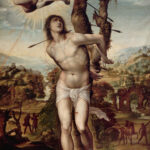
Saint Polycarp's relics are believed to produce miracles even today, with some reports of tears from his martyr relics bringing about healing. Artistic depictions often show him with a sword or being burned, symbolizing his martyrdom, and relics of his will are preserved in churches as symbols of steadfast faith and divine grace.
Frequently Asked Questions
Why is Saint Polycarp considered an important early martyr?
Because he was a direct disciple of John the Apostle and exemplified unwavering faith, inspiring the early Christian community through his courage in martyrdom.
How did Saint Polycarp die?
He was burned alive around 155 AD for refusing to renounce Christ, with reports indicating he remained unharmed, which further confirmed his holiness.
Is Saint Polycarp mentioned in the Bible?
While he is not directly mentioned in the Bible, his life and teachings reflect biblical virtues and he is considered a significant figure in early Christian history.